
Aura Colors and Their Meanings
In spiritual writing, aura colors are described as colors associated with a person’s surrounding energy. Here we use 12 colors as symbolic themes for reflection: red for action, blue for communication, green for care and more. These are our interpretations, not measurements of an energy field or a universal color dictionary.

Red Aura
Our red color theme explores drive, action and a wish to make something happen. Use it as a reflection prompt, not a reading of a measurable energy field.
- Energetic
- Passionate
- Grounded

Orange Aura
Our orange color theme explores curiosity, creative activity and enjoyment of experience. Use it as a reflection prompt, not a reading of a measurable energy field.
- Adventurous
- Creative
- Sociable

Yellow Aura
Our yellow color theme explores optimism, curiosity and playful expression. Use it as a reflection prompt, not a reading of a measurable energy field.
- Optimistic
- Quick-witted
- Confident

Green Aura
Our green color theme explores care, growth and attention to what needs sustaining. Use it as a reflection prompt, not a reading of a measurable energy field.
- Nurturing
- Steady
- Patient

Blue Aura
Our blue color theme explores communication, listening and a preference for calm expression. Use it as a reflection prompt, not a reading of a measurable energy field.
- Calm
- Empathetic
- Honest

Indigo Aura
Our indigo color theme explores inward attention, reflection and the search for patterns. Use it as a reflection prompt, not a reading of a measurable energy field.
- Perceptive
- Empathic
- Sensitive

Purple Aura
Our purple color theme explores imagination, meaning and interest in spiritual questions. Use it as a reflection prompt, not a reading of a measurable energy field.
- Intuitive
- Imaginative
- Perceptive

Pink Aura
Our pink color theme explores affection, gentleness and attention to everyday kindness. Use it as a reflection prompt, not a reading of a measurable energy field.
- Loving
- Gentle
- Romantic

White Aura
Our white color theme explores clarity, openness and the possibility of a fresh start. Use it as a reflection prompt, not a reading of a measurable energy field.
- Open
- Sincere
- Peaceful

Gold Aura
Our gold color theme explores purpose, generosity and using experience constructively. Use it as a reflection prompt, not a reading of a measurable energy field.
- Wise
- Generous
- Steady

Black Aura
Our black color theme explores privacy, boundaries and choosing what to keep close. Use it as a reflection prompt, not a reading of a measurable energy field.
- Guarded
- Private
- Resilient
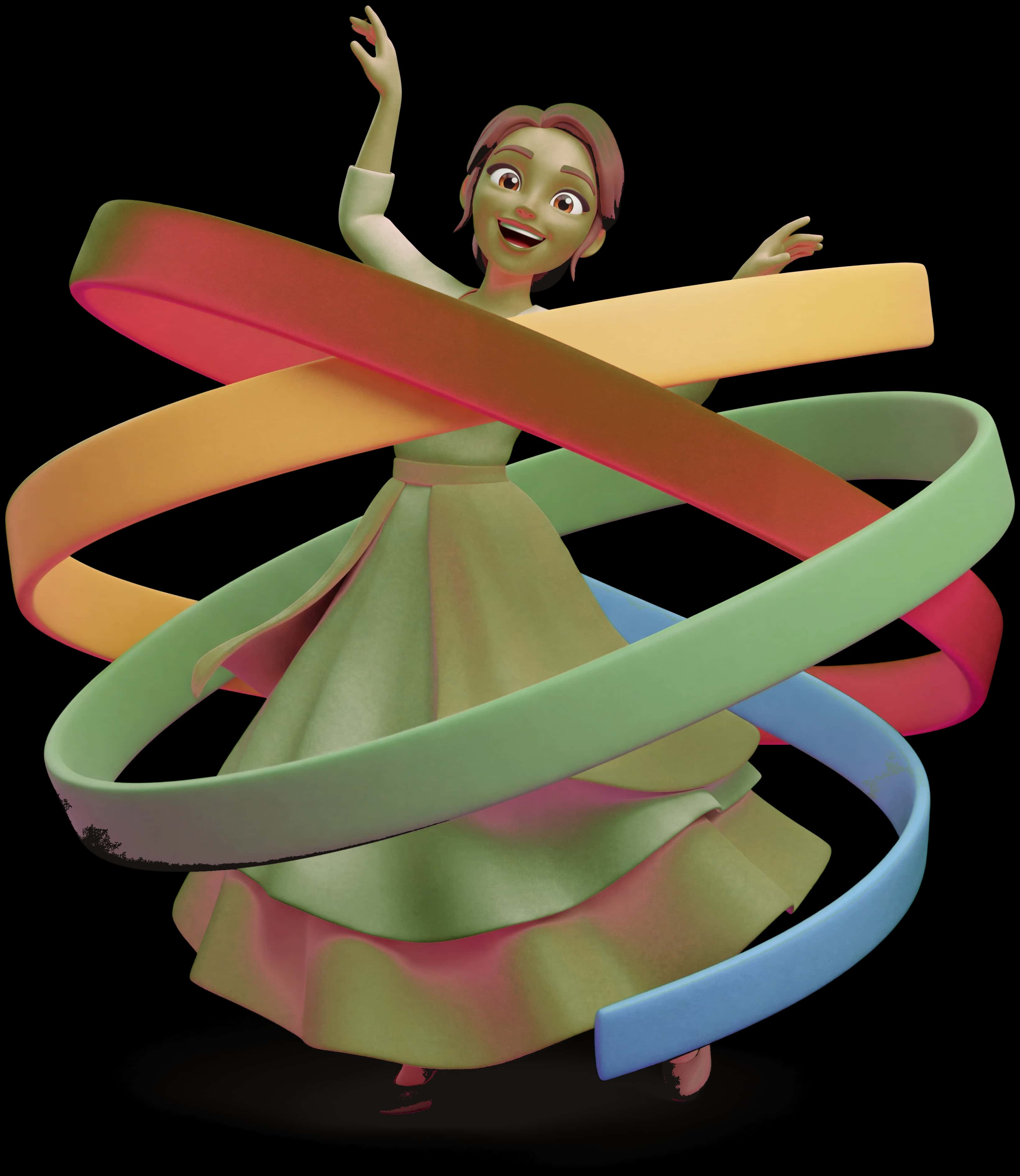
Rainbow Aura
Our rainbow color theme explores variety, adaptability and several interests held together. Use it as a reflection prompt, not a reading of a measurable energy field.
- Energetic
- Versatile
- Curious
How to read the color meanings
Each guide explains a theme, what it might look like in an everyday choice, and what can happen when it is overused. Start with a behavior you recognize rather than trying to identify a hidden color. For example, “I usually speak first when a project stalls” is something you can examine; “I have a powerful aura” gives you less to work with.
The colors are not ranks. White does not mean a better person, gold does not establish spiritual advancement and black does not diagnose a problem. Shade names within each guide are also interpretive variations, not readings from a device.
Similar aura colors: where our meanings differ
Red and orange both involve engagement. Our red theme asks how you initiate and follow through; orange asks how you experiment and connect. Starting a difficult task and inviting people to try a new idea can look equally energetic while serving different purposes.
Blue and indigo both make room for reflection. Blue emphasizes putting experience into clear words. Indigo emphasizes examining an impression before drawing a conclusion. Neither means that an intuition is necessarily correct.
Green and pink both explore care. Green focuses on sustaining support over time; pink focuses on expressing tenderness and affection. You might recognize both, while needing different boundaries in each situation.
Try a color theme against a real situation
Imagine a friend asks for help during a week when you are already stretched. A green reading might ask what support you can sustain. A blue reading might ask how to explain your availability clearly. A black reading might ask what you need to keep private or reserve for yourself. These are alternative questions about the same event, not three competing diagnoses.
Choose the question that helps you act, then write one specific response: “I can talk for twenty minutes tonight, but I cannot take on the whole task.” Look for a counterexample too: when did this color description fail to fit you? Keep the useful question and leave the label open to revision.
Sources and interpretation
- APA Dictionary of Psychology: Aura
The dictionary distinguishes uses of the word aura, including its parapsychological meaning. It does not validate this site’s twelve color meanings or scoring. Our comparisons and exercises are symbolic interpretations created for this collection.
Published by Rare Personas. Our explanations and illustrative exercises are interpretations; the references support the specific background described above. Read about our approach and content responsibility. To suggest a correction, send the passage and page URL through our contact page.
Got questions?
What are aura colors?
In spiritual and parapsychological usage, an aura is described as an emanation around a person, sometimes interpreted through color. This library uses color imagery as a way to discuss habits and choices. Its descriptions do not establish that a person has a detectable field of that color.
How do I find my aura color?
You can read the descriptions and choose a theme that resonates, or take our questionnaire to match your answers to the collection. Either route is a reflection exercise. A quiz result does not verify what an aura reader or photograph claims to show.
Can aura colors change?
Different spiritual accounts describe change differently. For our quiz, changed answers or close scores can change the leading color. You may also find a different description useful at a different time; neither observation establishes a physical change in an aura.
What is the rarest aura color?
We do not have representative evidence for aura-color frequencies. Quiz results depend on the questions, scoring and people who choose to participate. They cannot establish that gold, white, rainbow or any other aura color is rare in the population.
Does a dark or black aura indicate something is wrong?
No such conclusion can be drawn from our color descriptions or quiz. We use black as a theme of privacy and boundaries, not as a sign of illness, danger or moral character. A color label should not be used to explain a health concern.
Do aura colors determine relationship compatibility?
Our colors do not predict whether a relationship will work. Use the descriptions to discuss concrete preferences—such as time alone, affection or conflict—then listen to what the other person says instead of assuming it from a color.
Which color theme fits your answers?
Explore our 12 symbolic descriptions with the aura quiz. Your leading color and short summary are free; the longer report is optional.