
The Moral Alignment Chart
The moral alignment chart combines two questions: how does a character relate to order and freedom, and how do they treat others? Its nine combinations come from Dungeons & Dragons. Use this guide to compare fictional motives or reflect on choices; it is not a system that can conclusively sort every person. Choose a cell to explore its meaning and examples.

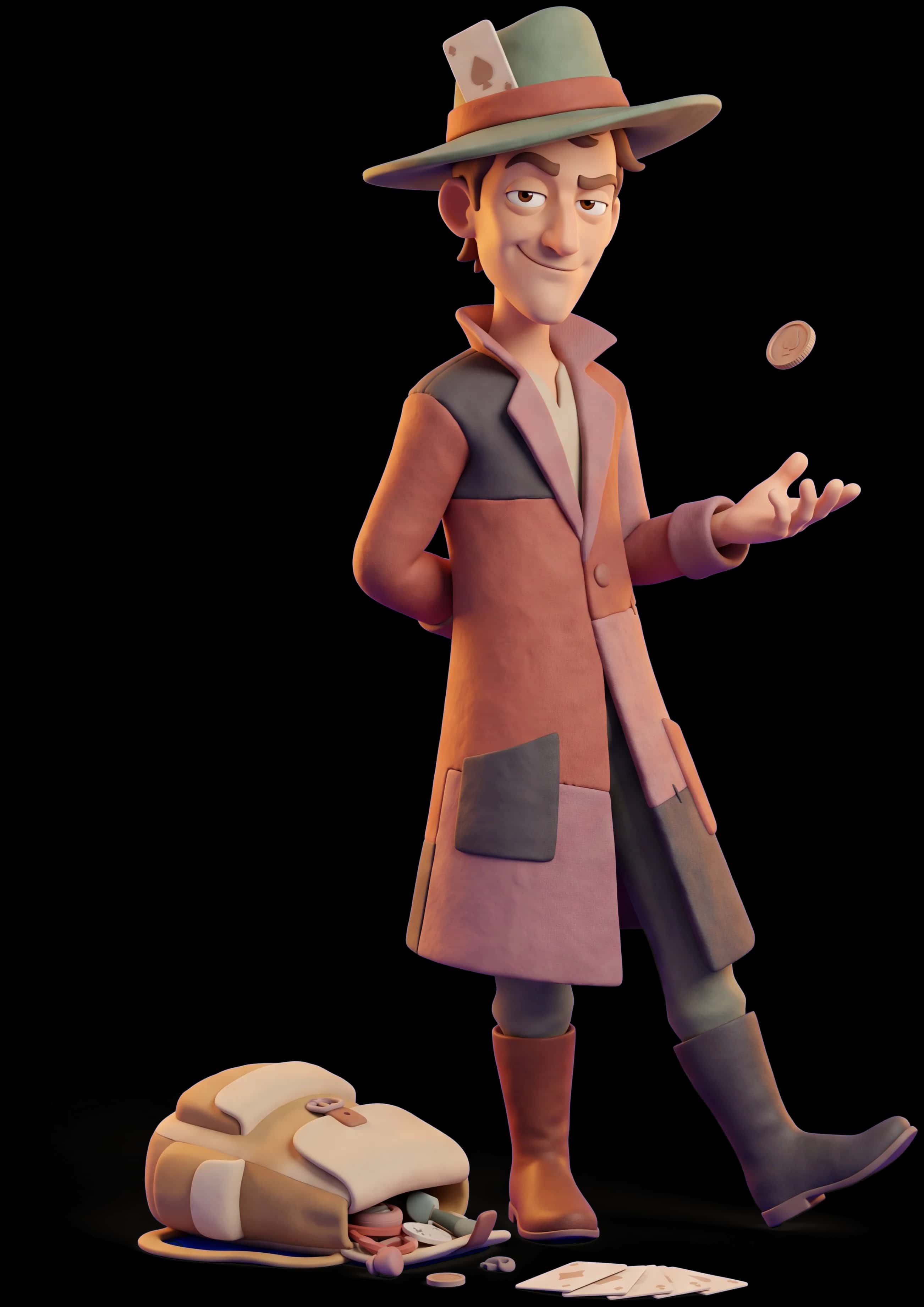
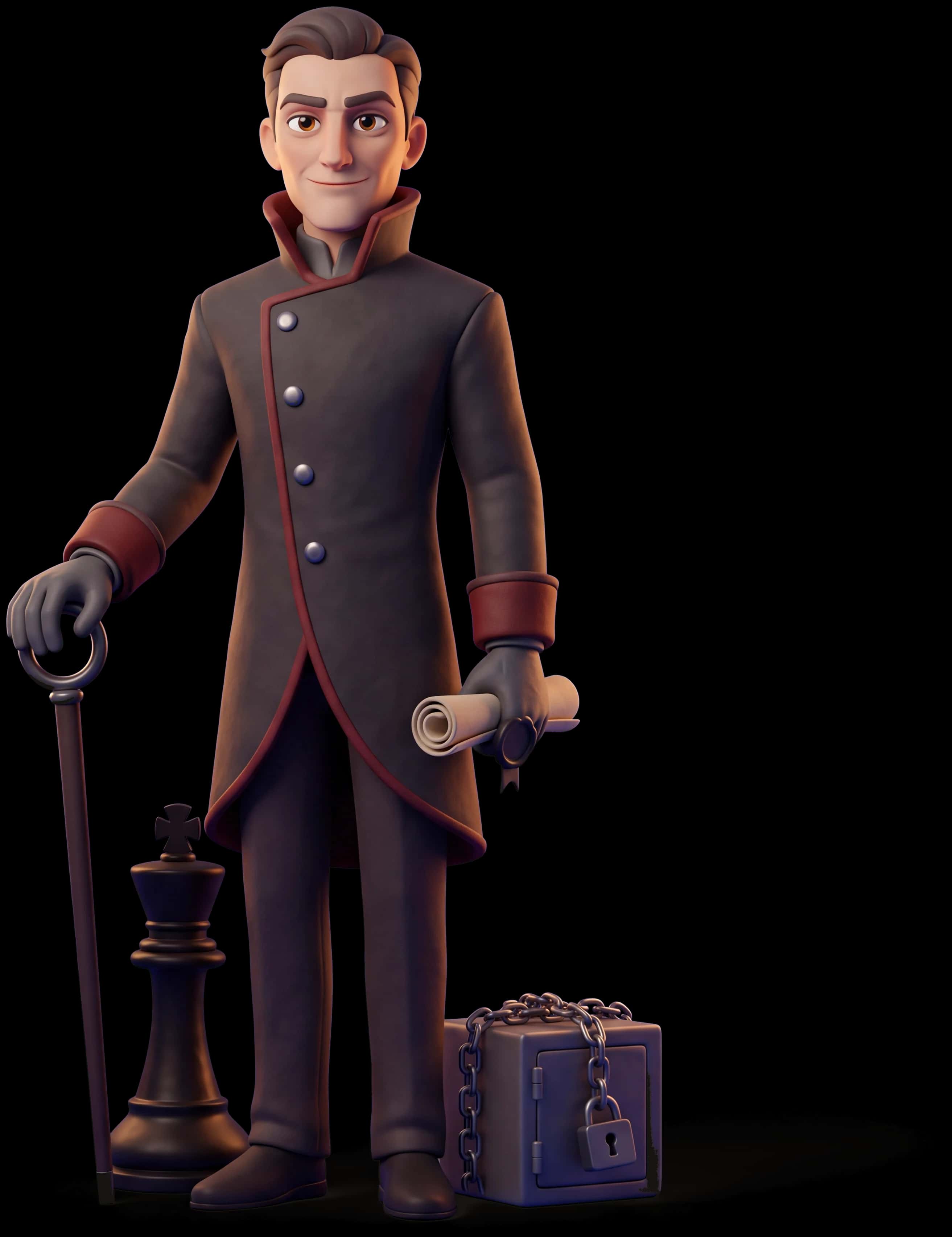
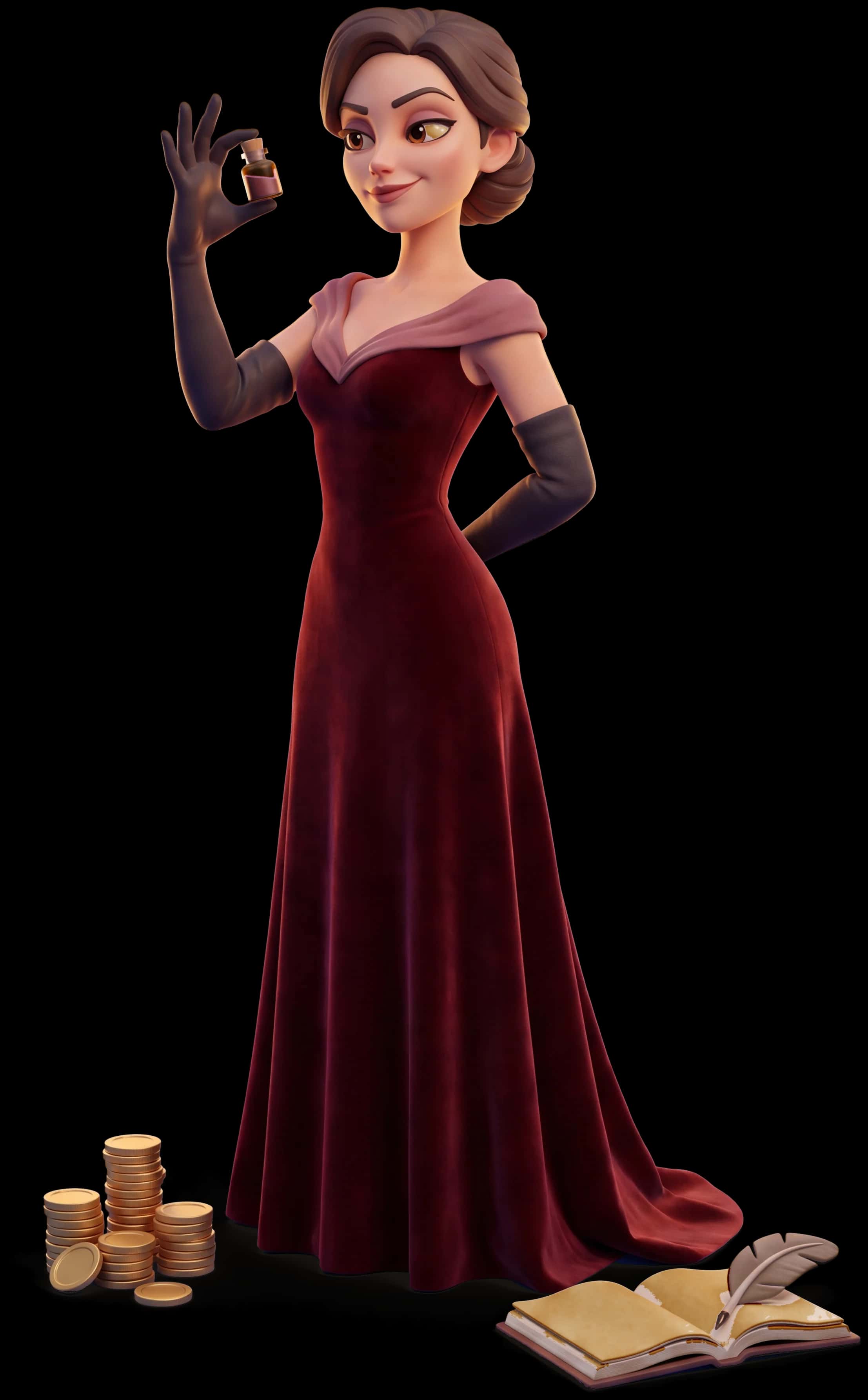

How the two alignment axes work
The law–chaos axis concerns order and autonomy. Lawful emphasizes codes, duties or organized structures. Chaotic emphasizes independent judgment and freedom. Neutral can be flexible about both. This axis alone tells you little about whether a character treats others well.
The good–evil axis concerns treatment of others. Good emphasizes helping and protecting; evil allows exploitation or harm; neutral sits between those commitments. Ordinary self-care is not enough to establish an evil alignment, and agreement with authority is not enough to establish a good one.
Read the axes separately before combining them. Lawful good and lawful evil share an emphasis on order but differ in whose welfare that order protects. Chaotic good may reject a rule for the sake of protecting someone.
One situation, three different motives
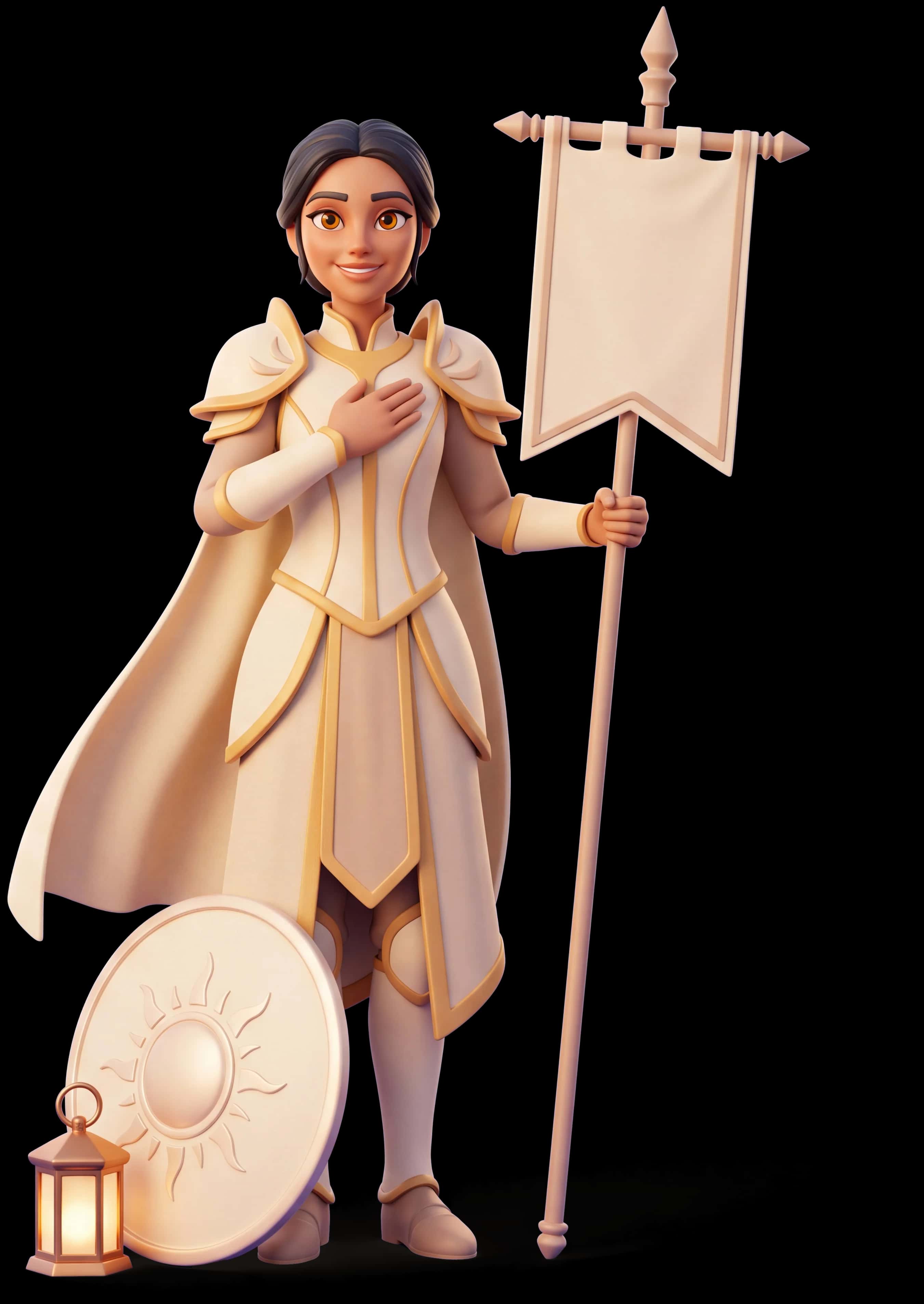
Imagine a fictional town where the gate closes before a stranded family can enter. A lawful good guard might invoke an emergency exception and arrange shelter through the town’s procedures. A chaotic good traveler might quietly open a side entrance because the family’s immediate safety matters more than the restriction. A lawful evil official might exploit the entry rules to demand service in exchange for protection.
The visible action—letting someone through—does not settle the alignment. Ask what the person is trying to achieve, whose interests count and what they would do when the cost increases. This is an illustrative comparison, not a rule that determines every character’s alignment.
For writing or role-playing, choose one recurring motive and one situation that tests it. Then allow the character’s actions to complicate the label. A believable exception is often more useful than forcing every decision to fit a chart cell.
All 9 moral alignments explained
Lawful GoodThe Guardian
Lawful Good describes care for others combined with commitment to fair rules or a personal code in the alignment framework.
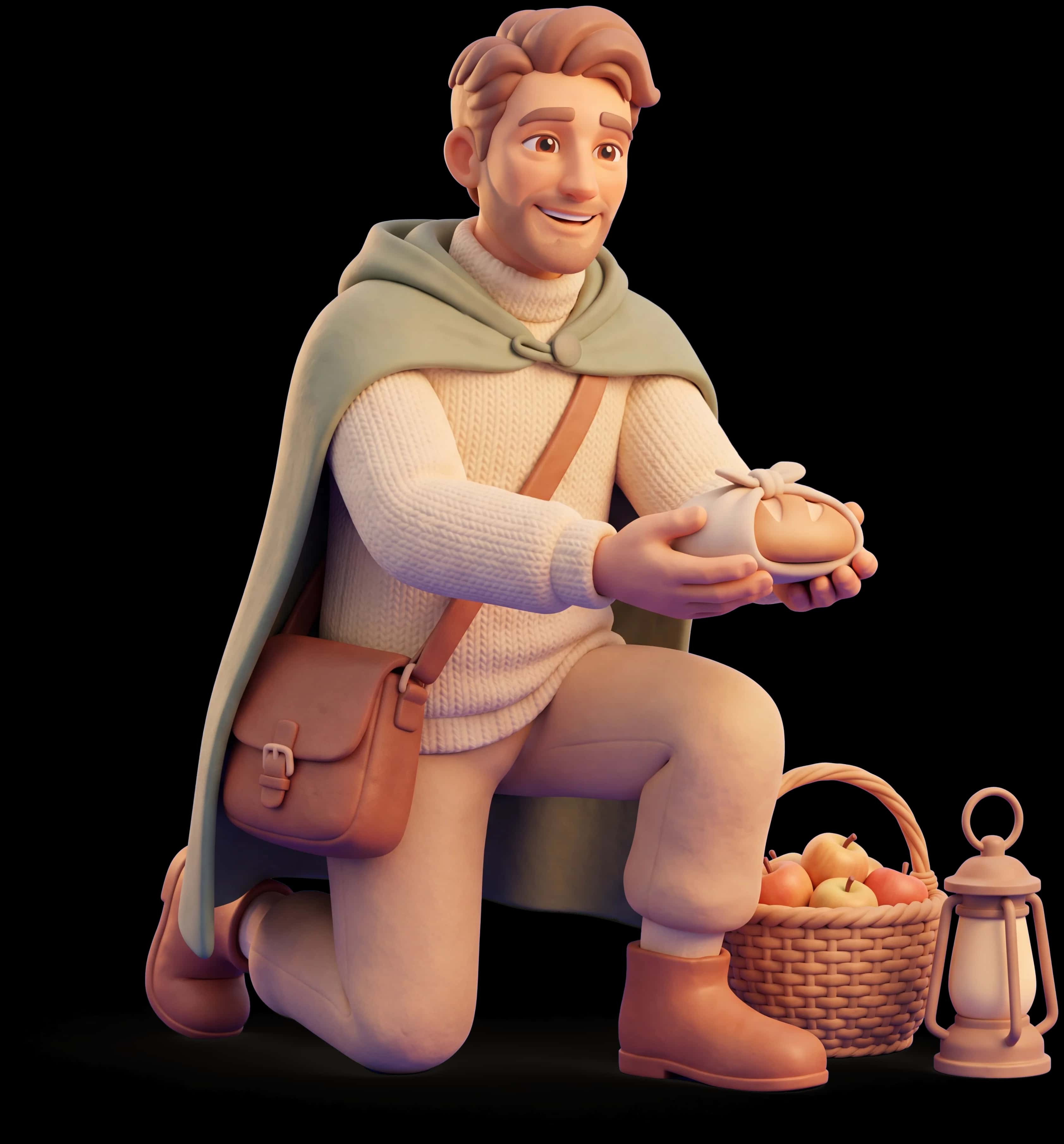
Read about Lawful GoodNeutral GoodThe Helper
Neutral Good describes helping others without a strong attachment to either rules or rebellion in the alignment framework.
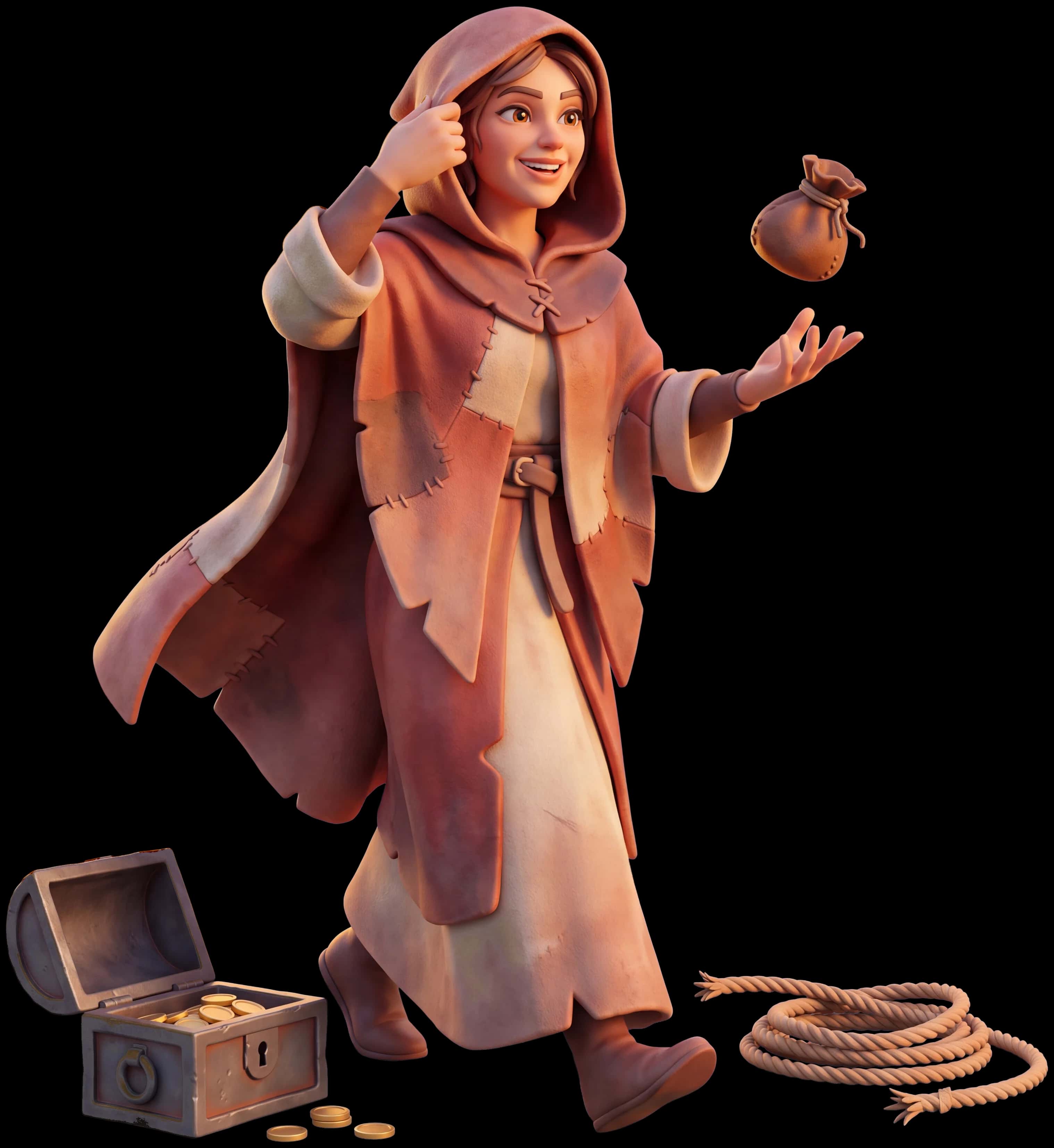
Read about Neutral GoodChaotic GoodThe Free Spirit
Chaotic Good describes a wish to help others combined with a strong preference for freedom and personal conscience in the alignment framework.
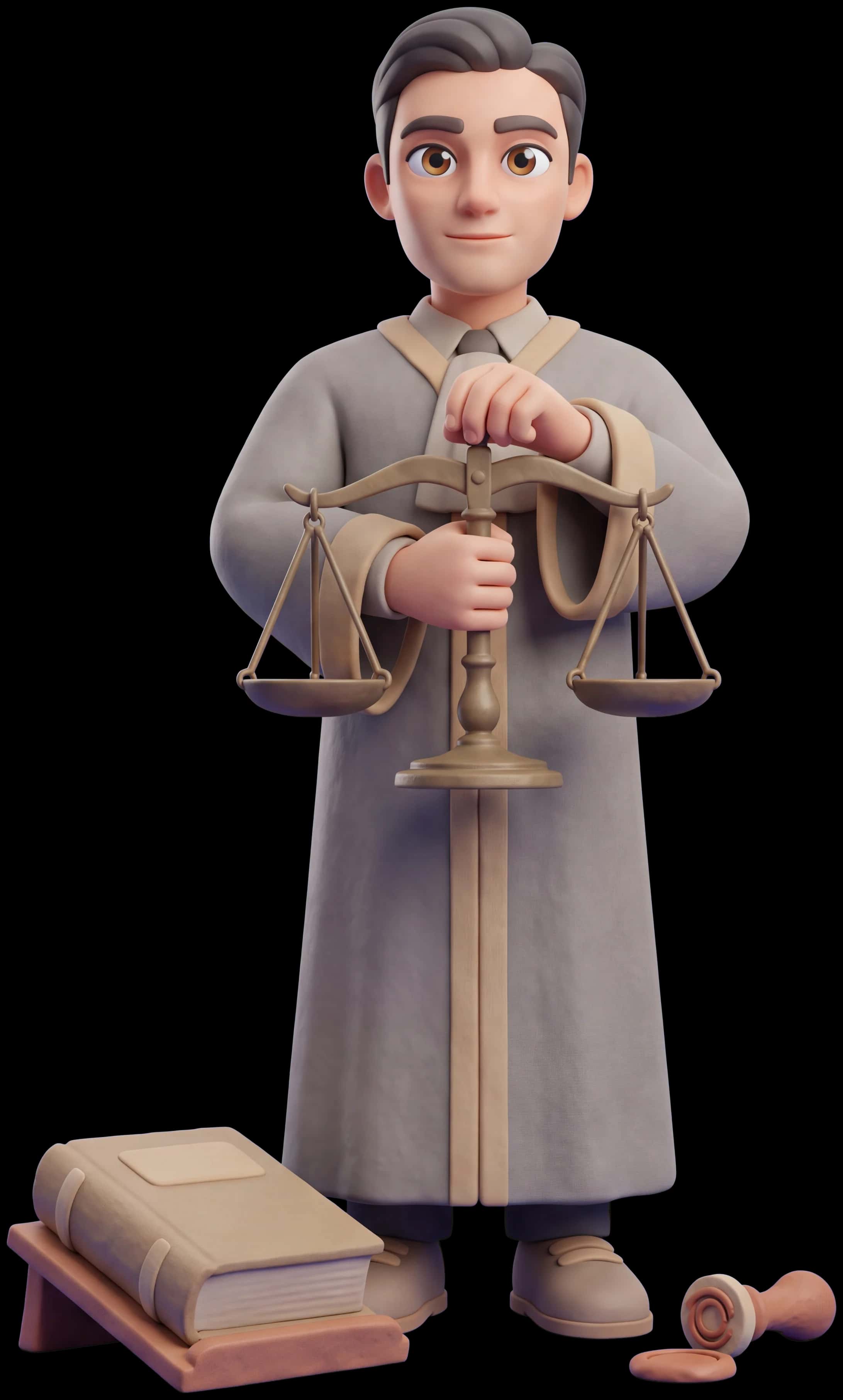
Read about Chaotic GoodLawful NeutralThe Judge
Lawful Neutral describes commitment to order, tradition or a personal code without a consistent priority of altruism or exploitation in the alignment framework.
Read about Lawful NeutralTrue NeutralThe Balance Keeper
True Neutral describes a position without a strong commitment to either moral extreme or either approach to order in the alignment framework.
Read about True NeutralChaotic NeutralThe Wildcard
Chaotic Neutral describes personal freedom and self-direction without a sustained commitment to helping or harming others in the alignment framework.
Read about Chaotic NeutralLawful EvilThe Tyrant
Lawful Evil describes pursuing power or advantage at others’ expense through hierarchy, order or a personal code in the alignment framework.
Read about Lawful EvilNeutral EvilThe Opportunist
Neutral Evil describes pursuing personal aims with little concern for the harm caused and no fixed loyalty to order or disorder in the alignment framework.
Read about Neutral EvilChaotic EvilThe Destroyer
Chaotic Evil describes harmful impulses or aims combined with rejection of restraint and imposed order in the alignment framework.
Read about Chaotic EvilSources and interpretation
- D&D Beyond Basic Rules: Creating a Character
The Choose an Alignment section defines the nine alignments and their two dimensions. Our gate scenario, portraits and quiz are independent interpretations, not official game material or validated assessments.
Published by Rare Personas. Our explanations and illustrative exercises are interpretations; the references support the specific background described above. Read about our approach and content responsibility. To suggest a correction, send the passage and page URL through our contact page.
Got questions?
What is the moral alignment chart?
It is a three-by-three framework used in Dungeons & Dragons to describe a character’s moral outlook. One axis runs from lawful through neutral to chaotic; the other runs from good through neutral to evil. Combining them gives nine labels.
Is this an official D&D alignment guide?
The nine labels and two-axis framework come from Dungeons & Dragons. Our explanations, illustrated characters, examples and quiz are Rare Personas interpretations. For the game’s definitions, see the official Basic Rules linked in Sources and interpretation.
Which alignment is the rarest?
We do not have representative evidence establishing the rarest alignment in real people or fiction. Quiz participants are a self-selected group, and fictional counts depend on which stories and interpretations you include. We do not infer population rarity from either.
Does lawful mean obeying every law?
No. A lawful outlook can emphasize a personal code, a tradition or an organization. A character may oppose the local government while remaining committed to a different code. Look for a consistent source of obligation, rather than counting legal and illegal acts.
Does chaotic mean random or unreliable?
No. It emphasizes autonomy and freedom from imposed structure. A chaotic character can plan carefully and care deeply about others. The reasons for accepting or resisting a rule matter more than whether a choice looks spontaneous.
Which alignment fits your answers?
Explore the nine descriptions with our quiz. Your leading alignment and short summary are free; the longer report is optional.