
Types of Witches
Witch labels can describe an interest, a place of practice, a way of learning or an ethical approach. This library explores 12 such labels, from green and kitchen witch to solitary and eclectic witch. They are a selected collection, not an exhaustive classification or a set of identities that a quiz can assign.
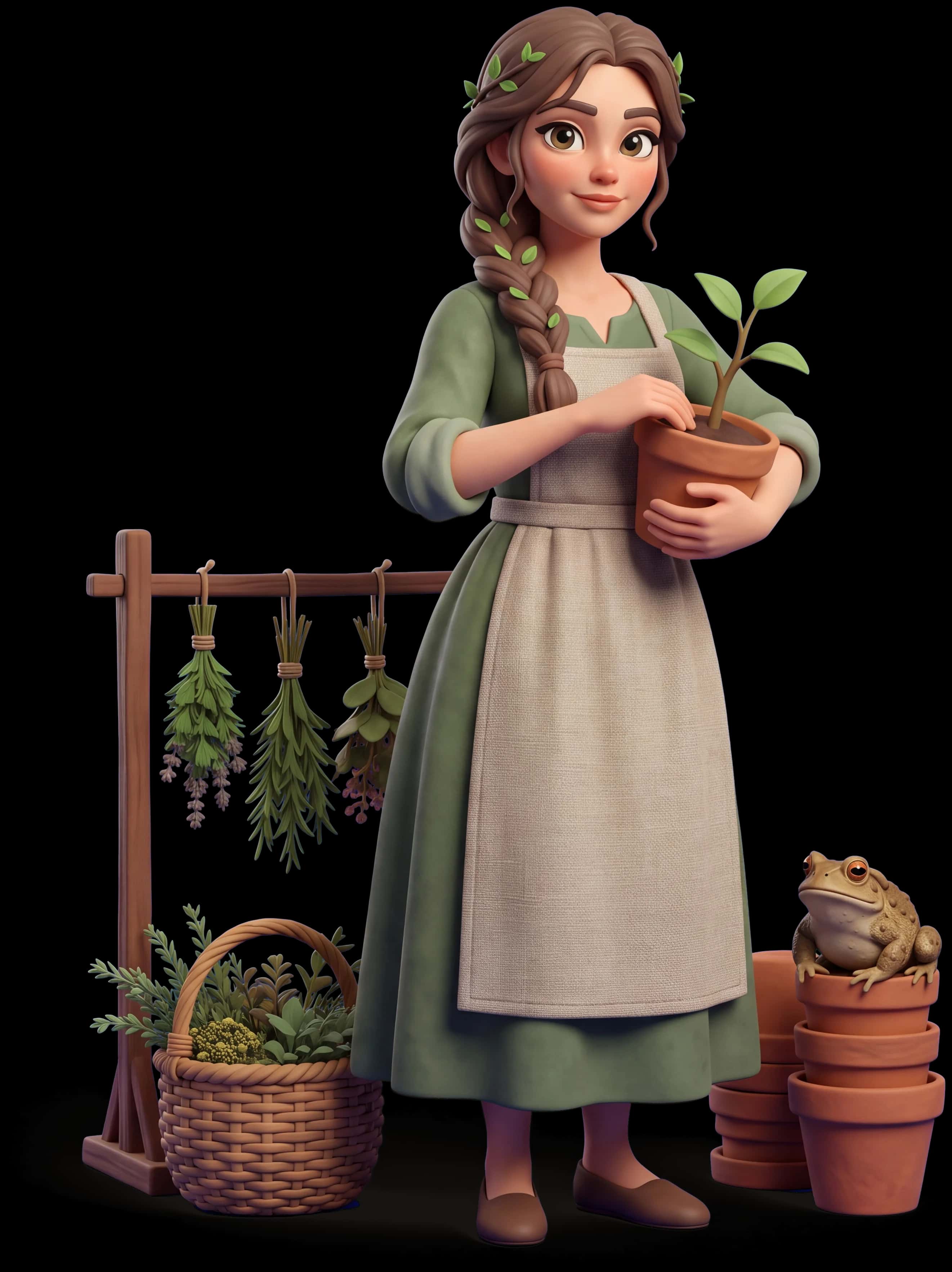
Green Witch
A focus on plants, local nature and seasonal observation. This label describes a possible practice, not a fixed personality or a certification.
Tools and practices
- A notebook
- A plant identification reference
- A pencil or camera
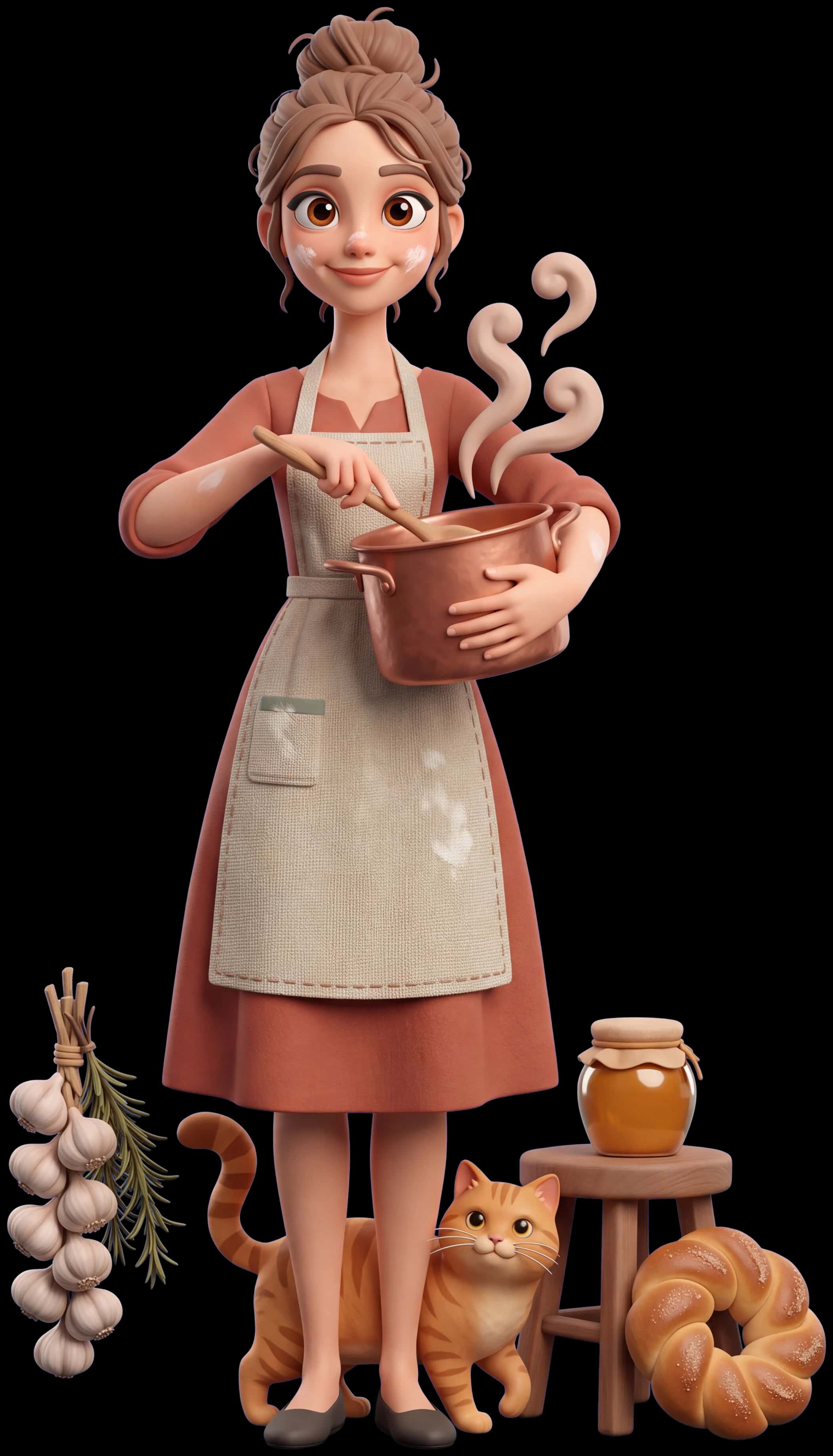
Kitchen Witch
A focus on cooking, household routines and the meaning of everyday care. This label describes a possible practice, not a fixed personality or a certification.
Tools and practices
- Ordinary cooking utensils
- A recipe notebook
- Ingredients appropriate for the people eating
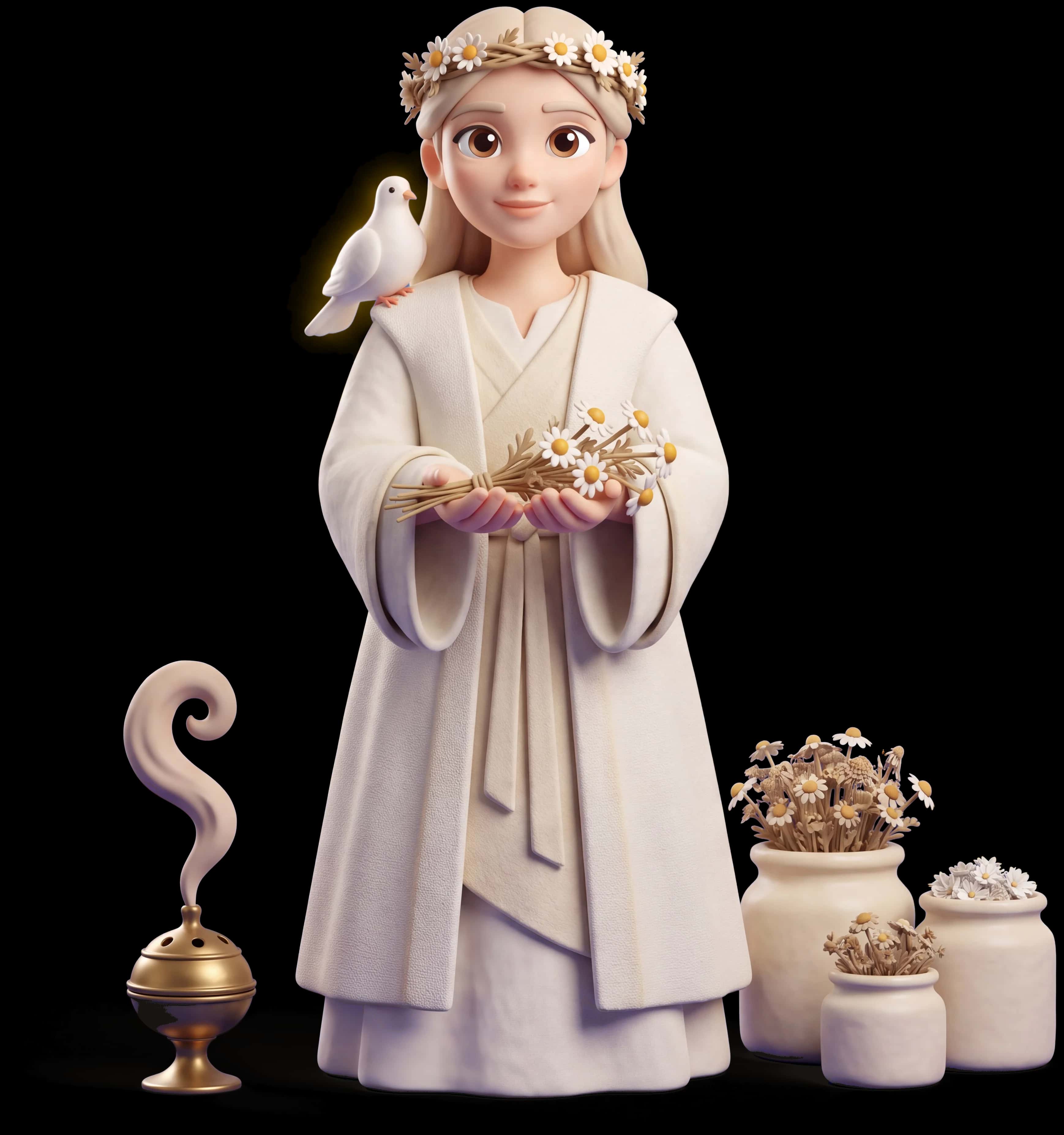
White Witch
A focus on benevolent intentions, blessing and symbolic protection. This label describes a possible practice, not a fixed personality or a certification.
Tools and practices
- A written intention
- An ordinary symbolic object
- A practical offer of help
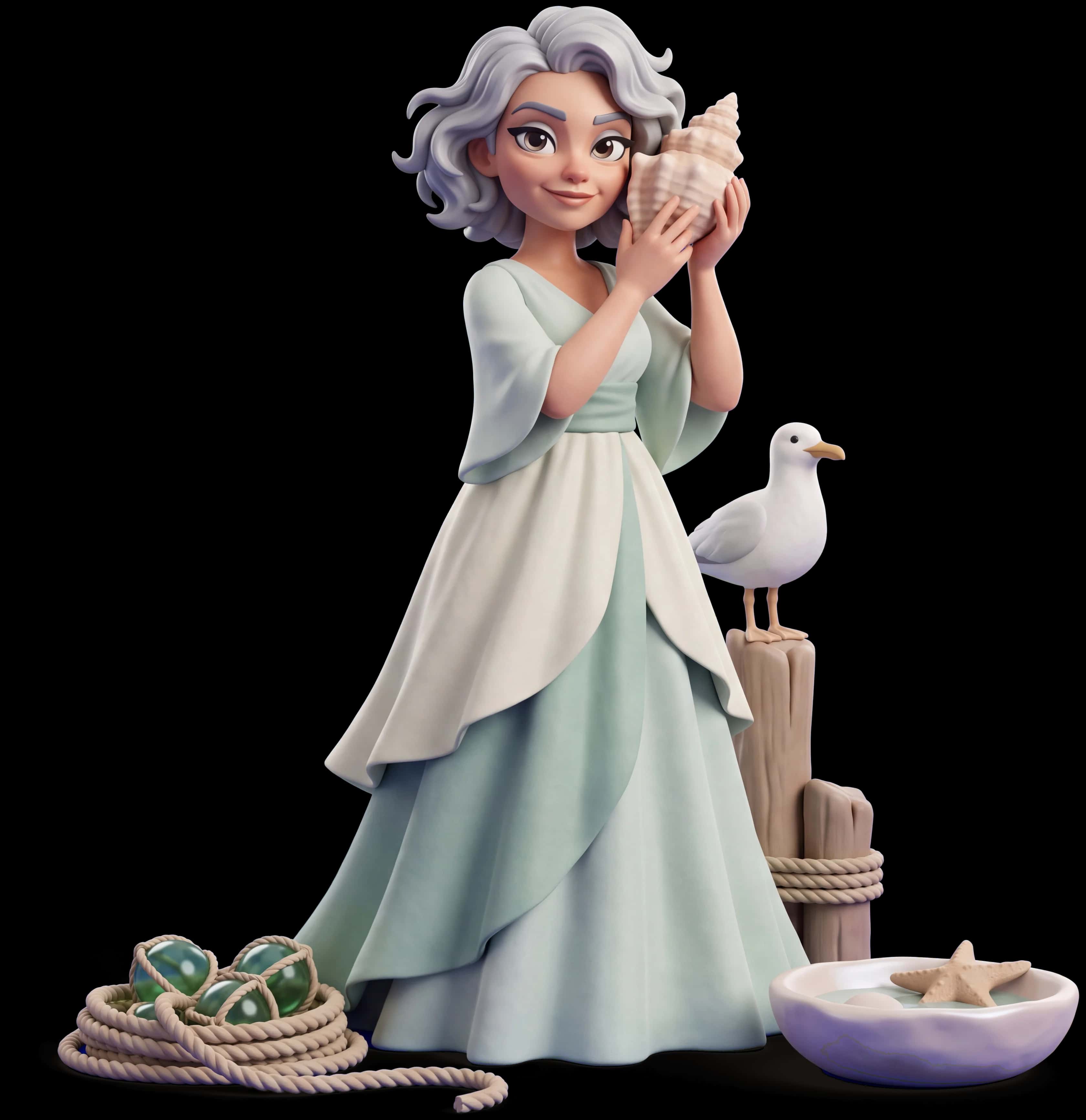
Sea Witch
A focus on the sea, shorelines and water as sources of ritual imagery. This label describes a possible practice, not a fixed personality or a certification.
Tools and practices
- A coastal reference
- Local tide information
- A notebook
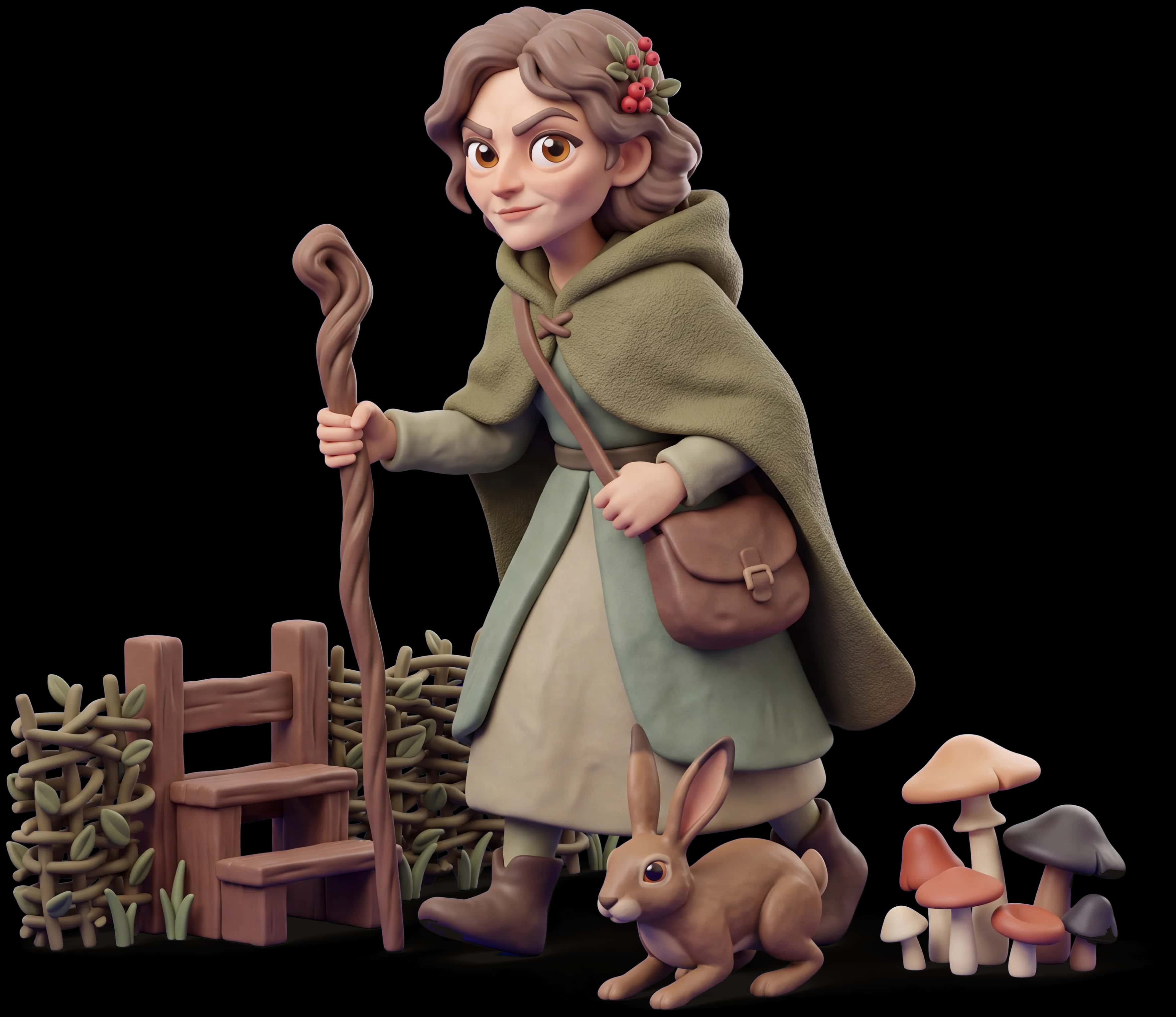
Hedge Witch
A focus on threshold imagery, solitary reflection and personal accounts of dreams or ritual. This label describes a possible practice, not a fixed personality or a certification.
Tools and practices
- A dream notebook
- A pencil
- A quiet place
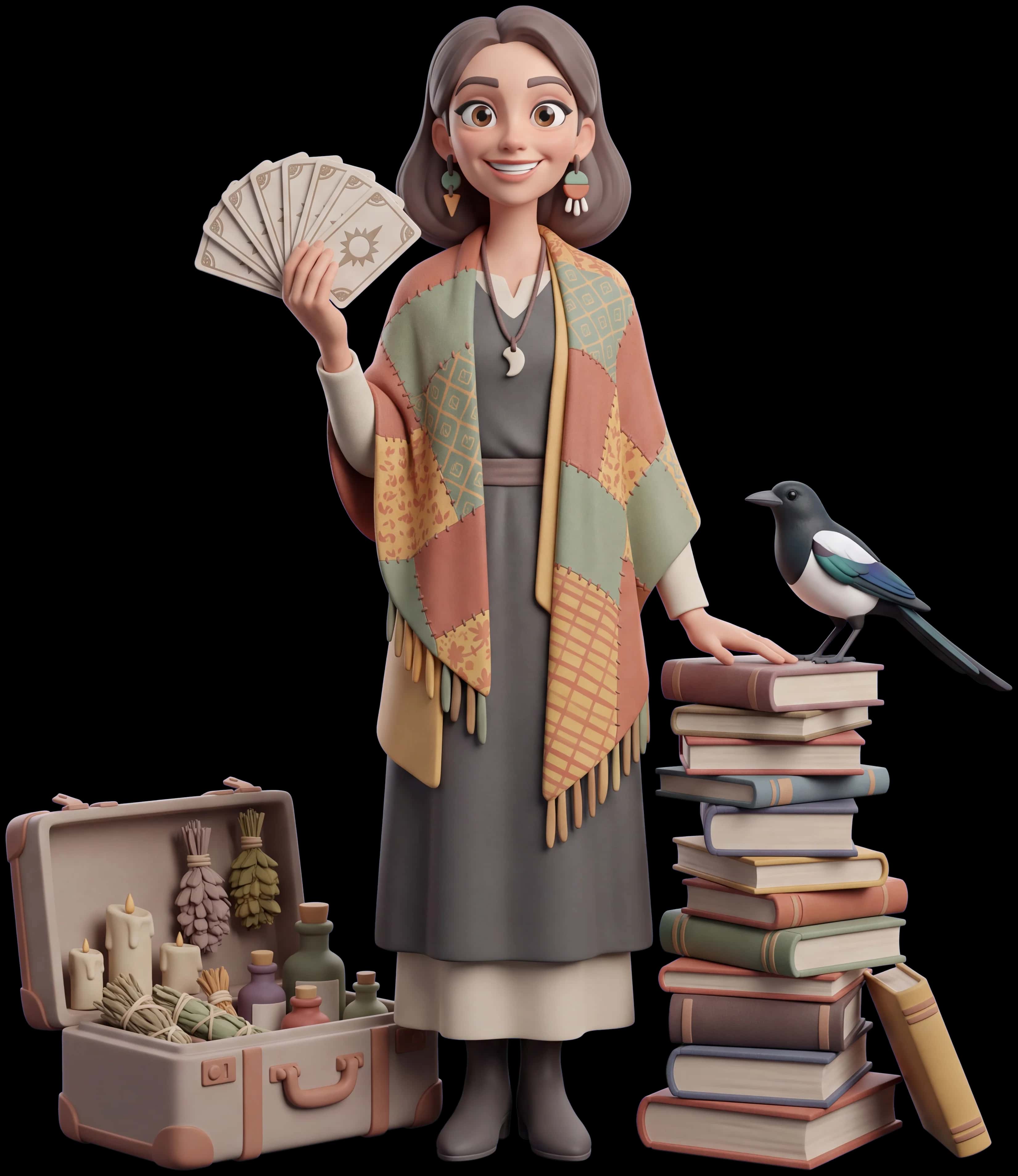
Eclectic Witch
A focus on a personal practice assembled from more than one source. This label describes a possible practice, not a fixed personality or a certification.
Tools and practices
- A source notebook
- Library access
- A practice journal
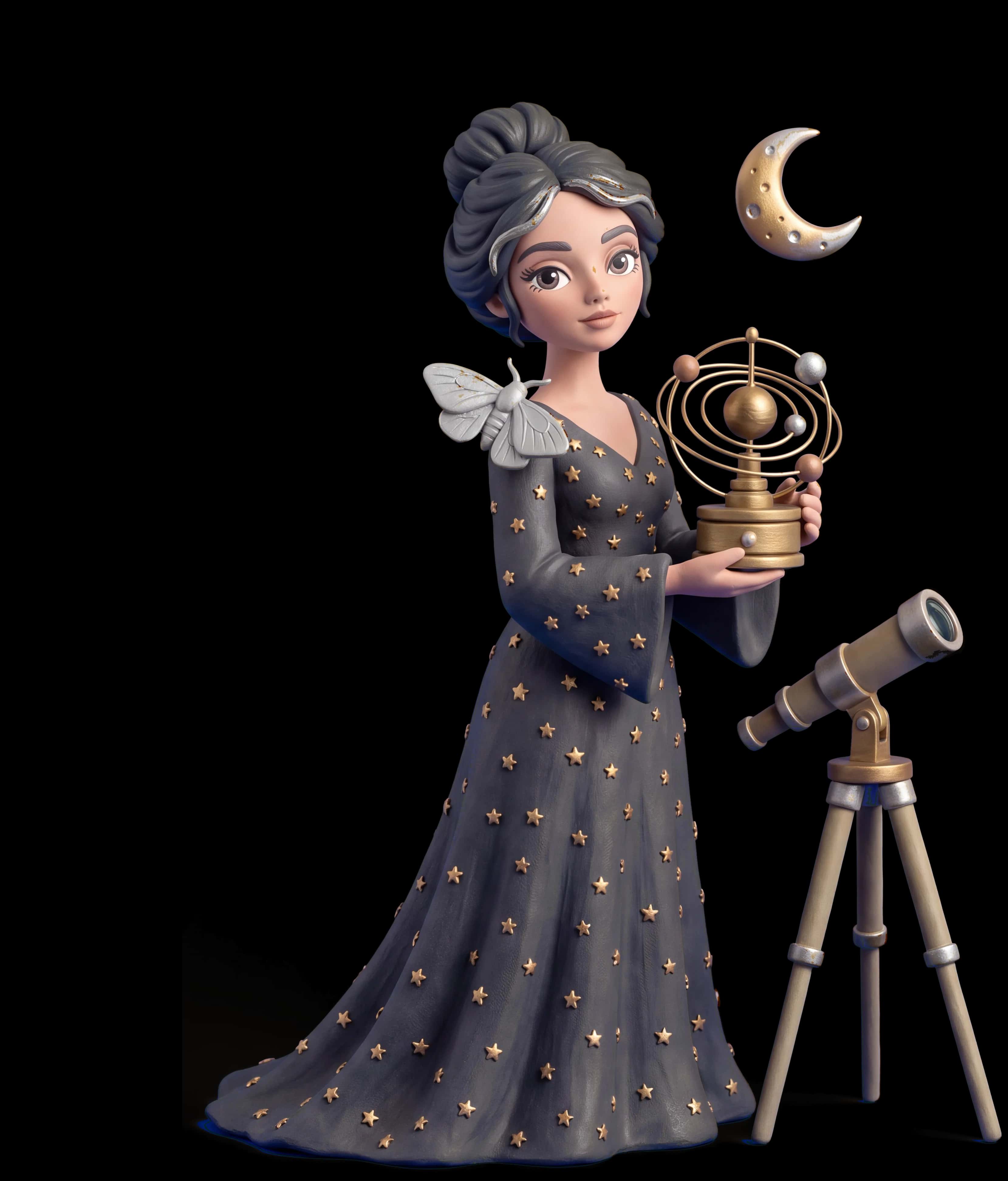
Cosmic Witch
A focus on celestial imagery, astrology and personally chosen ritual timing. This label describes a possible practice, not a fixed personality or a certification.
Tools and practices
- An astronomy reference
- A calendar
- A notebook
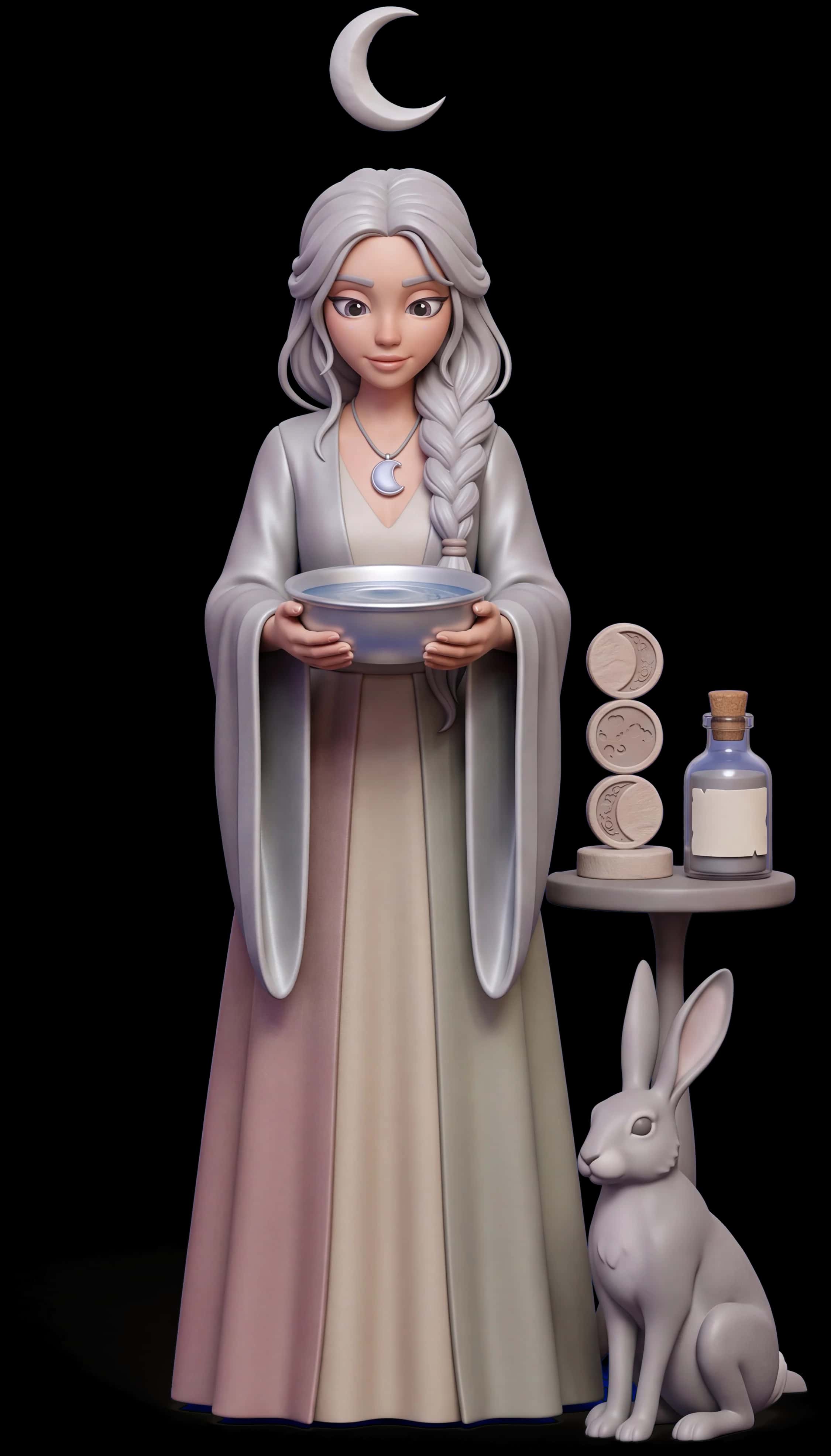
Lunar Witch
A focus on the Moon and its phases as a recurring ritual calendar. This label describes a possible practice, not a fixed personality or a certification.
Tools and practices
- A Moon phase calendar
- A notebook
- A pencil

Crystal Witch
A focus on stones and minerals used as ritual objects and symbols. This label describes a possible practice, not a fixed personality or a certification.
Tools and practices
- An ordinary stone or drawing
- A mineral reference
- A label
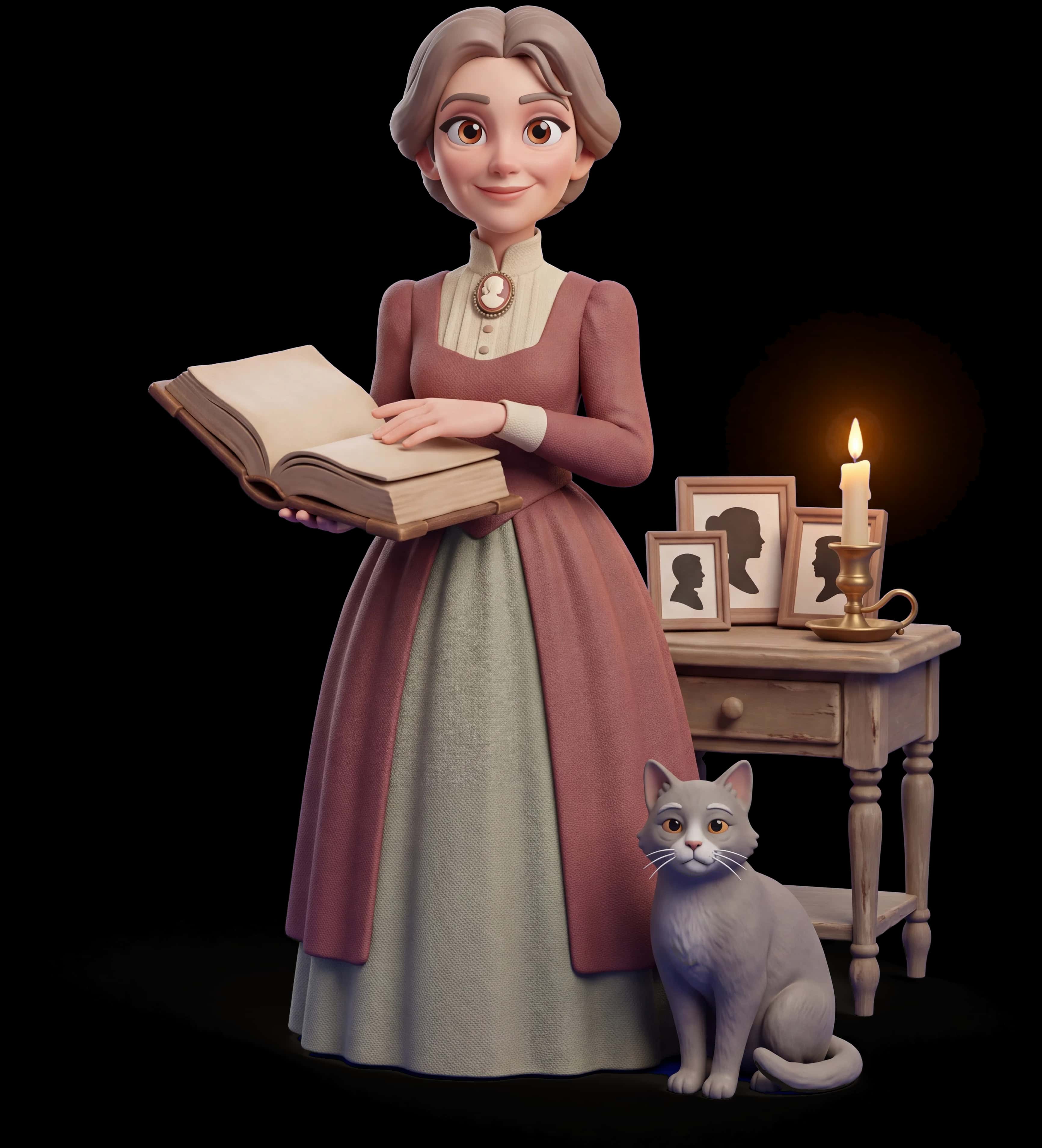
Hereditary Witch
A focus on practices and stories learned through a family connection. This label describes a possible practice, not a fixed personality or a certification.
Tools and practices
- A notebook or recorder used with permission
- Family photographs
- A source list
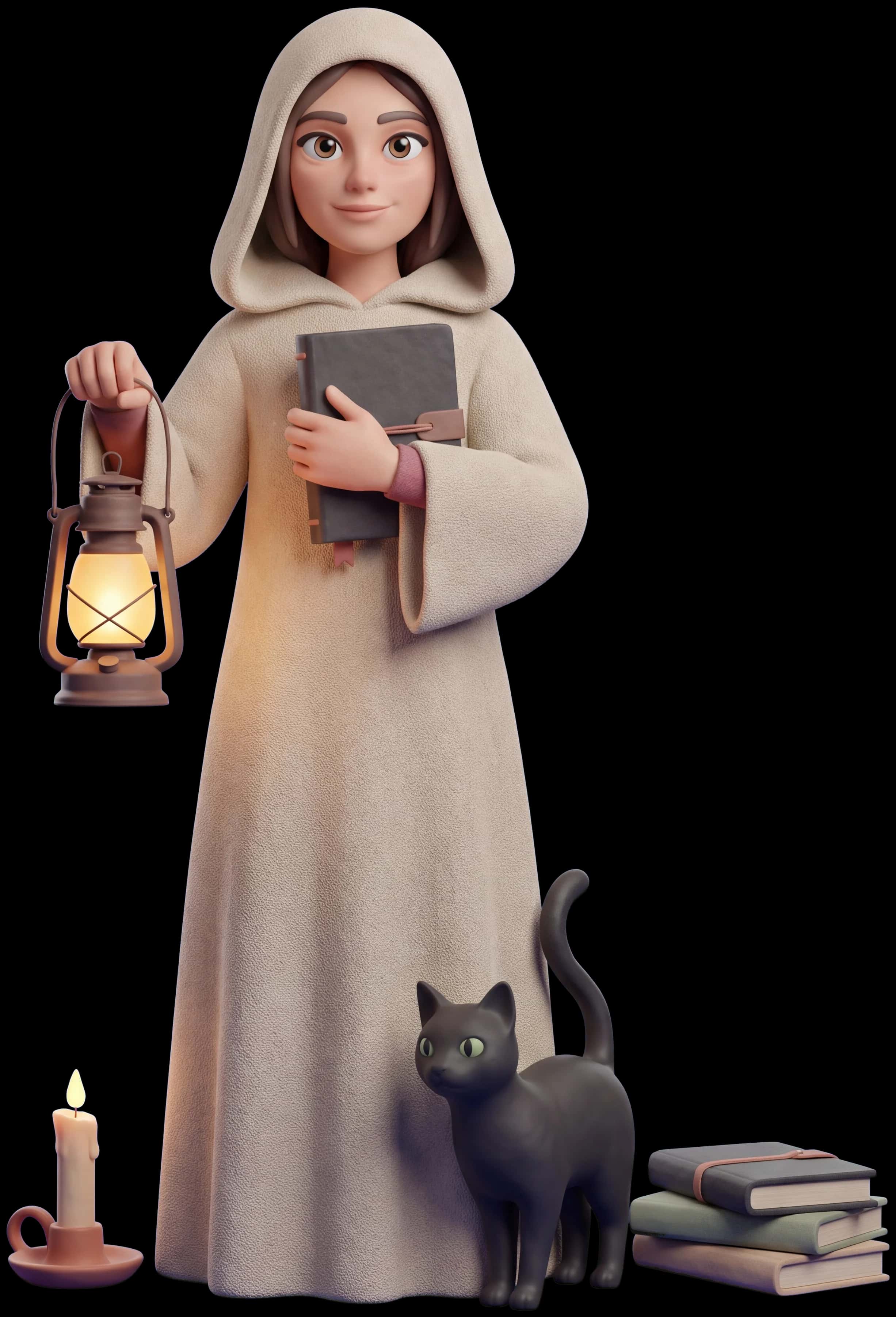
Solitary Witch
A focus on a practice carried out mainly alone and organized independently. This label describes a possible practice, not a fixed personality or a certification.
Tools and practices
- A notebook
- Books by identified authors
- A simple calendar
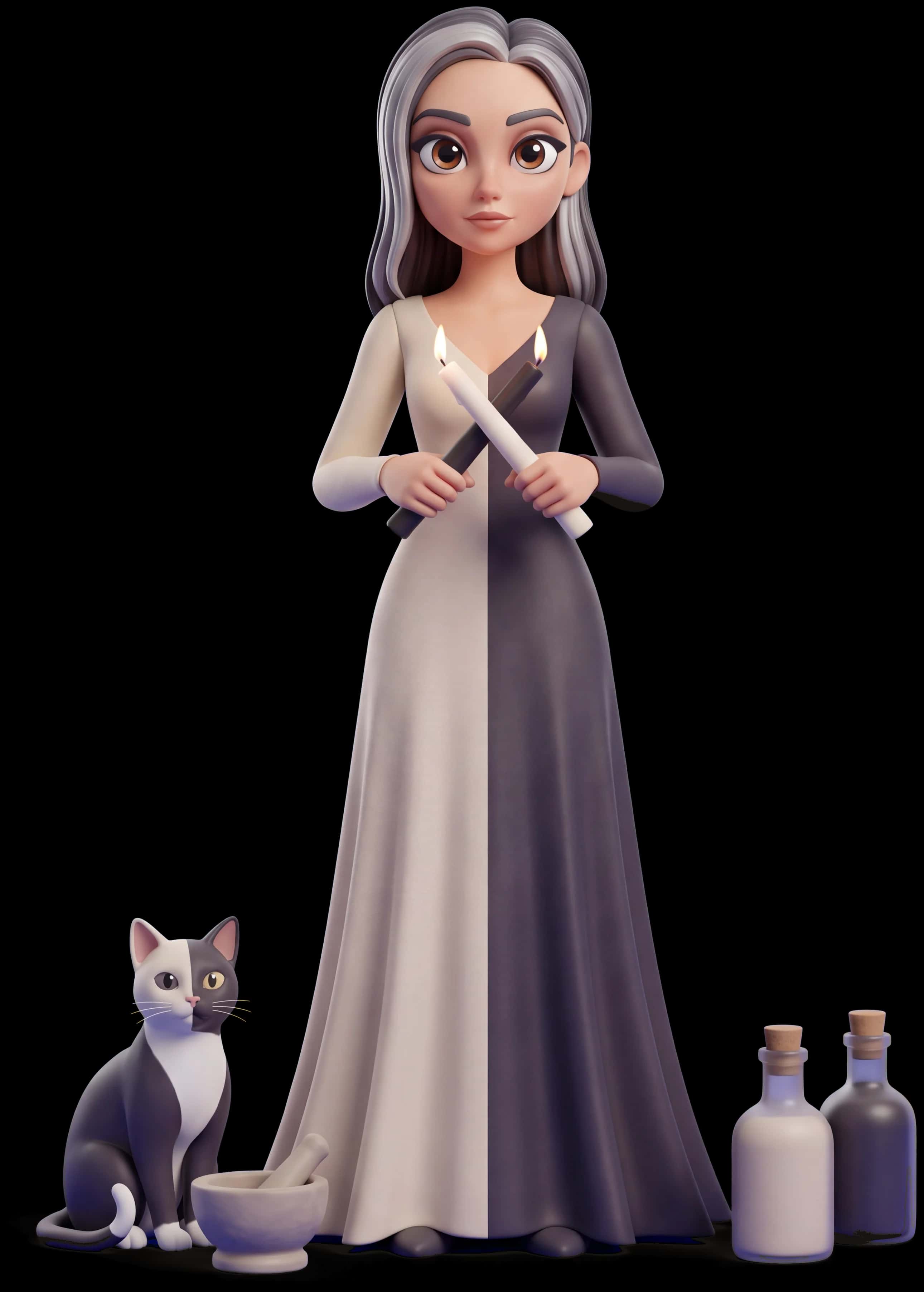
Gray Witch
A focus on ethical ambiguity, protective intentions and reflection on consequences. This label describes a possible practice, not a fixed personality or a certification.
Tools and practices
- A private journal
- A values checklist
- A plain-language description of the outcome
Compare what each witch label describes
Green, kitchen, sea and crystal describe a focus or material: plants, home life, coastal settings or stones. In our guides, these are subjects for attention and symbolic practice; owning a plant or crystal does not determine an identity.
Lunar emphasizes the Moon’s cycle, while cosmic takes a broader interest in celestial symbolism. Hedge emphasizes inward reflection and threshold imagery in this collection. Observations, personal meanings and spiritual beliefs should be distinguished from one another.
Solitary describes practicing alone. Hereditary describes learning through family, while eclectic describes drawing on more than one source. These labels answer different questions from “What materials interest me?”
White and gray concern ethical intentions in our descriptions. A label cannot establish that a choice is harmless; consequences and other people’s consent still matter. Their meanings also vary between writers.
Green or kitchen witch: a practical comparison
Imagine growing basil on a windowsill and using it in a meal. A green-focused approach might center on observing growth, soil and seasonal changes. A kitchen-focused approach might center on preparing the meal and choosing a small ritual of hospitality. The same activity supports both readings; the distinction is where you place your attention.
Try writing two sentences afterward: what did I notice about the plant, and what did making the meal mean to me? Use the answer to choose which guide to read next. This exercise is an original reflection prompt, not evidence that cooking or gardening has a supernatural effect.
Choose a starting point without choosing a permanent identity
Begin with a subject you are curious about and read its guide alongside a neighboring path. Keep notes on what appeals to you, what you disagree with and where an author’s claims need more evidence. You can appreciate an image or ritual without adopting every belief associated with it.
When learning from a named tradition, use sources from that community and check how its practices are taught. Our broad labels and fictional illustrations cannot establish a direct historical lineage or permission to represent a community.
Sources and interpretation
- Arin Murphy-Hiscock: Books
A contemporary practitioner’s bibliography includes The Green Witch, The House Witch and The Solitary Witch. These are examples of distinct publishing approaches to practice, not a source for an official twelve-type taxonomy or proof of supernatural effects.
Published by Rare Personas. Our explanations and illustrative exercises are interpretations; the references support the specific background described above. Read about our approach and content responsibility. To suggest a correction, send the passage and page URL through our contact page.
Got questions?
How many types of witches are there?
There is no single exhaustive list used across all witchcraft traditions. Our library covers 12 labels to help readers compare interests and approaches. Other writers and communities use additional labels or define these differently.
Can you be more than one type of witch?
Yes. These labels describe different aspects of practice and can overlap. Someone could focus on plants, practice alone and learn some customs from family. In this library those aspects correspond to green, solitary and hereditary themes; they are not competing categories.
Do you have to follow a religion to explore these paths?
These guides do not require a religious commitment. A person may approach a practice spiritually, religiously or as a symbolic personal ritual. A broad witch label does not tell you someone’s religion, beliefs or membership in a specific tradition.
Can a quiz tell me I am a hereditary witch?
No. Our quiz can reflect an interest in family customs, but it cannot establish ancestry or inherited practice. Use family accounts and documented history to investigate those questions, with room for uncertainty.
Do I need to buy tools before choosing a path?
No. Begin by reading, keeping notes or observing something you already have access to. The tools on our cards are examples associated with each description, not a shopping list or a requirement for belonging.
Which witch path interests you?
Explore how your interests match these 12 descriptions. Your leading path and short summary are free; the longer report is optional.