
Sea Witch
A sea witch centers a spiritual or symbolic practice on the ocean and its imagery.
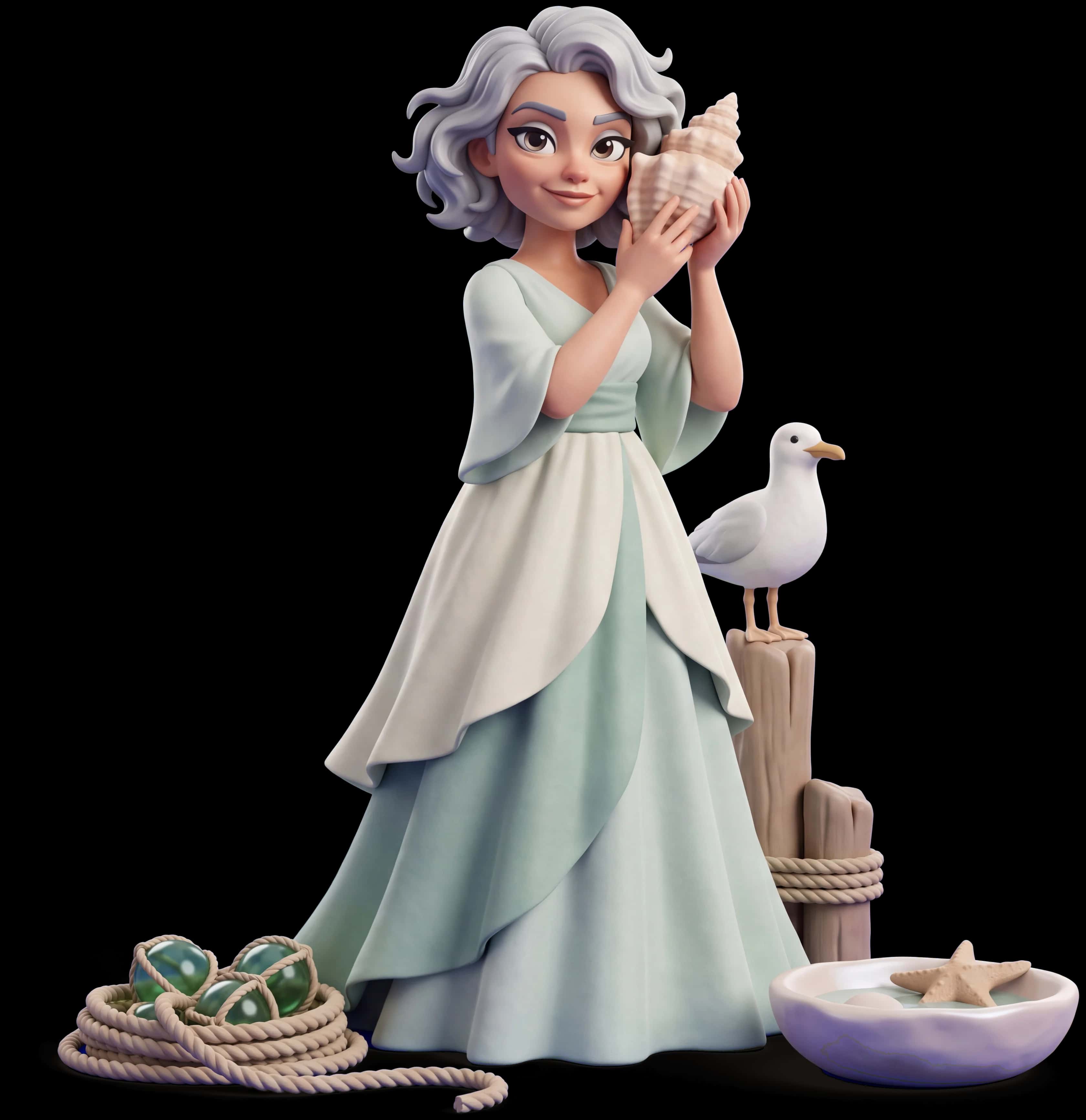
What is a sea witch?
A sea witch centers a spiritual or symbolic practice on the ocean and its imagery. Water, tides and the shoreline may shape the practice, but using those symbols does not establish an ability to control weather or predict events.
Living beside the sea is not a requirement for exploring its imagery. Learning about a particular coastline, keeping photographs or studying tides can be meaningful inland too. Practical information about sea conditions should come from local authorities, not a ritual calendar.
What a sea witch practices
Observe a shoreline
Record changes from a safe public viewpoint. Leave living things and protected objects where they are; photographs and sketches can preserve the observation.
Study the local tide
Compare a published tide table with what you observe. Keep the physical observation separate from any personal meaning you attach to rising or falling water.
Use water as a symbol
A drawing or a small bowl of ordinary water can mark a reflection on change. There is no need to enter rough water or leave offerings on a beach.
The sea witch's toolkit
- A coastal reference
- Local tide information
- A notebook
- Photographs or drawings
Questions for exploring this path
- Are you interested in the sea, shorelines and water as sources of ritual imagery?
- Which practice would you choose because it is meaningful to you, rather than because a quiz named it?
- What would you notice if a different interpretation of the same situation were true?
A simple way to explore this path
Looking at a coastline photograph, you write about something you are willing to let change and something you want to maintain.
The image supplies a prompt. It does not decide what you should release, and the practical choice still needs your judgment.
What real action would support the change you have named?
Illustrative figures in stories and history
These figures are illustrative comparisons from fiction, mythology or documented history. Most were not described using these modern path labels in their original sources; similarities do not establish a lineage or prove magical abilities.
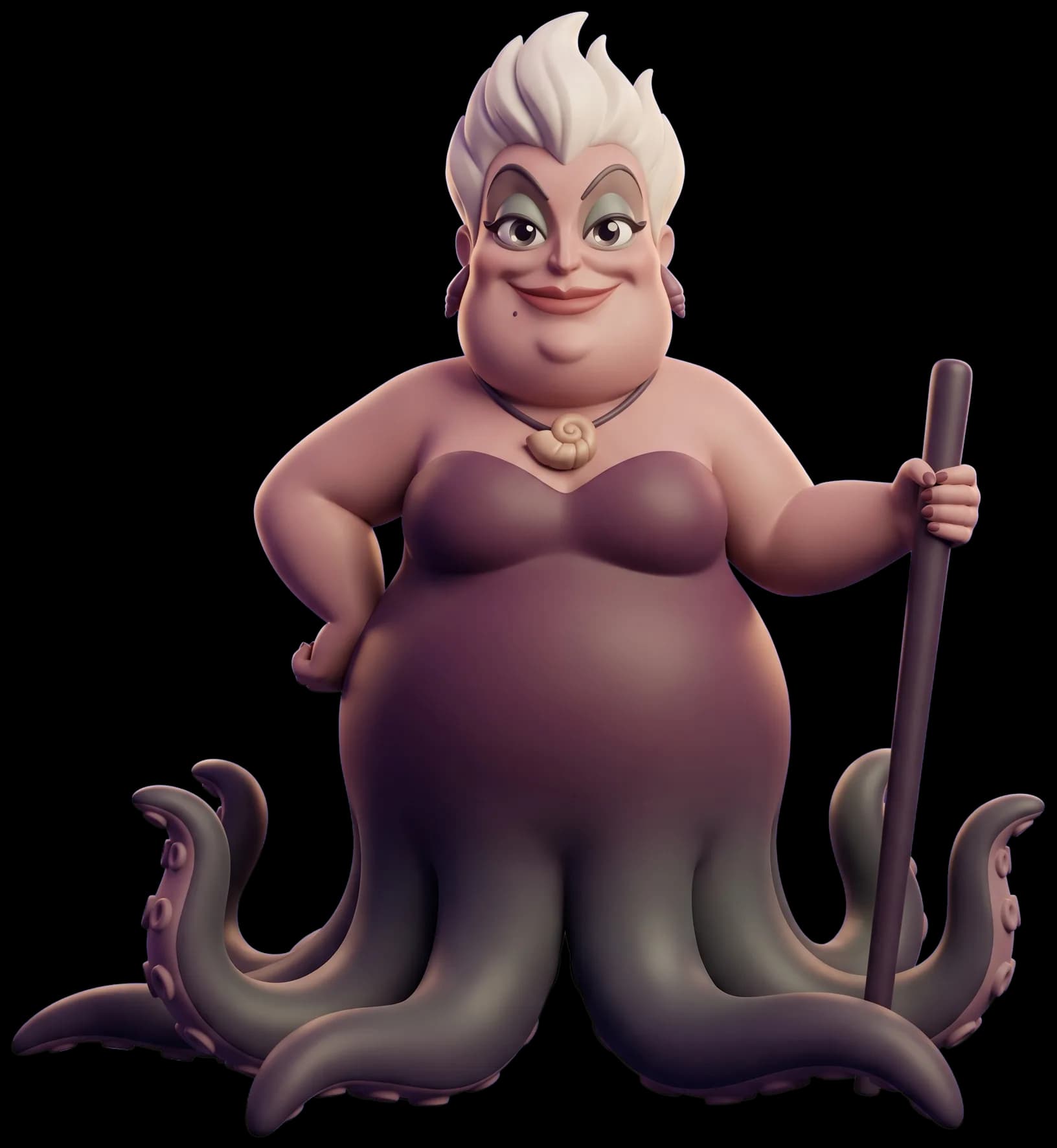
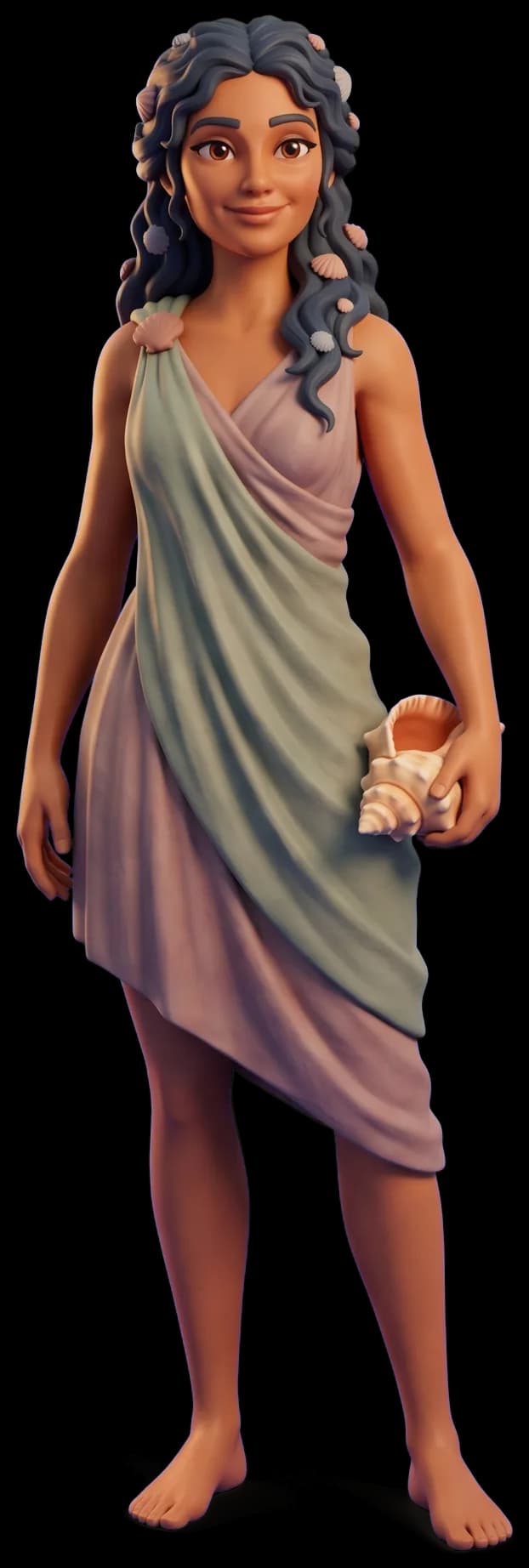

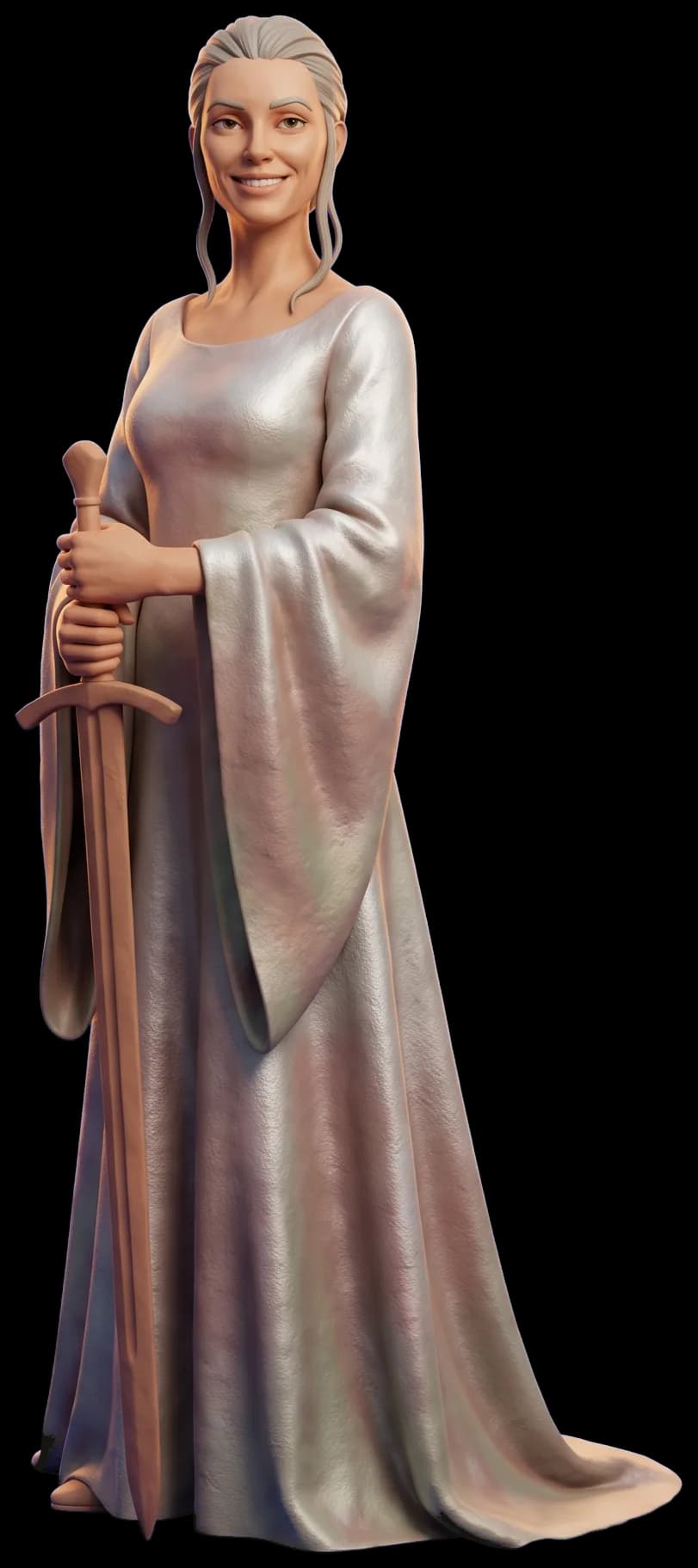
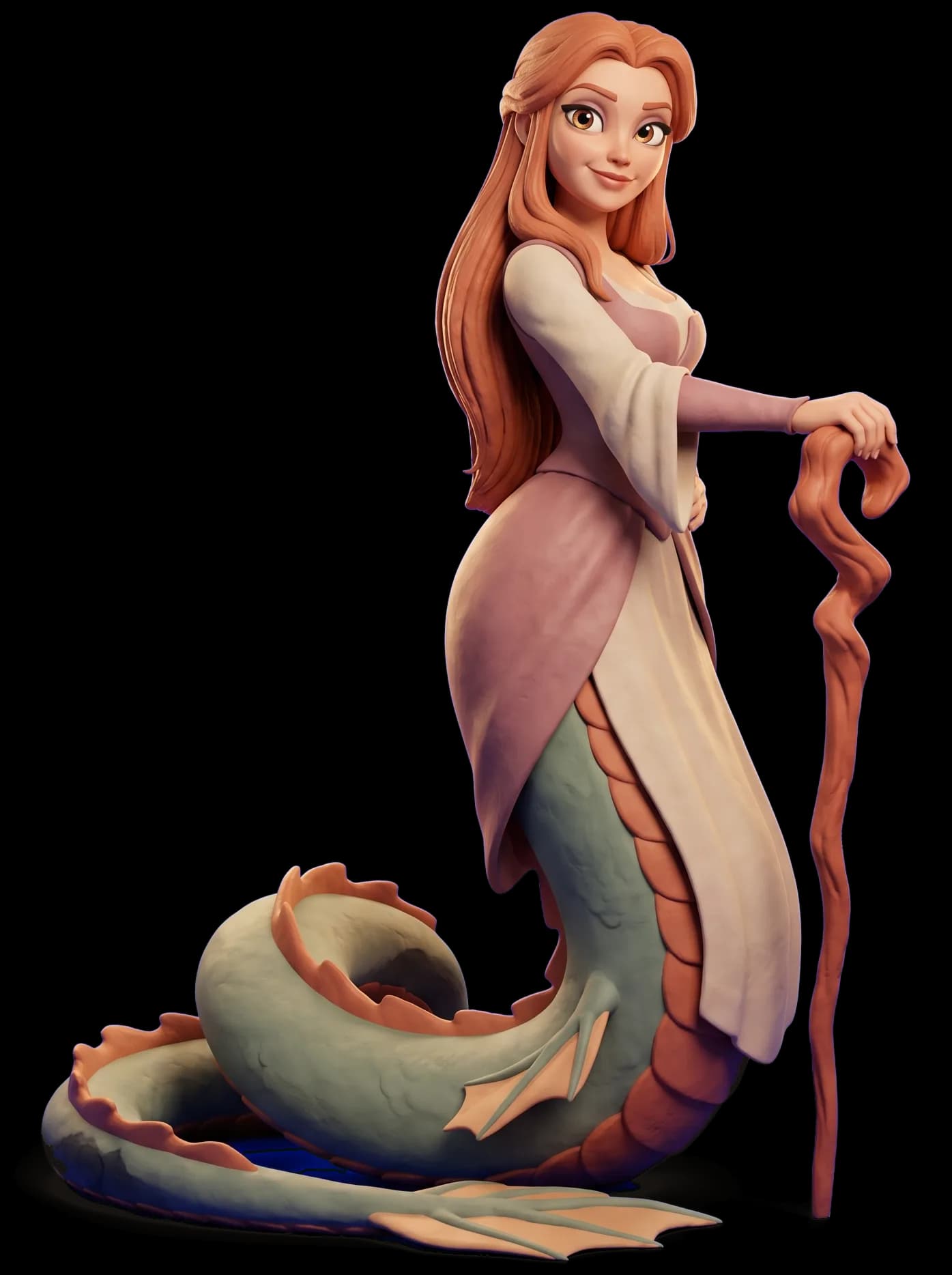
Ursula: The sea witch in Disney’s The Little Mermaid illustrates ocean magic in fiction. She should not be conflated with every detail of Andersen’s original tale.
Calypso: An island-associated figure in Greek myth used here as an oceanic comparison, not as the founder of a sea-witch tradition.
Tia Dalma: Pirates of the Caribbean links her story with supernatural ocean imagery. That fictional setting supplies the context for this comparison.
The Lady of the Lake: An Arthurian water figure whose actions vary across retellings. Freshwater imagery is related to, but not identical with, an ocean-focused practice.
Melusine: A water-associated figure in European folklore. The comparison concerns the imagery of the stories rather than an established modern path.

Sea Witch vs. Lunar Witch
Our Sea Witch guide focuses on the sea, shorelines and water as sources of ritual imagery; the Lunar Witch guide focuses on the Moon and its phases as a recurring ritual calendar. The labels describe different interests or ways of practicing, so one person may use both. They are not exclusive personality types. Read about the Lunar Witch
Sea Witch vs. Cosmic Witch
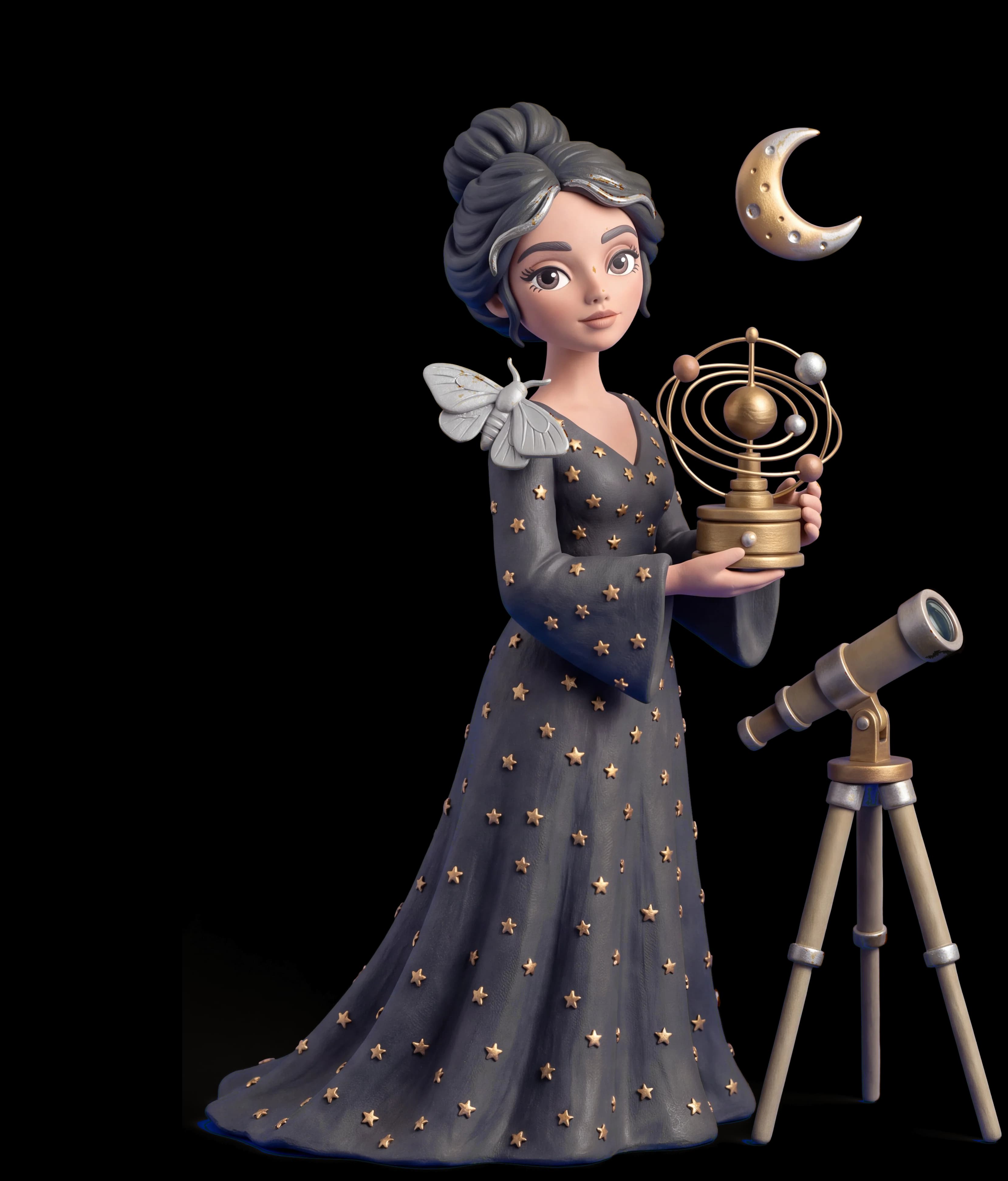
Our Sea Witch guide focuses on the sea, shorelines and water as sources of ritual imagery; the Cosmic Witch guide focuses on celestial imagery, astrology and personally chosen ritual timing. The labels describe different interests or ways of practicing, so one person may use both. They are not exclusive personality types. Read about the Cosmic Witch
Got questions?
Can you be a sea witch if you live inland?
Yes, if the label describes your chosen focus. Books, photographs and water imagery can support a symbolic practice without a coastal address.
Can sea witchcraft control the weather?
This guide does not provide evidence for that claim. Treat weather rituals as expressions of belief and use reliable forecasts for practical decisions.
Do you need shells, salt water or beach offerings?
No. A drawing or an object already in your home can serve a symbolic purpose. A practice does not require collecting from a shoreline or leaving material in the environment.
Sources and interpretation
- Arin Murphy-Hiscock: books and approaches to practice
A contemporary practitioner’s books provide examples of nature, household and solitary practice. They are background reading, not the source of a universally agreed twelve-path system.
- NASA: Moon phases
Astronomical background for the Moon’s changing appearance. It does not support astrological predictions or claims about ritual effects.
Published by Rare Personas. Our explanations and illustrative exercises are interpretations; the references support the specific background described above. Read about our approach and content responsibility. To suggest a correction, send the passage and page URL through our contact page.
Is the Sea Witch your path?
Explore your interests with the witch quiz. Your leading match and a short description are free; the full report is optional and paid.