
The 12 Female Archetypes
Female archetypes are symbolic patterns used to explore motivations, relationships and roles in stories and everyday life. This guide presents the 12 used by Rare Personas, with examples of each pattern's strengths and possible blind spots. You may recognize several, or find that none describes you particularly well.
This is our interpretive collection, not an official list of twelve female personality types created by Carl Jung. Labels such as Mother or Maiden describe themes, not your age, family status or a role you should adopt. For other ways to explore these themes, see the archetype library.
The 12 female archetypes
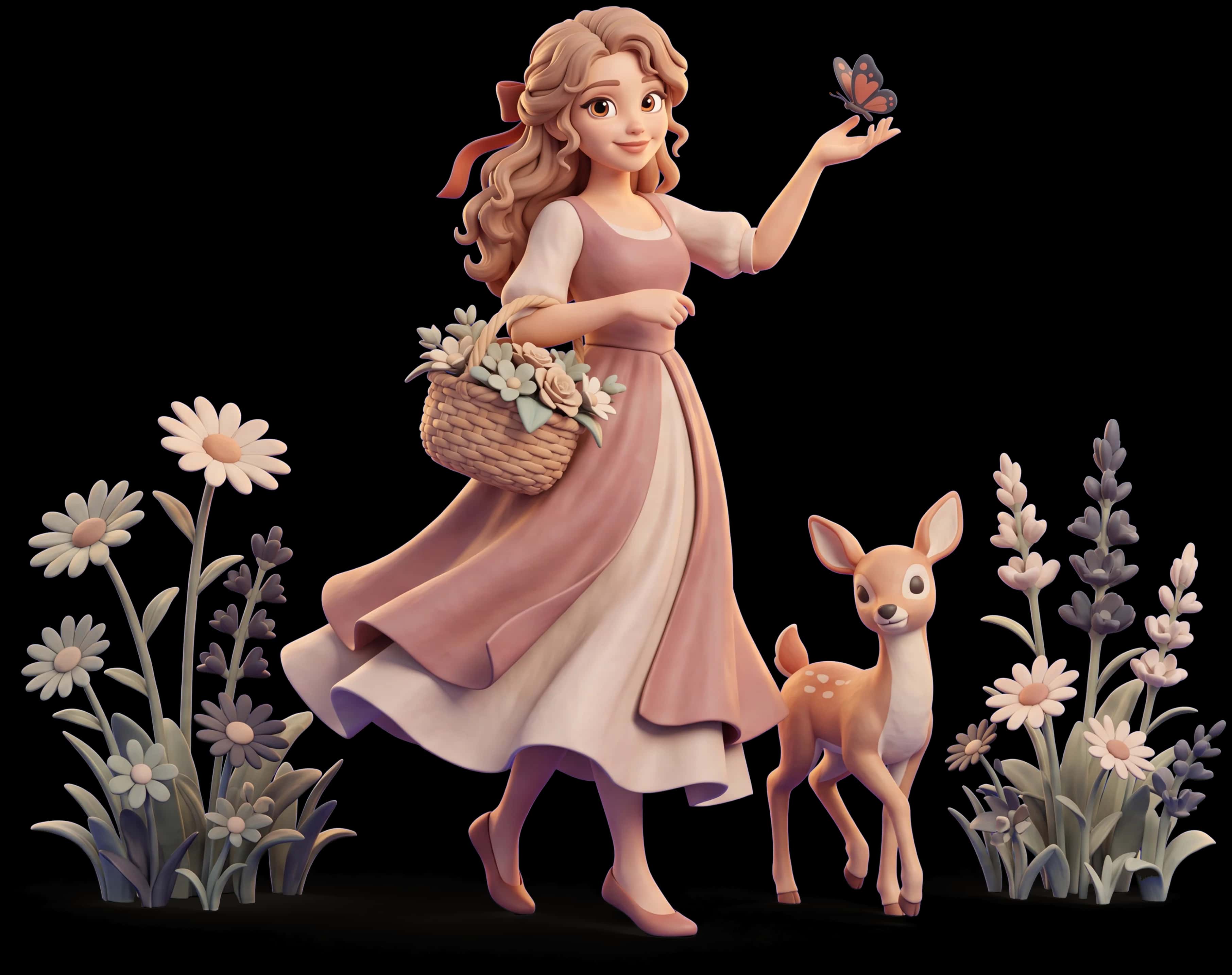
The Maiden
The Maiden archetype represents approaching beginnings with openness, curiosity and a willingness to learn.
- Hopeful
- Playful
- Trusting
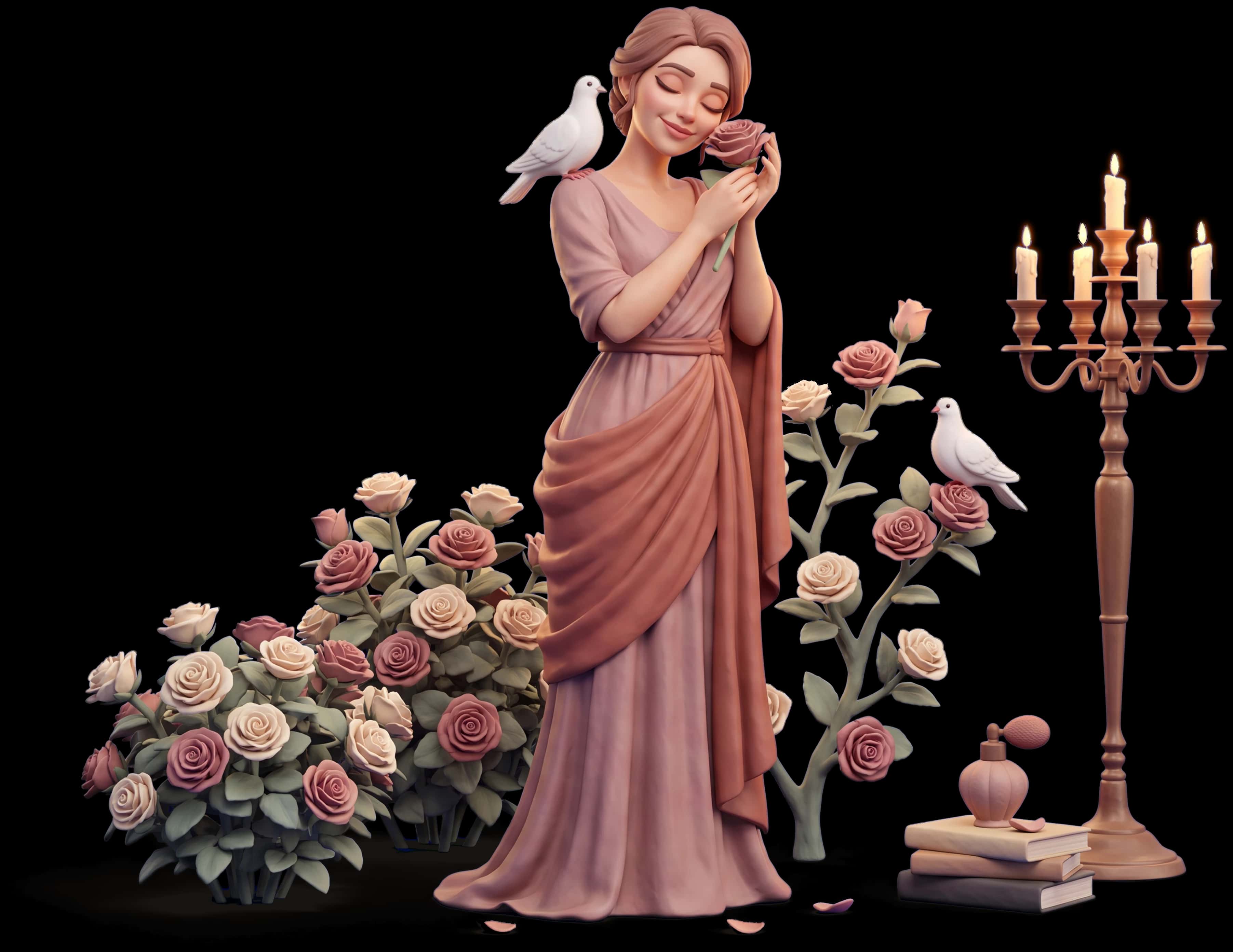
The Lover
The Lover archetype represents seeking connection, affection and attentive engagement with experience.
- Warm
- Magnetic
- Present
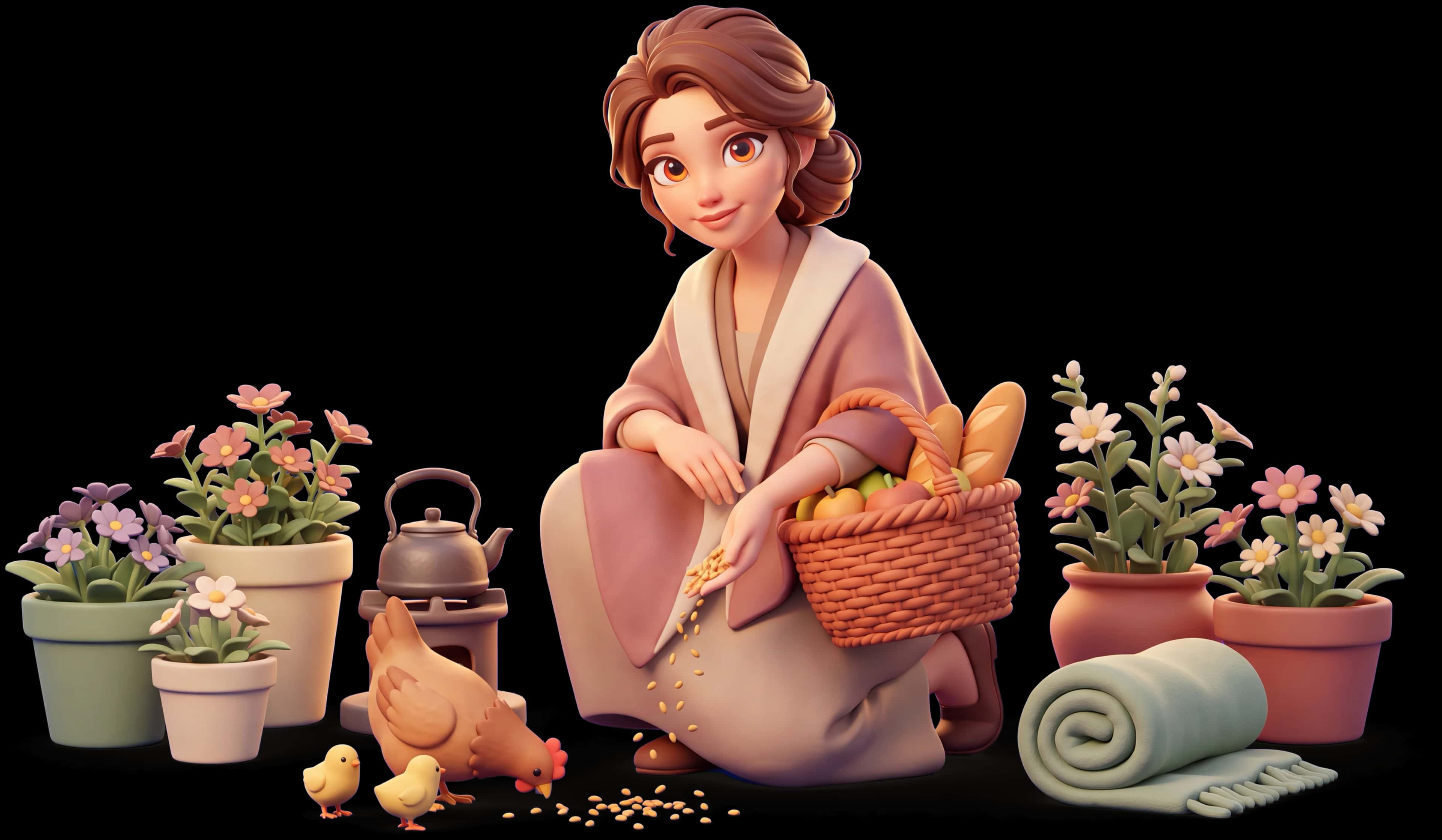
The Mother
The Mother archetype represents nurturing growth through sustained care, attention and a supportive environment.
- Nurturing
- Generous
- Steady
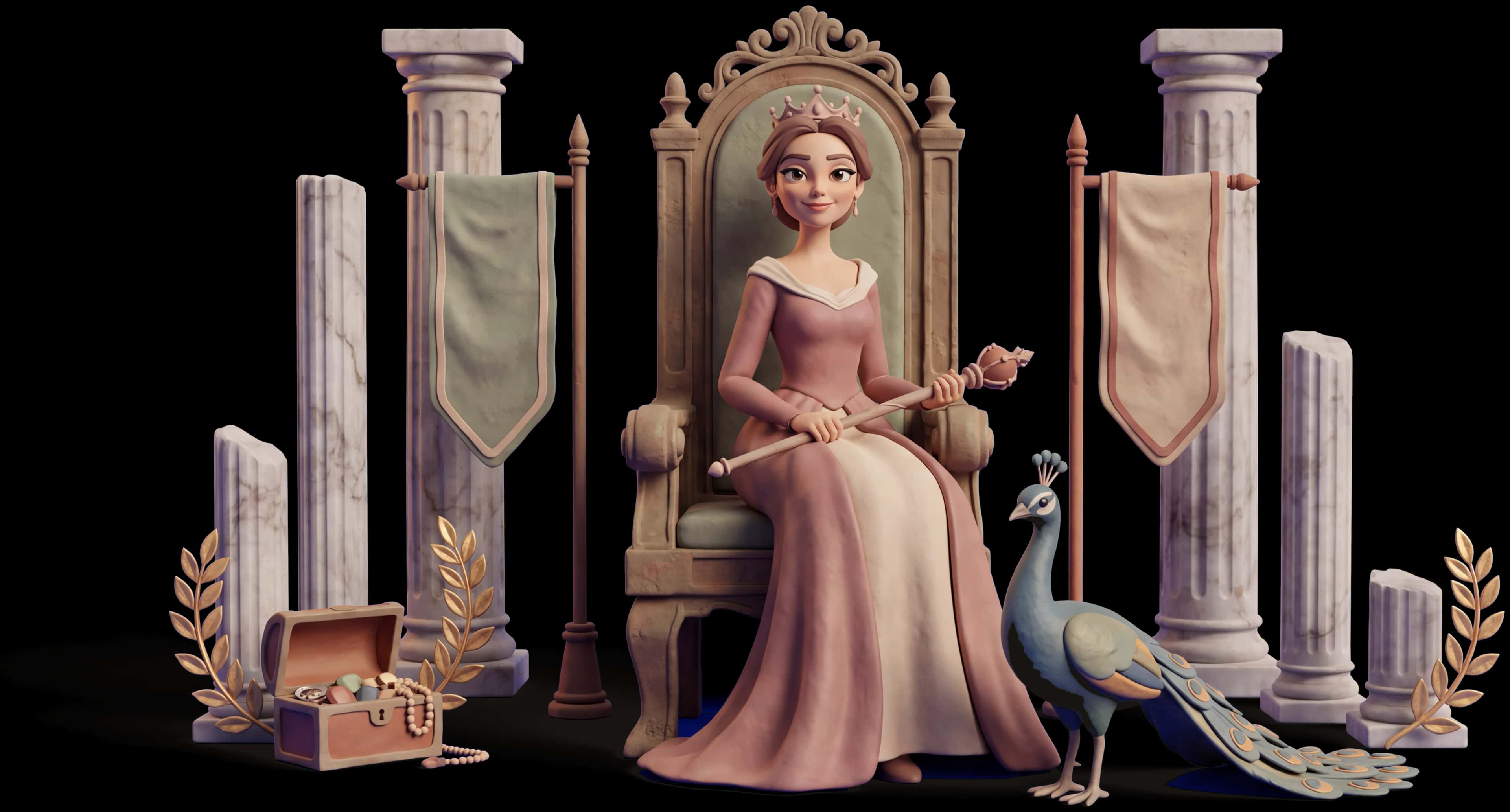
The Queen
The Queen archetype represents taking responsibility through clear standards, coordination and considered decisions.
- Composed
- Decisive
- Loyal
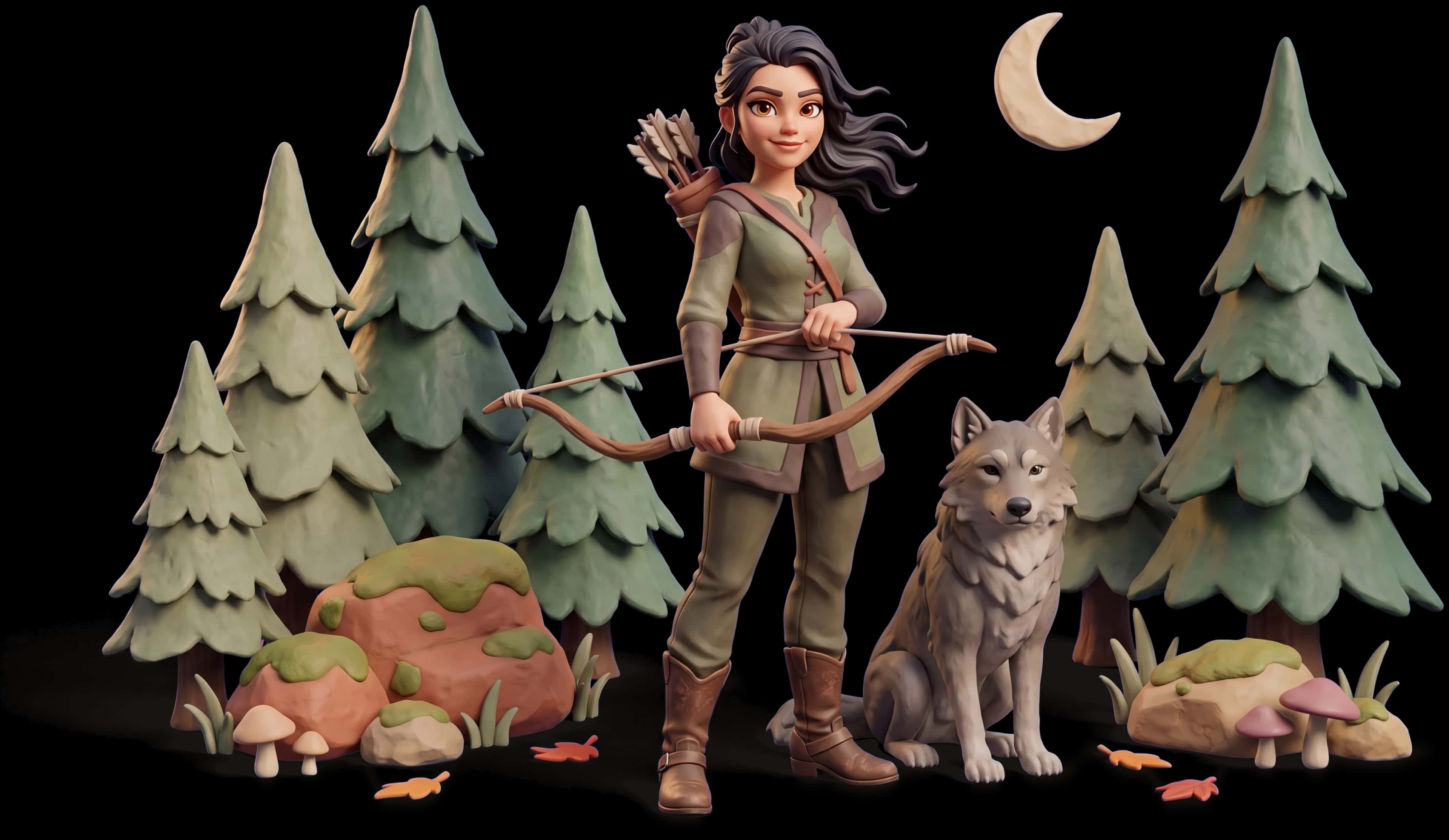
The Huntress
The Huntress archetype represents pursuing a chosen goal with focus, independence and clear boundaries.
- Independent
- Focused
- Self-reliant
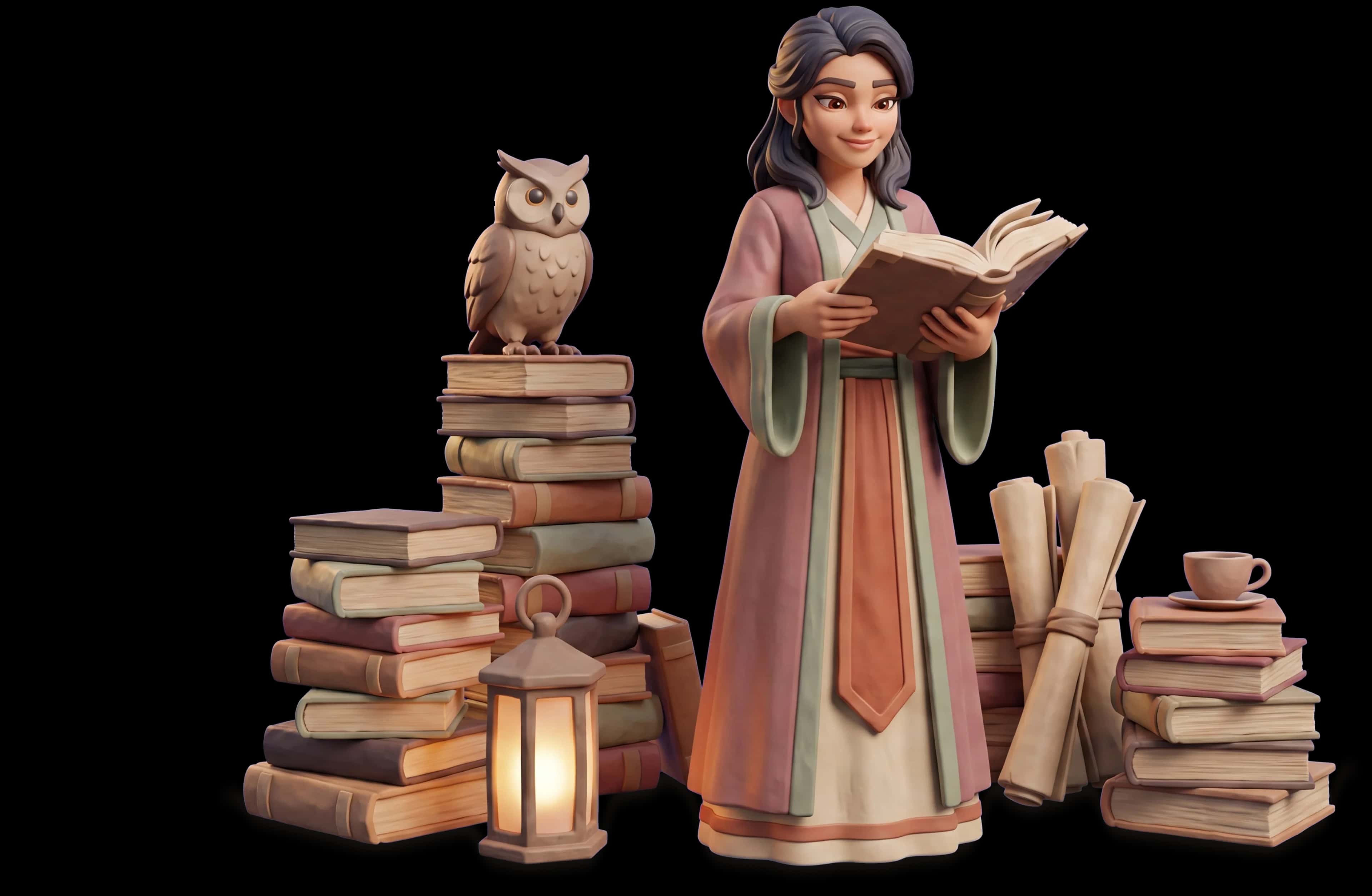
The Sage
The Sage archetype represents understanding through evidence, questions and careful thought.
- Wise
- Objective
- Curious
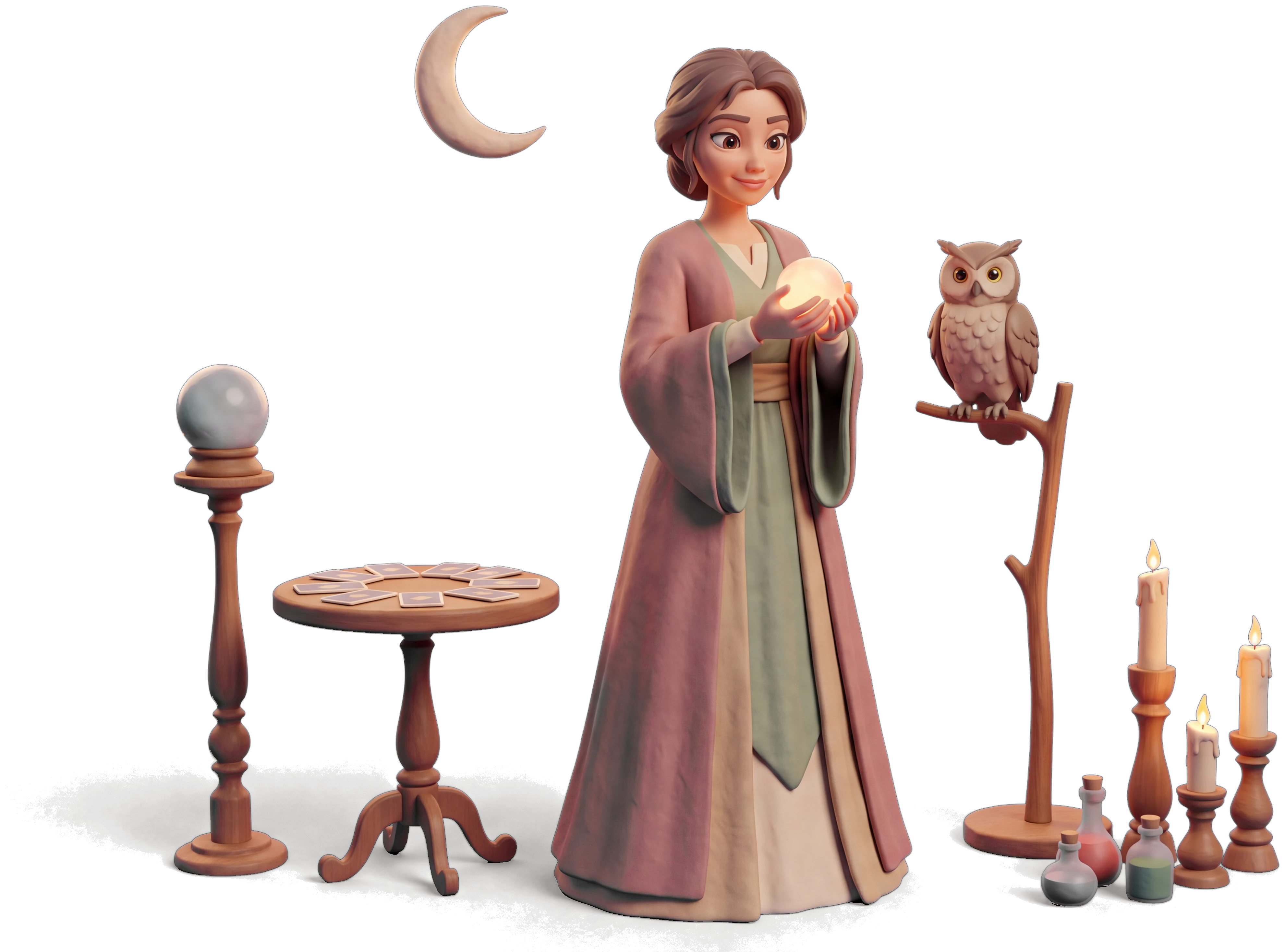
The Mystic
The Mystic archetype represents exploring inward experience, meaning and questions that resist quick answers.
- Intuitive
- Perceptive
- Calm
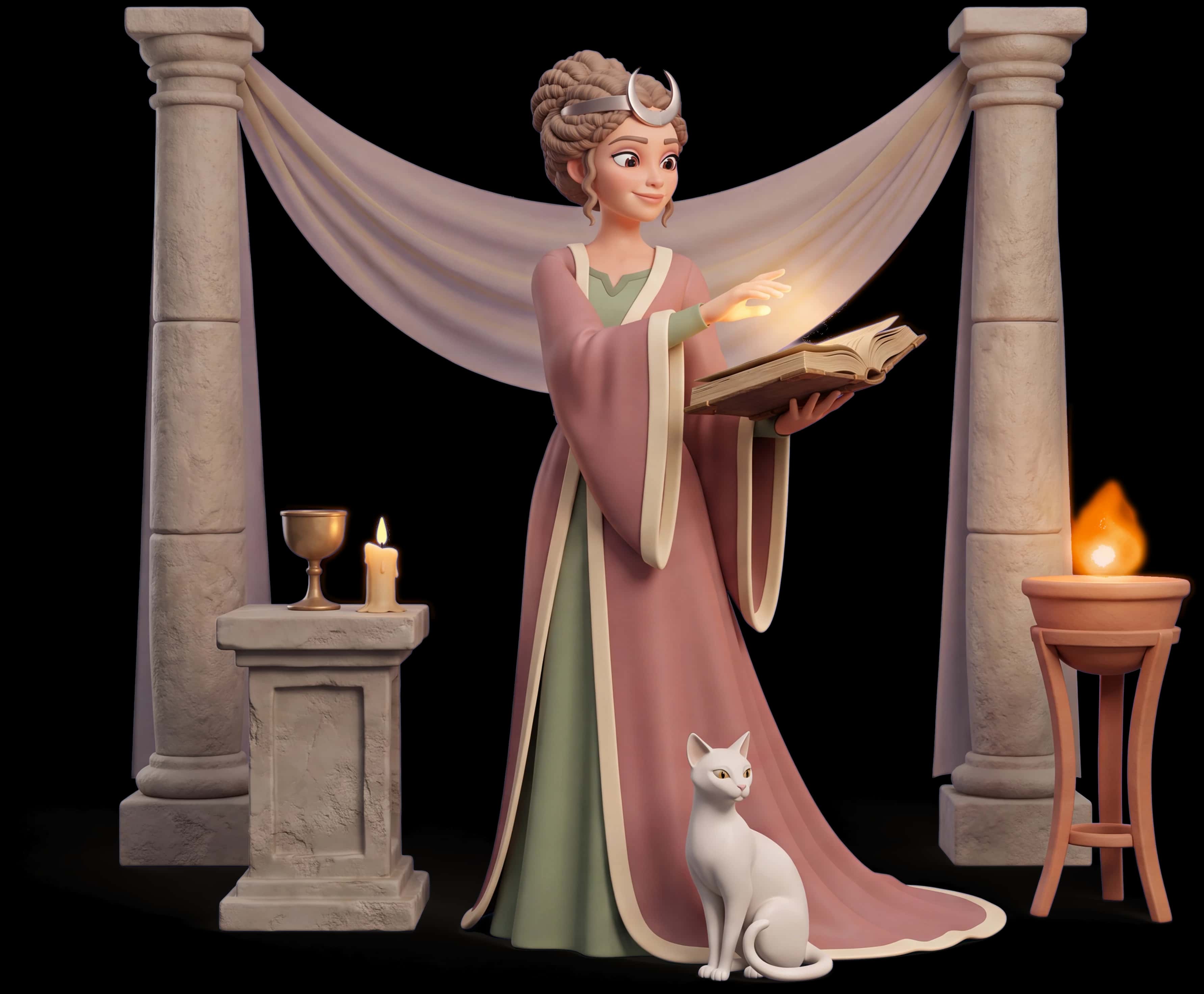
The High Priestess
The High Priestess archetype represents protecting reflective space, privacy and personally meaningful rituals.
- Still
- Sovereign
- Discreet
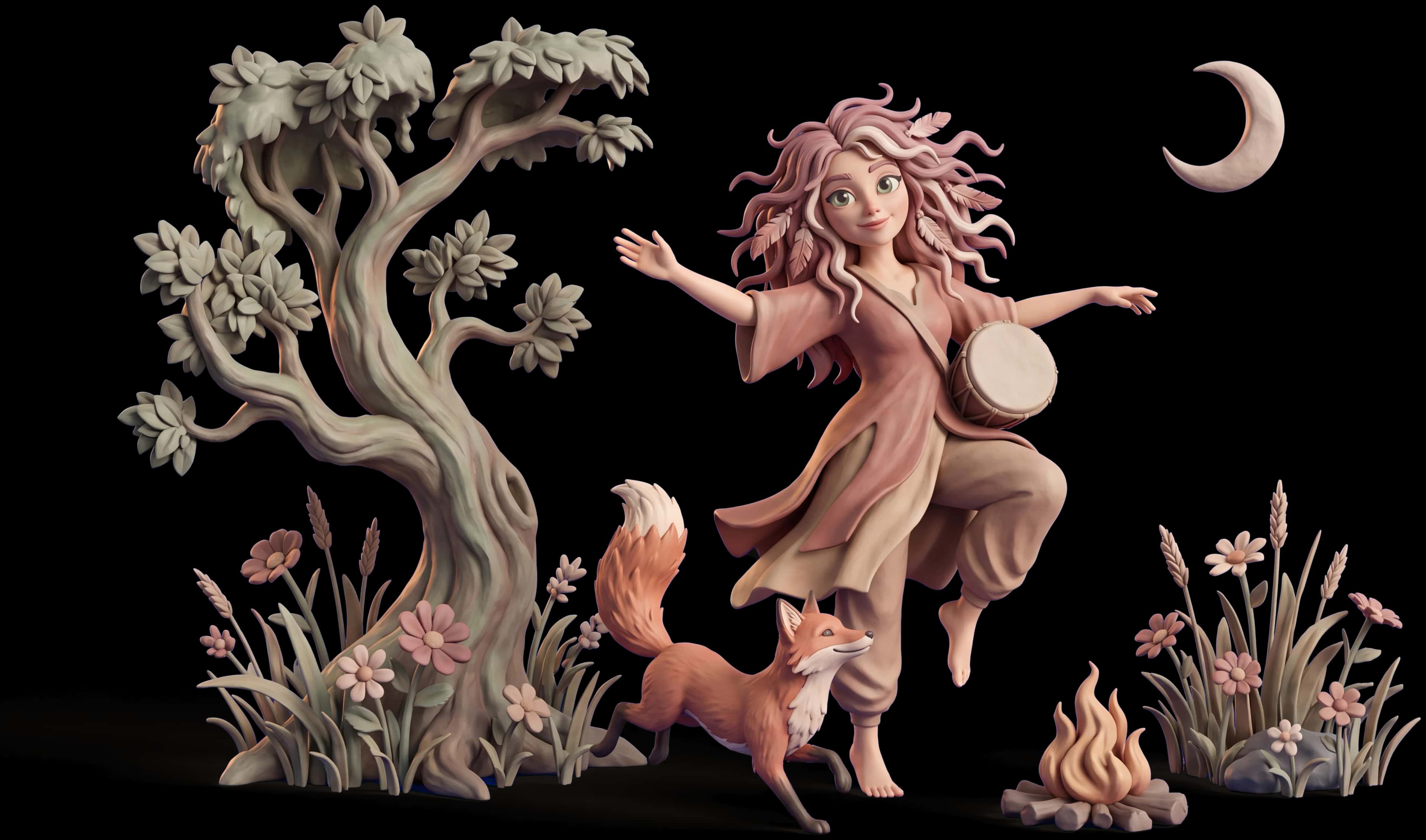
The Wild Woman
The Wild Woman archetype represents making room for spontaneity, expression and a self-directed way of living.
- Instinctive
- Free
- Vital
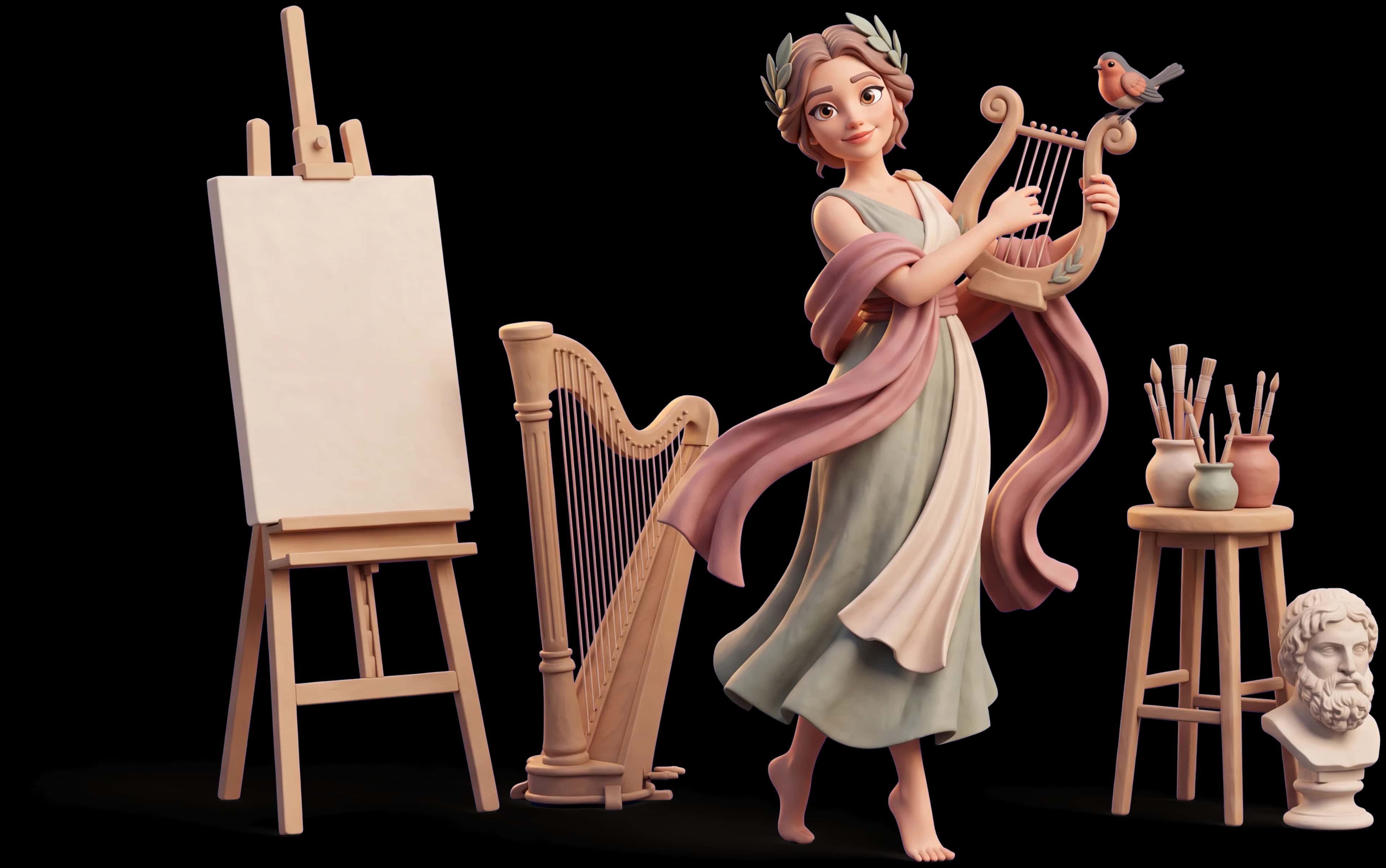
The Muse
The Muse archetype represents encouraging imagination through conversation, expression and new connections.
- Inspiring
- Creative
- Expressive
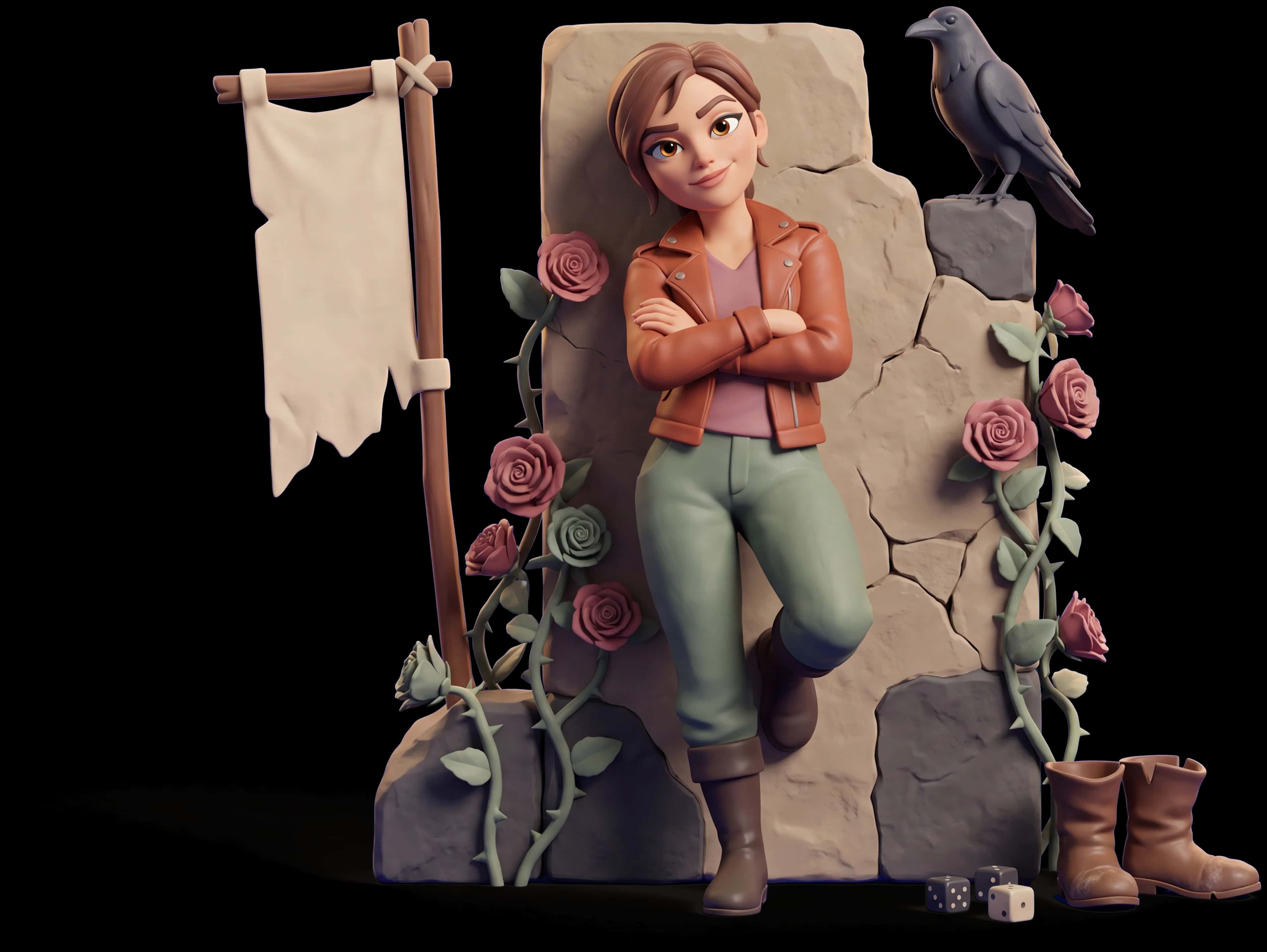
The Rebel
The Rebel archetype represents questioning imposed limits and challenging practices that seem unjust or unnecessary.
- Fearless
- Direct
- Independent
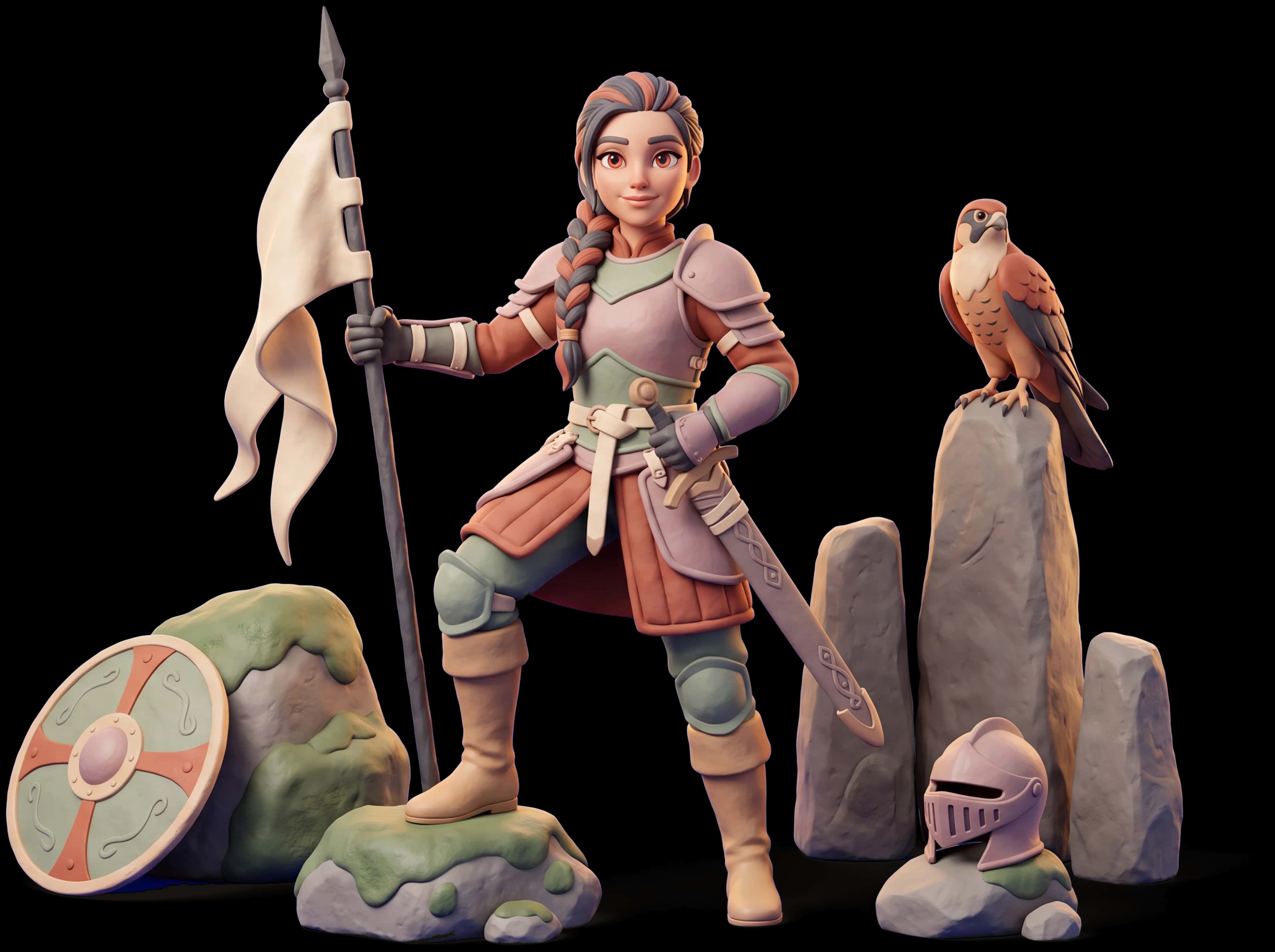
The Warrior
The Warrior archetype represents sustaining a commitment through discipline, boundaries and purposeful action.
- Disciplined
- Brave
- Reliable
Similar actions, different motivations
Organizing a gathering could express care, leadership or a wish for connection. These examples show how we distinguish related profiles; they are illustrations, not rules for identifying someone else.
- Queen and Mother
- Both may take responsibility for a group. In our Queen profile, the focus is setting priorities and making decisions. In our Mother profile, it is noticing who needs support. When planning that gathering, ask whether you are mainly creating order or making sure someone feels cared for. Either can become a problem if you stop asking what other people want.
- Huntress and Warrior
- Both can be determined. The Huntress pursues a chosen goal with independence; the Warrior protects a commitment or boundary. Turning down extra work might preserve time for your own project or defend a promise to your team. The useful distinction is what you are protecting, not how forcefully you say no.
- Mystic and High Priestess
- Our Mystic profile emphasizes inward reflection and finding meaning. The High Priestess emphasizes holding a space for ritual or shared reflection. Journaling alone and facilitating a quiet group practice illustrate the difference. Neither label establishes supernatural perception or authority over another person.
7 feminine archetypes or 12?
Different authors use different models, so seven and twelve are not competing counts of a scientifically established set. Jean Shinoda Bolen's Goddesses in Everywoman, for example, explores seven Greek goddess figures. Our collection uses twelve descriptive labels and is not a reproduction of her model. More labels do not make a quiz more accurate; what matters here is whether a distinction helps you describe an experience. See the publisher's description of Bolen's book.
How to work with your archetype
Start with a recent situation, such as helping a friend or making a difficult decision. Write down what you wanted, what you did and what it cost you. Then compare that situation with a profile: did caring for someone help, or did you take on more than you could manage? Try one small change, such as offering a specific kind of help rather than taking over. Keep the observations that fit and set aside those that do not. A label is useful only if it helps you notice something concrete about your choices.
Where this framework comes from
Jungian psychology uses archetypes to explore recurring images and themes in human experience. The familiar twelve-type lists are later interpretations. For example, Carol S. Pearson describes developing a six-archetype model and later expanding it to twelve in her account of the Pearson archetype system.
Rare Personas chooses its own sets of labels, profile descriptions and quiz scoring. Our female and male collections are interpretations for reflection, not lists established by Jung or evidence that people divide into twelve fixed kinds. These names can also help you explore fictional characters. You can use any profile regardless of your gender.
Our quizzes are not clinically validated psychological assessments. A result describes how your answers fit our scoring rules; it does not diagnose a condition, determine your abilities or predict a relationship. The sources explain the background tradition, not validation or endorsement of our quizzes. Read more about how Rare Personas makes its quizzes.
Got questions?
How do I know which female archetype I am?
Choose two or three profiles and compare them with a recent decision: what did you want, what did you do, and what was the cost? Look for examples that fit and examples that contradict the description. Our female archetype quiz offers a structured starting point, with a leading archetype and short description for free.
Can a woman have male archetypes too?
Yes. These collections use gendered labels as interpretive perspectives, not restrictions on who can recognize a pattern. Leadership, care, curiosity and independence are not exclusive to a gender. Use whichever profiles help you describe your experience.
How do similar female archetypes differ?
In our descriptions, the Queen emphasizes organizing and taking responsibility, while the Mother emphasizes care and support. The Huntress pursues an independent goal; the Warrior defends a commitment or boundary. The same action may fit several profiles, so compare the motivation and the tradeoff rather than judging by the action alone.
Are the female archetypes scientific?
Our collection and quiz have not been clinically validated as a psychological assessment. They draw on symbolic and literary traditions to offer prompts for reflection or character writing. A result does not diagnose a condition, establish your abilities or predict relationship compatibility.
Which of the 12 are you?
Take the free quiz for a leading archetype and short description. The full score breakdown and longer report are an optional purchase.
Curious about the other side of the framework? Read the 12 male archetypes.