
The High Priestess Archetype
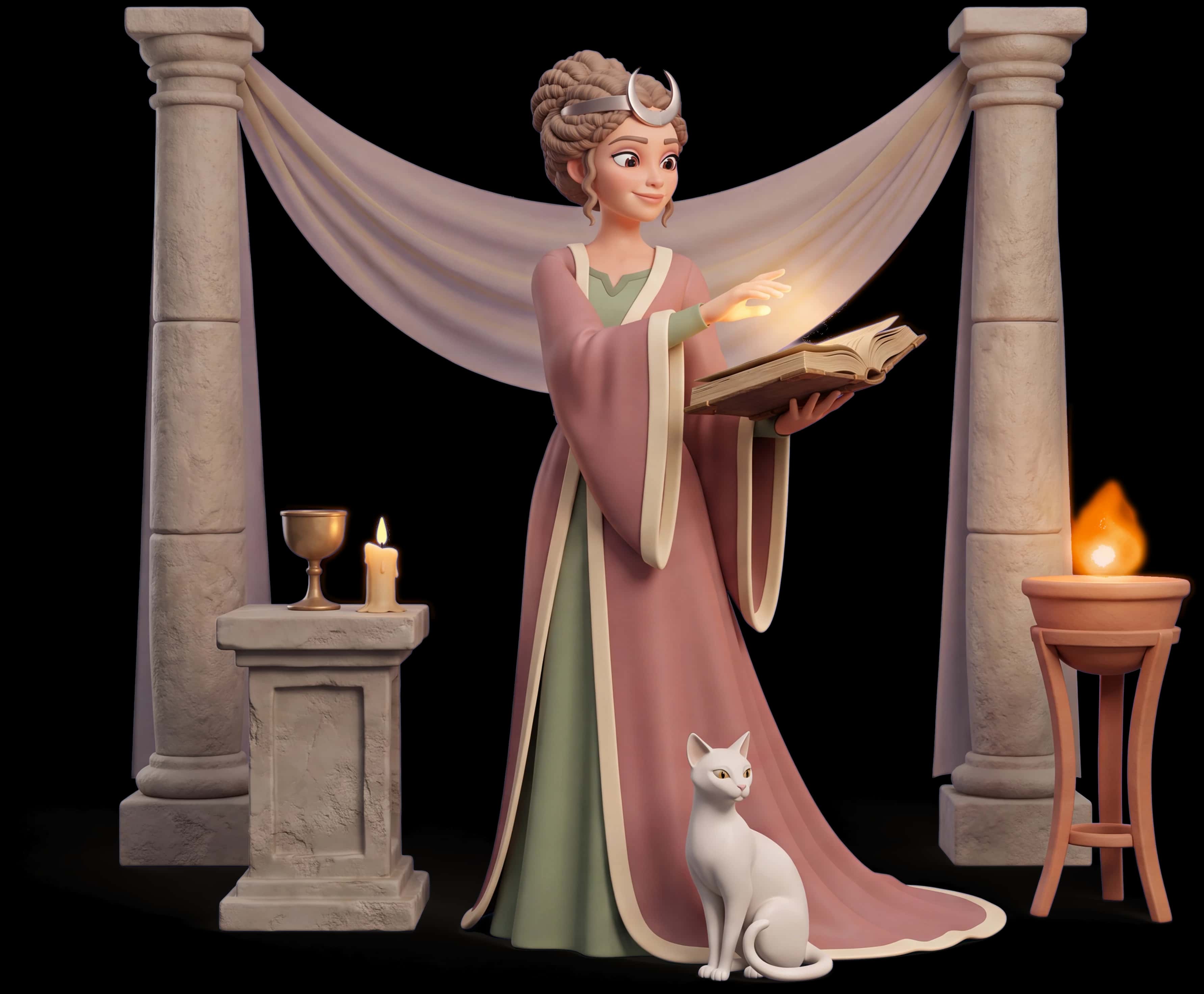
The High Priestess archetype represents protecting reflective space, privacy and personally meaningful rituals.
What the High Priestess archetype means
In the Rare Personas collection, the High Priestess represents protecting reflective space, privacy and personally meaningful rituals. Read it as a symbolic pattern for reflection or character writing, rather than a fixed kind of person.
The title is symbolic in this collection. It does not confer a religious office, supernatural knowledge or authority to interpret someone else’s life. Quietness alone is not evidence of deeper insight.
High Priestess archetype traits
- Still
- Sovereign
- Discreet
- Deep
- Principled
- Composed
Strengths
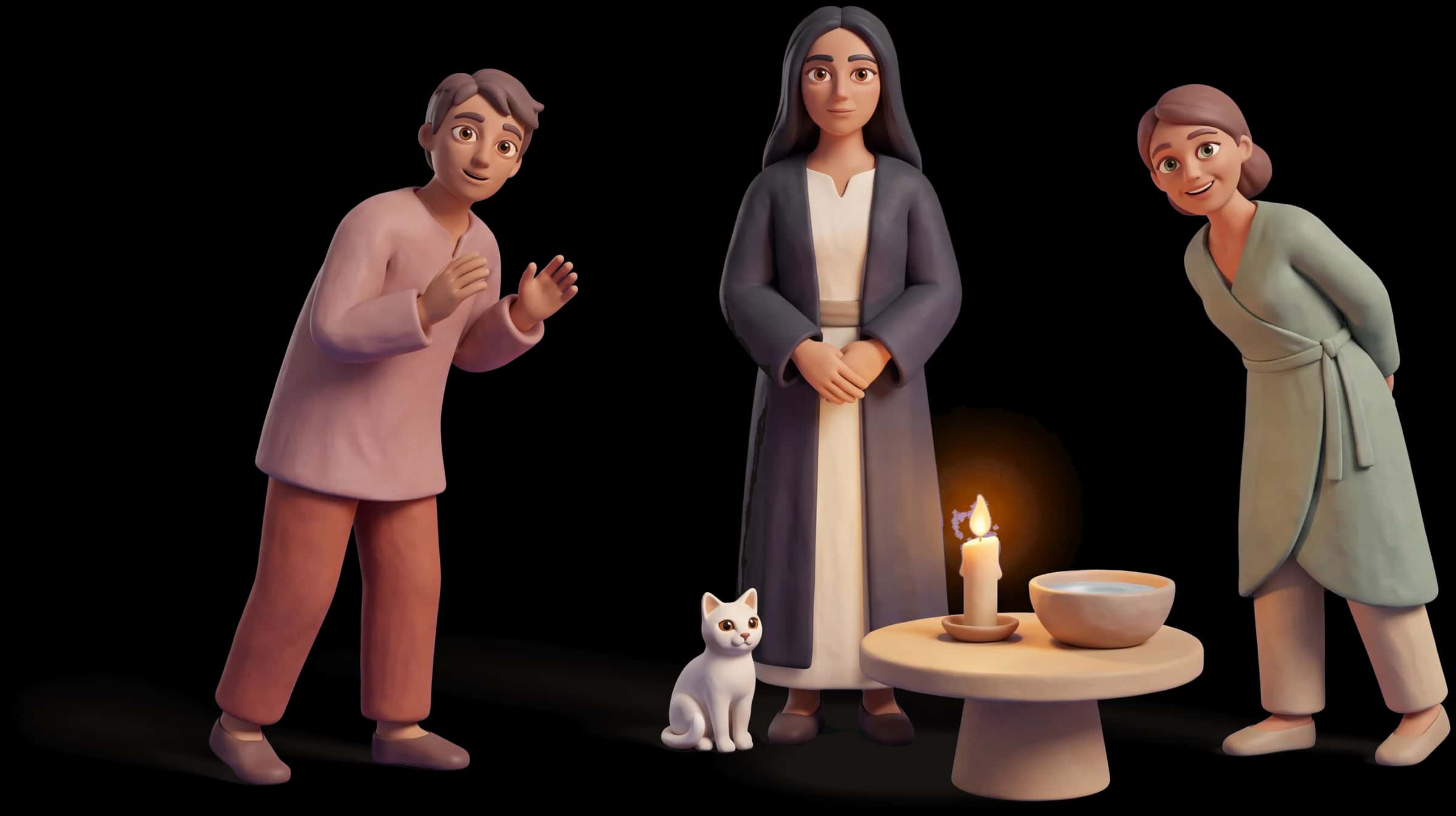
- Questions peer pressure and passing trends
- Respects agreed confidentiality
- Makes decisions from principle, not mood
- Her calm presence steadies everyone near it
Shadow side
- Reserve can become a wall no one is allowed past
- May feel quietly superior to more ordinary lives
- Keeping everything sacred can mean sharing nothing
- Stillness can hide avoidance of messy, real engagement
Questions for exploring the High Priestess
- What draws you toward protecting reflective space, privacy and personally meaningful rituals?
- When has this approach helped you, and when has a different approach worked better?
- What would you notice if a different interpretation of the same situation were true?
These questions invite reflection; they are not diagnostic criteria. Look for an example that does not fit as well as one that does.
The High Priestess as a woman
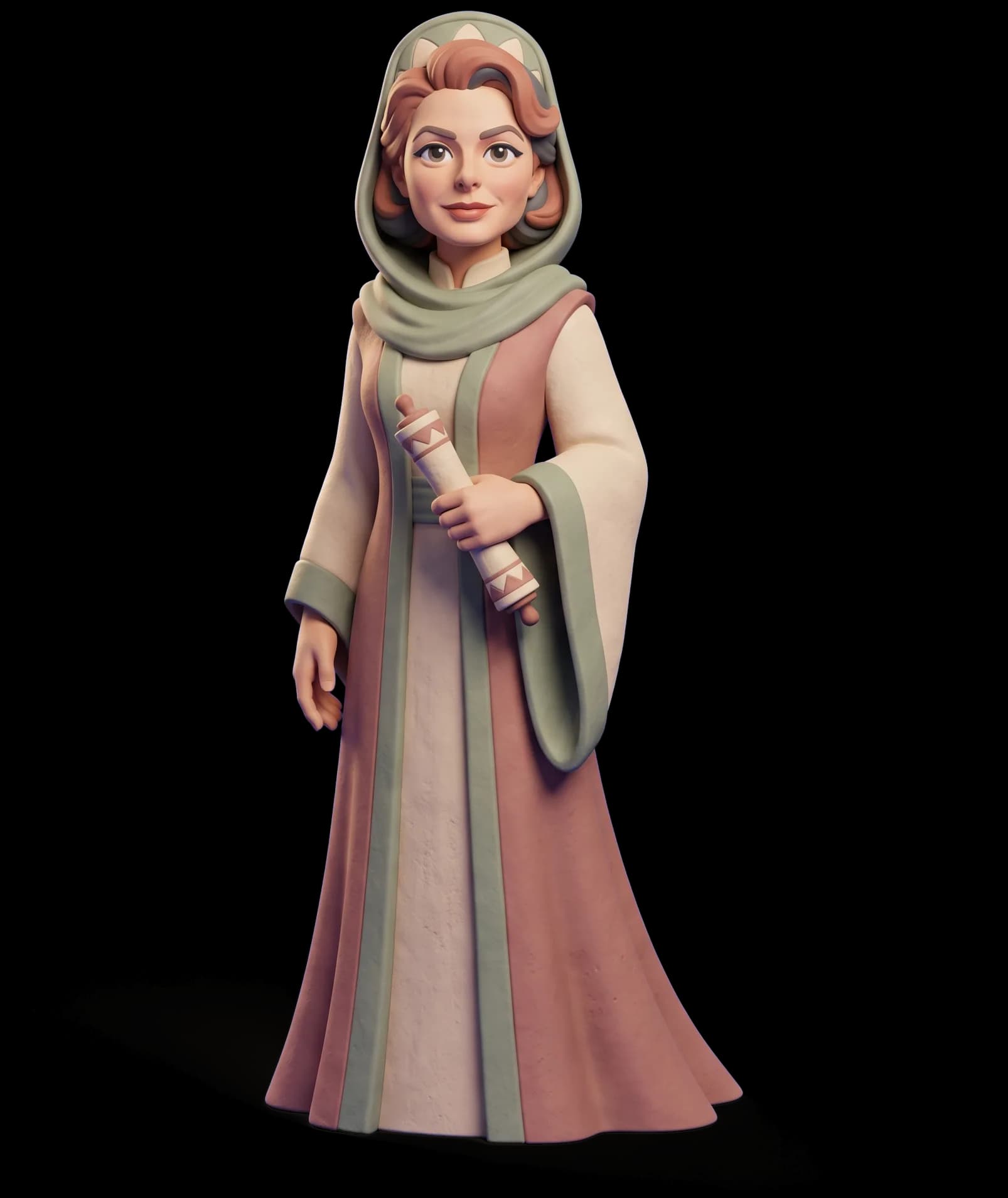
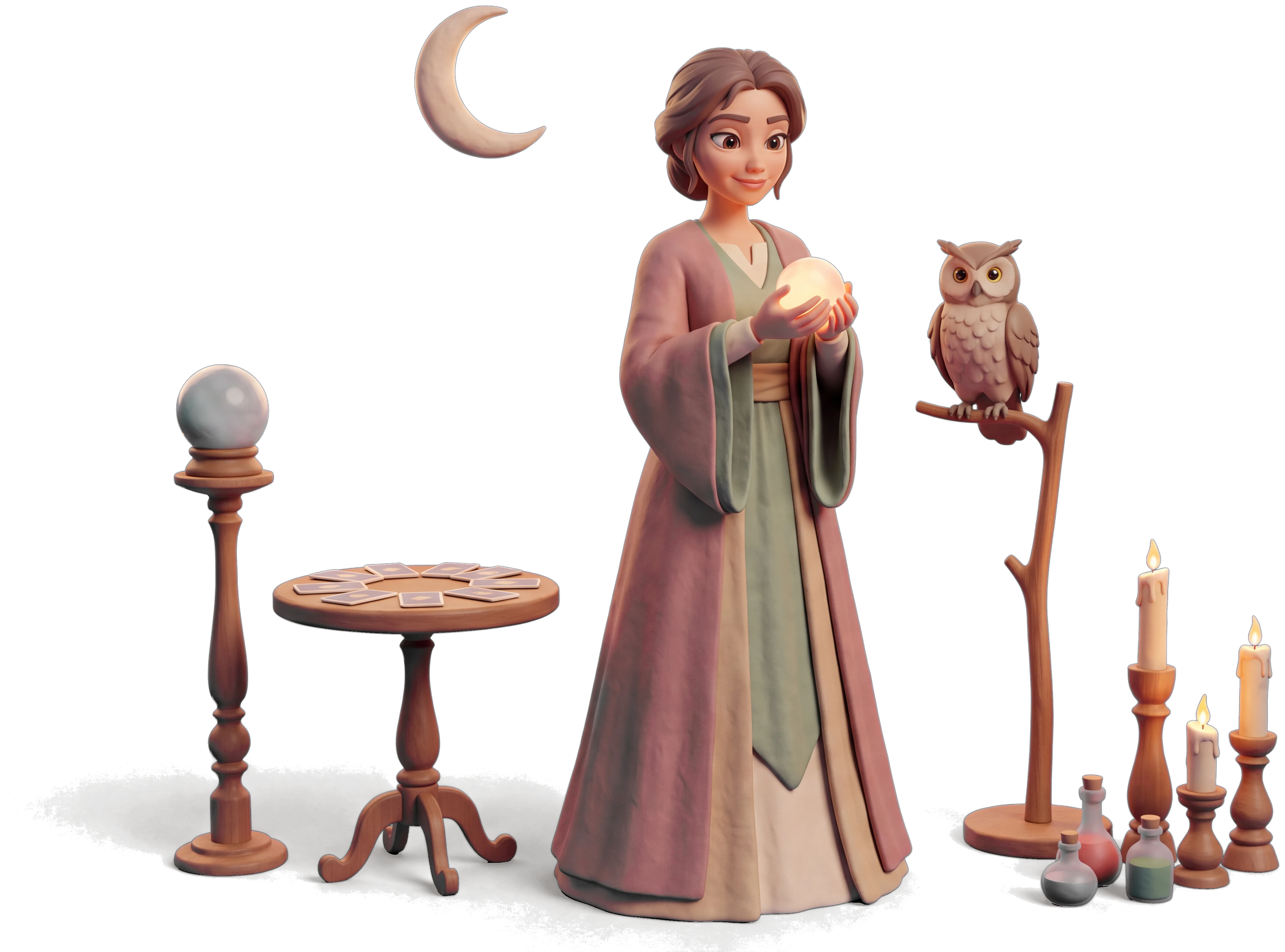
The female illustration is one way to picture this role. The theme of protecting reflective space, privacy and personally meaningful rituals is available to anyone. The image and label do not prescribe how a woman or man should behave.
The High Priestess archetype in relationships
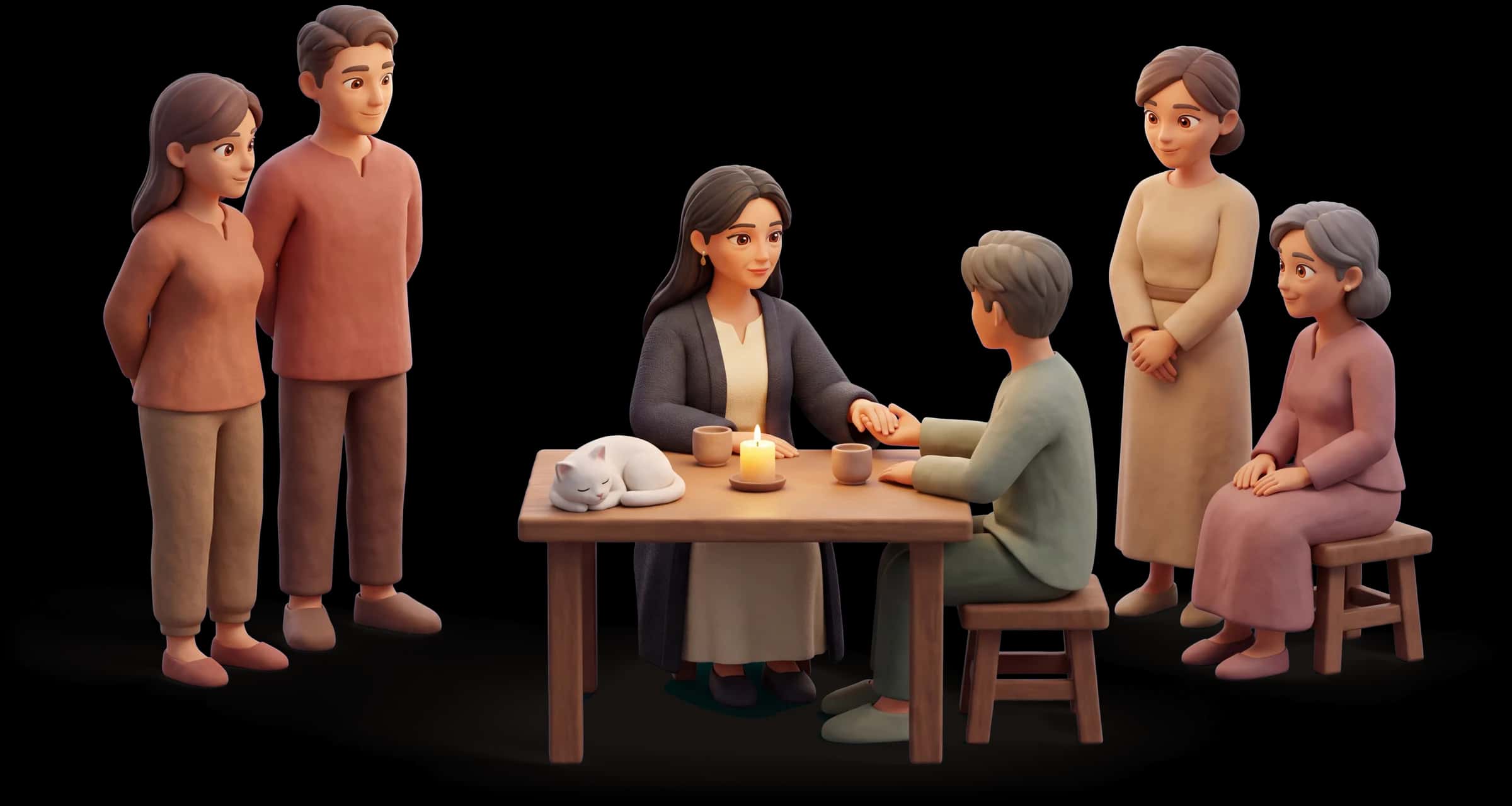
Keeping something private can be a healthy choice. When privacy affects a shared decision, explain the boundary and what information you are able to offer.
The High Priestess in everyday life and at work

A High Priestess choice in practice
Before a group discussion, you invite a short pause and let each person decide whether to share. You explain how private contributions will be handled.
A clear container can help people reflect. Making the process mysterious or presenting yourself as the only interpreter can exclude others and make reasonable questions difficult.
Explain one practice in plain language and make participation optional. Ask what would make the space more comfortable for others.
Settings in which to explore this theme
- Law and the judiciary
- Ethics and compliance
- Counseling and pastoral care
- Trusted advisor roles
- Archives and curation
The High Priestess's growth path
After trying it, describe what happened without using an archetype label. Keep the practice if it helps; change it if it does not. A different choice does not mean you have passed or failed a personality test.
Where the High Priestess archetype comes from
Rare Personas uses High Priestess as a symbolic role focused on ritual and reflection. The name also occurs in other spiritual and artistic contexts, whose meanings should not be assumed to match our profile. This is our interpretation, not a type list attributed to Jung.
High Priestess archetype examples
Illustrative comparisons, not assessed personality types. Fictional characters can fit several readings, and public figures are shown for their public work or image rather than claims about their private lives.
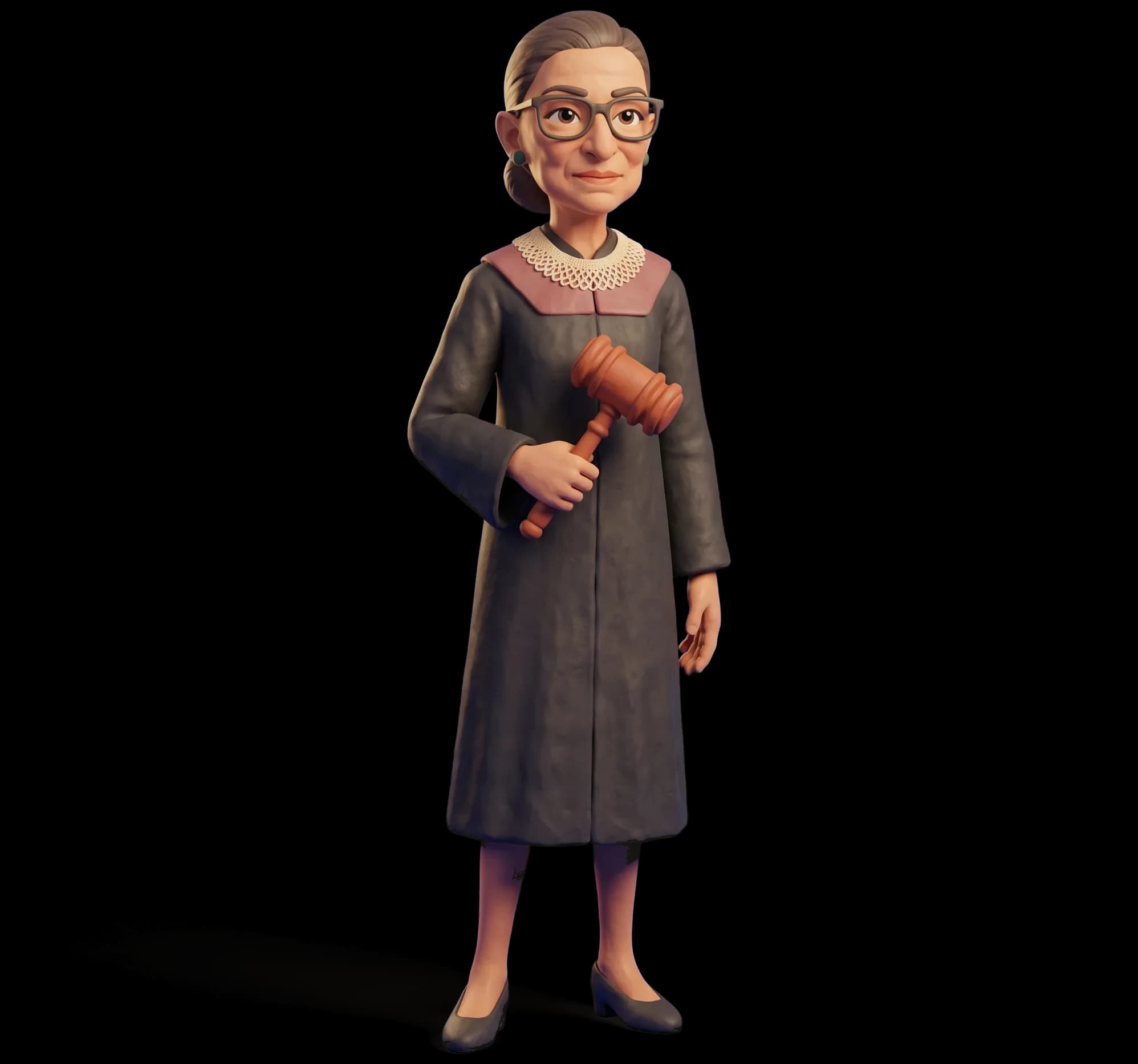

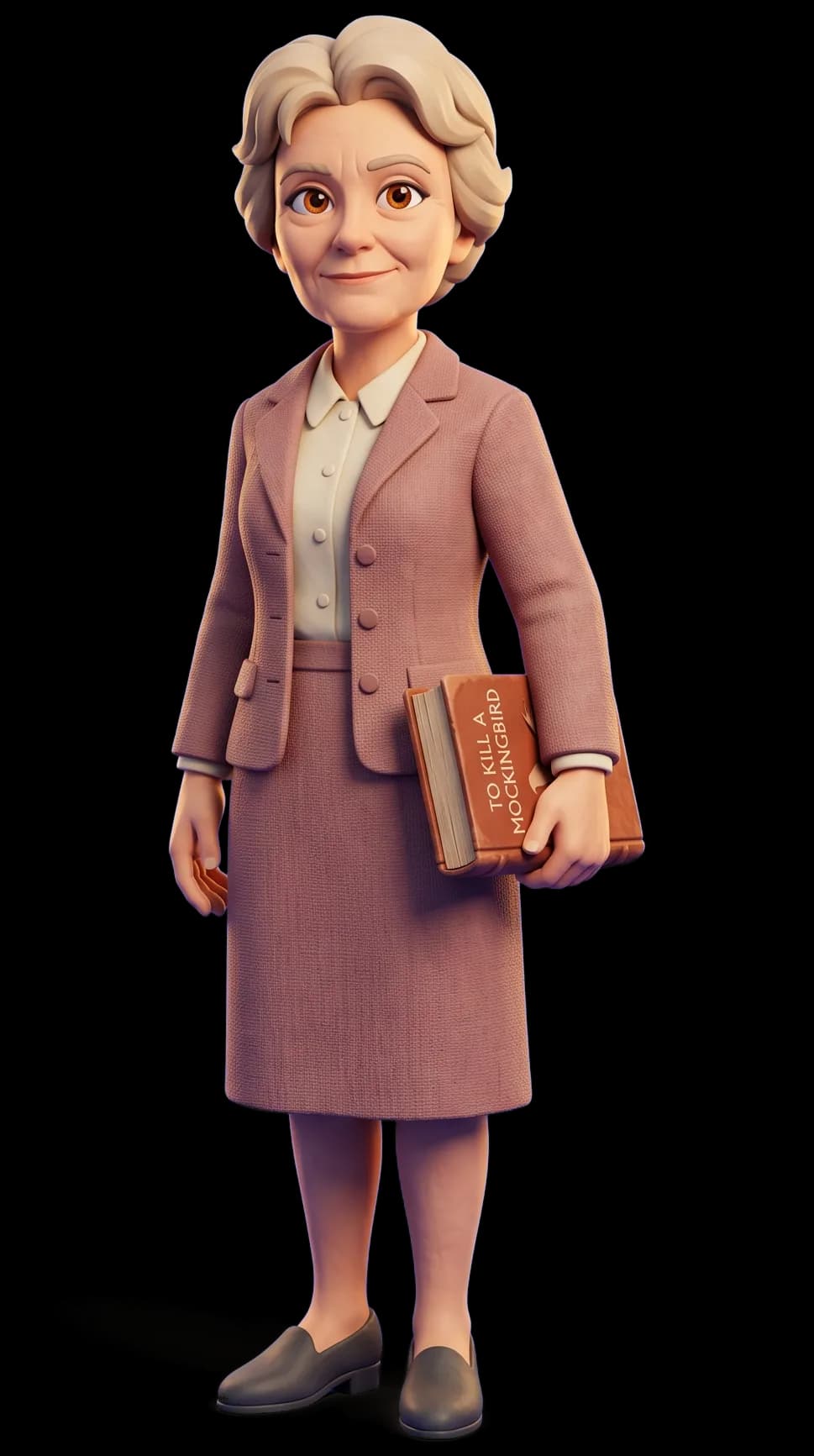
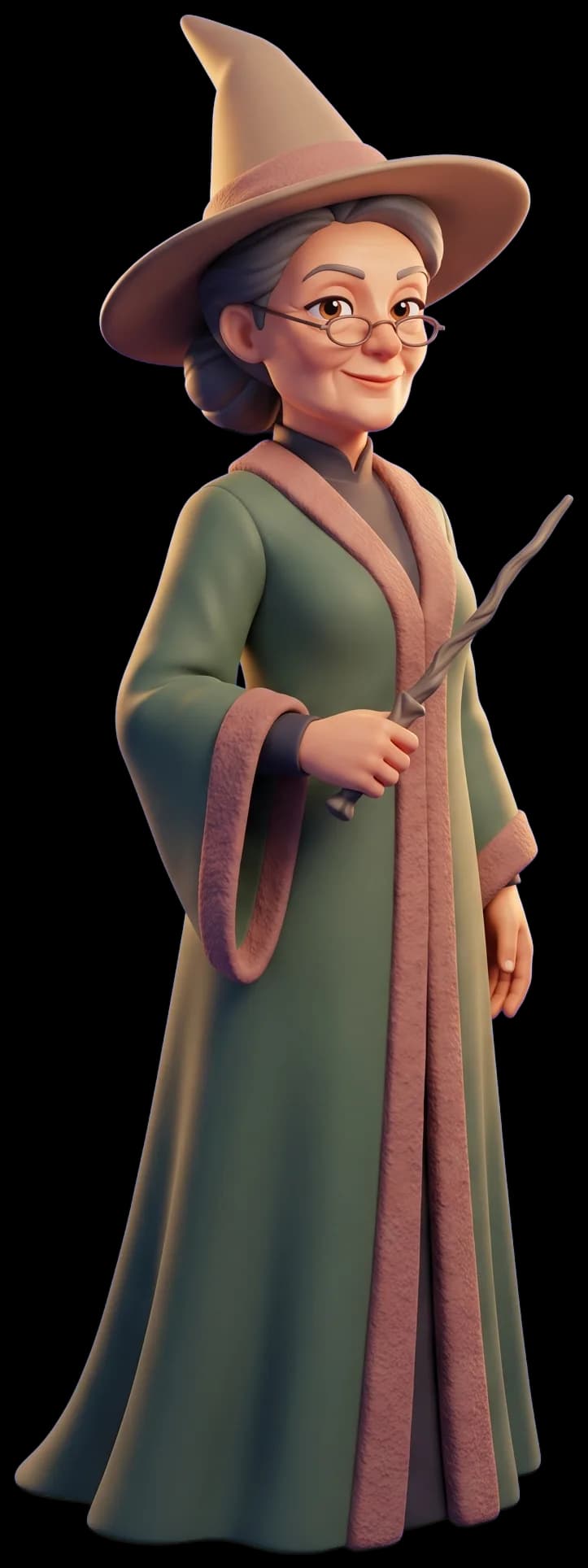
Minerva McGonagall is an analogy for discretion, standards and a role that holds important boundaries in Harry Potter. She is a teacher in that story, not a literal High Priestess. The comparison becomes useful when it asks how authority is explained and exercised, rather than treating reserve as proof of hidden wisdom.
The High Priestess vs. The Mystic
In our collection, the High Priestess emphasizes protecting reflective space, privacy and personally meaningful rituals; The Mystic emphasizes exploring inward experience, meaning and questions that resist quick answers. The same action can fit both descriptions. Compare what the person is trying to achieve and what they are prepared to give up, rather than judging by the action alone. Read about The Mystic
The High Priestess vs. The Queen
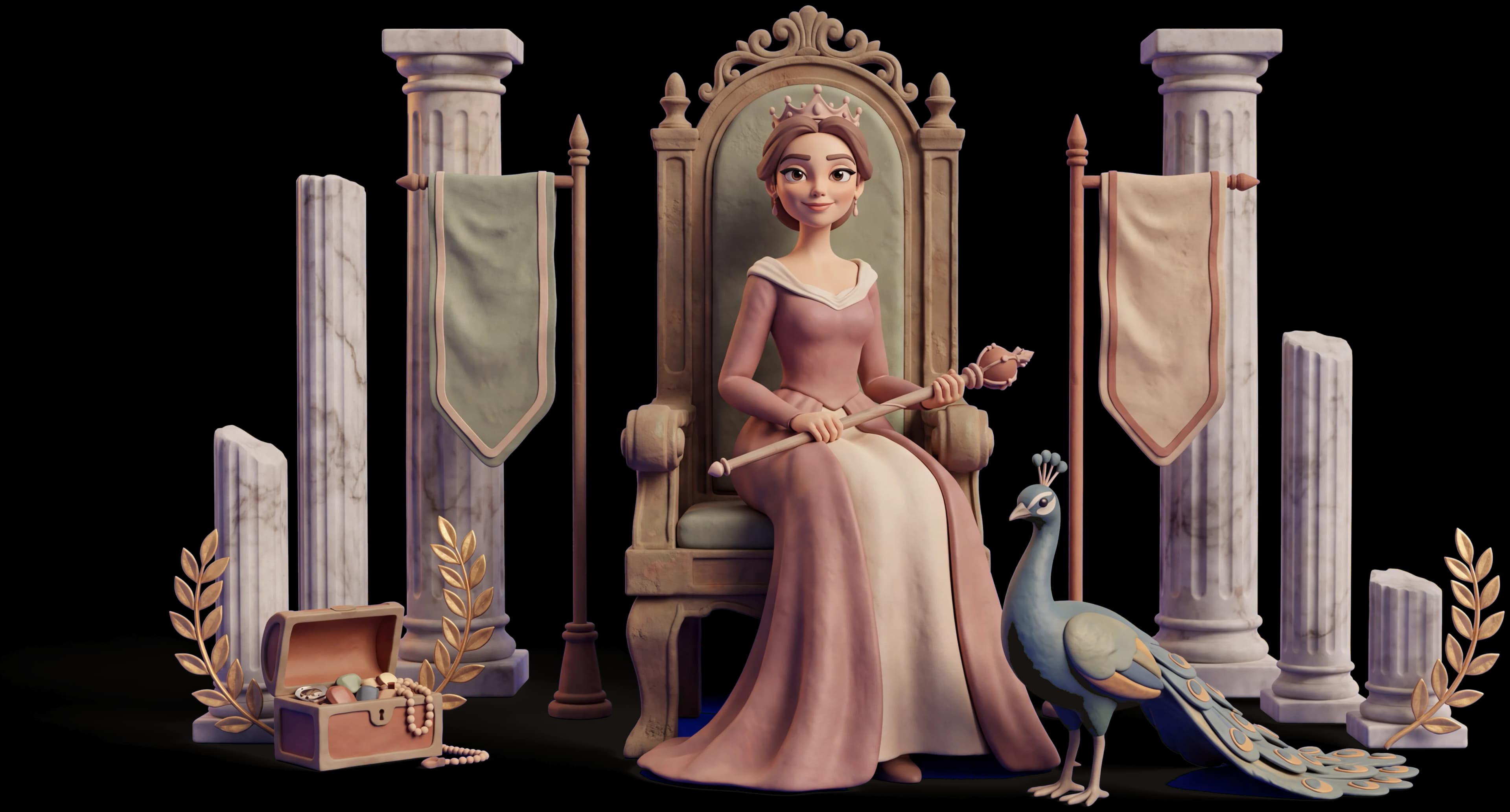
In our collection, the High Priestess emphasizes protecting reflective space, privacy and personally meaningful rituals; The Queen emphasizes taking responsibility through clear standards, coordination and considered decisions. The same action can fit both descriptions. Compare what the person is trying to achieve and what they are prepared to give up, rather than judging by the action alone. Read about The Queen

Also related: The Sage
The Sage archetype represents understanding through evidence, questions and careful thought.
Sources and interpretation
- Carol S. Pearson: the twelve-archetype system
The author explains her own model’s development. Our labels and quiz are a separate interpretation.
Published by Rare Personas. Our explanations and illustrative exercises are interpretations; the references support the specific background described above. Read about our approach and content responsibility. To suggest a correction, send the passage and page URL through our contact page.
Is the High Priestess your archetype?
Explore your answers with the archetype quiz. Your leading match and a short description are free; the full report is optional and paid.