
The Sage Archetype
The Sage archetype represents understanding through evidence, questions and careful thought.

The Sage as a woman
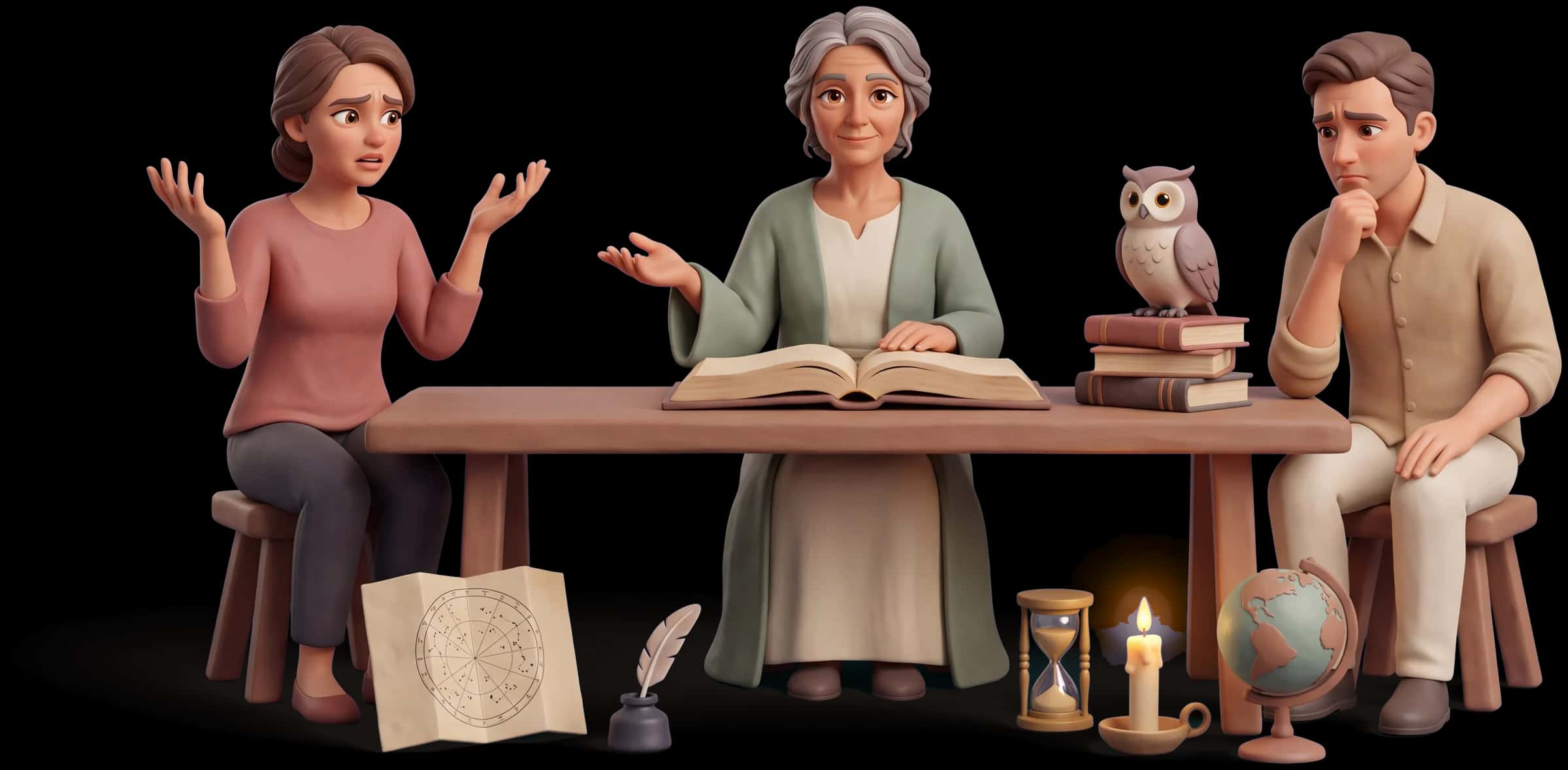
The female illustration is one way to picture this role. The theme of understanding through evidence, questions and careful thought is available to anyone. The image and label do not prescribe how a woman or man should behave.

The Sage as a man
The male illustration is one way to picture this role. The theme of understanding through evidence, questions and careful thought is available to anyone. The image and label do not prescribe how a woman or man should behave.
What the Sage archetype means
In the Rare Personas collection, the Sage represents understanding through evidence, questions and careful thought. Read it as a symbolic pattern for reflection or character writing, rather than a fixed kind of person.
Knowing more is different from always being right. A Sage interpretation is most useful when it includes the willingness to revise a conclusion, not just confidence in having one.
Sage archetype traits
- Wise
- Objective
- Curious
- Patient
- Honest
- Reflective
Strengths
- Separates observations from assumptions
- Explains the evidence and limits behind advice
- Keeps learning and revising earlier ideas
- Comfortable with complexity and slow answers
Shadow side
- Can retreat into the head and observe life instead of living it
- May hide behind analysis when feelings are required
- Perfect understanding can become an excuse to never act
- Can quietly judge people who choose without thinking
Questions for exploring the Sage
- What draws you toward understanding through evidence, questions and careful thought?
- When has this approach helped you, and when has a different approach worked better?
- What would you notice if a different interpretation of the same situation were true?
These questions invite reflection; they are not diagnostic criteria. Look for an example that does not fit as well as one that does.
The Sage archetype in relationships
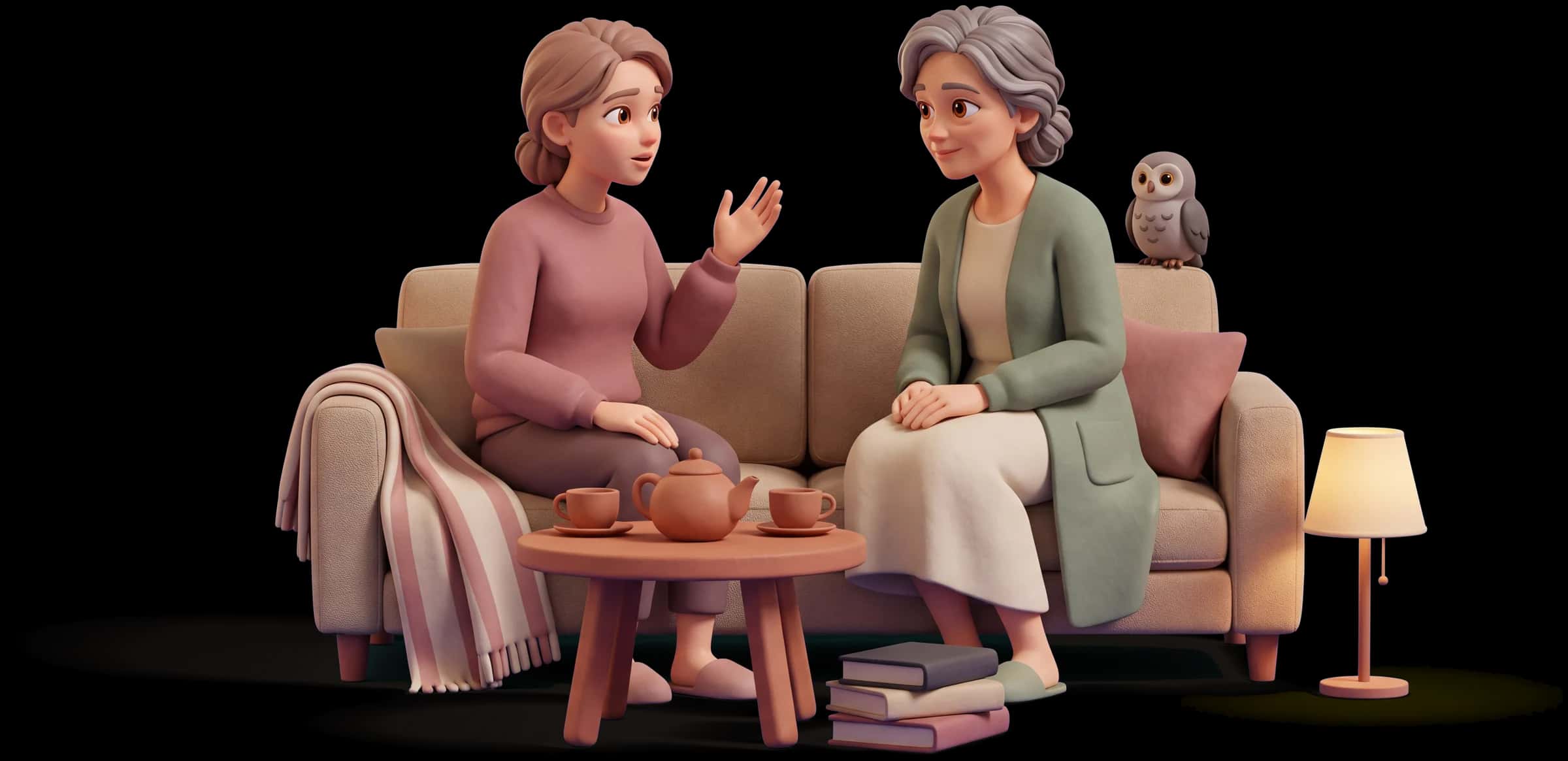
A thoughtful question can help a friend feel understood. An explanation can also miss what they need. Ask whether they want ideas, practical help or someone to listen before offering an analysis.
The Sage in everyday life and at work

A Sage choice in practice
A team must choose between two proposals. You check the assumptions, ask what evidence is missing and explain which uncertainties actually matter.
Research helps the decision until collecting more information becomes a way to avoid choosing. Another person may have relevant experience that does not appear in your spreadsheet.
Set a decision date, name one finding that would change your mind, and ask someone to challenge your preferred option.
Settings in which to explore this theme
- Research and analysis
- Teaching and mentoring
- Strategy and advisory work
- Writing and editing
- Science, law and medicine
The Sage's growth path
After trying it, describe what happened without using an archetype label. Keep the practice if it helps; change it if it does not. A different choice does not mean you have passed or failed a personality test.
Where the Sage archetype comes from
The wise adviser is a useful literary comparison for this profile. Our Sage label emphasizes inquiry and teachable knowledge; it is not a claim that Jung established a measurable Sage personality or that a quiz result proves wisdom.
Sage archetype examples
Illustrative comparisons, not assessed personality types. Fictional characters can fit several readings, and public figures are shown for their public work or image rather than claims about their private lives.
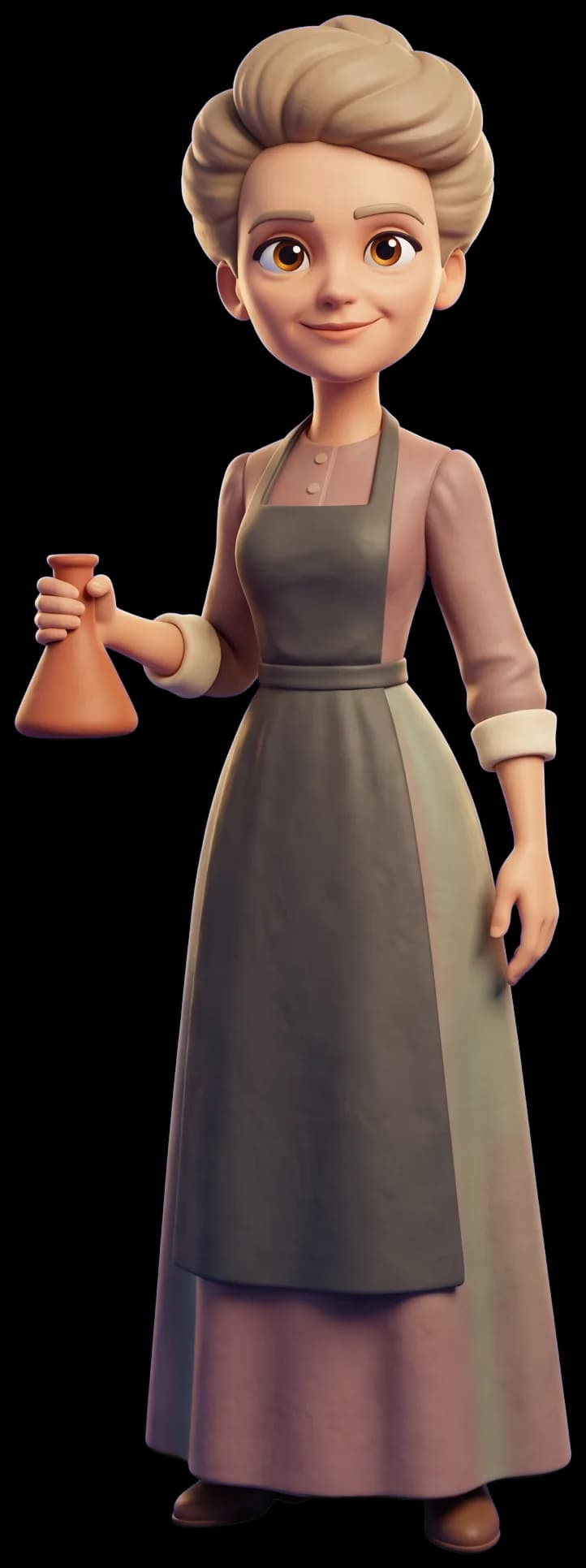

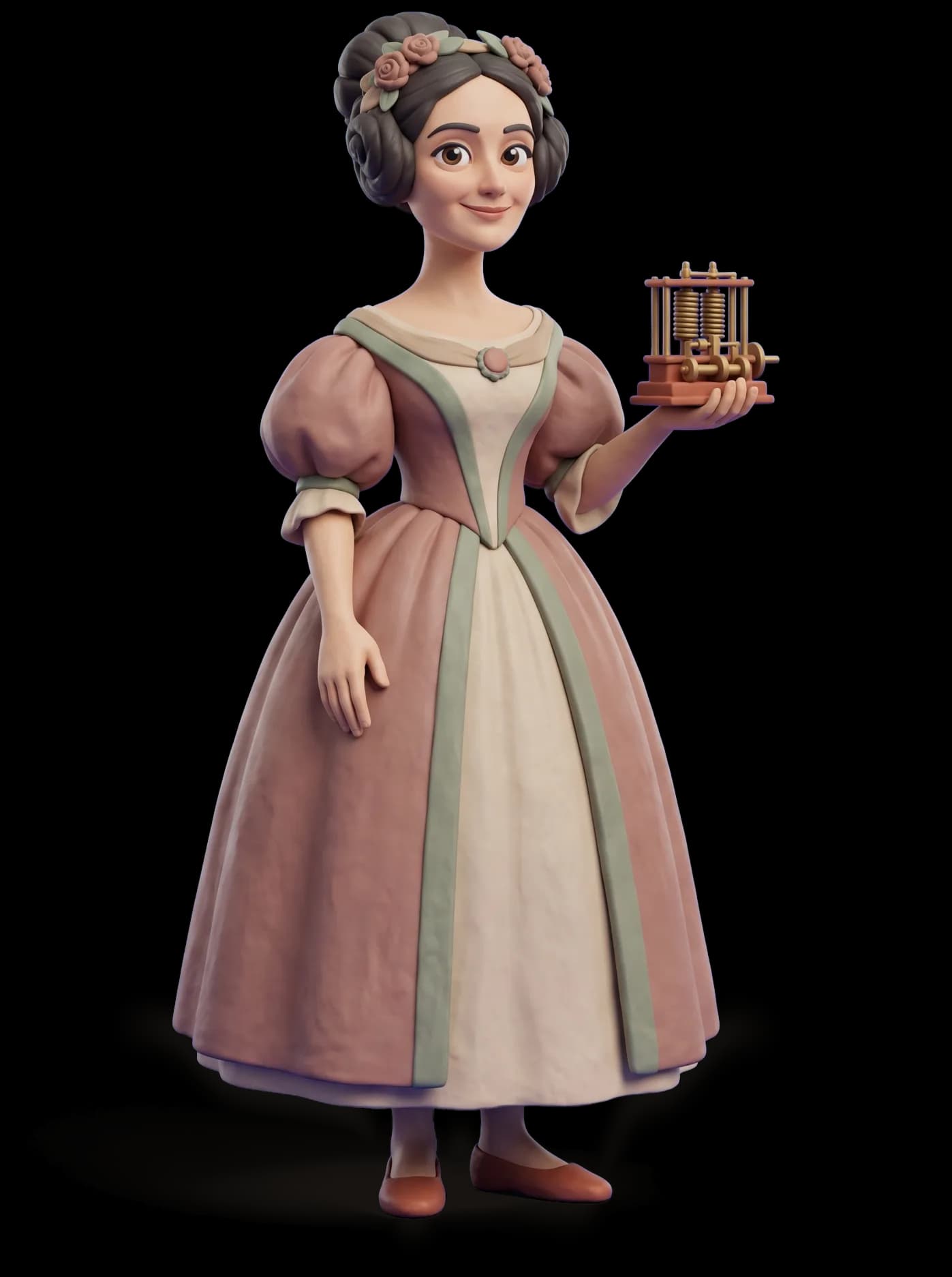
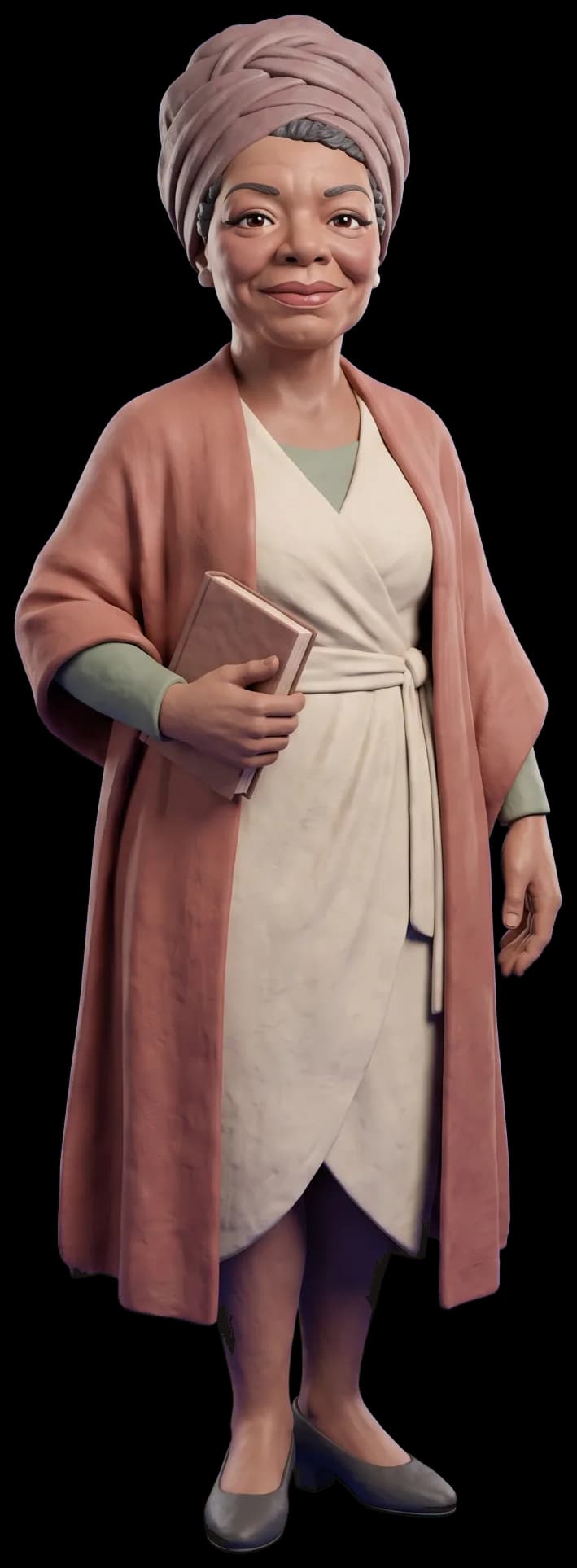

Hermione Granger is a useful Sage comparison because learning and preparation are visible parts of how she approaches problems in Harry Potter. Her example also exposes a limit of the label: knowledge can support action, but possessing information does not settle every decision. Mr. Miyagi offers a different emphasis in The Karate Kid, making practice part of understanding rather than treating wisdom as a collection of facts.
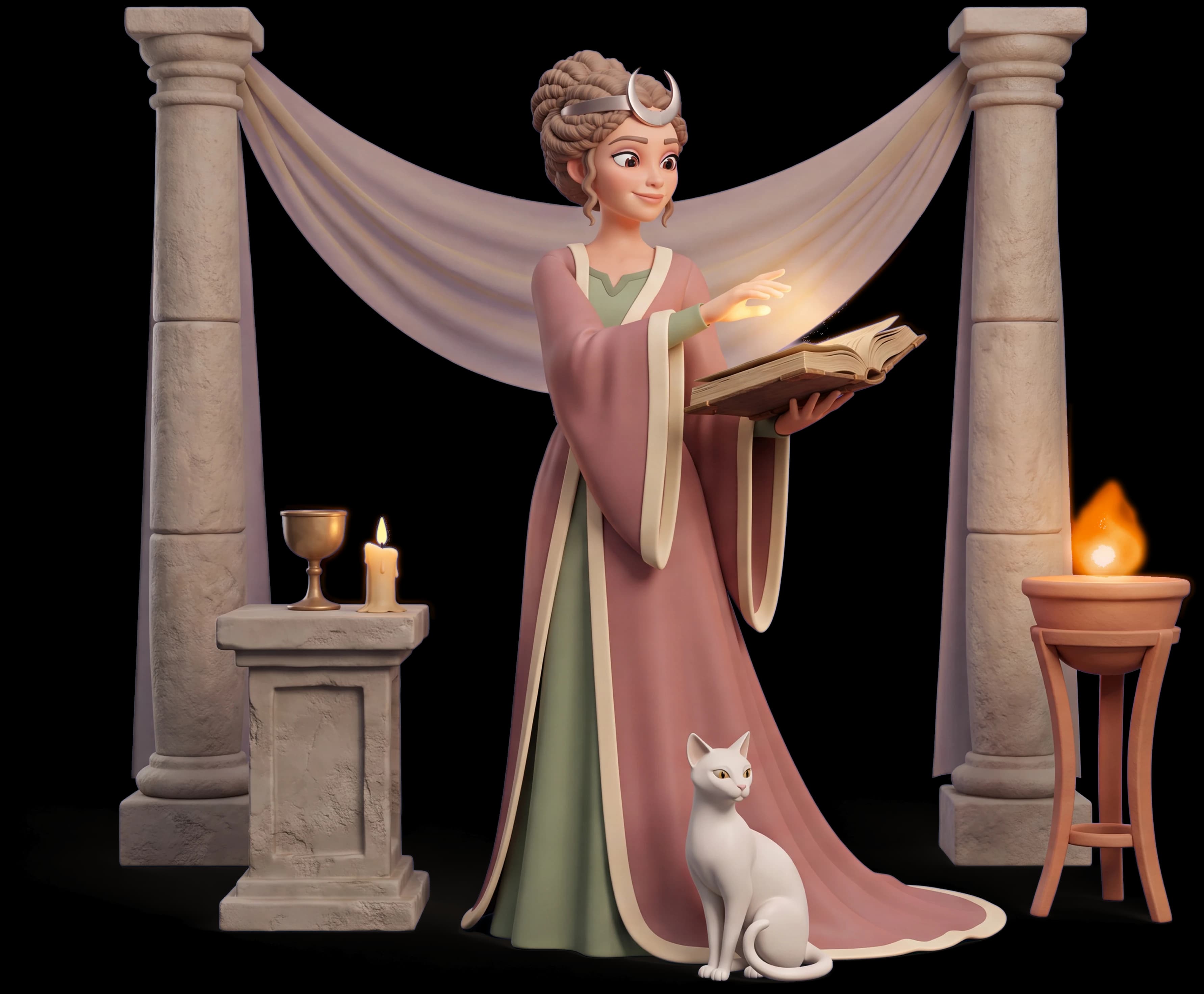
The Sage vs. The High Priestess
In our collection, the Sage emphasizes understanding through evidence, questions and careful thought; The High Priestess emphasizes protecting reflective space, privacy and personally meaningful rituals. The same action can fit both descriptions. Compare what the person is trying to achieve and what they are prepared to give up, rather than judging by the action alone. Read about The High Priestess
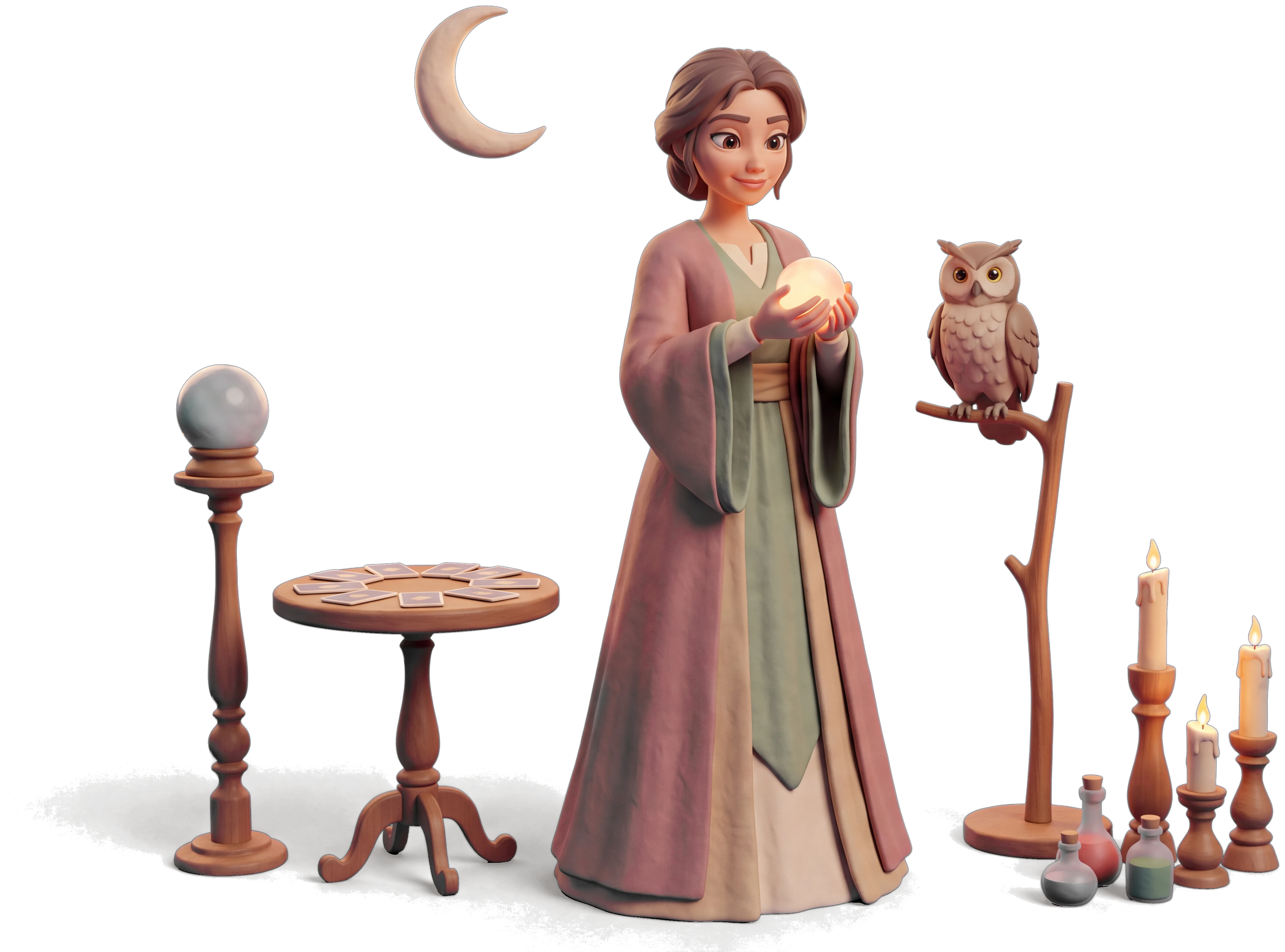
The Sage vs. The Mystic
In our collection, the Sage emphasizes understanding through evidence, questions and careful thought; The Mystic emphasizes exploring inward experience, meaning and questions that resist quick answers. The same action can fit both descriptions. Compare what the person is trying to achieve and what they are prepared to give up, rather than judging by the action alone. Read about The Mystic

Also related: The Mother
The Mother archetype represents nurturing growth through sustained care, attention and a supportive environment.
Sources and interpretation
- Carol S. Pearson: the twelve-archetype system
The author explains her own model’s development. Our labels and quiz are a separate interpretation.
Published by Rare Personas. Our explanations and illustrative exercises are interpretations; the references support the specific background described above. Read about our approach and content responsibility. To suggest a correction, send the passage and page URL through our contact page.
Is the Sage your archetype?
Explore your answers with the archetype quiz. Your leading match and a short description are free; the full report is optional and paid.