
The Mother Archetype
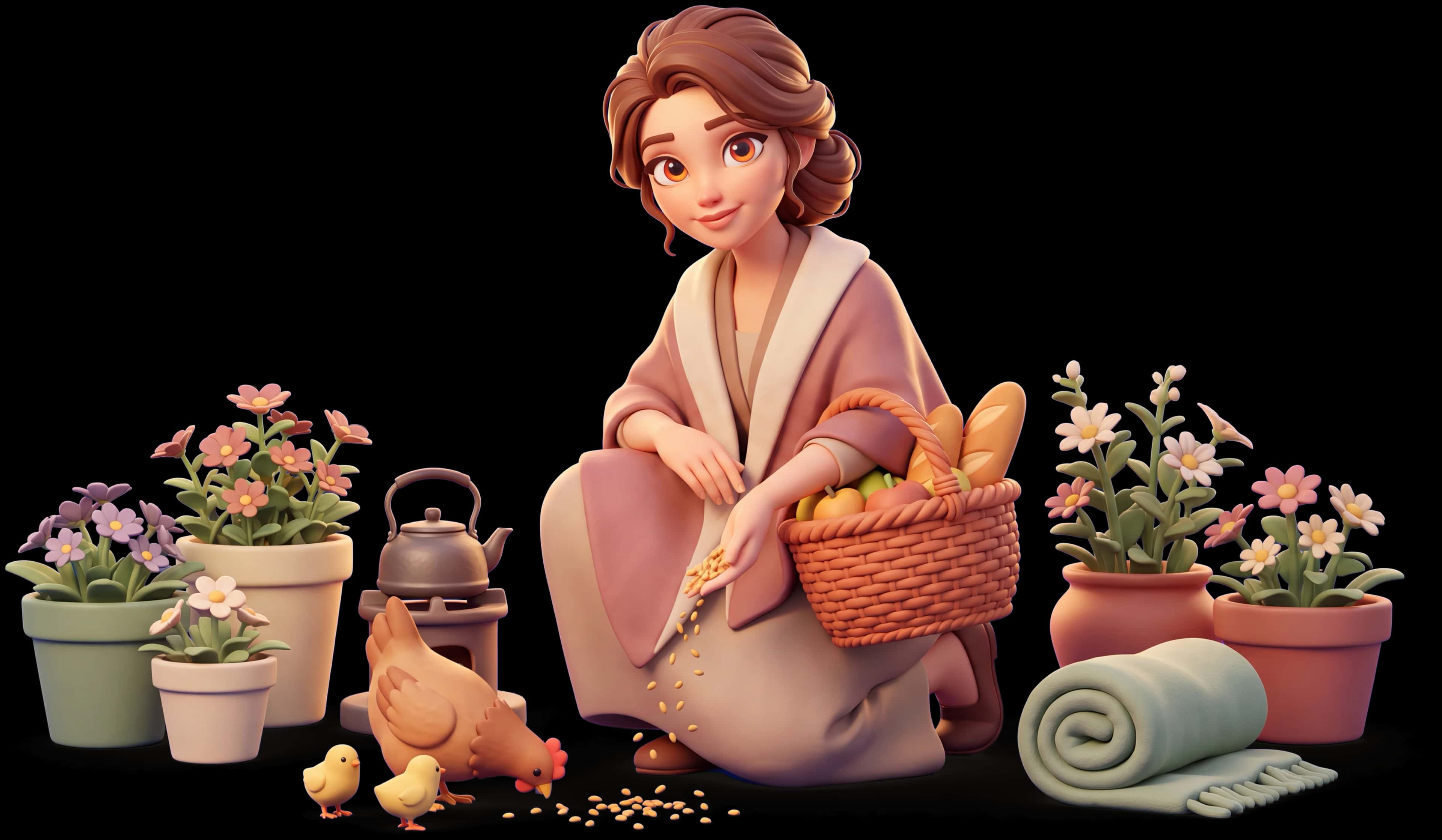
The Mother archetype represents nurturing growth through sustained care, attention and a supportive environment.
What the Mother archetype means
In the Rare Personas collection, the Mother represents nurturing growth through sustained care, attention and a supportive environment. Read it as a symbolic pattern for reflection or character writing, rather than a fixed kind of person.
Mother is a symbolic role here, not a requirement to have children or to put everyone else first. We distinguish nurturing someone’s growth from managing their life for them.
Mother archetype traits
- Nurturing
- Generous
- Steady
- Protective
- Practical
- Warm
Strengths
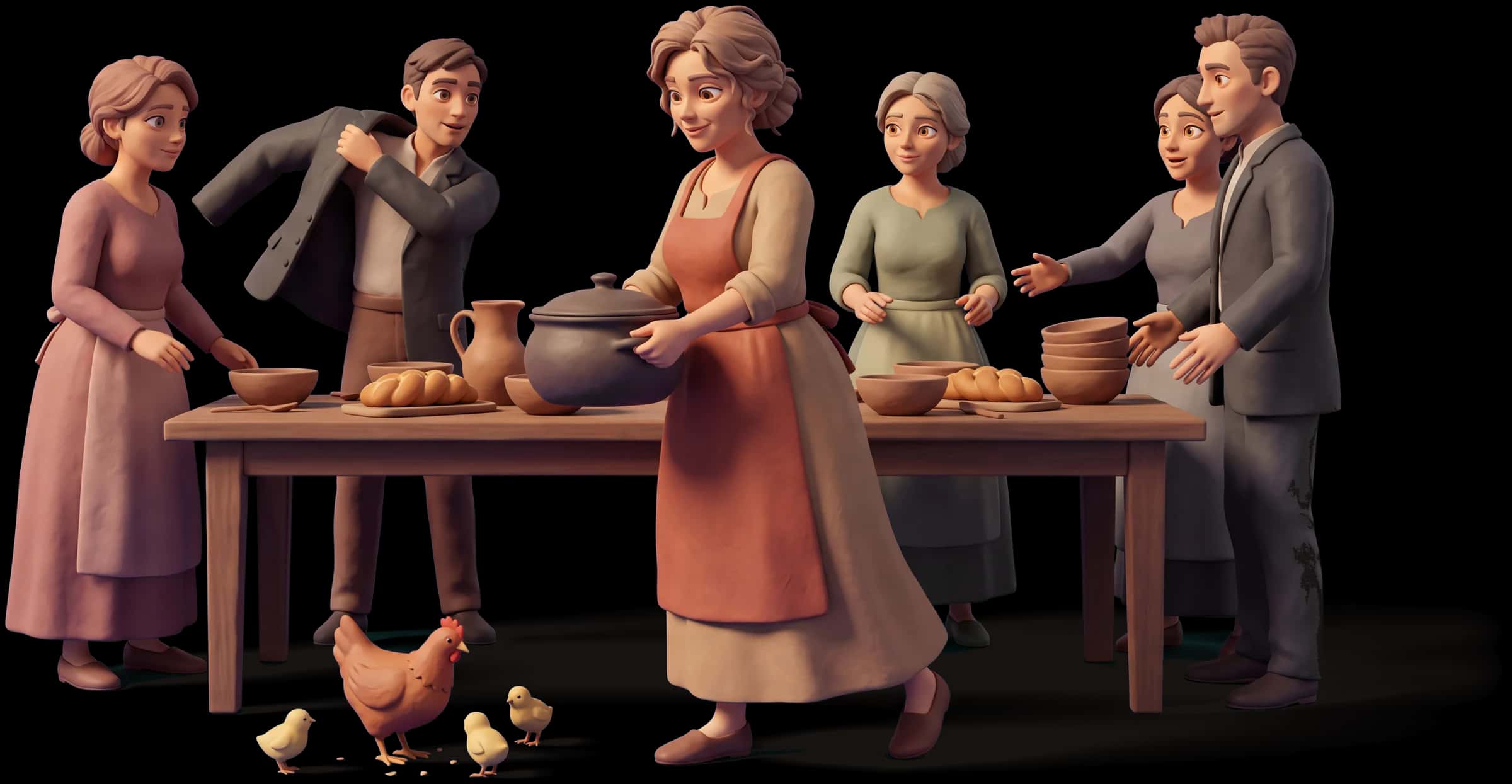
- Creates spaces where people feel safe and fed, in every sense
- Asks about needs that may be easy to miss
- Steady in a crisis when someone must hold things together
- Grows people, teams and projects with patient care
Shadow side
- Gives until empty and calls exhaustion love
- Care can slide into control and smothering
- May resent never being cared for in return, silently
- Struggles to let people make their own mistakes
Questions for exploring the Mother
- What draws you toward nurturing growth through sustained care, attention and a supportive environment?
- When has this approach helped you, and when has a different approach worked better?
- What would you notice if a different interpretation of the same situation were true?
These questions invite reflection; they are not diagnostic criteria. Look for an example that does not fit as well as one that does.
The Mother as a woman
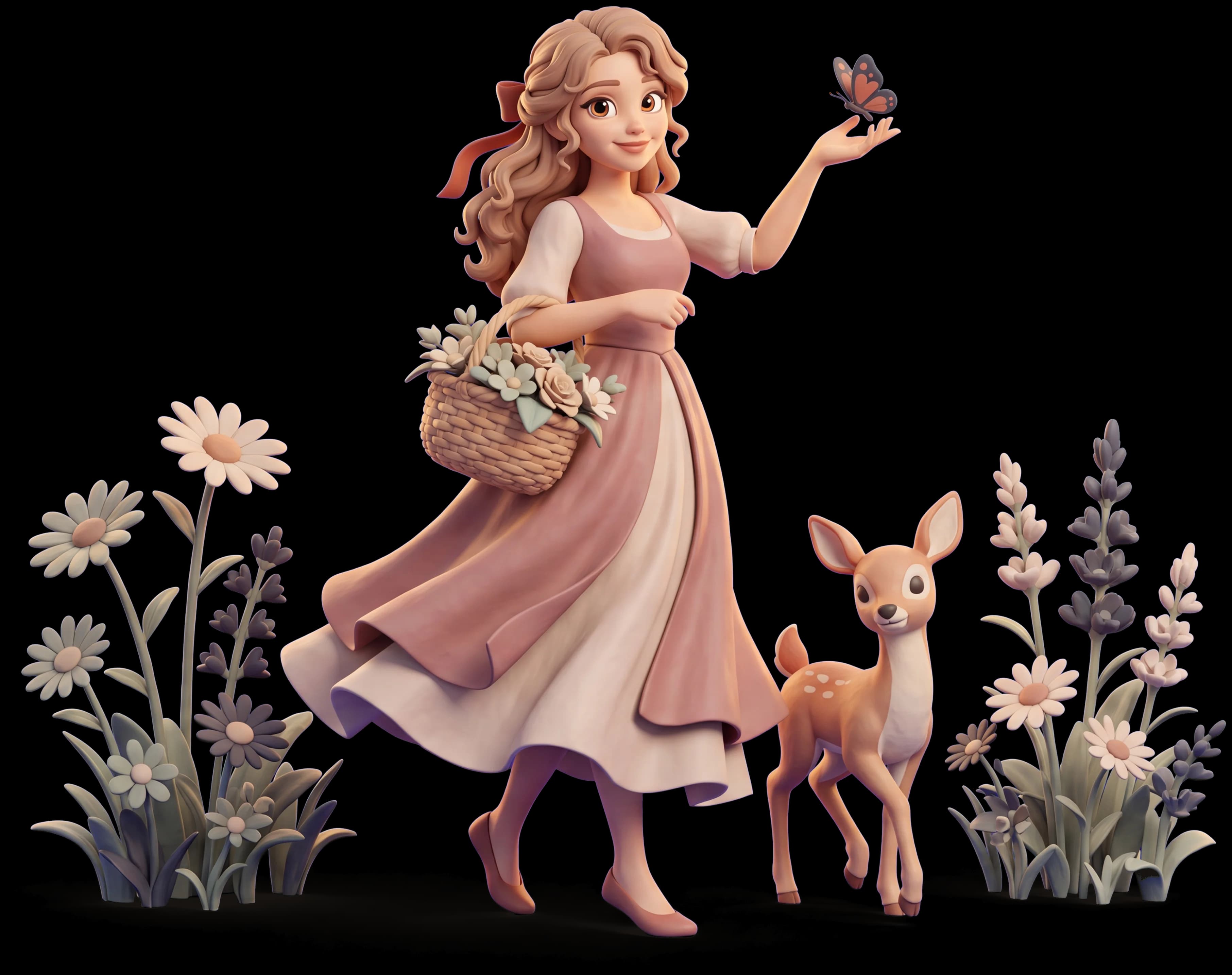
The female illustration is one way to picture this role. The theme of nurturing growth through sustained care, attention and a supportive environment is available to anyone. The image and label do not prescribe how a woman or man should behave.
The Mother archetype in relationships
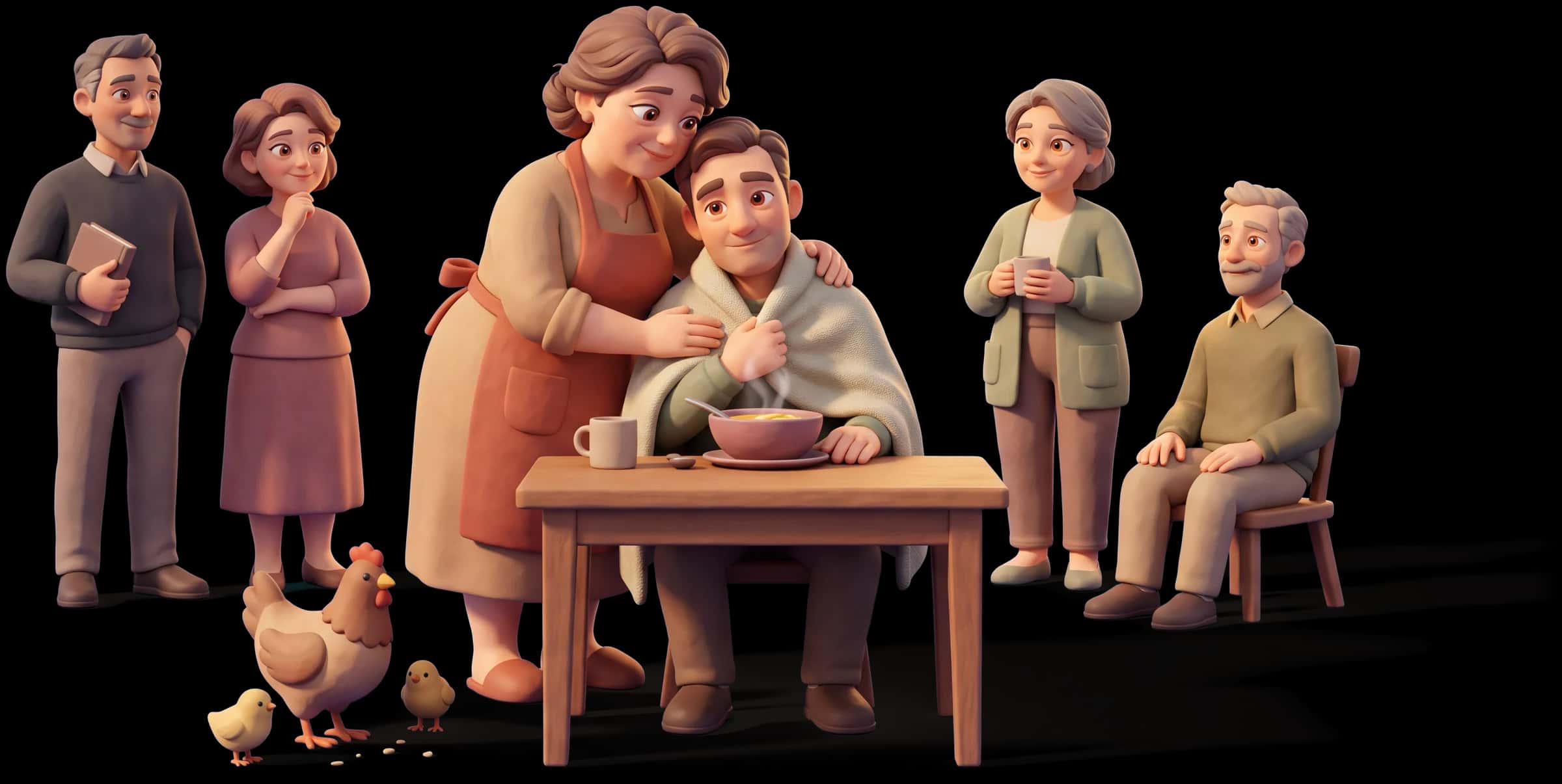
Care can include food, time, encouragement or simply listening. It also includes being clear about your limits and letting other adults carry responsibilities that belong to them.
The Mother in everyday life and at work
A Mother choice in practice
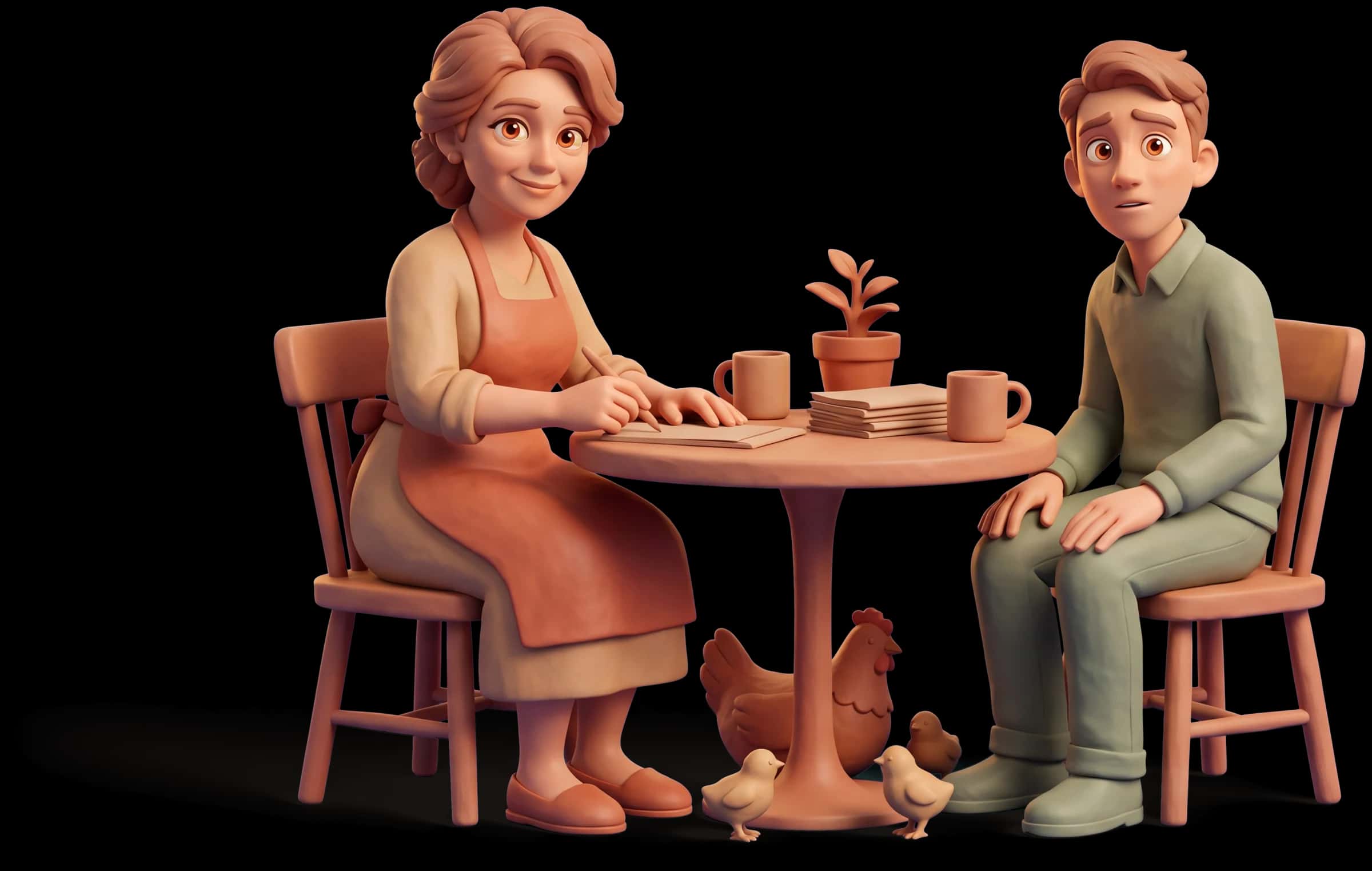
Someone is learning a difficult task. You make space for practice, offer encouragement and let them attempt the next step without taking it over.
Support can make growth possible. Doing the task every time may protect someone from frustration while also preventing them from learning.
Ask what kind of support is useful, then leave one manageable step in the learner’s hands.
Settings in which to explore this theme
- Teaching and mentoring
- Healthcare and nursing
- People operations and HR
- Food and hospitality
- Leading close-knit teams
The Mother's growth path
After trying it, describe what happened without using an archetype label. Keep the practice if it helps; change it if it does not. A different choice does not mean you have passed or failed a personality test.
Where the Mother archetype comes from
Jung discussed the mother archetype in his writing on archetypes and the collective unconscious. Our profile adapts a nurture theme for reflection; its descriptions, gender presentation and scoring are not a psychological instrument created by Jung.
Mother archetype examples
Illustrative comparisons, not assessed personality types. Fictional characters can fit several readings, and public figures are shown for their public work or image rather than claims about their private lives.


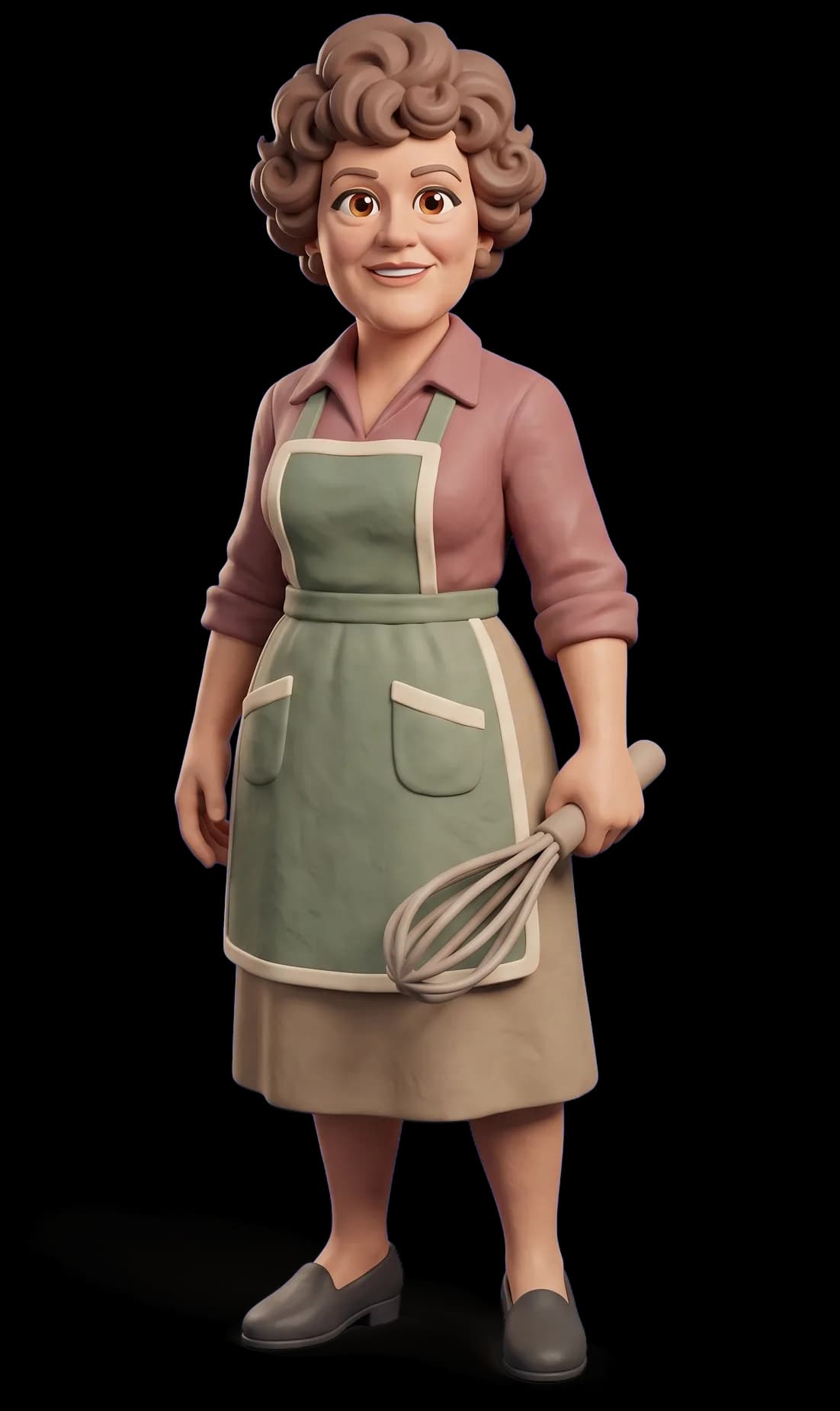
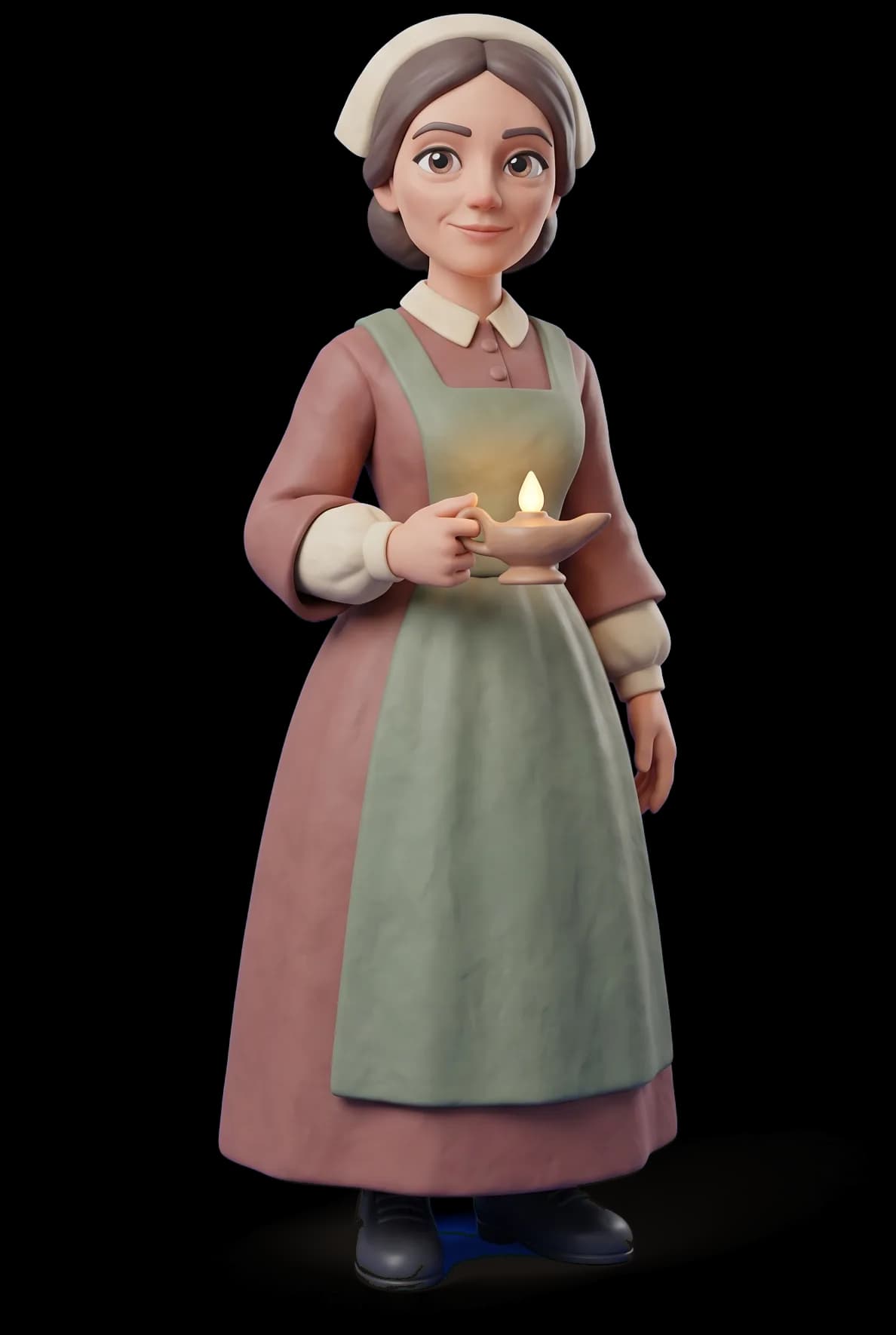
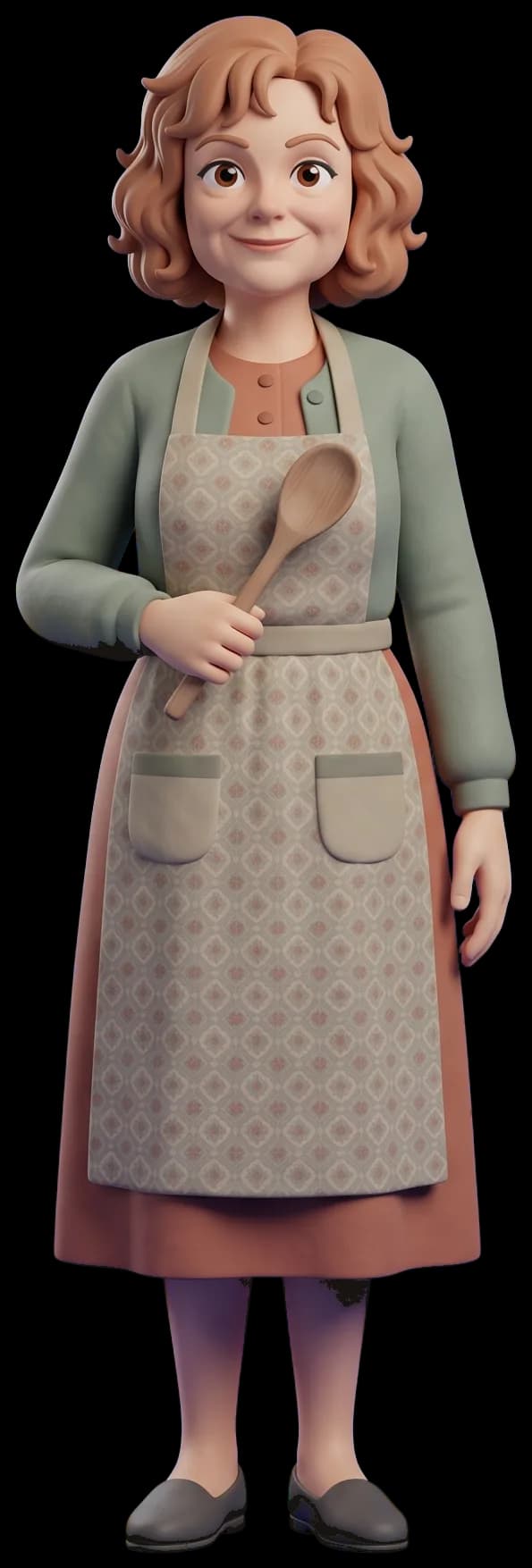
Molly Weasley in Harry Potter provides a recognizable image of sustained household care. A Mother reading can examine the work that makes other people’s activities possible, including practical preparation and attention. The symbolic theme is available to someone without children; it concerns nurturing, not a required family role.
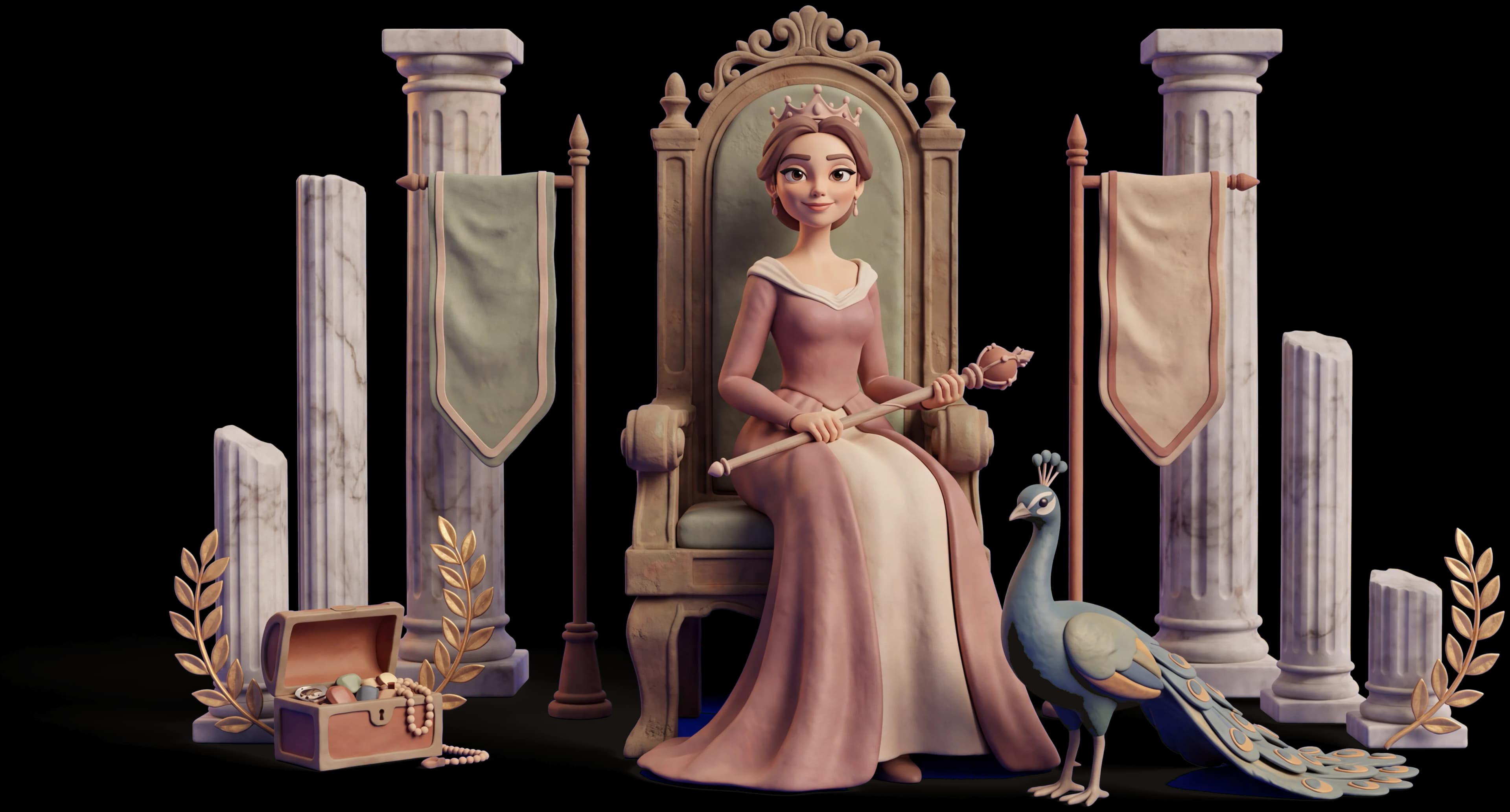
The Mother vs. The Queen
In our collection, the Mother emphasizes nurturing growth through sustained care, attention and a supportive environment; The Queen emphasizes taking responsibility through clear standards, coordination and considered decisions. The same action can fit both descriptions. Compare what the person is trying to achieve and what they are prepared to give up, rather than judging by the action alone. Read about The Queen
The Mother vs. The Maiden
In our collection, the Mother emphasizes nurturing growth through sustained care, attention and a supportive environment; The Maiden emphasizes approaching beginnings with openness, curiosity and a willingness to learn. The same action can fit both descriptions. Compare what the person is trying to achieve and what they are prepared to give up, rather than judging by the action alone. Read about The Maiden

Also related: The Sage
The Sage archetype represents understanding through evidence, questions and careful thought.
Sources and interpretation
- C. G. Jung: The Archetypes and the Collective Unconscious
The original volume provides background on archetypal ideas, including the mother theme. It does not describe this website’s quiz.
Published by Rare Personas. Our explanations and illustrative exercises are interpretations; the references support the specific background described above. Read about our approach and content responsibility. To suggest a correction, send the passage and page URL through our contact page.
Is the Mother your archetype?
Explore your answers with the archetype quiz. Your leading match and a short description are free; the full report is optional and paid.