
The Queen Archetype
The Queen archetype represents taking responsibility through clear standards, coordination and considered decisions.
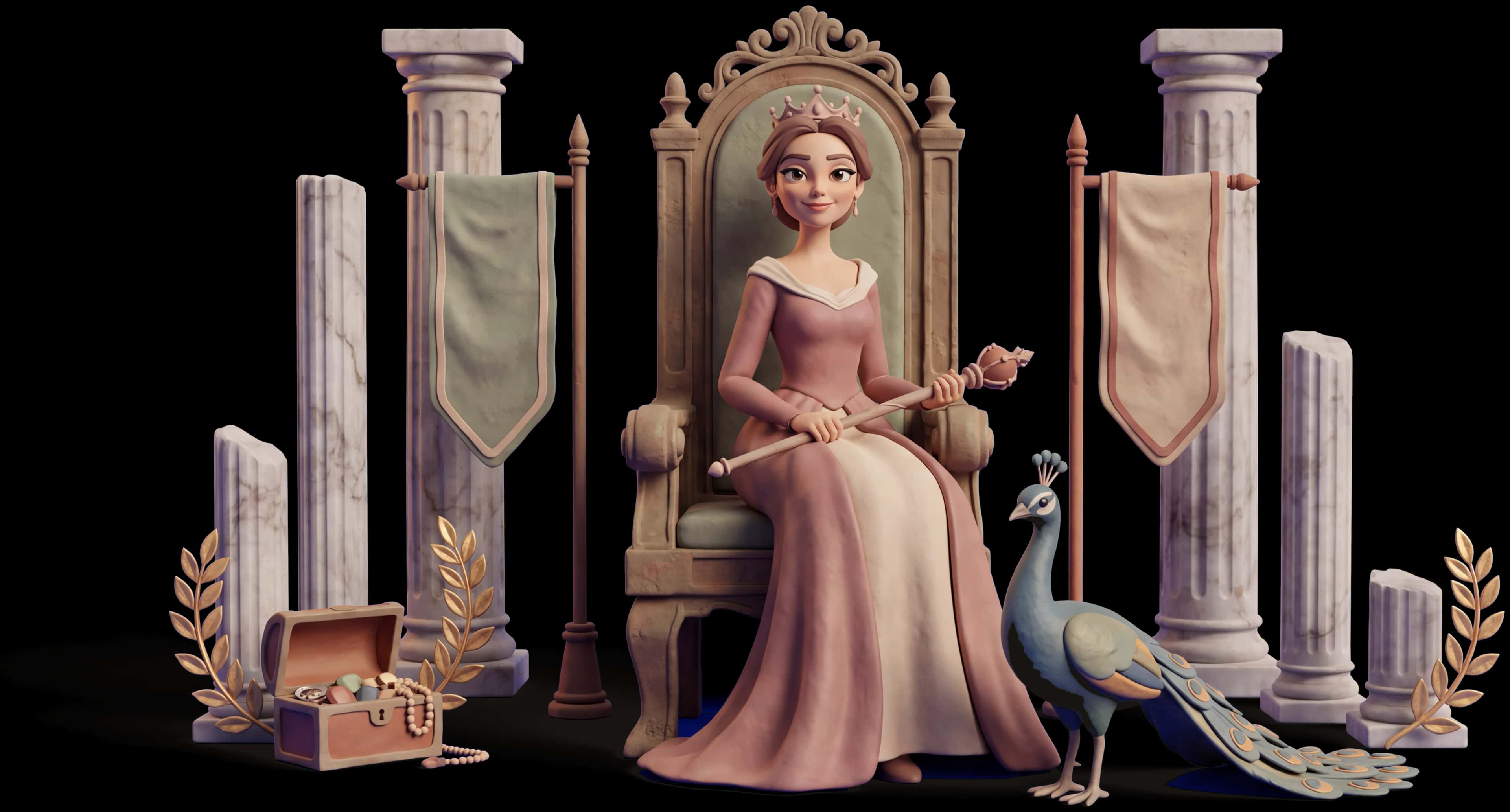
What the Queen archetype means
In the Rare Personas collection, the Queen represents taking responsibility through clear standards, coordination and considered decisions. Read it as a symbolic pattern for reflection or character writing, rather than a fixed kind of person.
Queen is a symbolic leadership role, not a rank of womanhood. A person can set standards while accepting feedback, sharing power and changing a decision.
Queen archetype traits
- Composed
- Decisive
- Loyal
- Fair
- Ambitious
- Dignified
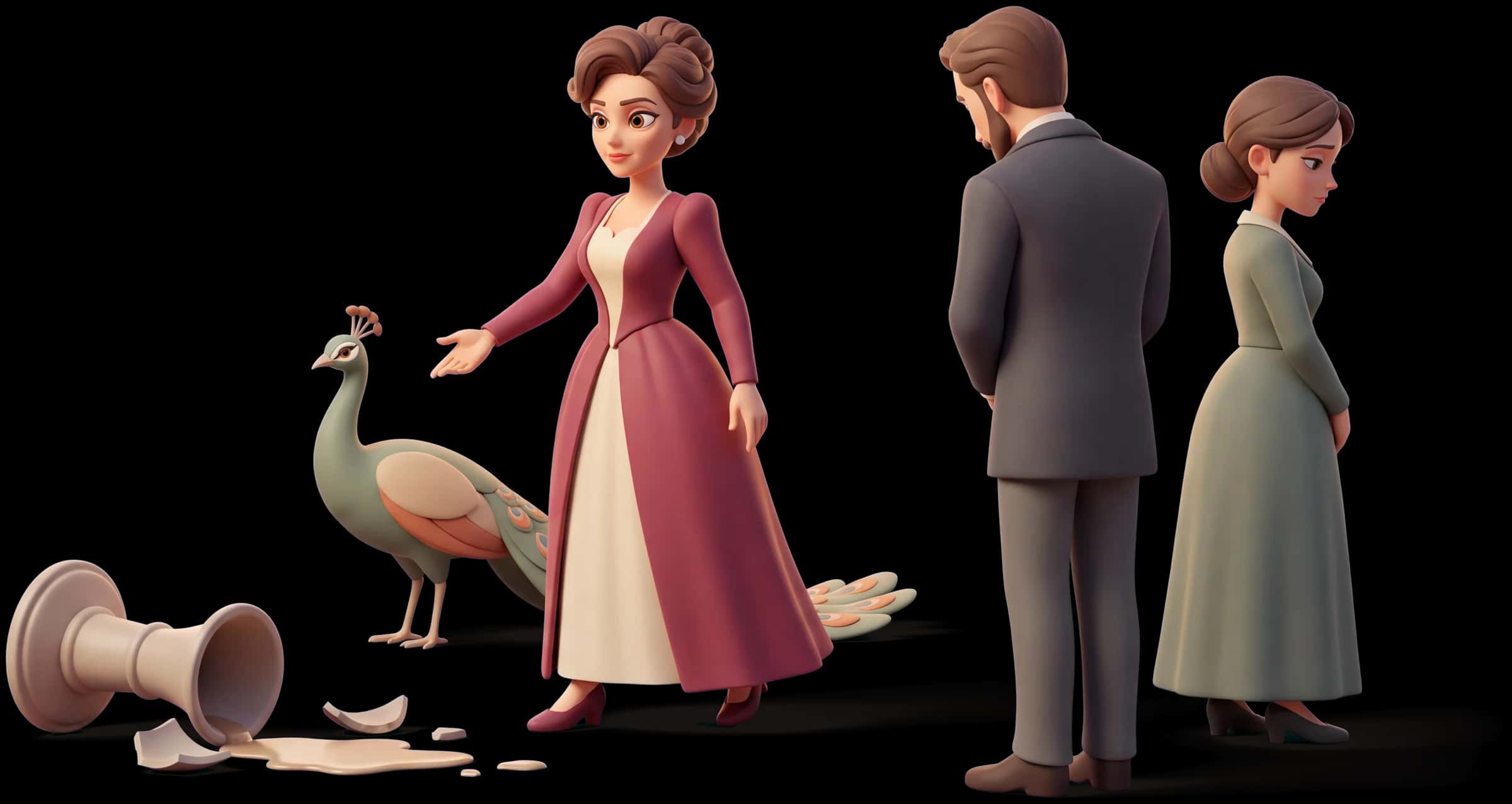
Strengths
- Takes responsibility when others look away
- Holds standards that lift everyone around her
- Makes hard decisions without cruelty
- Builds things designed to last
Shadow side
- Standards can turn into perfectionism and harsh judgment
- May confuse being respected with being in control
- Struggles to show weakness even to those closest
- Can treat disagreement as disloyalty
Questions for exploring the Queen
- What draws you toward taking responsibility through clear standards, coordination and considered decisions?
- When has this approach helped you, and when has a different approach worked better?
- What would you notice if a different interpretation of the same situation were true?
These questions invite reflection; they are not diagnostic criteria. Look for an example that does not fit as well as one that does.
The Queen as a woman
The female illustration is one way to picture this role. The theme of taking responsibility through clear standards, coordination and considered decisions is available to anyone. The image and label do not prescribe how a woman or man should behave.
The Queen archetype in relationships
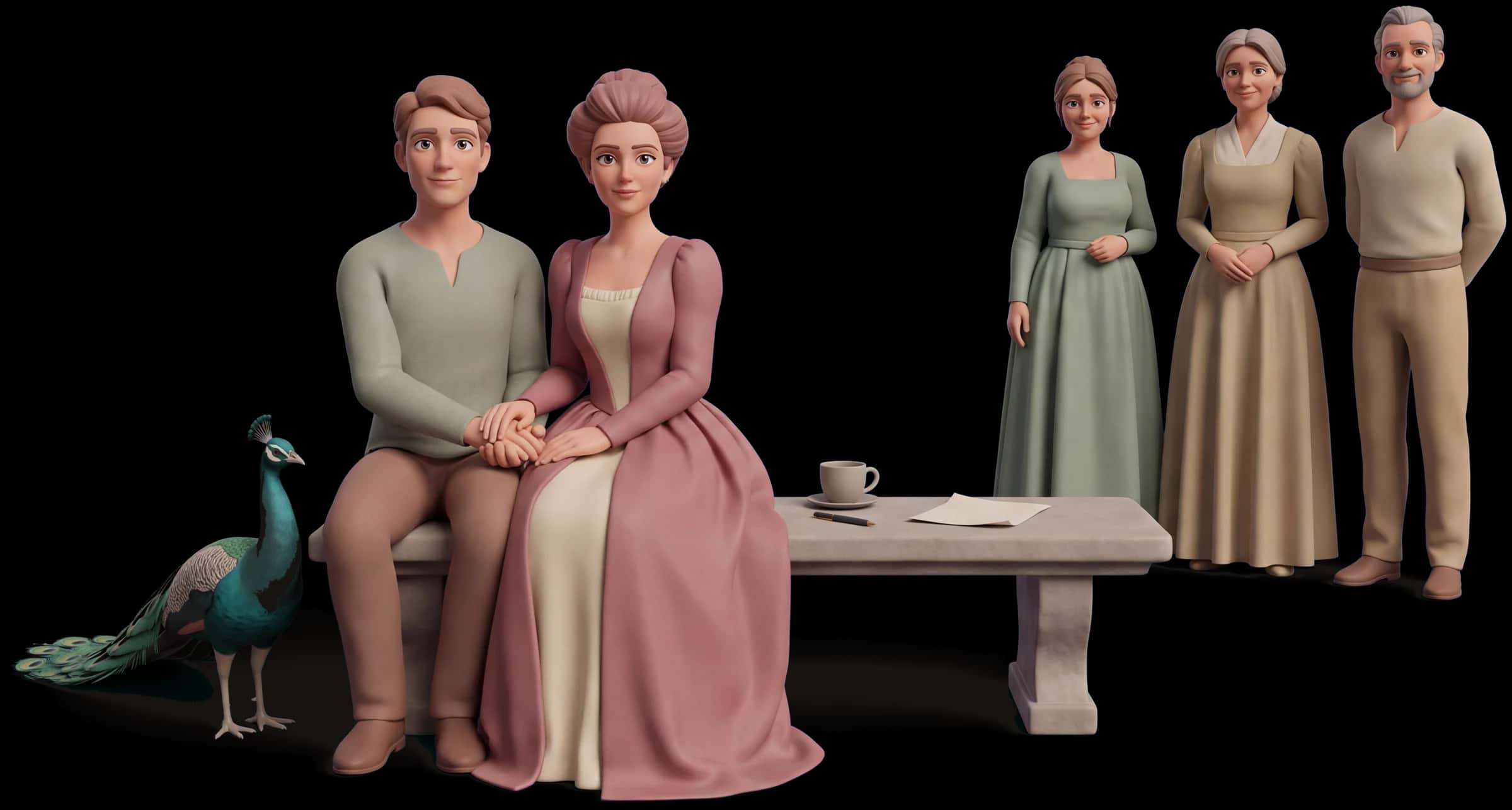
Reliability and clear expectations can help a relationship. They work best when negotiated, rather than delivered as rules the other person is expected to follow.
The Queen in everyday life and at work
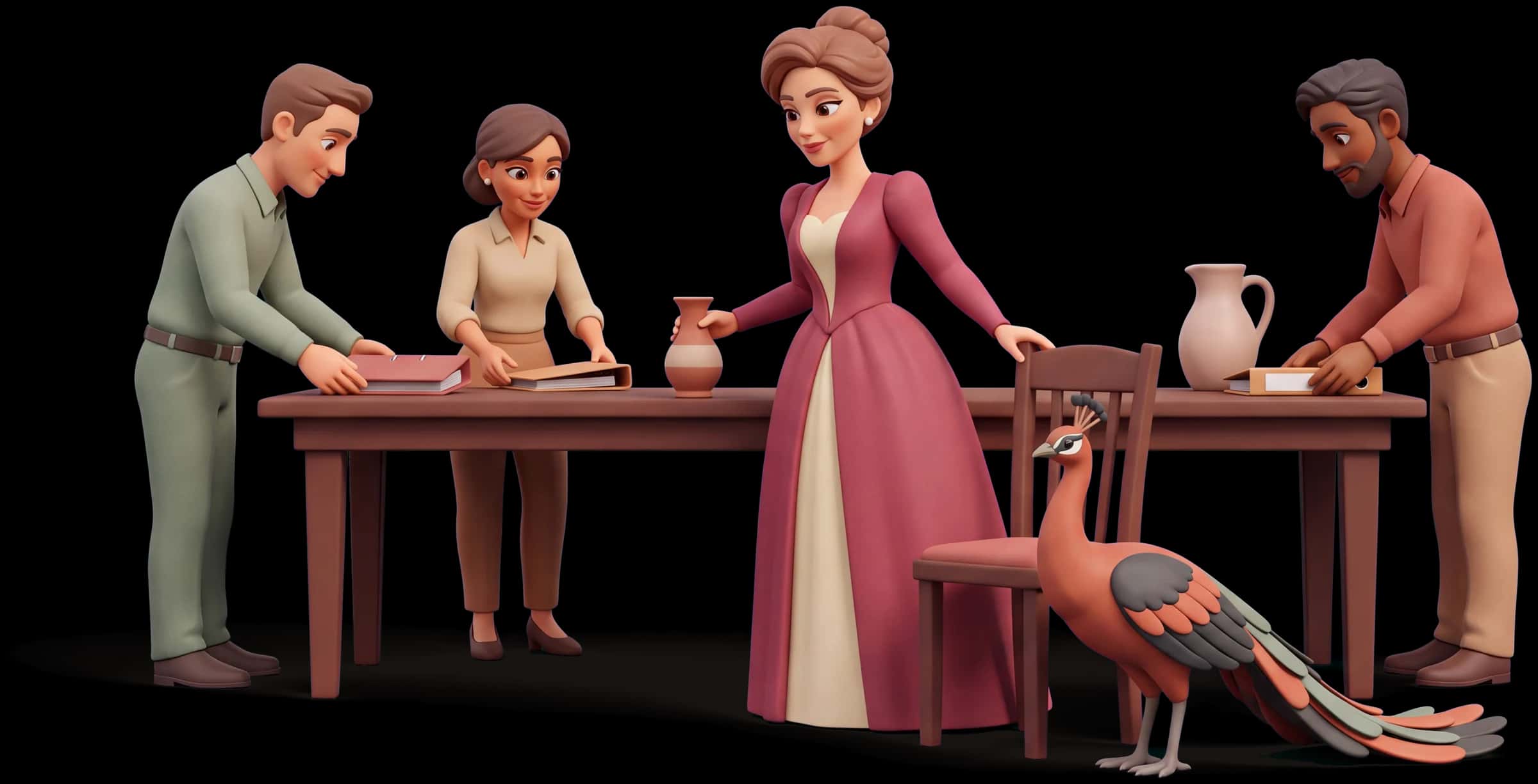
A Queen choice in practice
A group event is drifting without a plan. You agree on priorities, divide the work and ask which expectations are unrealistic.
Coordination helps when everyone understands the plan. Standards become control when only one person is allowed to define what counts as good enough.
Explain the reason for one standard and invite the people affected to revise how it will be met.
Settings in which to explore this theme
- Executive leadership
- Founder and business owner
- Operations and program management
- Law, policy and governance
- Chairing boards and committees
The Queen's growth path
After trying it, describe what happened without using an archetype label. Keep the practice if it helps; change it if it does not. A different choice does not mean you have passed or failed a personality test.
Where the Queen archetype comes from
Queen is part of Rare Personas’ own female archetype collection. We use royal imagery for responsibility and coordination, not as evidence of an inherited personality, a universal female type or a required stage of development.
Queen archetype examples
Illustrative comparisons, not assessed personality types. Fictional characters can fit several readings, and public figures are shown for their public work or image rather than claims about their private lives.





Daenerys Targaryen in Game of Thrones makes authority and its consequences central to her story. A Queen reading asks what a leader believes entitles them to rule and how they respond to disagreement. The pattern can illuminate damaging control as well as effective leadership; it is not a compliment awarded by a title.

The Queen vs. The Ruler
In our collection, the Queen emphasizes taking responsibility through clear standards, coordination and considered decisions; The Ruler emphasizes creating order through systems, standards and accountable decisions. The same action can fit both descriptions. Compare what the person is trying to achieve and what they are prepared to give up, rather than judging by the action alone. Read about The Ruler

The Queen vs. The Mother
In our collection, the Queen emphasizes taking responsibility through clear standards, coordination and considered decisions; The Mother emphasizes nurturing growth through sustained care, attention and a supportive environment. The same action can fit both descriptions. Compare what the person is trying to achieve and what they are prepared to give up, rather than judging by the action alone. Read about The Mother

Also related: The Lover
The Lover archetype represents seeking connection, affection and attentive engagement with experience.
Sources and interpretation
- Carol S. Pearson: the twelve-archetype system
The author explains her own model’s development. Our labels and quiz are a separate interpretation.
Published by Rare Personas. Our explanations and illustrative exercises are interpretations; the references support the specific background described above. Read about our approach and content responsibility. To suggest a correction, send the passage and page URL through our contact page.
Is the Queen your archetype?
Explore your answers with the archetype quiz. Your leading match and a short description are free; the full report is optional and paid.