
The Ruler Archetype
The Ruler archetype represents creating order through systems, standards and accountable decisions.
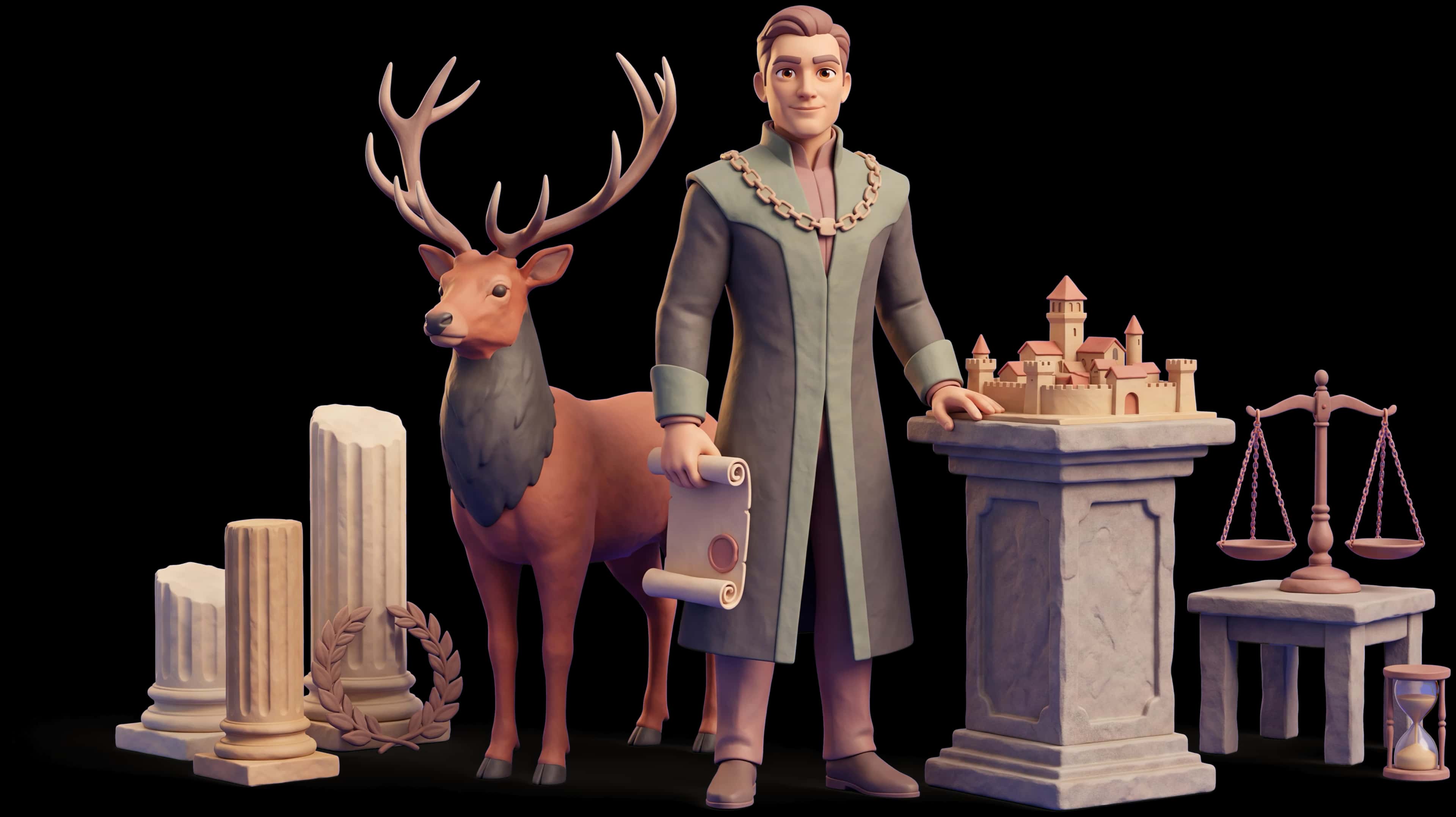
What the Ruler archetype means
In the Rare Personas collection, the Ruler represents creating order through systems, standards and accountable decisions. Read it as a symbolic pattern for reflection or character writing, rather than a fixed kind of person.
A Ruler theme is about how a system is organized, not entitlement to control people. Our King profile emphasizes stewardship, while this profile emphasizes the structure that makes responsibility visible.
Ruler archetype traits
- Responsible
- Organized
- Decisive
- Steady
- Protective
- Ambitious

Strengths
- Builds structure that outlasts the crisis
- Takes the blame along with the credit
- Decides quickly and stands by it
- Holds standards when cutting corners would be easier
Shadow side
- Control can tighten into micromanagement
- May read spontaneity as a threat
- Carries everything alone until it breaks him
- Status can quietly replace service
Questions for exploring the Ruler
- What draws you toward creating order through systems, standards and accountable decisions?
- When has this approach helped you, and when has a different approach worked better?
- What would you notice if a different interpretation of the same situation were true?
These questions invite reflection; they are not diagnostic criteria. Look for an example that does not fit as well as one that does.
The Ruler as a man
The male illustration is one way to picture this role. The theme of creating order through systems, standards and accountable decisions is available to anyone. The image and label do not prescribe how a woman or man should behave.
The Ruler archetype in relationships

A plan can reduce stress when both people have helped make it. Leave room for different habits and preferences instead of treating your system as the natural default.
The Ruler in everyday life and at work
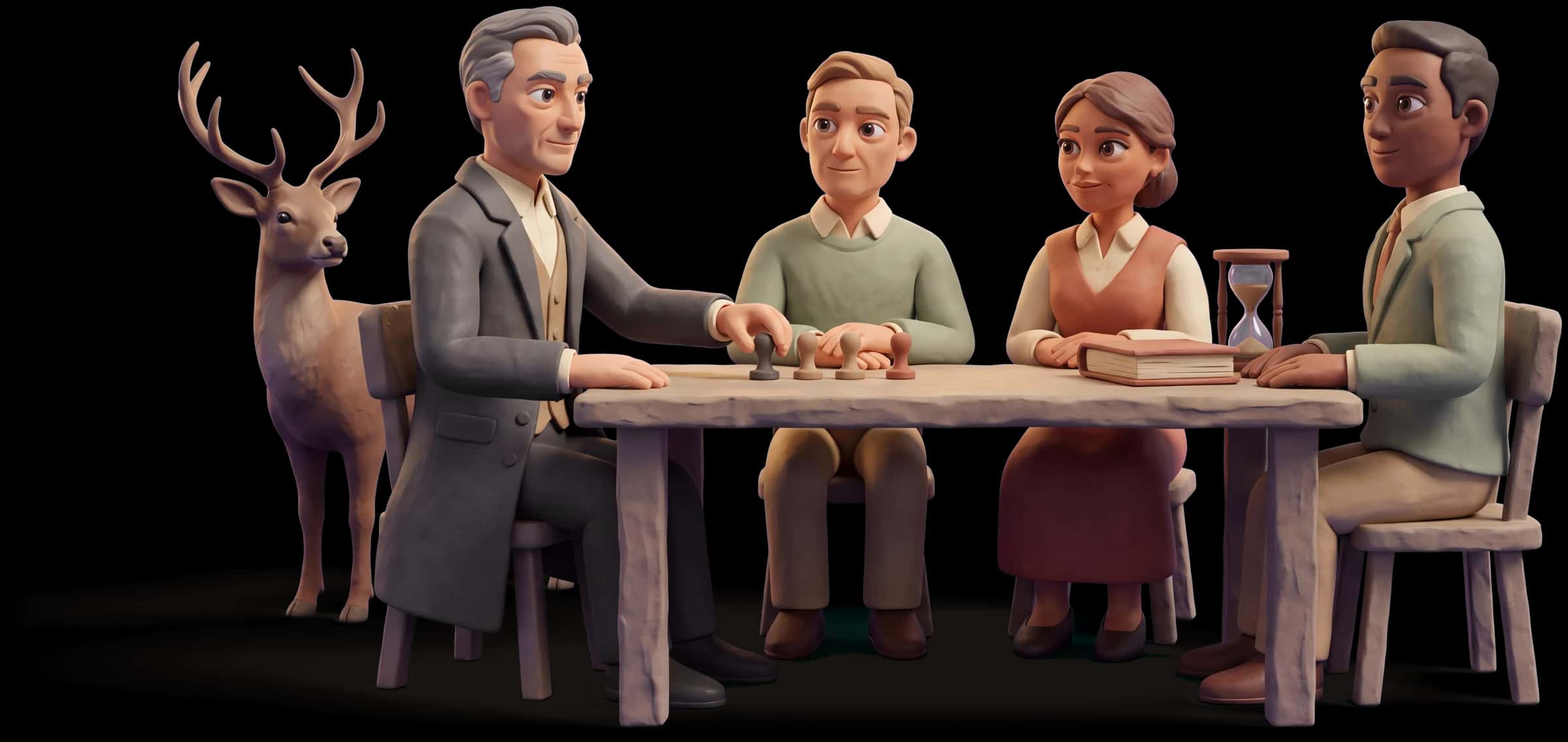
A Ruler choice in practice
A shared project repeatedly misses deadlines. You make ownership clear, agree on checkpoints and check whether the workload fits the available time.
Structure can reduce confusion. Adding a rule for every exception can make the system harder to use and discourage people from reporting problems.
Remove or simplify one rule that no longer serves its purpose. Keep a clear route for people to challenge the remaining rules.
Settings in which to explore this theme
- Executive leadership
- Operations and program management
- Law and governance
- Finance and planning
- Military and public administration
The Ruler's growth path
After trying it, describe what happened without using an archetype label. Keep the practice if it helps; change it if it does not. A different choice does not mean you have passed or failed a personality test.
Where the Ruler archetype comes from
Ruler is a label in later twelve-archetype frameworks. Our interpretation concerns order and accountability. It is not a leadership qualification or a type definition taken from a validated Jungian test.
Ruler archetype examples
Illustrative comparisons, not assessed personality types. Fictional characters can fit several readings, and public figures are shown for their public work or image rather than claims about their private lives.

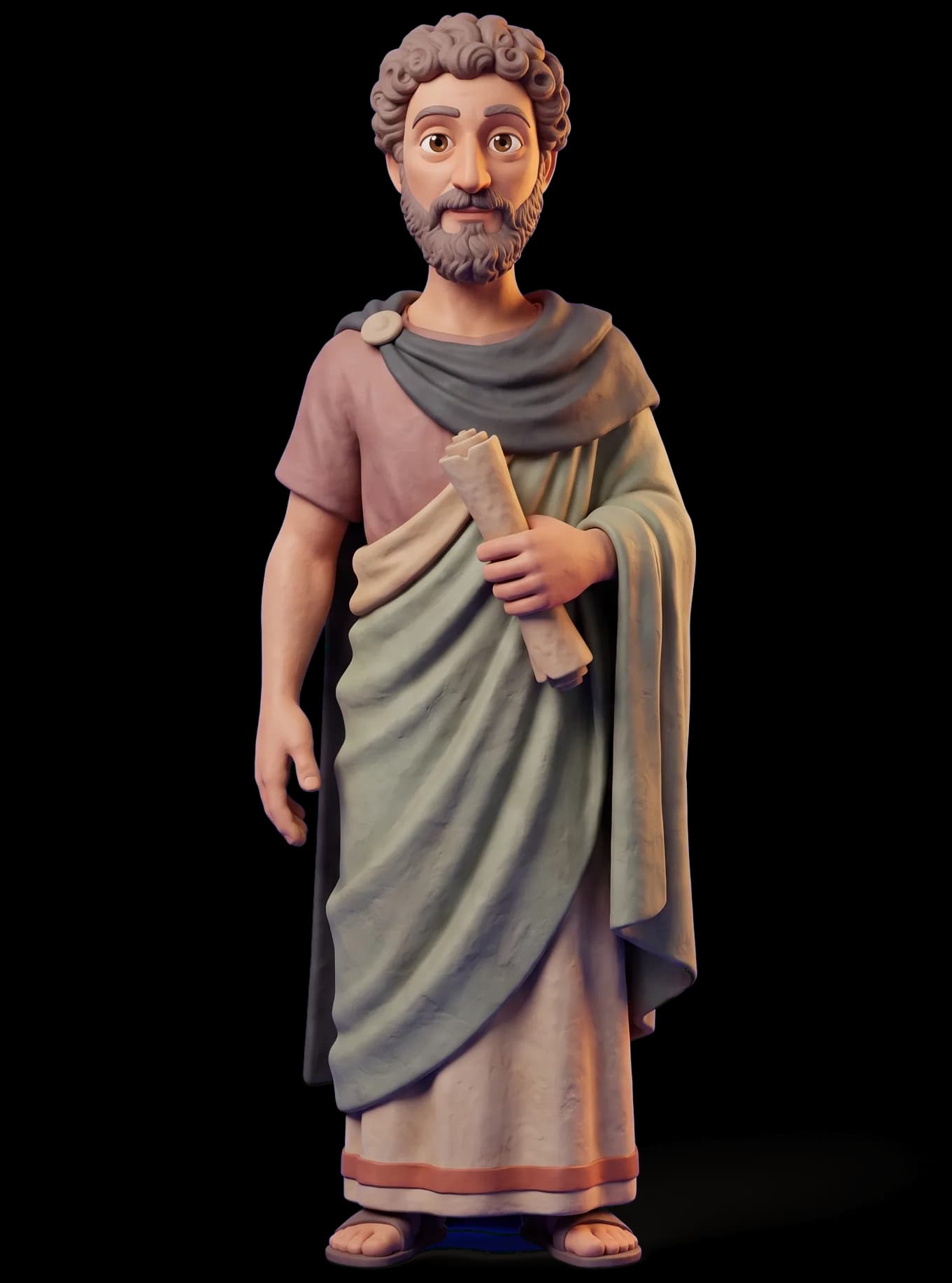


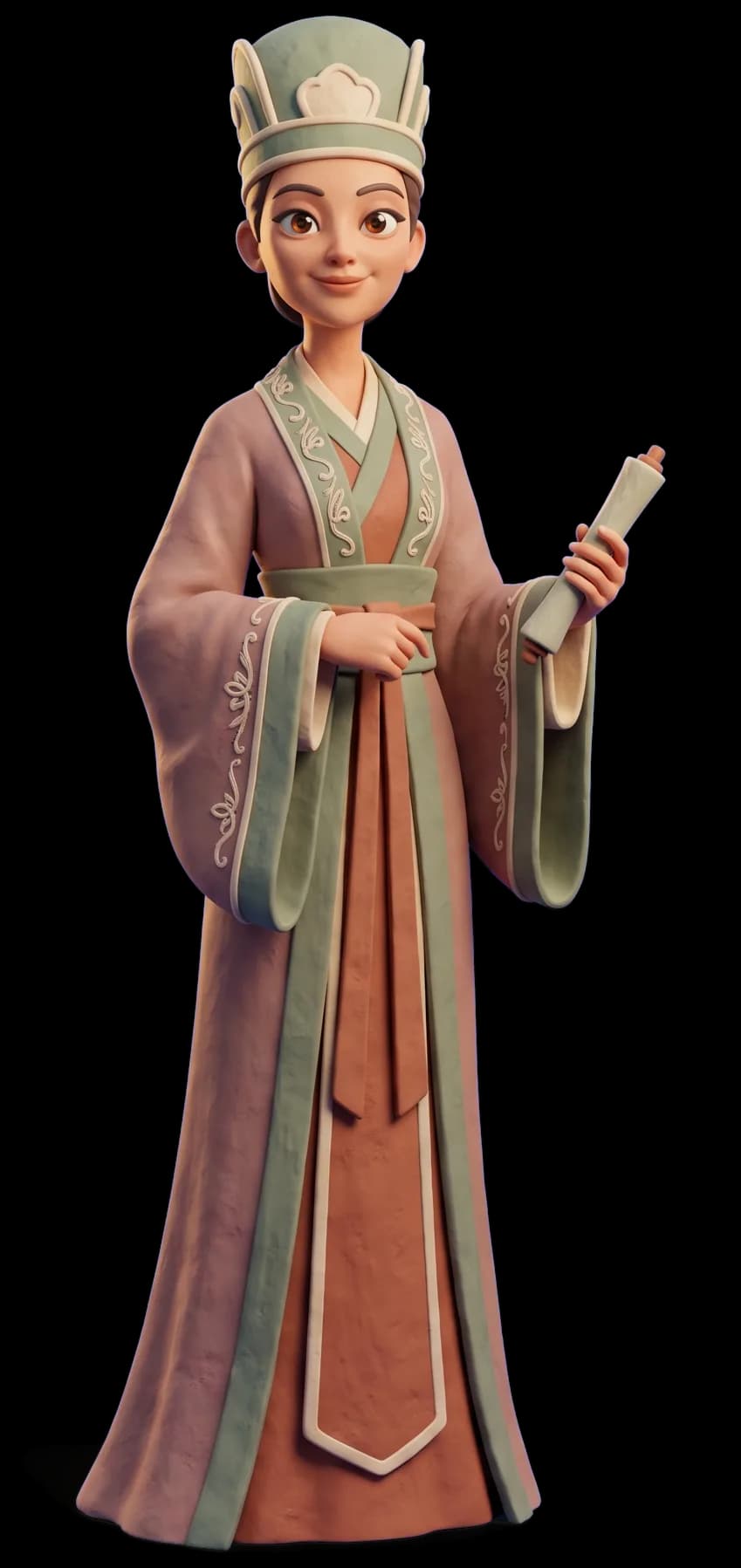
Vito Corleone in The Godfather offers a critical Ruler comparison: organization and authority can sustain a harmful system as well as a helpful one. The example separates the ability to create order from the ethical use of that order. An archetype describes a theme; it does not confer moral approval.
The Ruler vs. The King
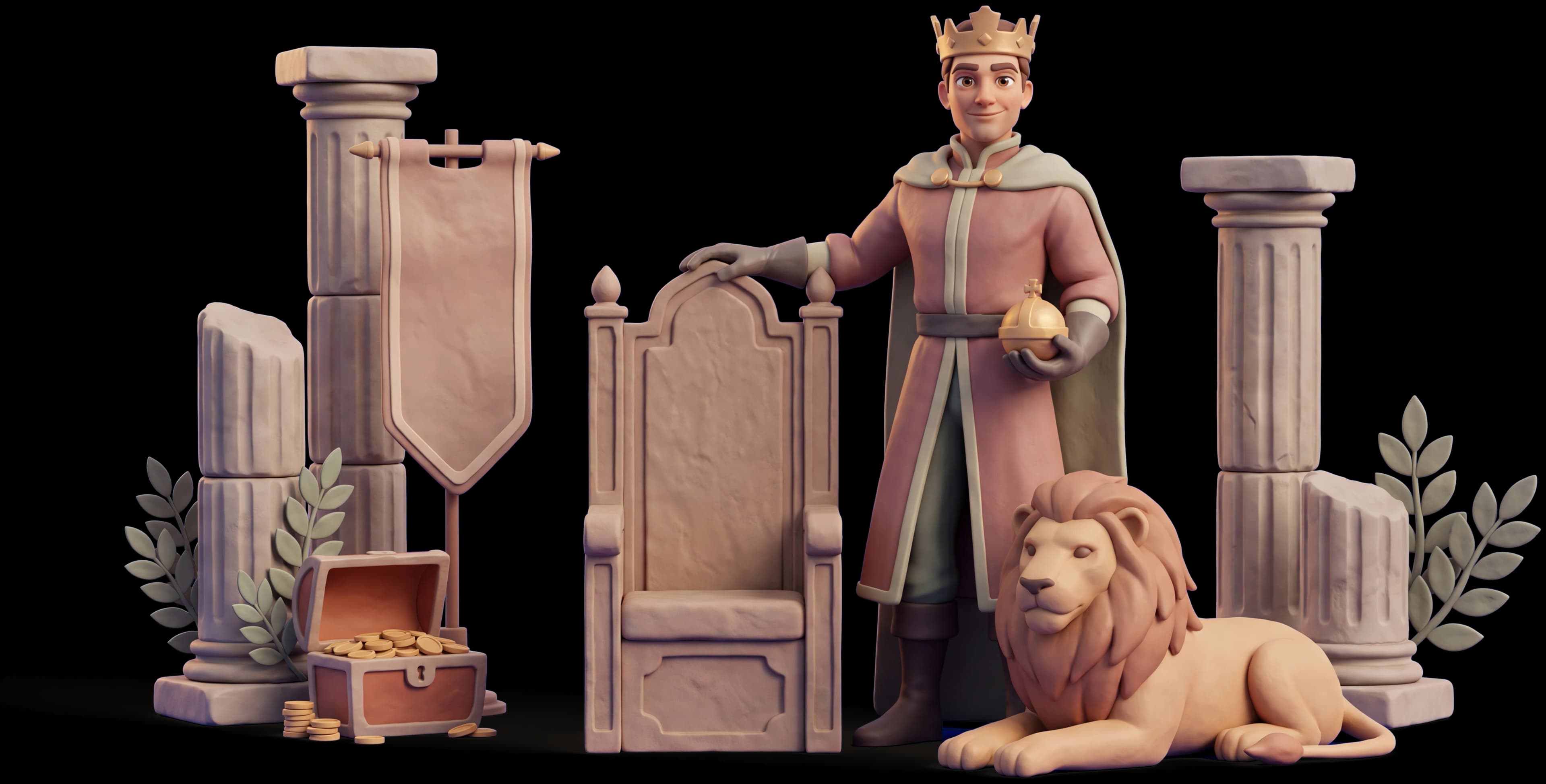
In our collection, the Ruler emphasizes creating order through systems, standards and accountable decisions; The King emphasizes using authority to create stability and support the people entrusted to you. The same action can fit both descriptions. Compare what the person is trying to achieve and what they are prepared to give up, rather than judging by the action alone. Read about The King

The Ruler vs. The Magician
In our collection, the Ruler emphasizes creating order through systems, standards and accountable decisions; The Magician emphasizes using insight into a system to change how it works. The same action can fit both descriptions. Compare what the person is trying to achieve and what they are prepared to give up, rather than judging by the action alone. Read about The Magician
Also related: The Queen
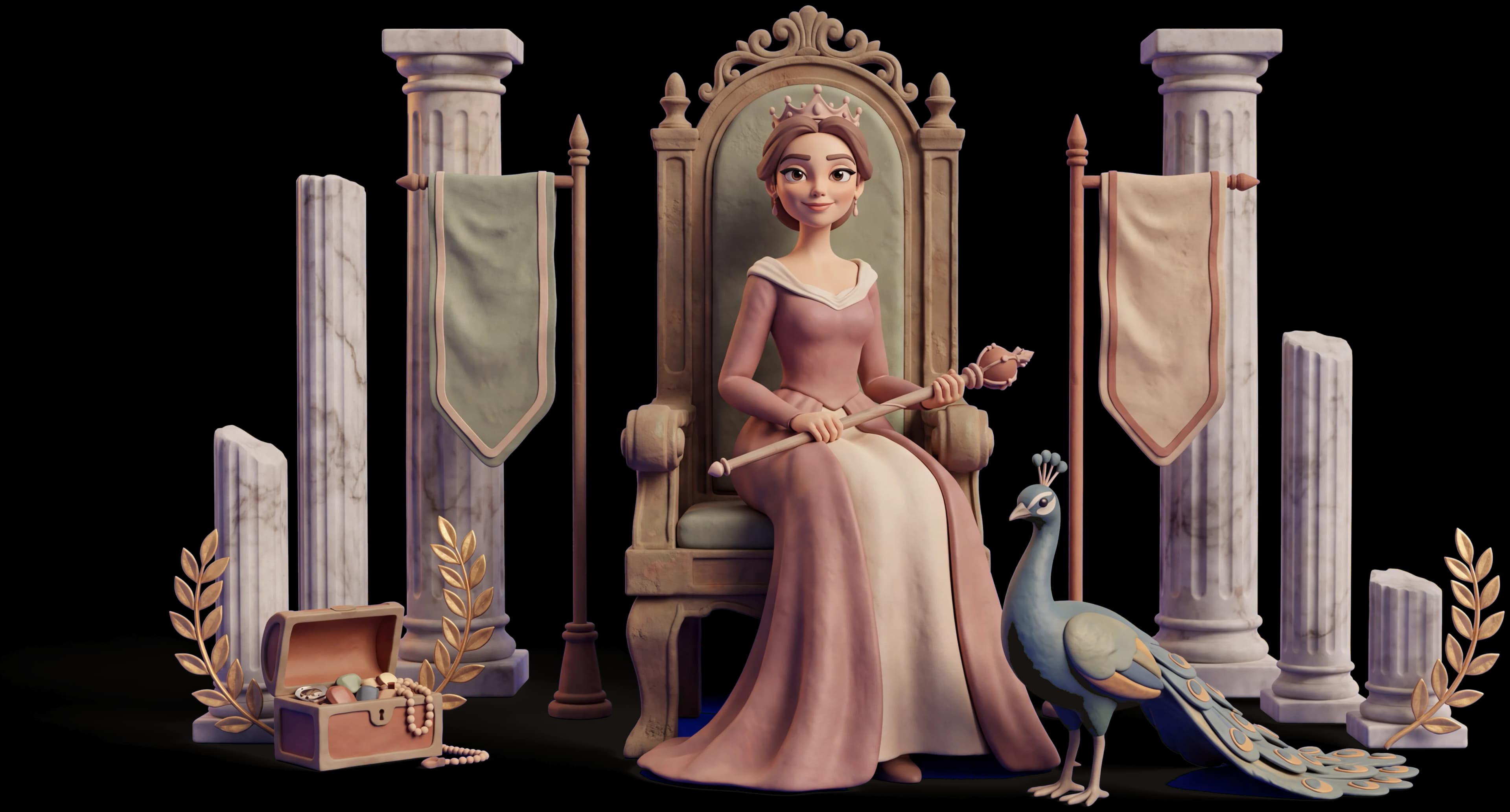
The Queen archetype represents taking responsibility through clear standards, coordination and considered decisions.
Sources and interpretation
- Carol S. Pearson: the twelve-archetype system
The author explains her own model’s development. Our labels and quiz are a separate interpretation.
Published by Rare Personas. Our explanations and illustrative exercises are interpretations; the references support the specific background described above. Read about our approach and content responsibility. To suggest a correction, send the passage and page URL through our contact page.
Is the Ruler your archetype?
Explore your answers with the archetype quiz. Your leading match and a short description are free; the full report is optional and paid.