
The Magician Archetype
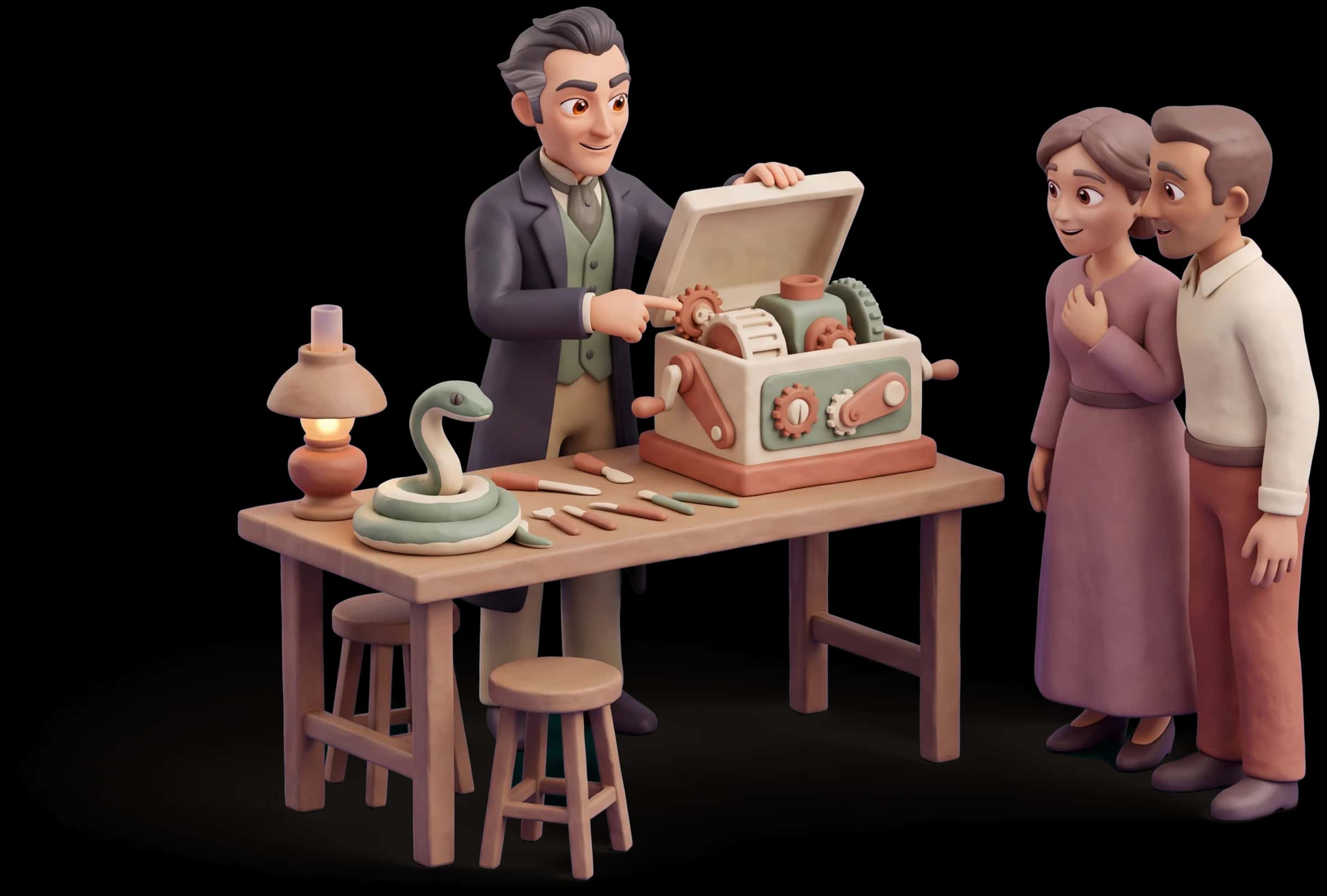
The Magician archetype represents using insight into a system to change how it works.

What the Magician archetype means
In the Rare Personas collection, the Magician represents using insight into a system to change how it works. Read it as a symbolic pattern for reflection or character writing, rather than a fixed kind of person.
Magician is a metaphor for transformation in this profile, not evidence of magical powers or privileged access to other people’s motives. Knowing a technique also does not guarantee a good outcome.
Magician archetype traits
- Insightful
- Precise
- Strategic
- Curious
- Transformative
- Reserved
Strengths
- Understands systems other people only operate
- Turns knowledge into real, visible change
- Plans ahead and revises when new information appears
- Initiates others into what he knows
Shadow side
- Insight can curdle into manipulation
- May stay detached and analyze life instead of joining it
- Knowledge hoarded becomes power over, not power for
- Can feel superior to those who do not see the mechanics
Questions for exploring the Magician
- What draws you toward using insight into a system to change how it works?
- When has this approach helped you, and when has a different approach worked better?
- What would you notice if a different interpretation of the same situation were true?
These questions invite reflection; they are not diagnostic criteria. Look for an example that does not fit as well as one that does.
The Magician as a man
The male illustration is one way to picture this role. The theme of using insight into a system to change how it works is available to anyone. The image and label do not prescribe how a woman or man should behave.
The Magician archetype in relationships
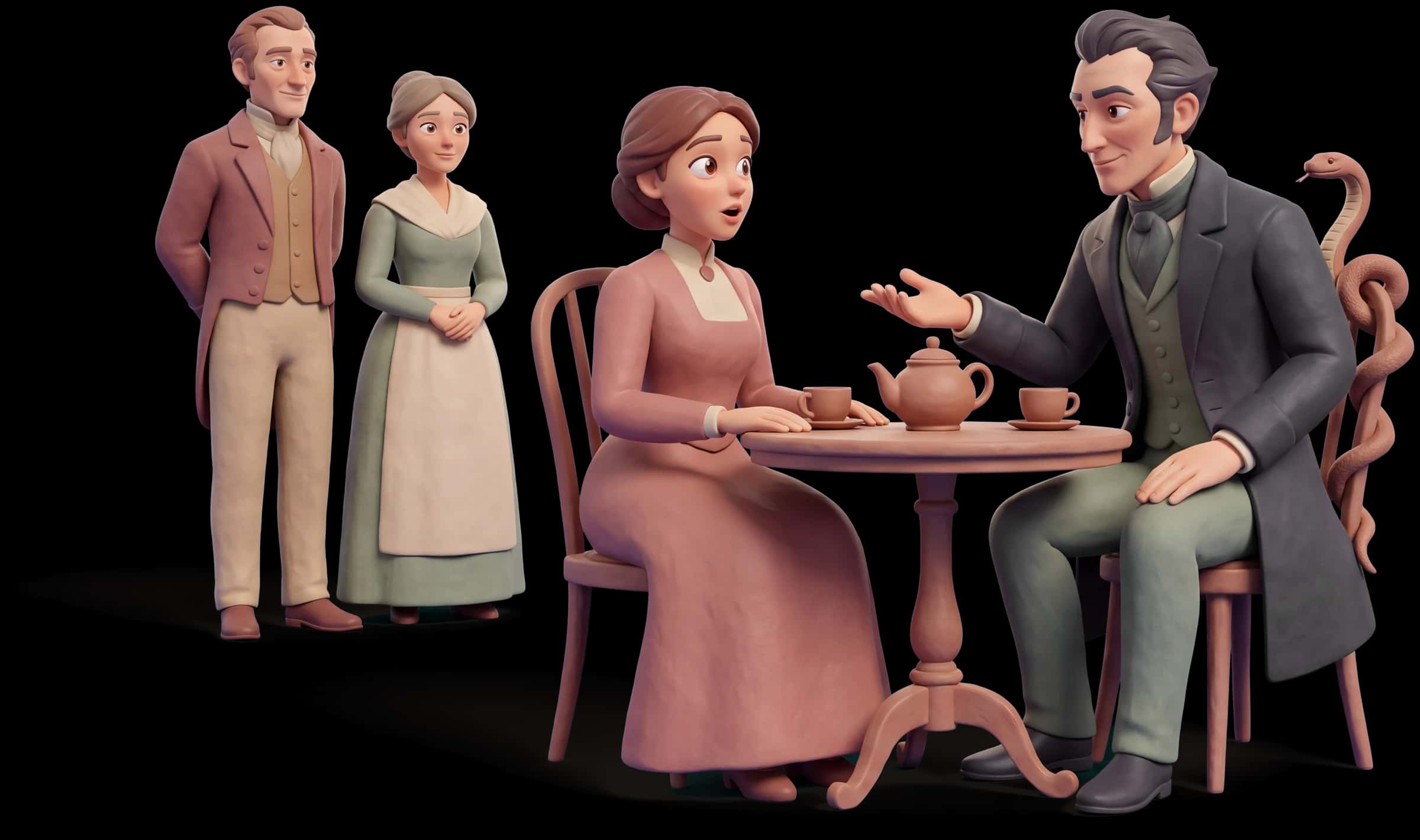
Insight can help you notice a recurring misunderstanding. Explain what you observed and ask whether the other person sees it that way instead of announcing the hidden reason for their behavior.
The Magician in everyday life and at work

A Magician choice in practice
A repeated handoff keeps failing. You map the process, change one step and compare what happens with the earlier approach.
Understanding a mechanism can make a small change effective. Keeping the method secret can make others dependent on you and prevent them from checking your reasoning.
Explain the change so someone else can reproduce it. Name an outcome that would show it did not work.
Settings in which to explore this theme
- Engineering and architecture
- Strategy and analytics
- Research and data science
- Therapy and coaching
- Product and systems design
The Magician's growth path
After trying it, describe what happened without using an archetype label. Keep the practice if it helps; change it if it does not. A different choice does not mean you have passed or failed a personality test.
Where the Magician archetype comes from
Magician is a label in several modern archetype models, including Moore and Gillette’s work. Our version emphasizes applied understanding. The metaphor does not establish supernatural ability, clinical expertise or a validated personality category.
Magician archetype examples
Illustrative comparisons, not assessed personality types. Fictional characters can fit several readings, and public figures are shown for their public work or image rather than claims about their private lives.





Gandalf in The Lord of the Rings offers a comparison for knowledge put into action. The Sage reading would emphasize understanding and counsel; the Magician reading emphasizes how that understanding changes a situation. His fictional magic is part of the story world, not evidence that a person matching this profile has supernatural powers.

The Magician vs. The Sage
In our collection, the Magician emphasizes using insight into a system to change how it works; The Sage emphasizes understanding through evidence, questions and careful thought. The same action can fit both descriptions. Compare what the person is trying to achieve and what they are prepared to give up, rather than judging by the action alone. Read about The Sage

The Magician vs. The Creator
In our collection, the Magician emphasizes using insight into a system to change how it works; The Creator emphasizes giving an idea a form through making, experimenting and revising. The same action can fit both descriptions. Compare what the person is trying to achieve and what they are prepared to give up, rather than judging by the action alone. Read about The Creator
Also related: The Mystic
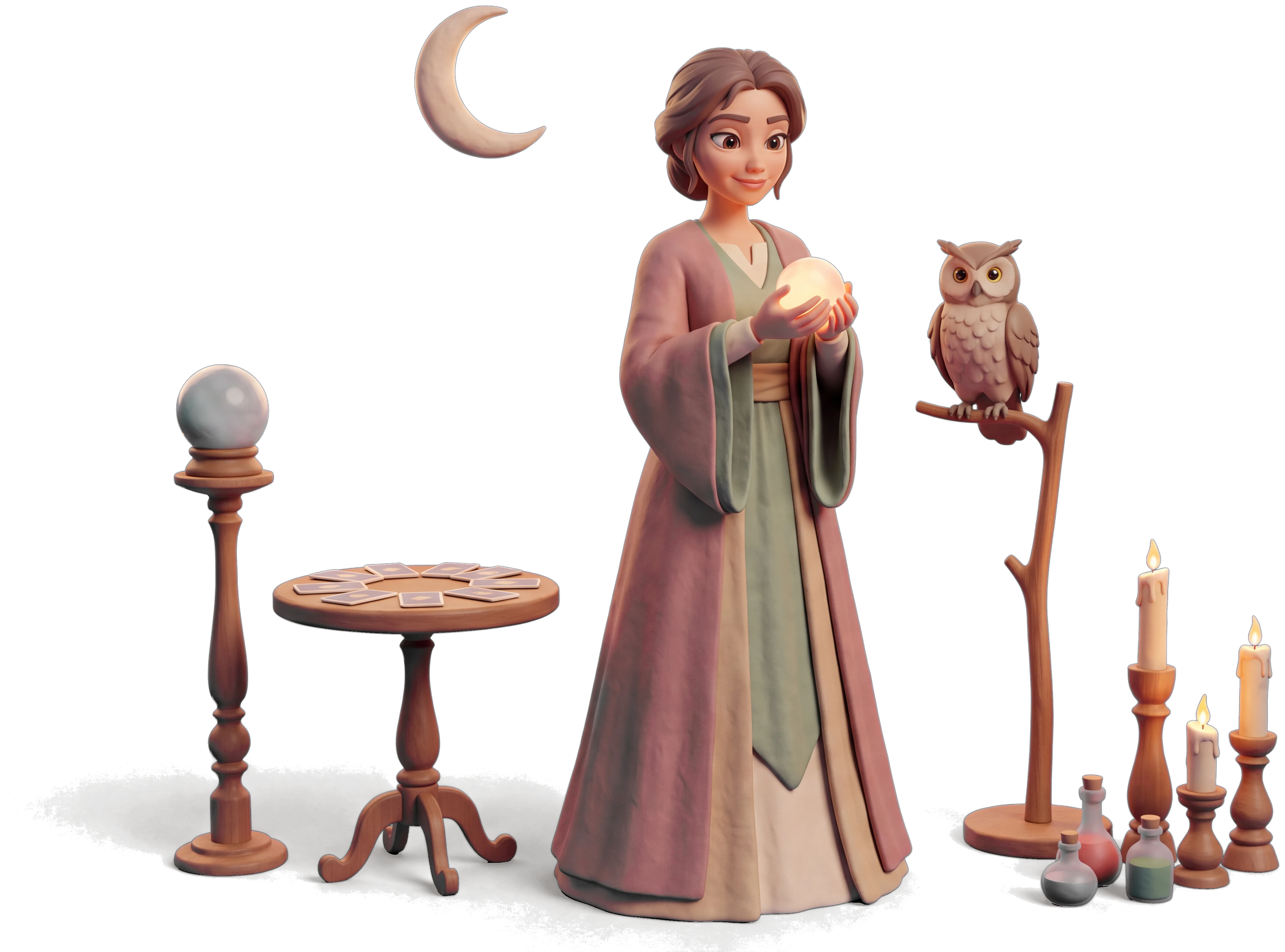
The Mystic archetype represents exploring inward experience, meaning and questions that resist quick answers.
Sources and interpretation
- Robert Moore and Douglas Gillette: King, Warrior, Magician, Lover
The publisher’s description identifies the four-part framework. Our twelve-label collection and scoring are our own.
Published by Rare Personas. Our explanations and illustrative exercises are interpretations; the references support the specific background described above. Read about our approach and content responsibility. To suggest a correction, send the passage and page URL through our contact page.
Is the Magician your archetype?
Explore your answers with the archetype quiz. Your leading match and a short description are free; the full report is optional and paid.