
The 12 Jungian Archetypes
Archetypes are recurring images and themes used to understand stories and reflect on human experience. The twelve labels in this guide belong to a modern, Jungian-inspired framework, not a twelve-type personality test devised by Jung. Each profile explores a motivation, its strengths and the difficulties that can arise when it is taken too far.
The library also offers two interpretive collections, the 12 female archetypes and the 12 male archetypes. Their gendered names are storytelling lenses, not rules about how women or men should behave. Anyone can explore either collection.
The 12 Jungian archetypes
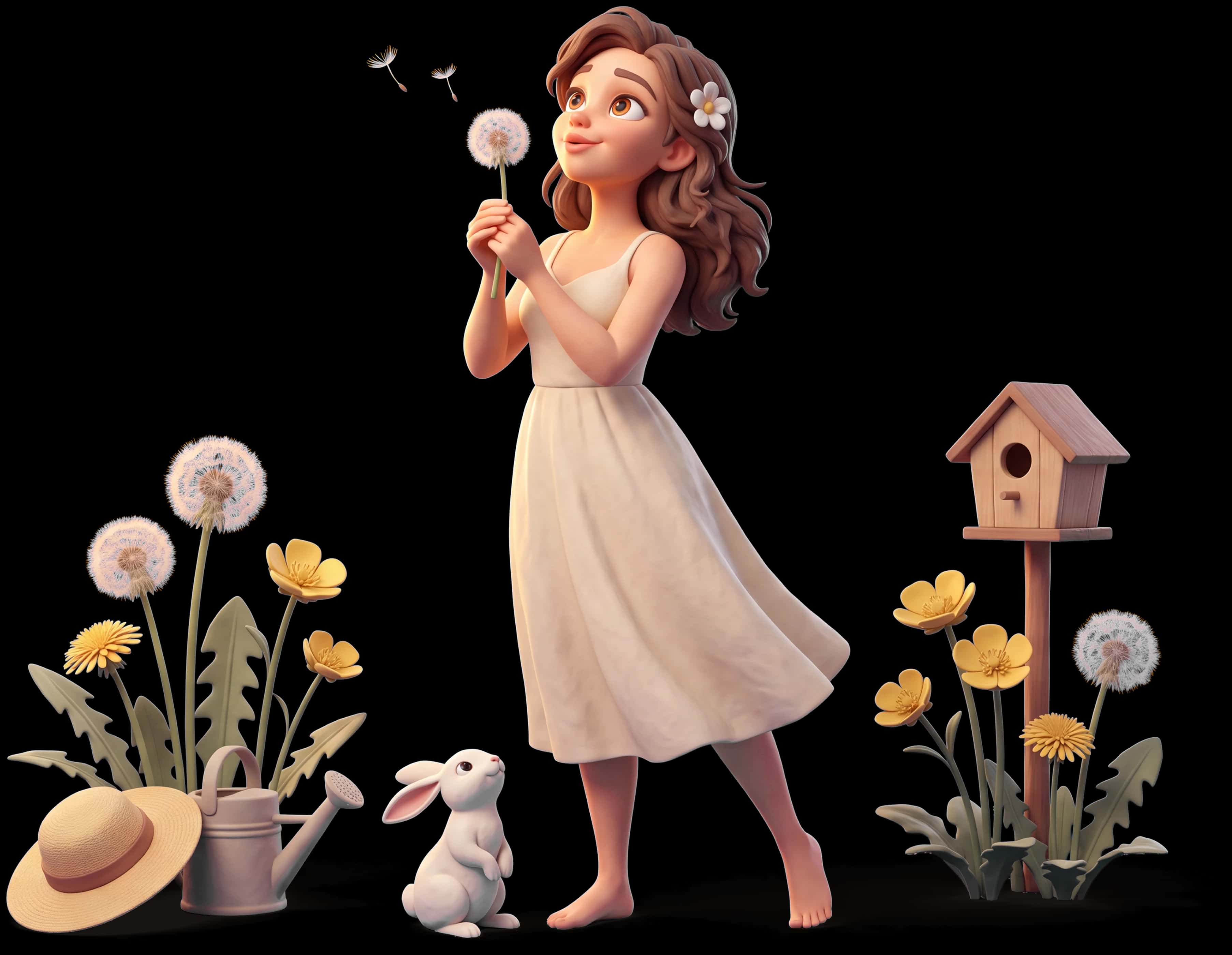
The Innocent
The Innocent archetype represents hope, trust and appreciation of ordinary good things.
- Optimistic
- Trusting
- Sincere
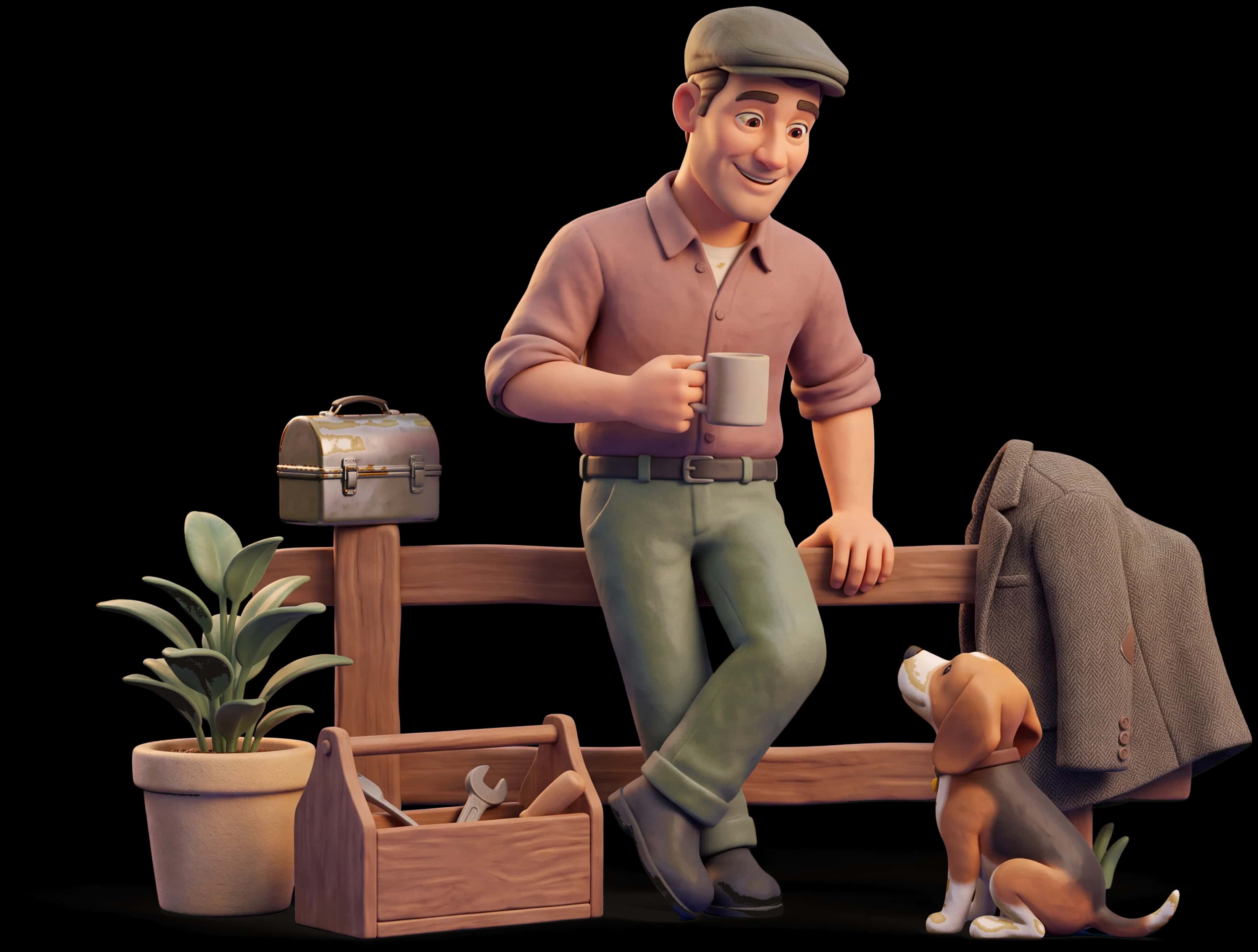
The Everyman
The Everyman archetype represents belonging through equality, shared experience and everyday reliability.
- Dependable
- Honest
- Grounded
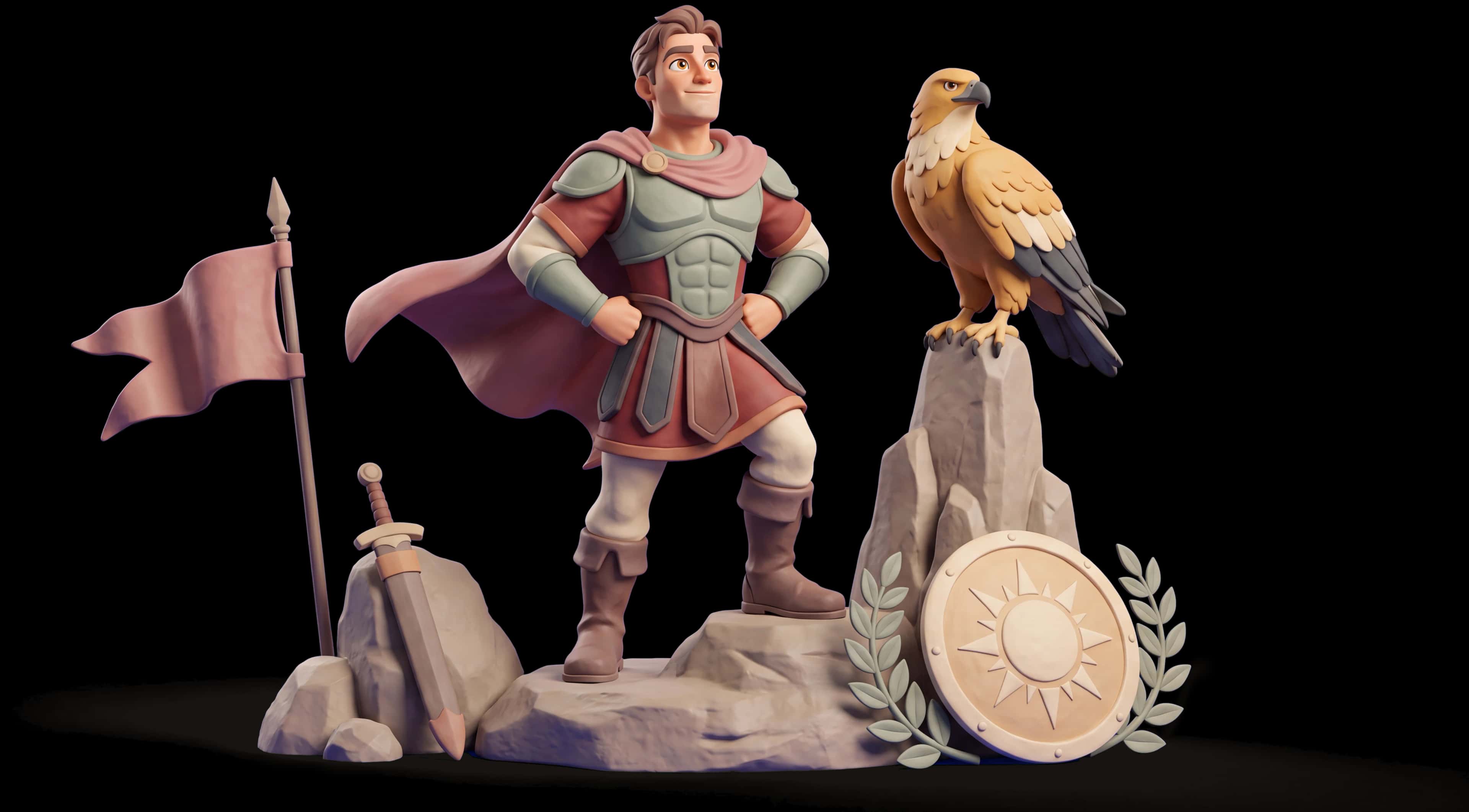
The Hero
The Hero archetype represents meeting a challenge through courage, effort and persistence.
- Courageous
- Driven
- Resilient
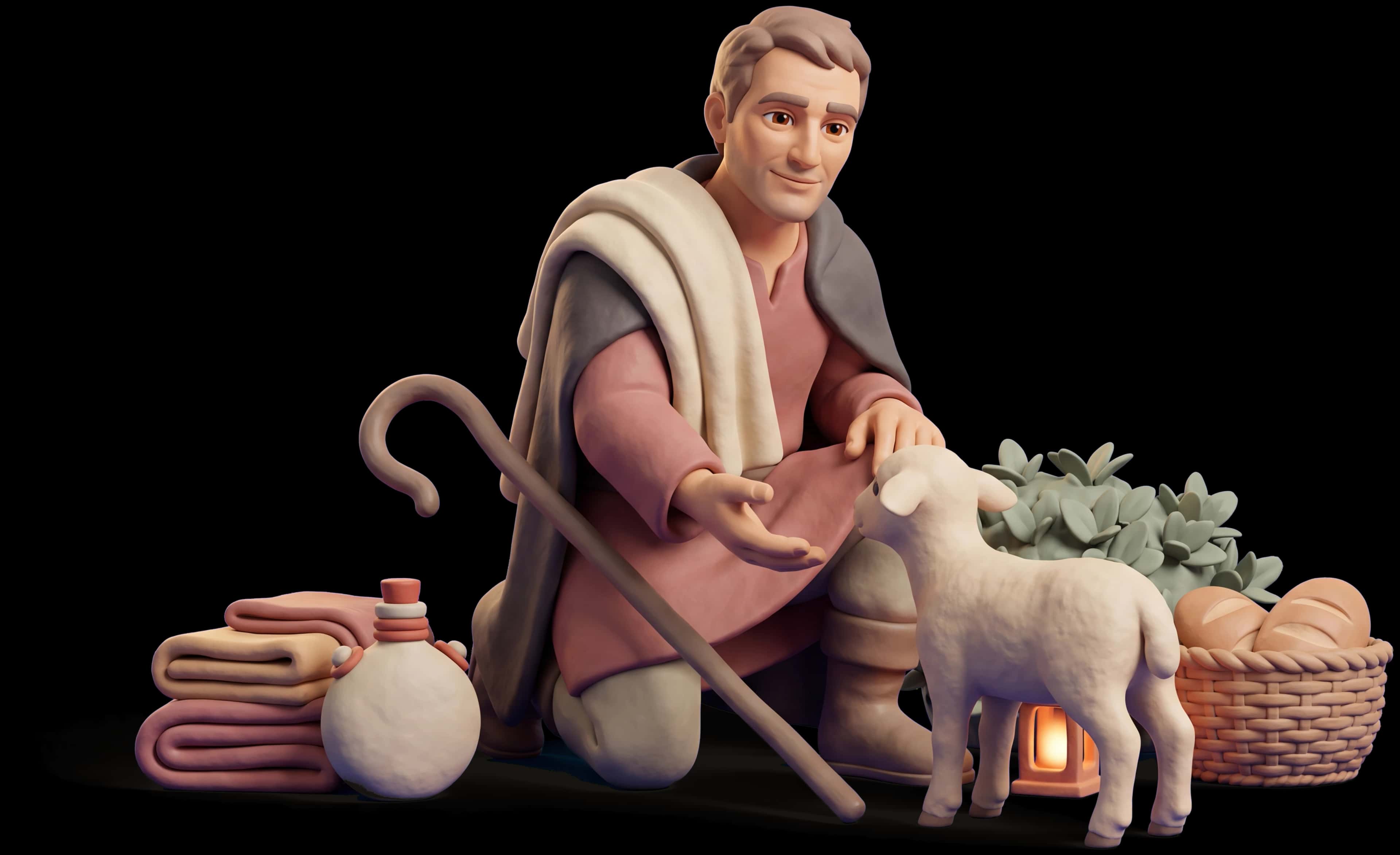
The Caregiver
The Caregiver archetype represents responding to needs through practical, dependable support.
- Patient
- Protective
- Attentive

The Explorer
The Explorer archetype represents learning through independence, discovery and unfamiliar possibilities.
- Curious
- Independent
- Adaptable
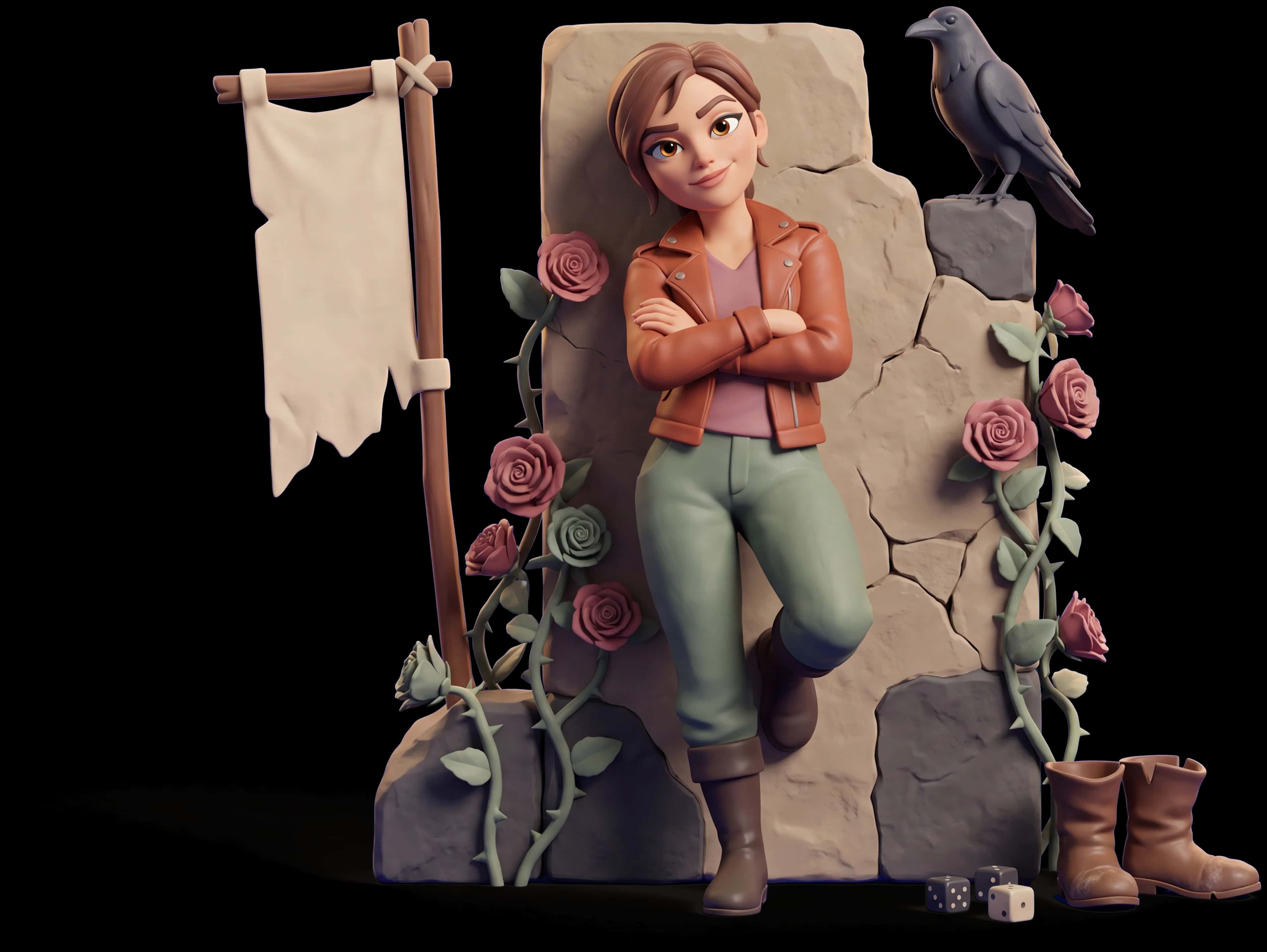
The Rebel
The Rebel archetype represents questioning imposed limits and challenging practices that seem unjust or unnecessary.
- Fearless
- Direct
- Independent
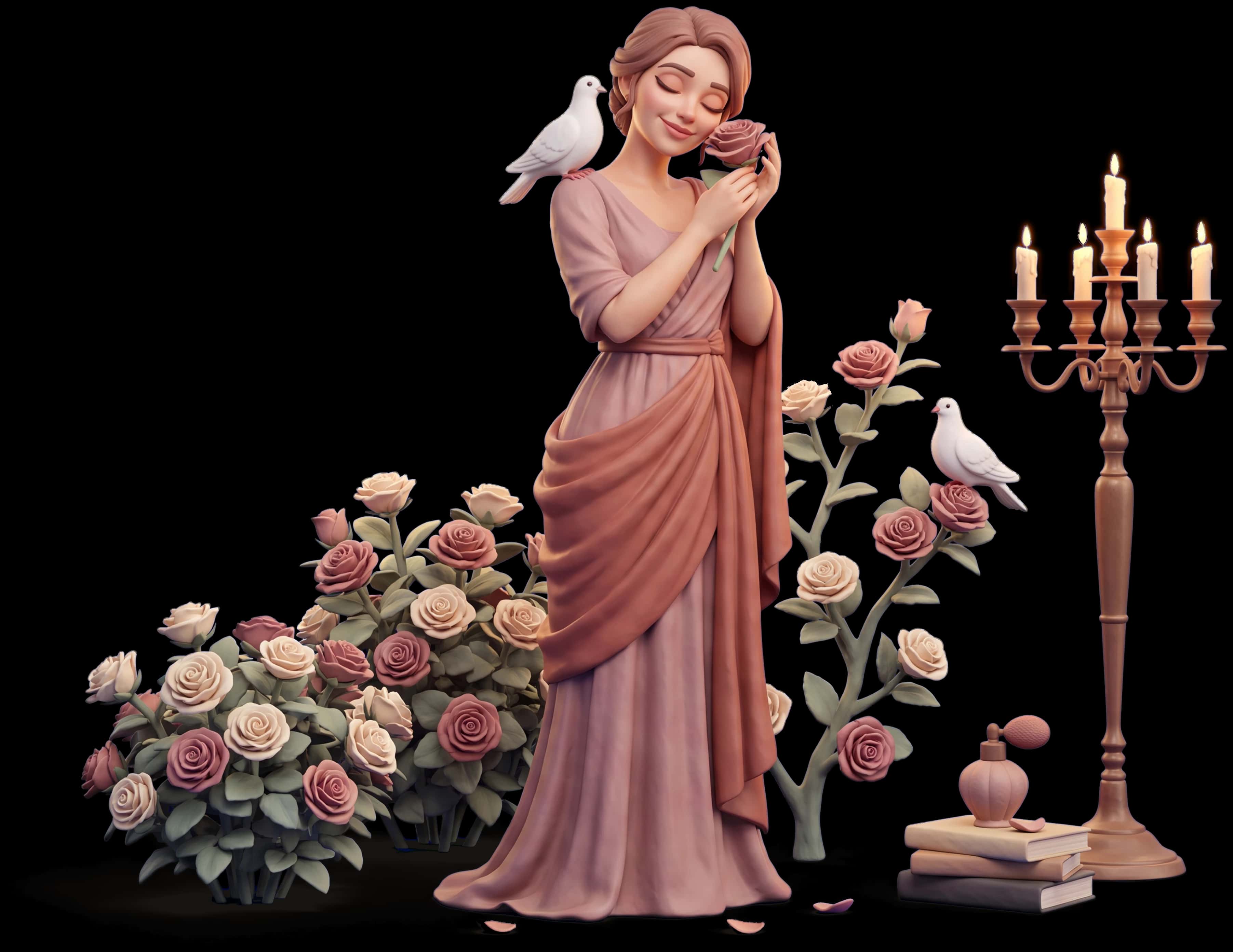
The Lover
The Lover archetype represents seeking connection, affection and attentive engagement with experience.
- Warm
- Magnetic
- Present
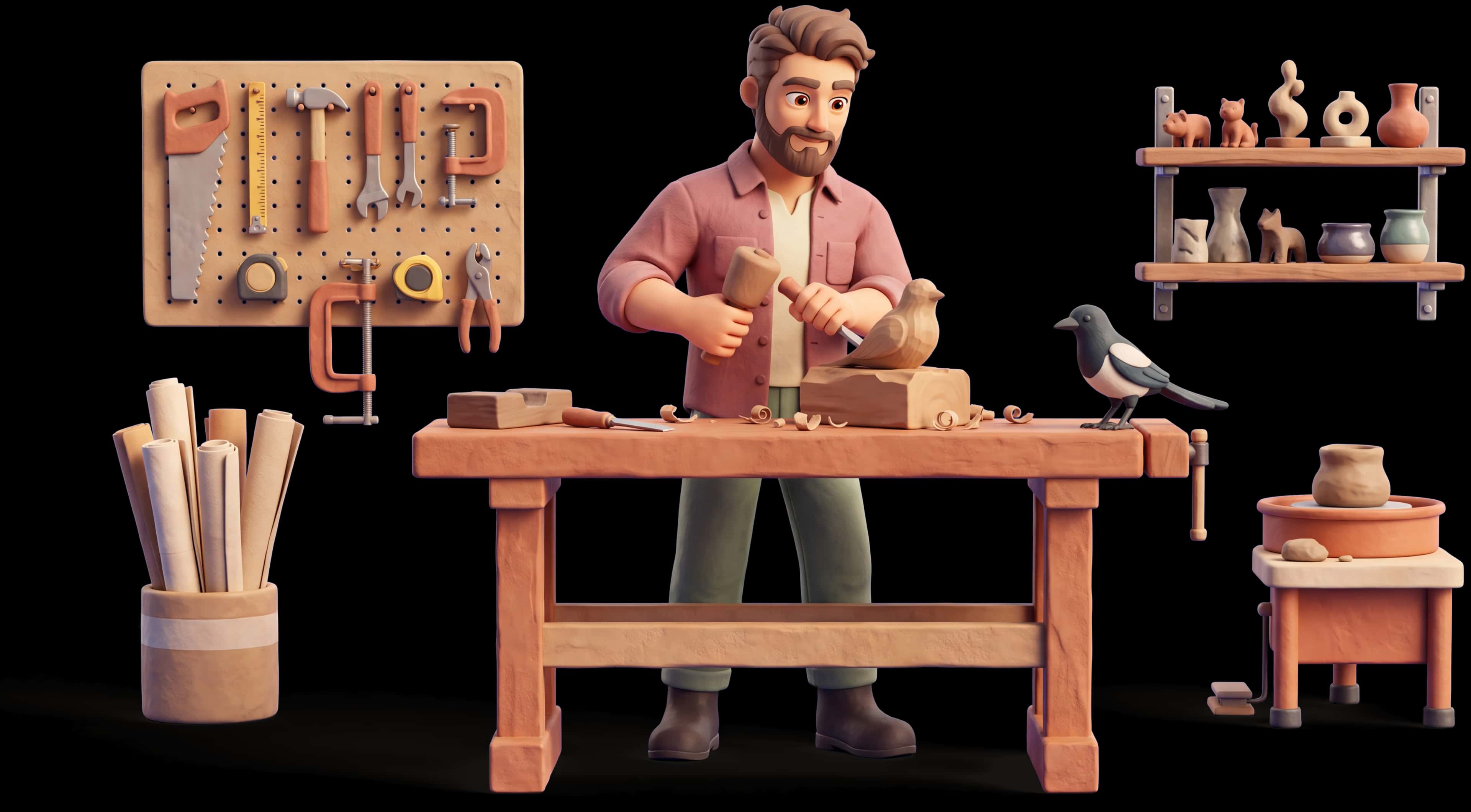
The Creator
The Creator archetype represents giving an idea a form through making, experimenting and revising.
- Inventive
- Focused
- Skilled
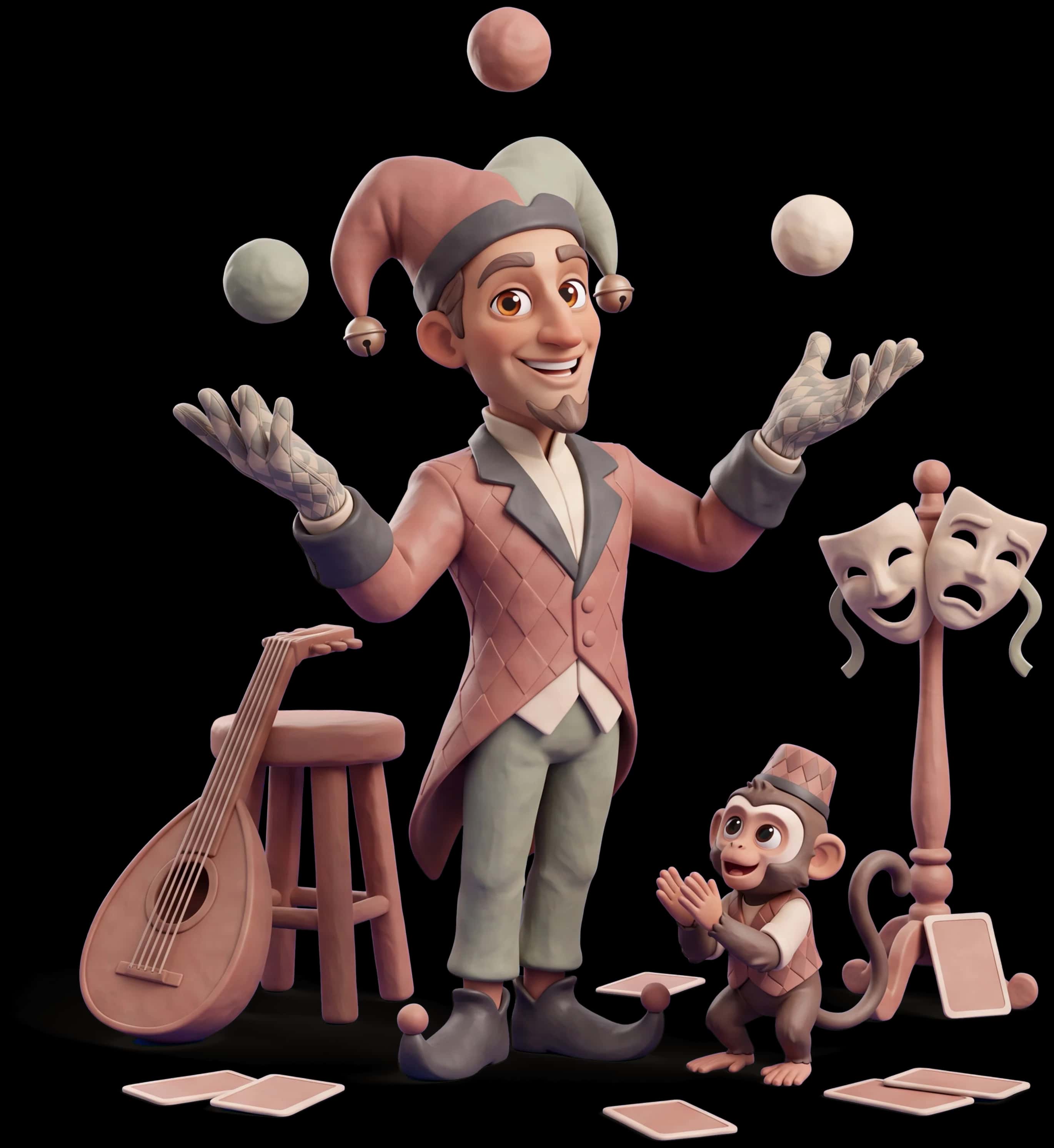
The Jester
The Jester archetype represents finding play, perspective and candid expression through humor.
- Witty
- Playful
- Perceptive
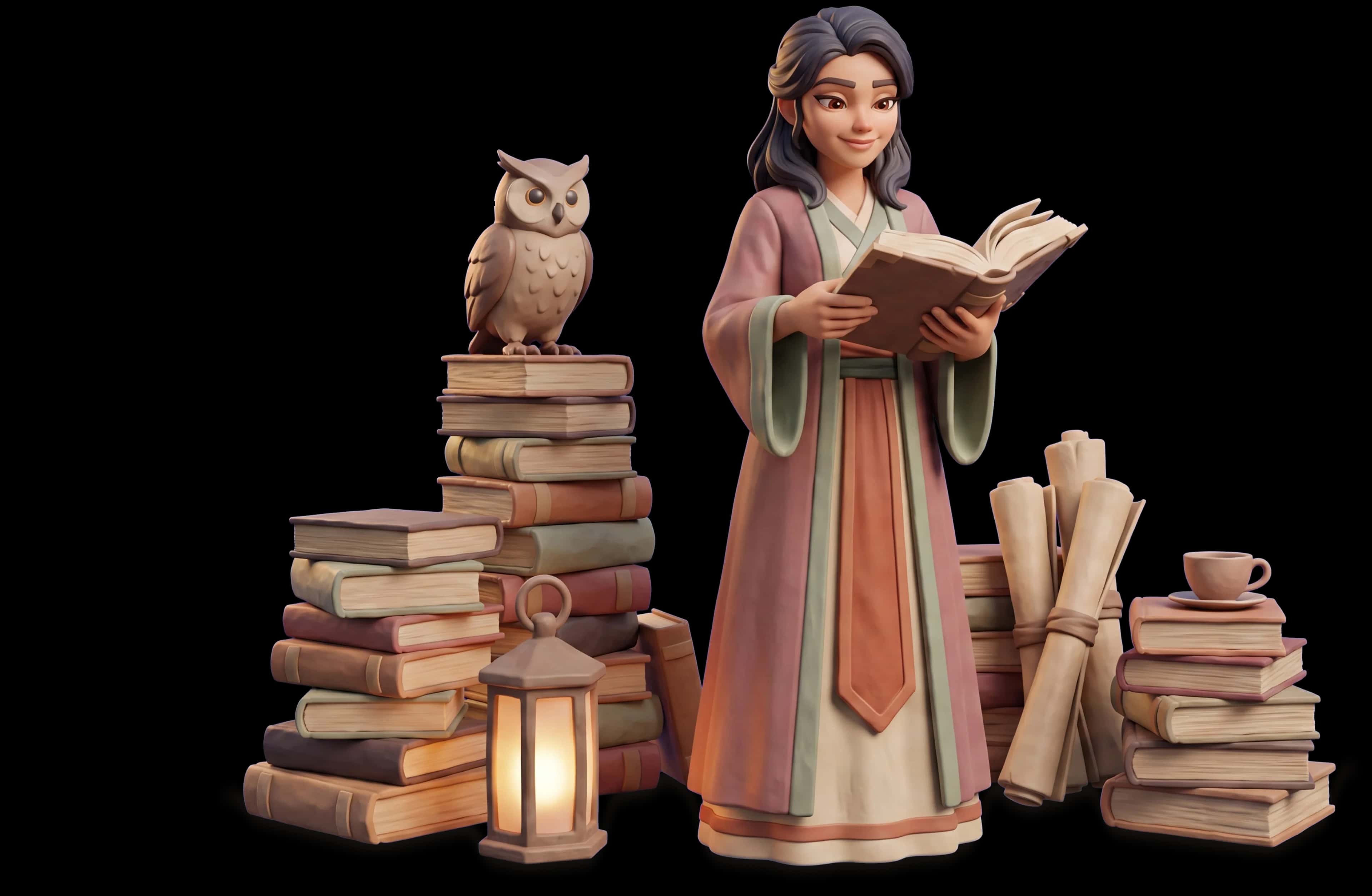
The Sage
The Sage archetype represents understanding through evidence, questions and careful thought.
- Wise
- Objective
- Curious
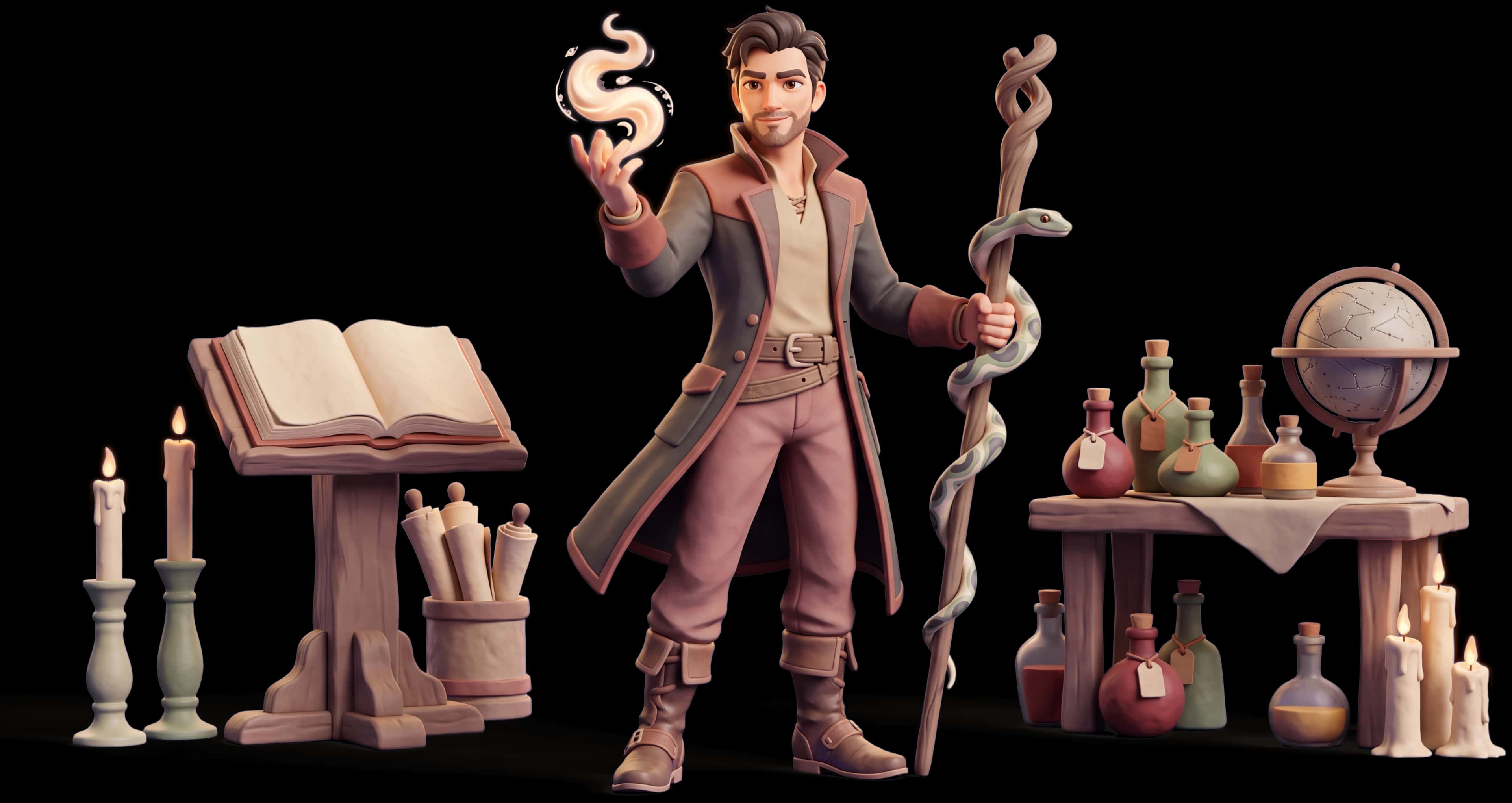
The Magician
The Magician archetype represents using insight into a system to change how it works.
- Insightful
- Precise
- Strategic
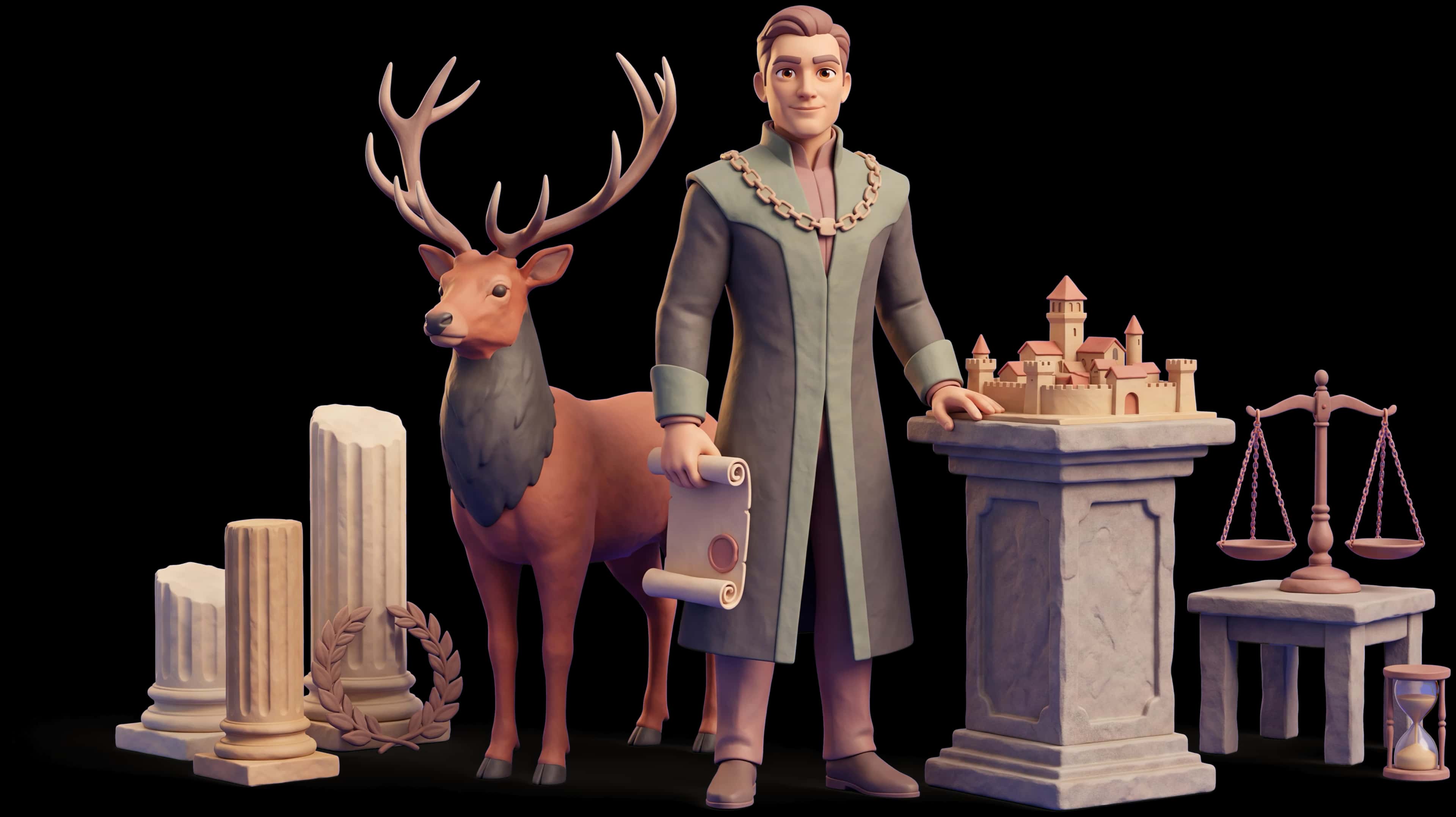
The Ruler
The Ruler archetype represents creating order through systems, standards and accountable decisions.
- Responsible
- Organized
- Decisive
How to work with your archetype
Choose one situation and look at both a helpful behavior and its possible cost. A Sage-like approach might mean researching a decision carefully; its blind spot might be postponing the decision while looking for certainty. Try setting a deadline for that research and notice what changes. For fiction, the same contrast can give a character a motivation and a believable conflict. The profiles are prompts for observation, not evidence of what you are destined to do.
Where this framework comes from
Jungian psychology uses archetypes to explore recurring images and themes in human experience. The familiar twelve-type lists are later interpretations. For example, Carol S. Pearson describes developing a six-archetype model and later expanding it to twelve in her account of the Pearson archetype system.
Rare Personas chooses its own sets of labels, profile descriptions and quiz scoring. Our female and male collections are interpretations for reflection, not lists established by Jung or evidence that people divide into twelve fixed kinds. These names can also help you explore fictional characters. You can use any profile regardless of your gender.
Our quizzes are not clinically validated psychological assessments. A result describes how your answers fit our scoring rules; it does not diagnose a condition, determine your abilities or predict a relationship. The sources explain the background tradition, not validation or endorsement of our quizzes. Read more about how Rare Personas makes its quizzes.
Got questions?
Which of the 12 archetypes is most common?
We do not have representative population data for these twelve archetypes. The name Everyman describes a theme of belonging, not evidence that it is the most frequent personality. Quiz results on one website cannot establish how common each archetype is in the general population.
What is the difference between an archetype and a personality type?
An archetype names a symbolic theme, such as seeking knowledge or protecting others. Personality assessments use their own definitions and methods to describe traits or types. A familiar archetype description does not establish a psychological measurement, and our quiz is designed for reflection rather than clinical assessment.
How are the female and male archetypes different?
Rare Personas uses different labels and descriptions for its female and male collections. These are storytelling perspectives, not evidence that motivations belong to one gender. Anyone can explore either collection and use the profiles that help them describe an experience.
Can I use archetypes for writing characters?
Yes, they are one of the oldest tools in fiction, and each profile here doubles as a character sheet: core drive, strengths, shadow, growth arc and famous examples. A practical trick is to write a character from their shadow list first, since the way a strength tips over is where plots come from.
Which of the 12 are you?
Take the free quiz for a leading archetype and short description. The full score breakdown and longer report are an optional purchase.