
The Innocent Archetype
The Innocent archetype represents hope, trust and appreciation of ordinary good things.

What the Innocent archetype means
In the Rare Personas collection, the Innocent represents hope, trust and appreciation of ordinary good things. Read it as a symbolic pattern for reflection or character writing, rather than a fixed kind of person.
Optimism can coexist with checking facts and setting boundaries. Innocent here does not mean unintelligent, morally superior, inexperienced or incapable of noticing harm.
Innocent archetype traits
- Optimistic
- Trusting
- Sincere
- Content
- Loyal
- Easygoing

Strengths
- Keeps faith when everyone else has gone cynical
- Finds real happiness in ordinary days
- Makes it safe for others to drop their armor
- Forgives quickly and actually lets it go
Shadow side
- Can deny real problems to protect the mood
- Trust without discernment attracts users
- May wait for rescue instead of acting
- Risks staying naive where wisdom is needed
Questions for exploring the Innocent
- What draws you toward hope, trust and appreciation of ordinary good things?
- When has this approach helped you, and when has a different approach worked better?
- What would you notice if a different interpretation of the same situation were true?
These questions invite reflection; they are not diagnostic criteria. Look for an example that does not fit as well as one that does.
The Innocent as a woman
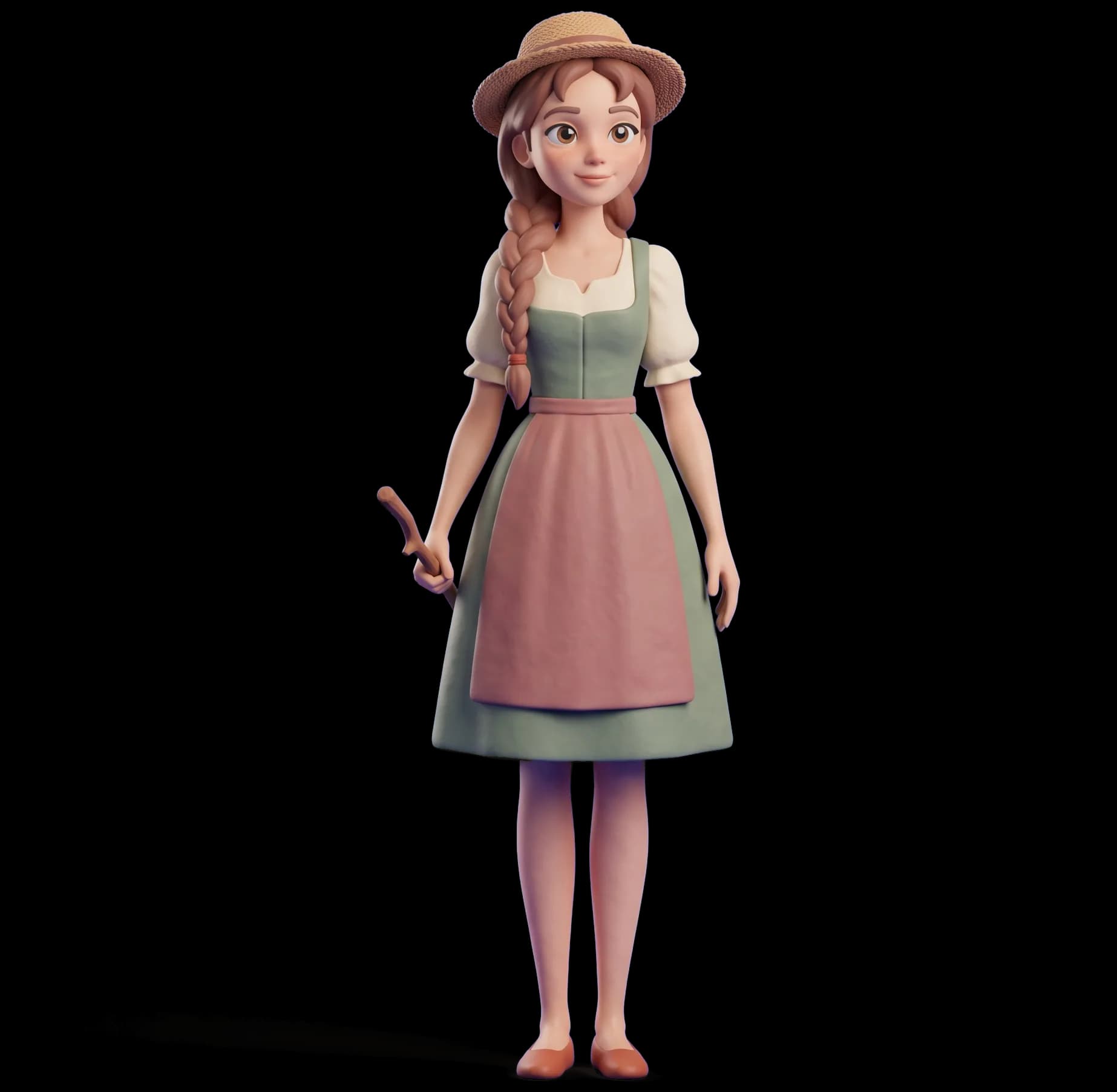
The female illustration is one way to picture this role. The theme of hope, trust and appreciation of ordinary good things is available to anyone. The image and label do not prescribe how a woman or man should behave.
The Innocent archetype in relationships

Warmth and giving someone a fair chance can support a relationship. Forgiveness does not require ignoring repeated behavior or restoring trust before you feel ready.
The Innocent in everyday life and at work

A Innocent choice in practice
After a disappointing event, you suggest trying again and point out something that did go well. You also ask what should change before the next attempt.
Hope makes another attempt possible. Reassurance becomes avoidance if it prevents someone from naming the problem or taking a useful precaution.
Write down one reason for hope and one practical safeguard. Make room for both before reassuring someone else.
Settings in which to explore this theme
- Teaching young children
- Nursing and care work
- Hospitality and guest care
- Charity and community work
- Customer support and service
The Innocent's growth path
After trying it, describe what happened without using an archetype label. Keep the practice if it helps; change it if it does not. A different choice does not mean you have passed or failed a personality test.
Where the Innocent archetype comes from
The Innocent belongs to our modern twelve-label collection. Its themes of hope and simplicity are interpretive choices, not a claim that people divide into innocent and corrupted kinds. Other authors may emphasize different aspects of this name.
Innocent archetype examples
Illustrative comparisons, not assessed personality types. Fictional characters can fit several readings, and public figures are shown for their public work or image rather than claims about their private lives.




The Little Prince offers a way to explore curiosity and the questions adults stop asking. Reading him through the Innocent theme does not require treating him as incapable of grief or judgment. The contrast between openness and the adult worlds he encounters makes the pattern useful for discussing what a character notices and values.

The Innocent vs. The Maiden
In our collection, the Innocent emphasizes hope, trust and appreciation of ordinary good things; The Maiden emphasizes approaching beginnings with openness, curiosity and a willingness to learn. The same action can fit both descriptions. Compare what the person is trying to achieve and what they are prepared to give up, rather than judging by the action alone. Read about The Maiden

The Innocent vs. The Everyman
In our collection, the Innocent emphasizes hope, trust and appreciation of ordinary good things; The Everyman emphasizes belonging through equality, shared experience and everyday reliability. The same action can fit both descriptions. Compare what the person is trying to achieve and what they are prepared to give up, rather than judging by the action alone. Read about The Everyman

Also related: The Caregiver
The Caregiver archetype represents responding to needs through practical, dependable support.
Sources and interpretation
- Carol S. Pearson: the twelve-archetype system
The author explains her own model’s development. Our labels and quiz are a separate interpretation.
Published by Rare Personas. Our explanations and illustrative exercises are interpretations; the references support the specific background described above. Read about our approach and content responsibility. To suggest a correction, send the passage and page URL through our contact page.
Is the Innocent your archetype?
Explore your answers with the archetype quiz. Your leading match and a short description are free; the full report is optional and paid.