
The Everyman Archetype
The Everyman archetype represents belonging through equality, shared experience and everyday reliability.

What the Everyman archetype means
In the Rare Personas collection, the Everyman represents belonging through equality, shared experience and everyday reliability. Read it as a symbolic pattern for reflection or character writing, rather than a fixed kind of person.
Wanting to belong does not mean lacking ambition or originality. The Everyman theme is about meeting people as equals, not being statistically average or the most common personality.
Everyman archetype traits
- Dependable
- Honest
- Grounded
- Friendly
- Practical
- Loyal
Strengths
- Makes everyone feel welcome, no audition required
- Does unglamorous work that actually matters
- Keeps promises small and large
- Questions hype and status games
Shadow side
- Can hide real gifts to avoid standing out
- Belonging can beat truth when the group is wrong
- May settle for fine when more was possible
- Self-worth can hang on being needed
Questions for exploring the Everyman
- What draws you toward belonging through equality, shared experience and everyday reliability?
- When has this approach helped you, and when has a different approach worked better?
- What would you notice if a different interpretation of the same situation were true?
These questions invite reflection; they are not diagnostic criteria. Look for an example that does not fit as well as one that does.
The Everyman as a man
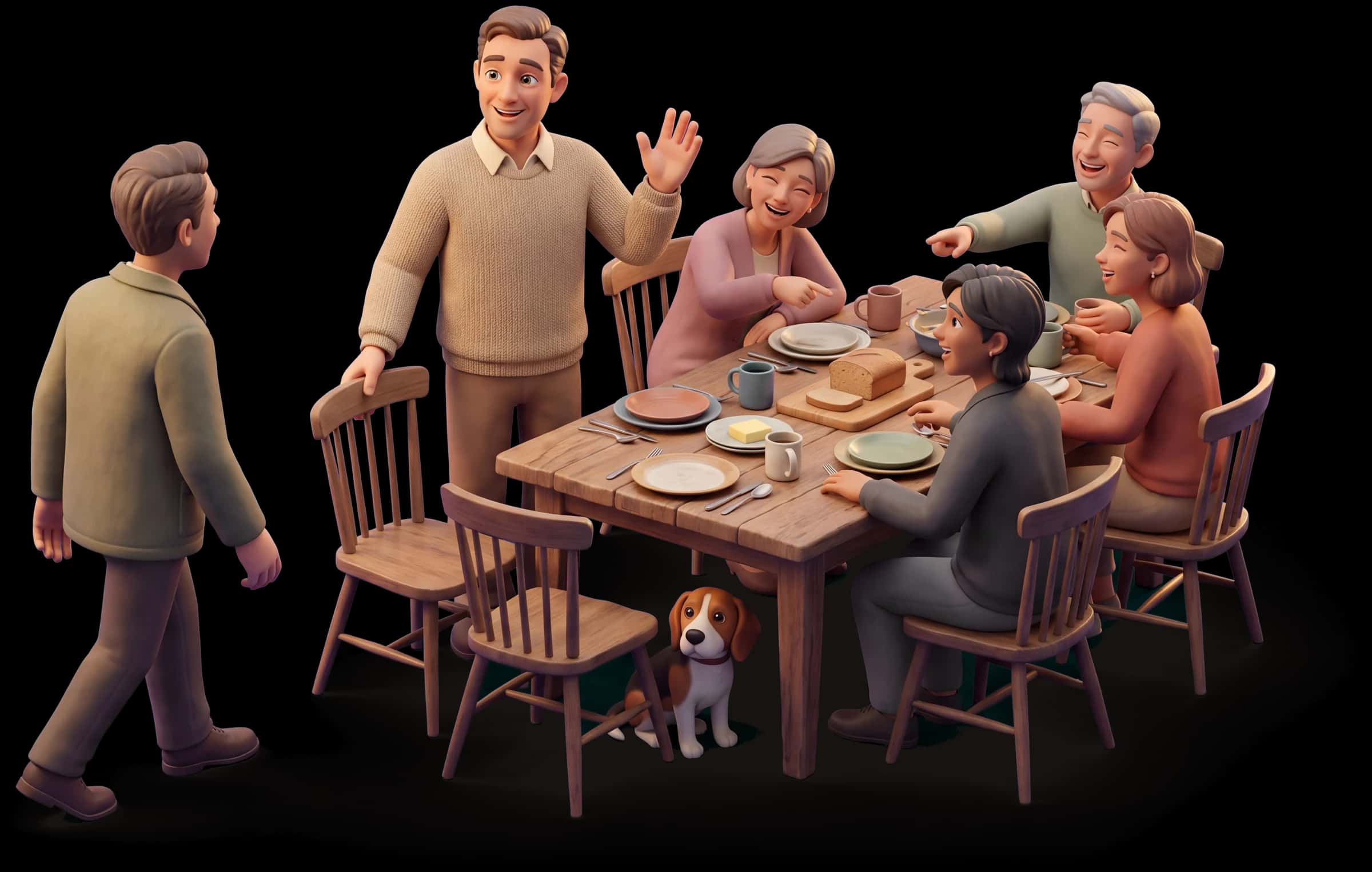
The male illustration is one way to picture this role. The theme of belonging through equality, shared experience and everyday reliability is available to anyone. The image and label do not prescribe how a woman or man should behave.
The Everyman archetype in relationships

Companionship can grow through ordinary repeated acts. Make room for differences in taste, ambition and privacy so that closeness does not require being alike.
The Everyman in everyday life and at work

A Everyman choice in practice
Someone new joins your group. You explain the unwritten routines, invite them into the conversation and ask what they would like to contribute.
Shared habits can create belonging. They can also become pressure to agree, especially when fitting in matters more than saying that a practice should change.
Keep one welcoming routine and question one assumption the group makes about what everyone wants.
Settings in which to explore this theme
- Operations and logistics
- Skilled trades
- Healthcare and public service
- Coaching and mentoring
- Community and civic work
The Everyman's growth path
After trying it, describe what happened without using an archetype label. Keep the practice if it helps; change it if it does not. A different choice does not mean you have passed or failed a personality test.
Where the Everyman archetype comes from
Everyman is our label for a belonging theme in the modern archetype collection. It is an illustrative role, not a population category. The familiar name does not tell us how often this result occurs or how most people think.
Everyman archetype examples
Illustrative comparisons, not assessed personality types. Fictional characters can fit several readings, and public figures are shown for their public work or image rather than claims about their private lives.



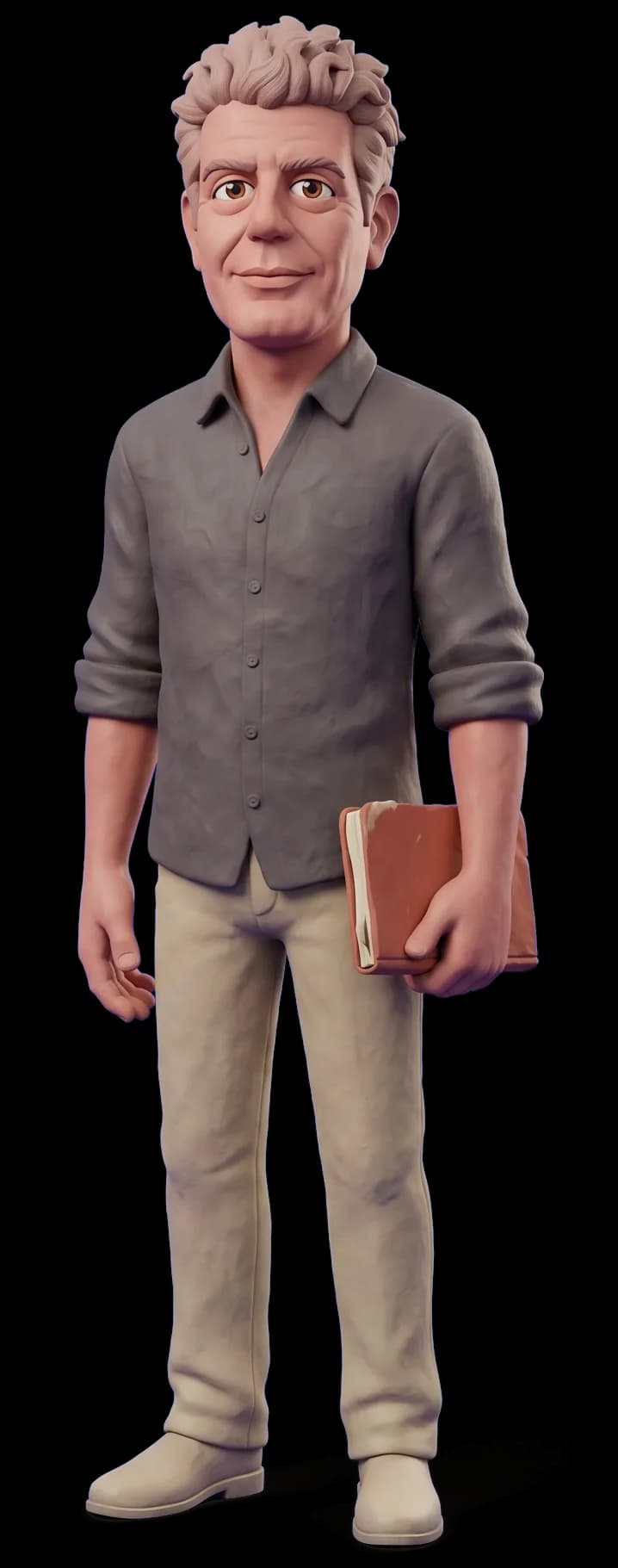

Forrest Gump is an illustrative comparison for plainspoken connection and recognizable everyday concerns within an extraordinary story. That contrast shows why Everyman does not mean statistically average. A character can provide an accessible point of view without having an ordinary biography or representing everyone.

The Everyman vs. The Innocent
In our collection, the Everyman emphasizes belonging through equality, shared experience and everyday reliability; The Innocent emphasizes hope, trust and appreciation of ordinary good things. The same action can fit both descriptions. Compare what the person is trying to achieve and what they are prepared to give up, rather than judging by the action alone. Read about The Innocent
The Everyman vs. The Caregiver
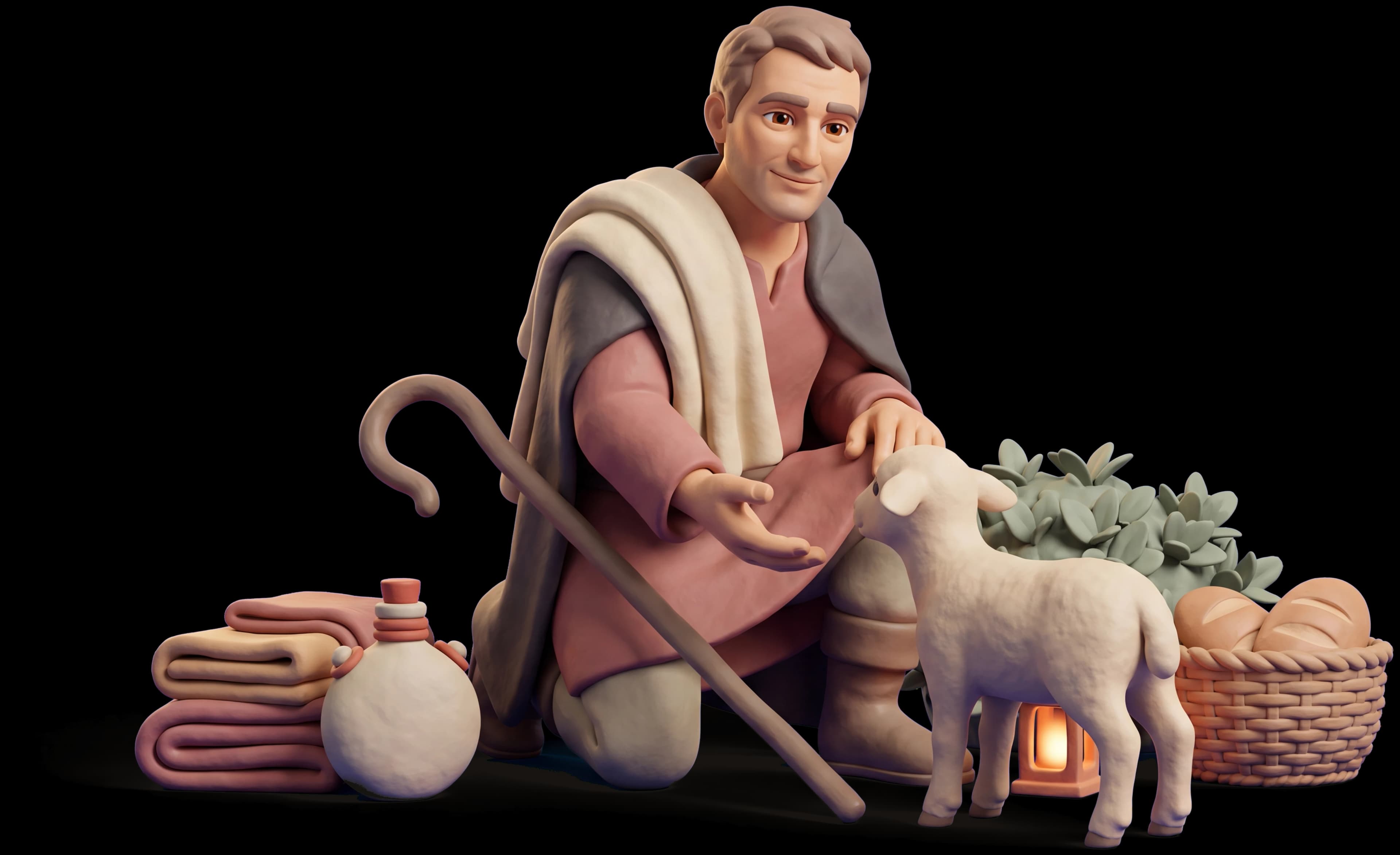
In our collection, the Everyman emphasizes belonging through equality, shared experience and everyday reliability; The Caregiver emphasizes responding to needs through practical, dependable support. The same action can fit both descriptions. Compare what the person is trying to achieve and what they are prepared to give up, rather than judging by the action alone. Read about The Caregiver
Also related: The Jester
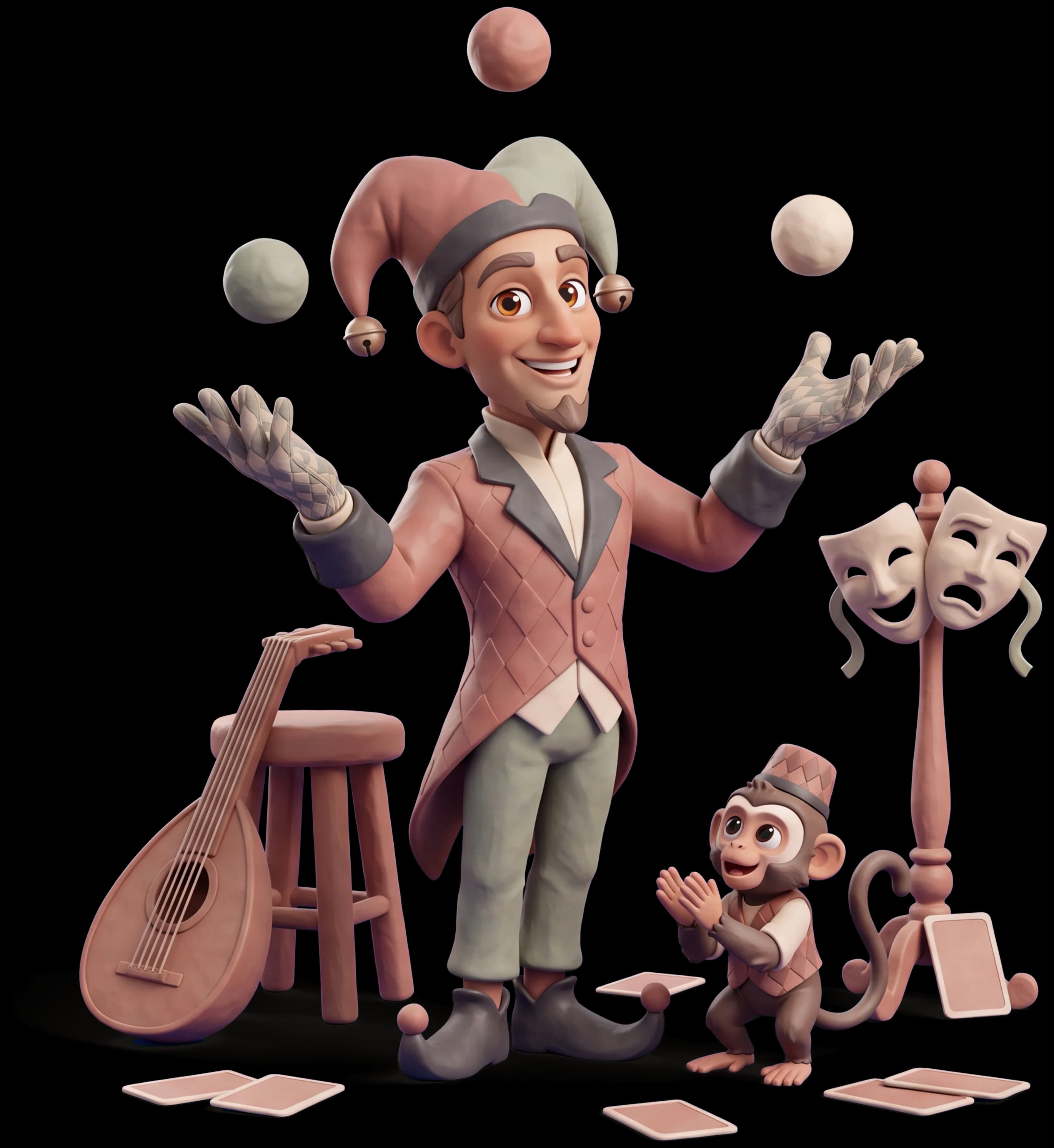
The Jester archetype represents finding play, perspective and candid expression through humor.
Sources and interpretation
- Carol S. Pearson: the twelve-archetype system
The author explains her own model’s development. Our labels and quiz are a separate interpretation.
Published by Rare Personas. Our explanations and illustrative exercises are interpretations; the references support the specific background described above. Read about our approach and content responsibility. To suggest a correction, send the passage and page URL through our contact page.
Is the Everyman your archetype?
Explore your answers with the archetype quiz. Your leading match and a short description are free; the full report is optional and paid.