
The Jester Archetype
The Jester archetype represents finding play, perspective and candid expression through humor.

What the Jester archetype means
In the Rare Personas collection, the Jester represents finding play, perspective and candid expression through humor. Read it as a symbolic pattern for reflection or character writing, rather than a fixed kind of person.
Humor can reveal a contradiction without resolving it. The Jester is not automatically the funniest or most socially perceptive person in a room, and a laugh does not establish agreement.
Jester archetype traits
- Witty
- Playful
- Perceptive
- Spontaneous
- Disarming
- Resilient
Strengths
- Breaks tension no one else could touch
- Smuggles hard truths past defenses with humor
- Keeps joy alive in heavy seasons
- Pays attention to humor and status in a group
Shadow side
- Jokes can become armor against ever being serious
- May undercut real moments that needed weight
- Being liked can matter more than being honest
- The saddest person in the room is often the funny one
Questions for exploring the Jester
- What draws you toward finding play, perspective and candid expression through humor?
- When has this approach helped you, and when has a different approach worked better?
- What would you notice if a different interpretation of the same situation were true?
These questions invite reflection; they are not diagnostic criteria. Look for an example that does not fit as well as one that does.
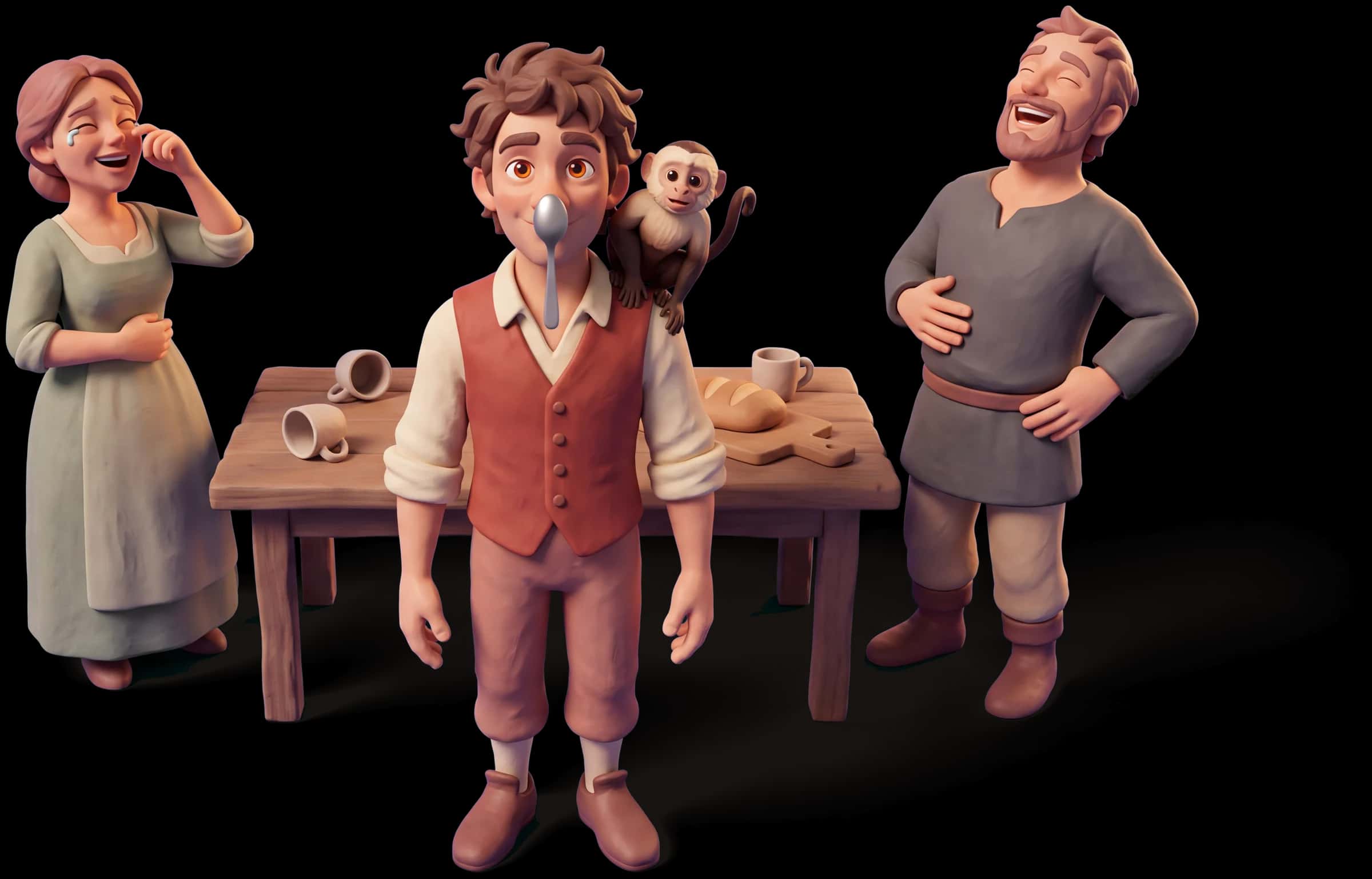
The Jester as a man
The male illustration is one way to picture this role. The theme of finding play, perspective and candid expression through humor is available to anyone. The image and label do not prescribe how a woman or man should behave.
The Jester archetype in relationships
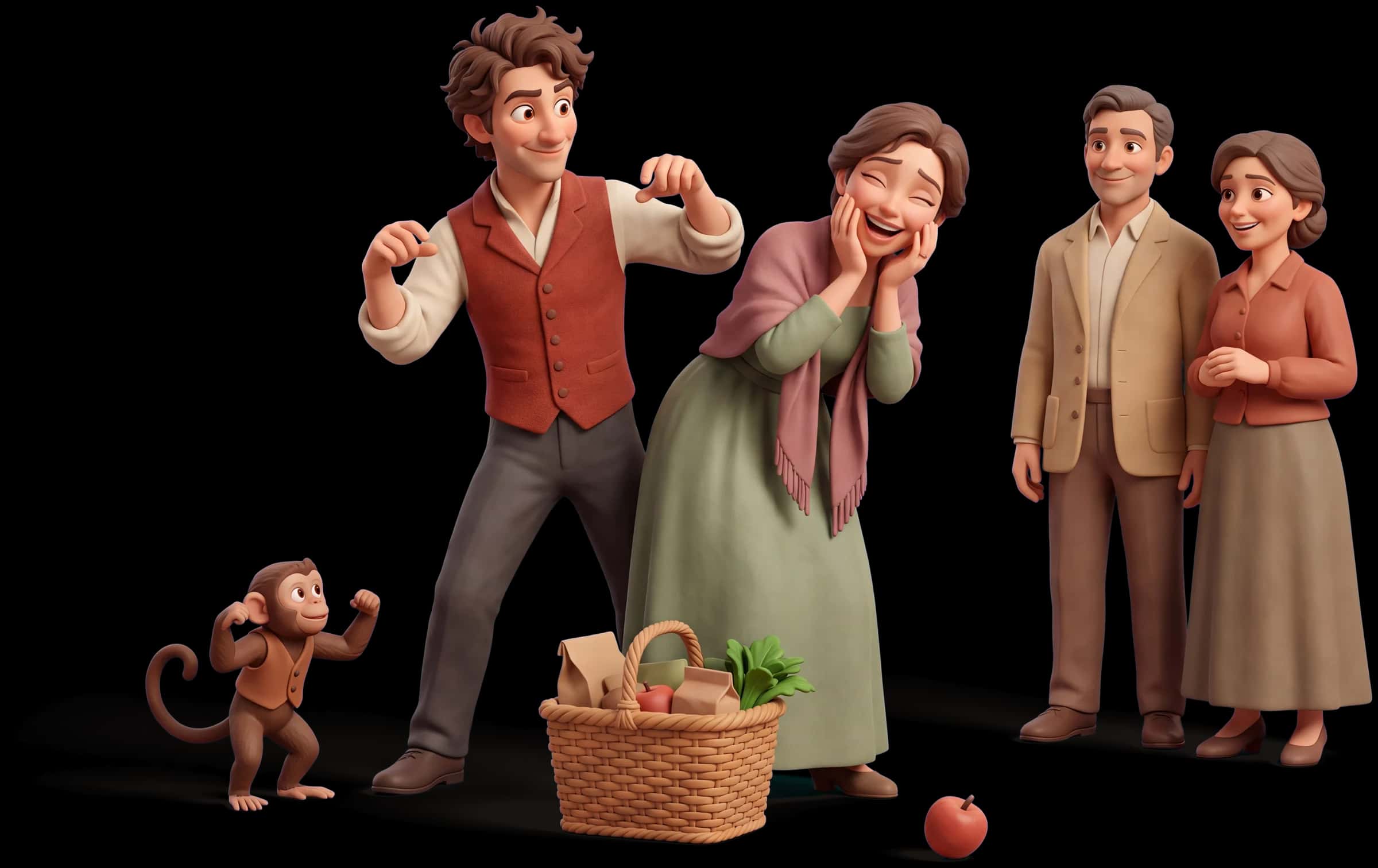
Playfulness can be a form of affection. When someone asks for a serious conversation, give them an answer that does not require decoding a joke.
The Jester in everyday life and at work

A Jester choice in practice
A meeting gets tense. You make a light joke about the confusing process, then ask the question everyone still needs answered.
A shared laugh can reopen conversation. A joke aimed at someone with less power can close it, and constant joking may prevent a serious concern from being heard.
After a joke, state the serious point plainly. Notice whether the other person is participating or simply being polite.
Settings in which to explore this theme
- Comedy, hosting and speaking
- Marketing and copywriting
- Teaching and training
- Sales and negotiation
- Team culture and facilitation
The Jester's growth path
After trying it, describe what happened without using an archetype label. Keep the practice if it helps; change it if it does not. A different choice does not mean you have passed or failed a personality test.
Where the Jester archetype comes from
Jester is a modern archetype label with an obvious connection to comic roles in stories and performance. Our profile explores what humor does in an interaction; it does not claim that every comic figure belongs to one psychological type.
Jester archetype examples
Illustrative comparisons, not assessed personality types. Fictional characters can fit several readings, and public figures are shown for their public work or image rather than claims about their private lives.





Ace Ventura puts comic disruption at the center of a character’s style. A Jester reading asks what the humor does: does it reveal something, break a convention or keep a difficult feeling at a distance? Being funny supplies the surface; the purpose and consequences of the joke supply the analysis.

The Jester vs. The Rebel
In our collection, the Jester emphasizes finding play, perspective and candid expression through humor; The Rebel emphasizes questioning imposed limits and challenging practices that seem unjust or unnecessary. The same action can fit both descriptions. Compare what the person is trying to achieve and what they are prepared to give up, rather than judging by the action alone. Read about The Rebel

The Jester vs. The Everyman
In our collection, the Jester emphasizes finding play, perspective and candid expression through humor; The Everyman emphasizes belonging through equality, shared experience and everyday reliability. The same action can fit both descriptions. Compare what the person is trying to achieve and what they are prepared to give up, rather than judging by the action alone. Read about The Everyman

Also related: The Muse
The Muse archetype represents encouraging imagination through conversation, expression and new connections.
Sources and interpretation
- Carol S. Pearson: the twelve-archetype system
The author explains her own model’s development. Our labels and quiz are a separate interpretation.
Published by Rare Personas. Our explanations and illustrative exercises are interpretations; the references support the specific background described above. Read about our approach and content responsibility. To suggest a correction, send the passage and page URL through our contact page.
Is the Jester your archetype?
Explore your answers with the archetype quiz. Your leading match and a short description are free; the full report is optional and paid.