
The Muse Archetype
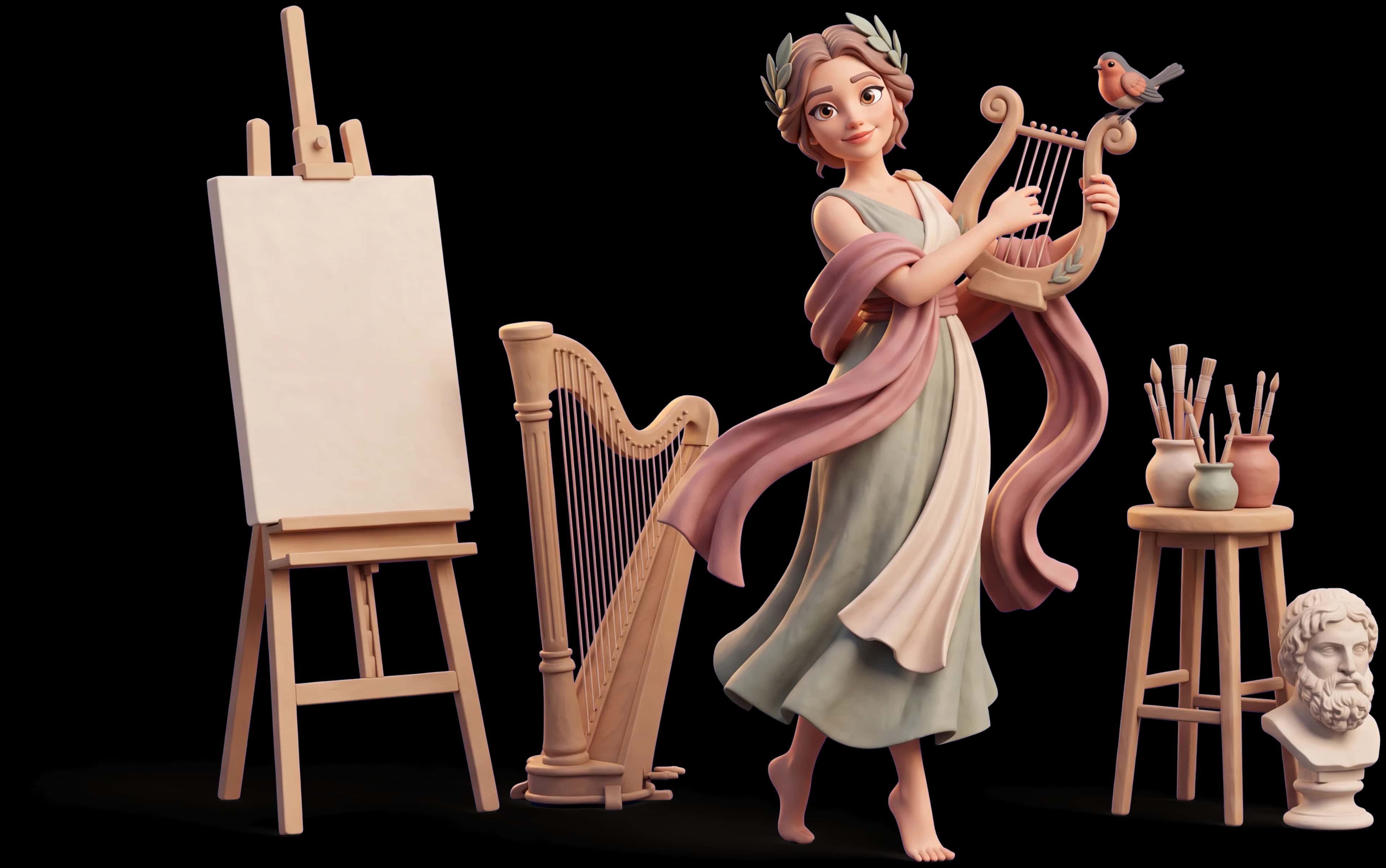
The Muse archetype represents encouraging imagination through conversation, expression and new connections.
What the Muse archetype means
In the Rare Personas collection, the Muse represents encouraging imagination through conversation, expression and new connections. Read it as a symbolic pattern for reflection or character writing, rather than a fixed kind of person.
Being a Muse does not mean existing to inspire someone else. In this collection the role includes making your own work and deciding how your ideas are shared and credited.
Muse archetype traits
- Inspiring
- Creative
- Expressive
- Perceptive
- Playful
- Luminous
Strengths
- Sparks ideas and courage in other people
- Turns ordinary settings into something memorable
- Moves fluidly between art forms and disciplines
- Sees hidden potential and names it out loud
Shadow side
- May inspire everyone else and never finish her own work
- Can need admiration the way others need air
- Novelty can pull her away from depth
- May perform a self instead of being one
Questions for exploring the Muse
- What draws you toward encouraging imagination through conversation, expression and new connections?
- When has this approach helped you, and when has a different approach worked better?
- What would you notice if a different interpretation of the same situation were true?
These questions invite reflection; they are not diagnostic criteria. Look for an example that does not fit as well as one that does.
The Muse as a woman
The female illustration is one way to picture this role. The theme of encouraging imagination through conversation, expression and new connections is available to anyone. The image and label do not prescribe how a woman or man should behave.
The Muse archetype in relationships

Inspiration is more useful when both people are allowed to be ordinary as well as interesting. Ask for attention to your needs, not only to what you bring out in someone else.
The Muse in everyday life and at work

A Muse choice in practice
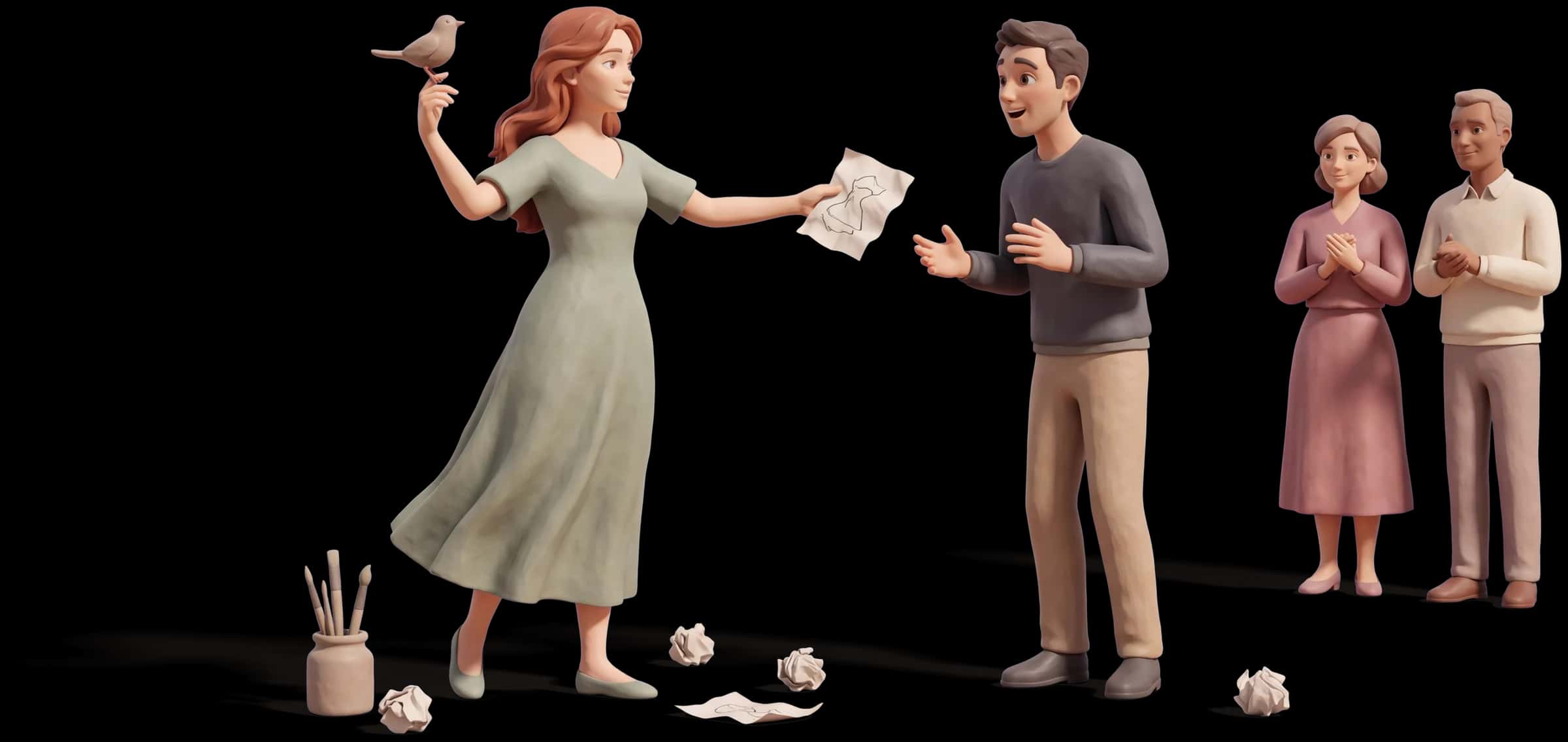
A friend is stuck on an idea. You offer a different image or question that opens a possibility, then ask what part they want to develop.
An energizing exchange can start useful work. Being valued only for the spark can leave your own projects and contribution unrecognized.
Capture one idea for your own project and take it through a small finished version. Agree how shared ideas will be credited.
Settings in which to explore this theme
- Creative direction
- Teaching and mentoring
- Brand and styling
- Talent development
- Hosting and community building
The Muse's growth path
After trying it, describe what happened without using an archetype label. Keep the practice if it helps; change it if it does not. A different choice does not mean you have passed or failed a personality test.
Where the Muse archetype comes from
Muse is a creative metaphor in the Rare Personas collection. Our emphasis is on inspiration and participation, not a claim that some people have a fixed duty to supply another person’s creativity. The profile is not presented as one of Jung’s established types.
Muse archetype examples
Illustrative comparisons, not assessed personality types. Fictional characters can fit several readings, and public figures are shown for their public work or image rather than claims about their private lives.




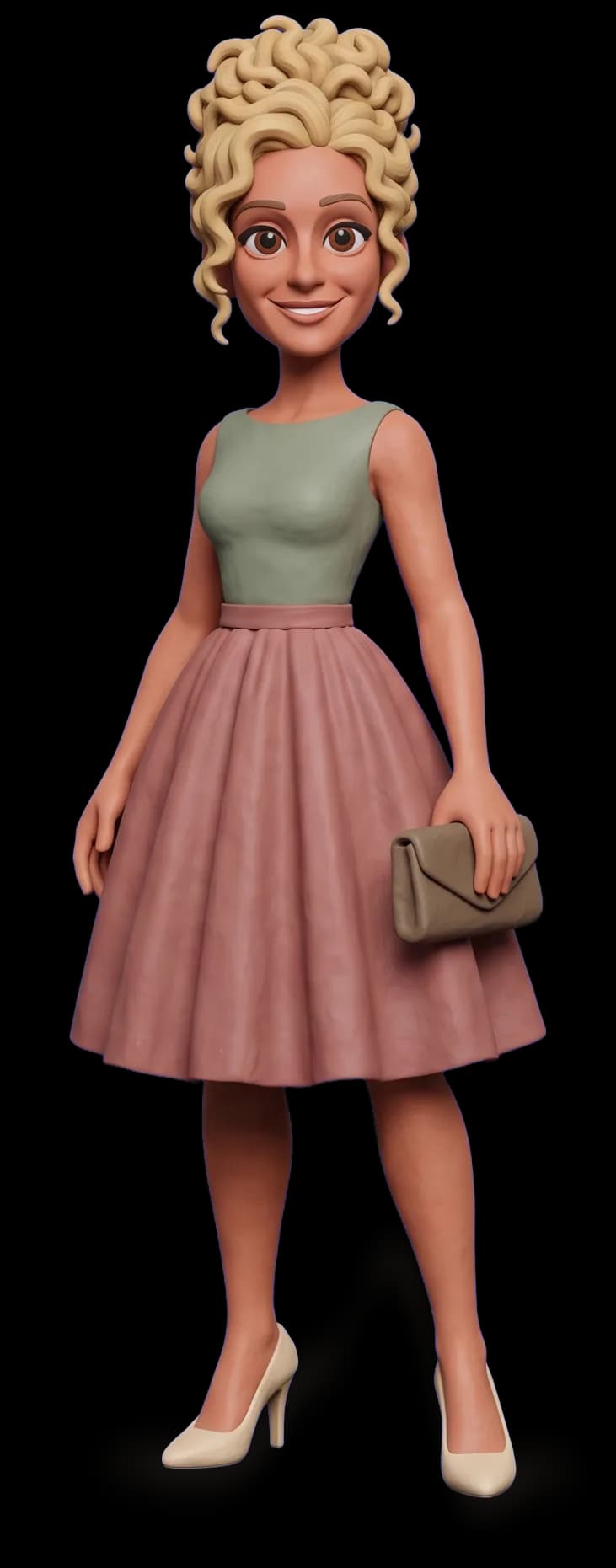
Carrie Bradshaw in Sex and the City offers a comparison for expression, style and conversation becoming material for creative work. The Muse reading is most useful when it includes her own authorship, rather than treating inspiration as something a person supplies only to others.

The Muse vs. The Lover
In our collection, the Muse emphasizes encouraging imagination through conversation, expression and new connections; The Lover emphasizes seeking connection, affection and attentive engagement with experience. The same action can fit both descriptions. Compare what the person is trying to achieve and what they are prepared to give up, rather than judging by the action alone. Read about The Lover
The Muse vs. The Maiden
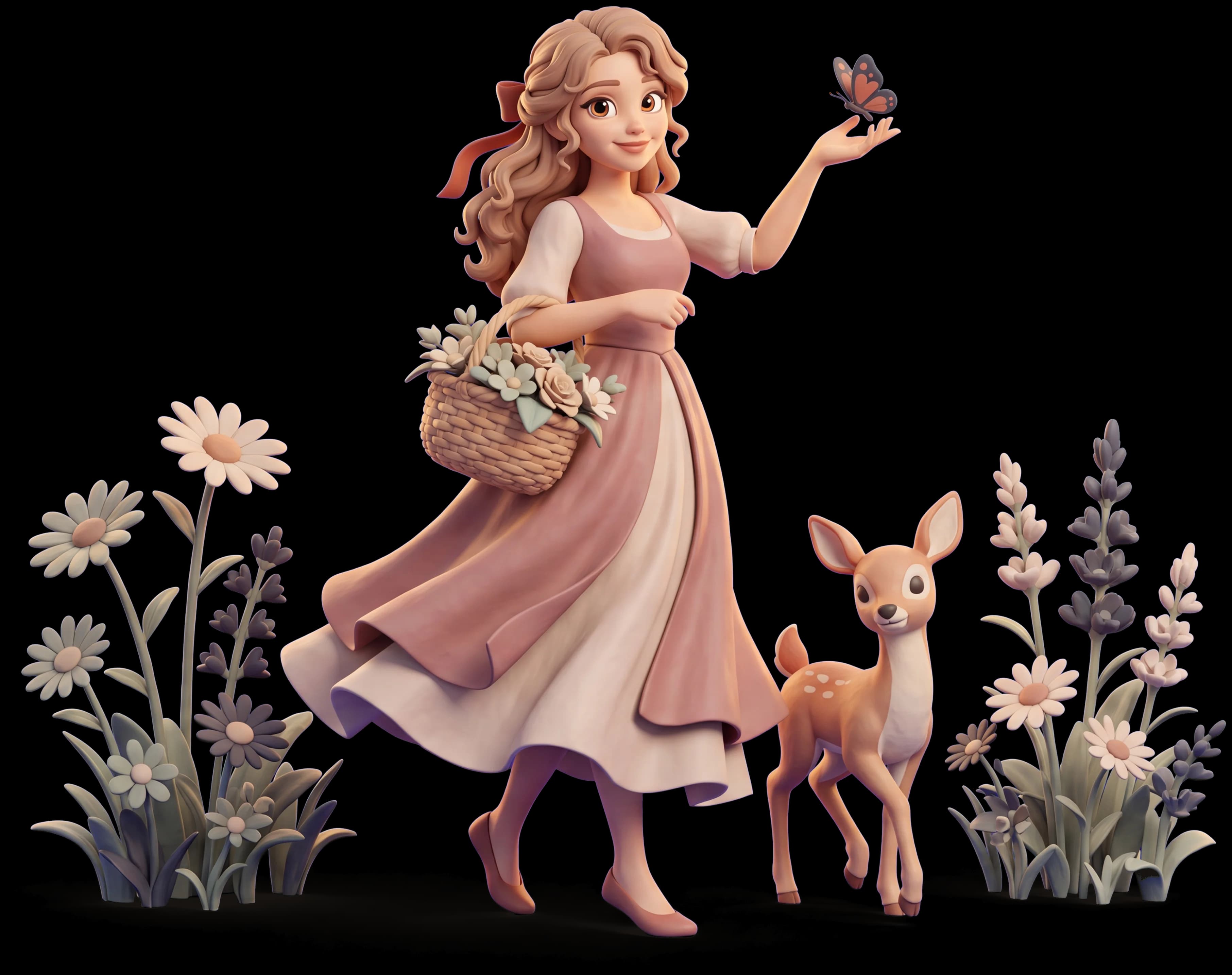
In our collection, the Muse emphasizes encouraging imagination through conversation, expression and new connections; The Maiden emphasizes approaching beginnings with openness, curiosity and a willingness to learn. The same action can fit both descriptions. Compare what the person is trying to achieve and what they are prepared to give up, rather than judging by the action alone. Read about The Maiden

Also related: The Sage
The Sage archetype represents understanding through evidence, questions and careful thought.
Sources and interpretation
- Carol S. Pearson: the twelve-archetype system
The author explains her own model’s development. Our labels and quiz are a separate interpretation.
Published by Rare Personas. Our explanations and illustrative exercises are interpretations; the references support the specific background described above. Read about our approach and content responsibility. To suggest a correction, send the passage and page URL through our contact page.
Is the Muse your archetype?
Explore your answers with the archetype quiz. Your leading match and a short description are free; the full report is optional and paid.