
The Lover Archetype
The Lover archetype represents seeking connection, affection and attentive engagement with experience.

The Lover as a woman
The female illustration is one way to picture this role. The theme of seeking connection, affection and attentive engagement with experience is available to anyone. The image and label do not prescribe how a woman or man should behave.

The Lover as a man
The male illustration is one way to picture this role. The theme of seeking connection, affection and attentive engagement with experience is available to anyone. The image and label do not prescribe how a woman or man should behave.
What the Lover archetype means
In the Rare Personas collection, the Lover represents seeking connection, affection and attentive engagement with experience. Read it as a symbolic pattern for reflection or character writing, rather than a fixed kind of person.
Lover is not a sexual orientation, relationship status or promise of compatibility. It names a theme of connection that can appear in friendship, art and ordinary attention as well as romance.
Lover archetype traits
- Warm
- Magnetic
- Present
- Sensual
- Devoted
- Appreciative

Strengths
- Builds deep and honest emotional bonds
- Notices and creates beauty in everyday life
- Makes people feel genuinely seen and valued
- Brings passion and aliveness into everything
Shadow side
- Can dissolve into a relationship and forget their own needs
- Fear of being alone may keep them in the wrong company
- Can tie self-worth to being desired
- Feelings can drown out practical judgment
Questions for exploring the Lover
- What draws you toward seeking connection, affection and attentive engagement with experience?
- When has this approach helped you, and when has a different approach worked better?
- What would you notice if a different interpretation of the same situation were true?
These questions invite reflection; they are not diagnostic criteria. Look for an example that does not fit as well as one that does.
The Lover archetype in relationships
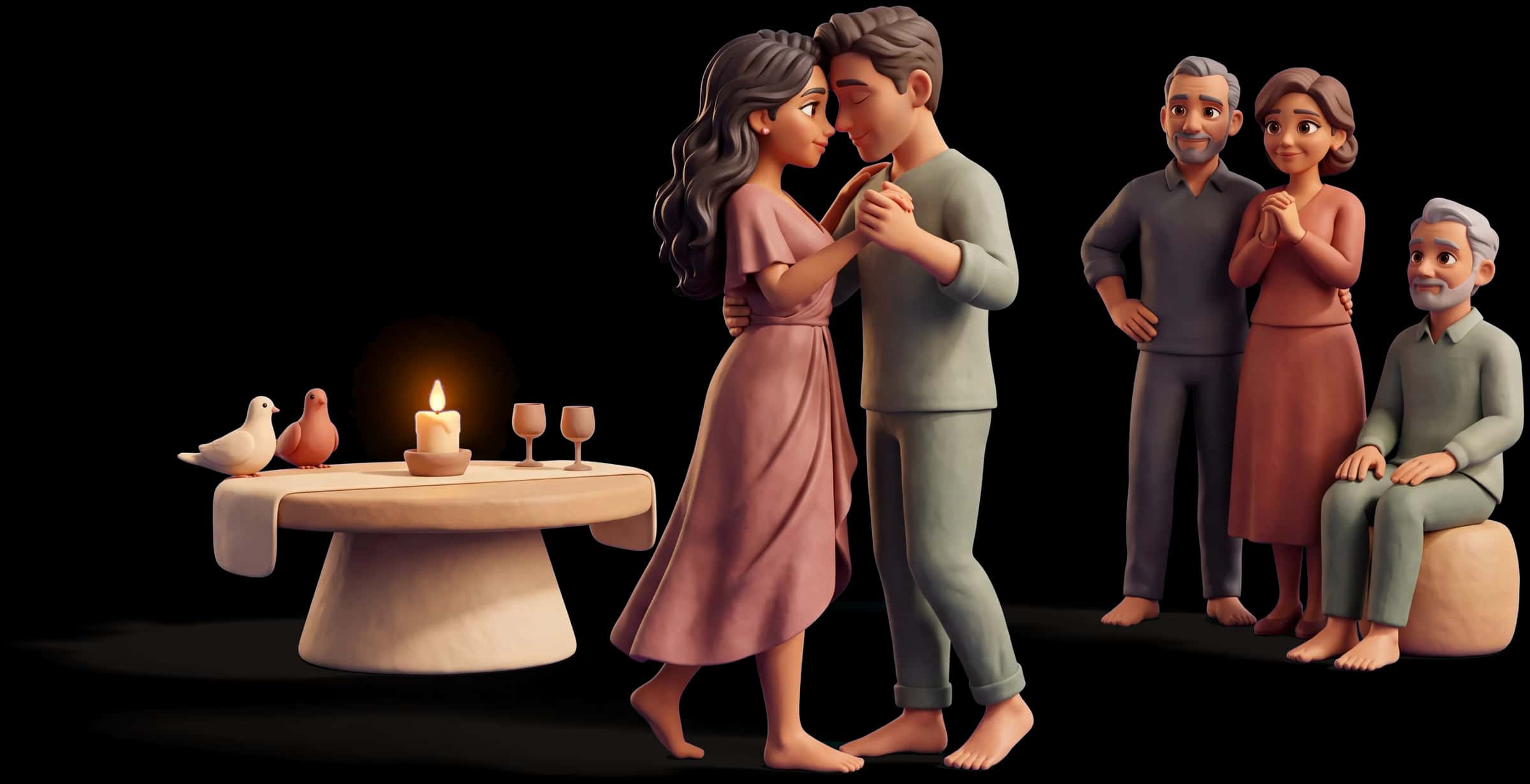
The useful question is whether warmth is mutual and welcome. A profile cannot tell you who will love you well; listen to what a person says and how they behave over time.
The Lover in everyday life and at work

A Lover choice in practice
You plan an evening around a detail your friend mentioned enjoying. Before making the plan elaborate, you ask what kind of time together they want.
Attention can make someone feel valued. Assuming that closeness means sharing every feeling or every hour can leave too little room for separate preferences.
Ask for one thing you would enjoy and invite an honest alternative. Let a difference in preference remain a difference rather than a test of affection.
Settings in which to explore this theme
- Counseling and coaching
- Design and aesthetics
- Hospitality and events
- Client relationships
- Arts and performance
The Lover's growth path
After trying it, describe what happened without using an archetype label. Keep the practice if it helps; change it if it does not. A different choice does not mean you have passed or failed a personality test.
Where the Lover archetype comes from
Lover appears in more than one modern archetype framework, including Moore and Gillette’s four-part model. Rare Personas uses its own description of connection and presence. Similar labels across books are not evidence of identical definitions or tests.
Lover archetype examples
Illustrative comparisons, not assessed personality types. Fictional characters can fit several readings, and public figures are shown for their public work or image rather than claims about their private lives.


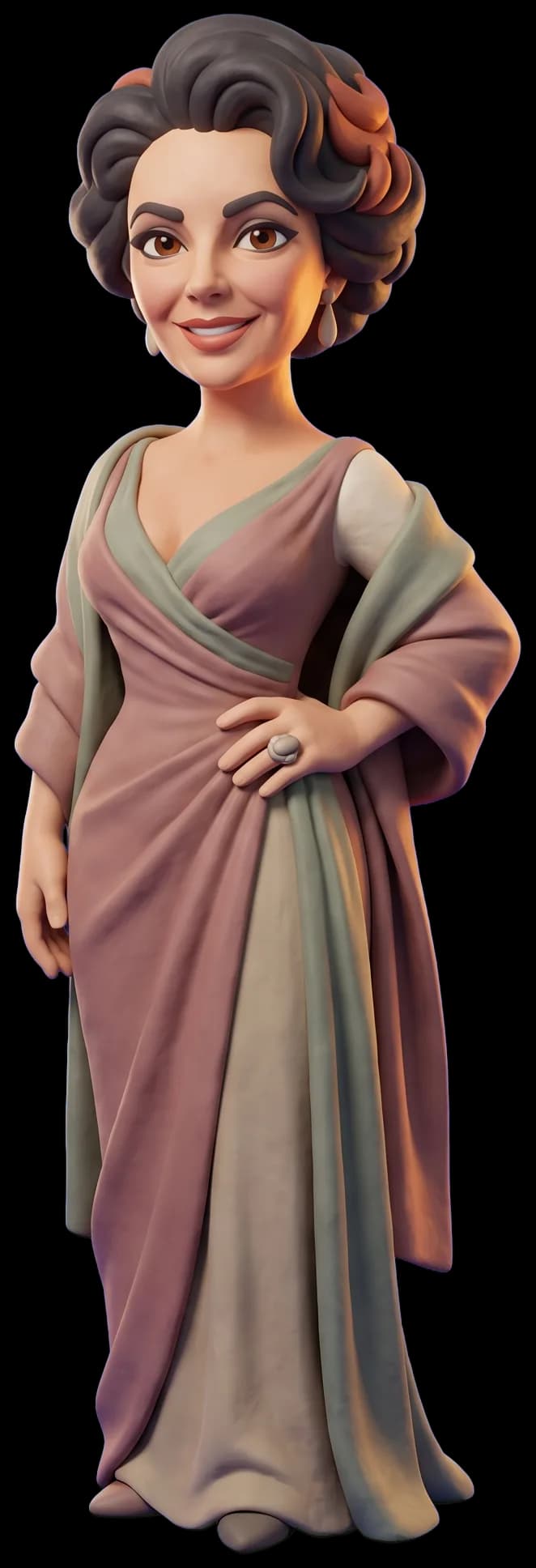


Jack Dawson and Rose DeWitt Bukater in Titanic make connection and attention central to their story. A Lover reading can examine what each notices in the other and what the relationship asks them to choose. It does not turn a fictional romance into a model of compatibility that readers should reproduce.

The Lover vs. The Muse
In our collection, the Lover emphasizes seeking connection, affection and attentive engagement with experience; The Muse emphasizes encouraging imagination through conversation, expression and new connections. The same action can fit both descriptions. Compare what the person is trying to achieve and what they are prepared to give up, rather than judging by the action alone. Read about The Muse

The Lover vs. The Queen
In our collection, the Lover emphasizes seeking connection, affection and attentive engagement with experience; The Queen emphasizes taking responsibility through clear standards, coordination and considered decisions. The same action can fit both descriptions. Compare what the person is trying to achieve and what they are prepared to give up, rather than judging by the action alone. Read about The Queen

Also related: The Maiden
The Maiden archetype represents approaching beginnings with openness, curiosity and a willingness to learn.
Sources and interpretation
- Robert Moore and Douglas Gillette: King, Warrior, Magician, Lover
The publisher’s description identifies the four-part framework. Our twelve-label collection and scoring are our own.
Published by Rare Personas. Our explanations and illustrative exercises are interpretations; the references support the specific background described above. Read about our approach and content responsibility. To suggest a correction, send the passage and page URL through our contact page.
Is the Lover your archetype?
Explore your answers with the archetype quiz. Your leading match and a short description are free; the full report is optional and paid.