
The Maiden Archetype
The Maiden archetype represents approaching beginnings with openness, curiosity and a willingness to learn.

What the Maiden archetype means
In the Rare Personas collection, the Maiden represents approaching beginnings with openness, curiosity and a willingness to learn. Read it as a symbolic pattern for reflection or character writing, rather than a fixed kind of person.
Maiden here does not refer to age, sexual experience or a required stage of womanhood. An experienced person starting something unfamiliar can use this theme too.
Maiden archetype traits
- Hopeful
- Playful
- Trusting
- Curious
- Light-hearted
- Resilient

Strengths
- Starts over without dragging the past along
- Disarms tense rooms with genuine lightness
- Finds joy in small, ordinary things
- Keeps an open mind where others have settled
Shadow side
- Trust can slide into being easy to take advantage of
- May avoid hard truths to keep the mood light
- Can stay dependent on others to handle the serious things
- Endless fresh starts can prevent anything from taking root
Questions for exploring the Maiden
- What draws you toward approaching beginnings with openness, curiosity and a willingness to learn?
- When has this approach helped you, and when has a different approach worked better?
- What would you notice if a different interpretation of the same situation were true?
These questions invite reflection; they are not diagnostic criteria. Look for an example that does not fit as well as one that does.
The Maiden as a woman
The female illustration is one way to picture this role. The theme of approaching beginnings with openness, curiosity and a willingness to learn is available to anyone. The image and label do not prescribe how a woman or man should behave.
The Maiden archetype in relationships
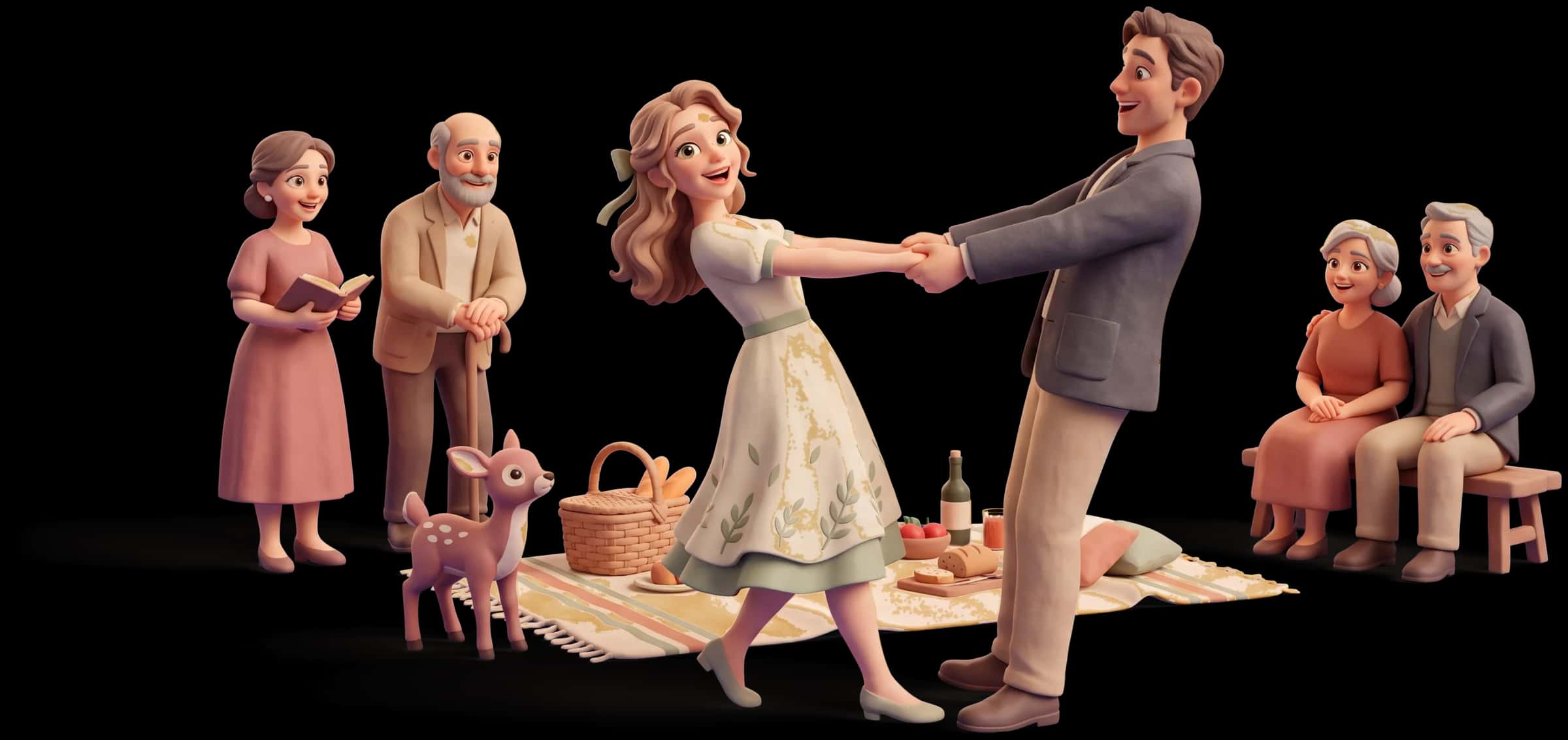
Curiosity can keep a relationship from becoming a set of assumptions. You can be open to another person while still asking questions and deciding what feels right for you.
The Maiden in everyday life and at work
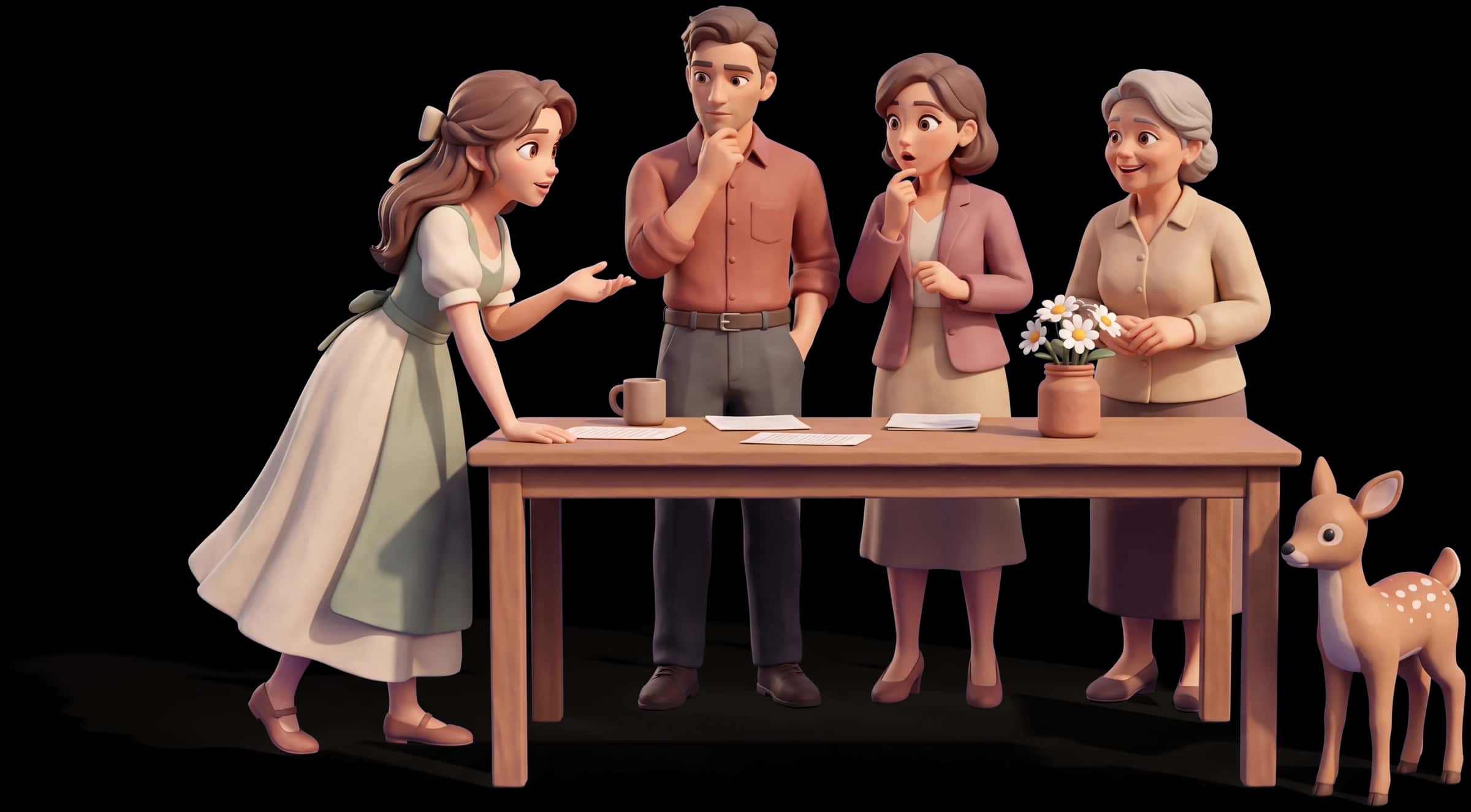
A Maiden choice in practice
You join a class in a subject you know little about. You ask basic questions and try the first exercise without waiting to look competent.
Openness makes learning possible. Depending on someone else to make every decision can keep a beginner from developing their own judgment.
Try one unfamiliar task, ask for feedback and make the next small decision yourself.
Settings in which to explore this theme
- Teaching and working with children
- Hospitality and guest experience
- Creative and brand work
- Community and event roles
- Anything that welcomes, onboards or launches
The Maiden's growth path
After trying it, describe what happened without using an archetype label. Keep the practice if it helps; change it if it does not. A different choice does not mean you have passed or failed a personality test.
Where the Maiden archetype comes from
Rare Personas uses Maiden as a symbolic beginning within its own collection. The label is not a biological stage or a sequence in which every woman must progress toward another archetype. Its value here is as a prompt about learning and possibility.
Maiden archetype examples
Illustrative comparisons, not assessed personality types. Fictional characters can fit several readings, and public figures are shown for their public work or image rather than claims about their private lives.

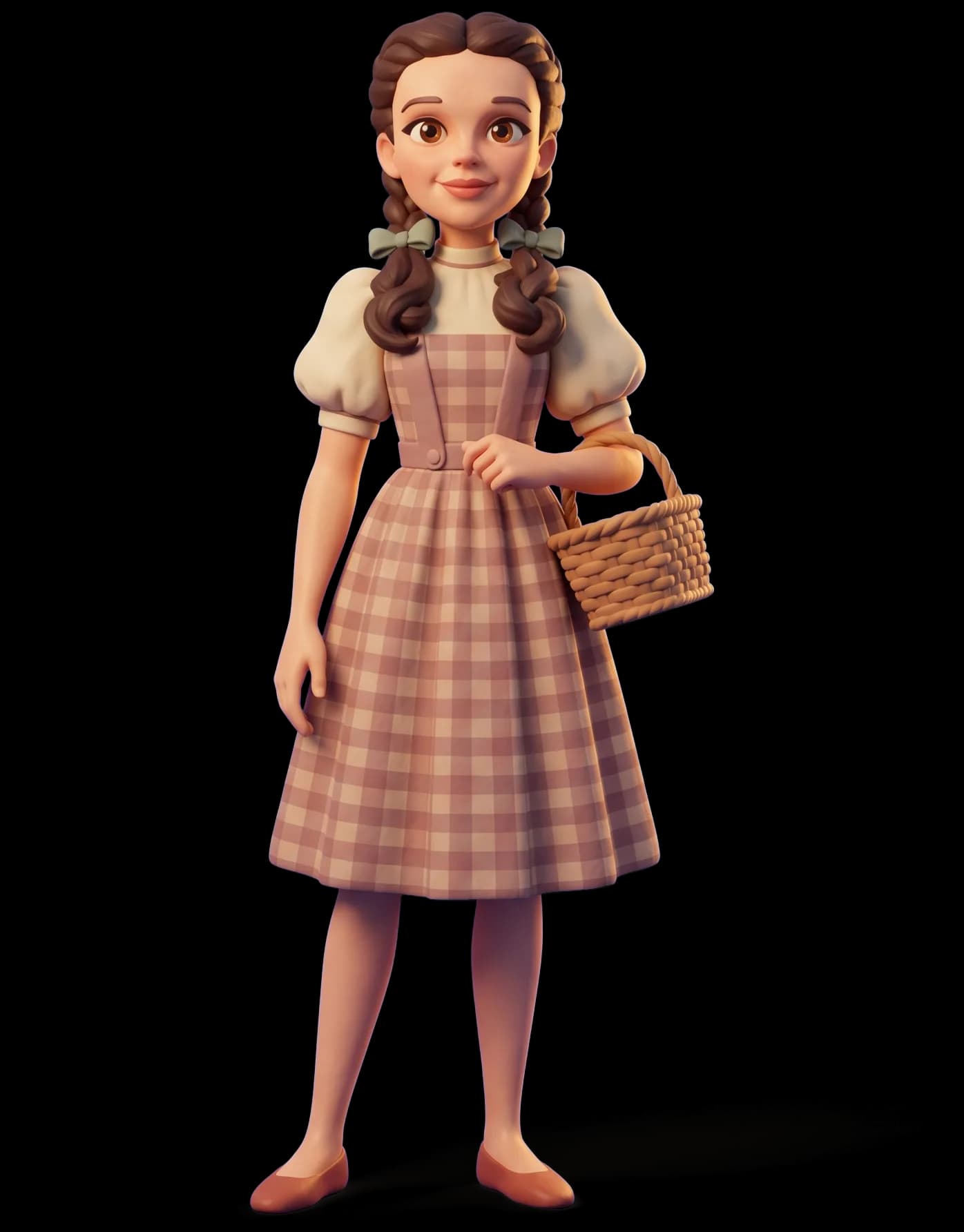

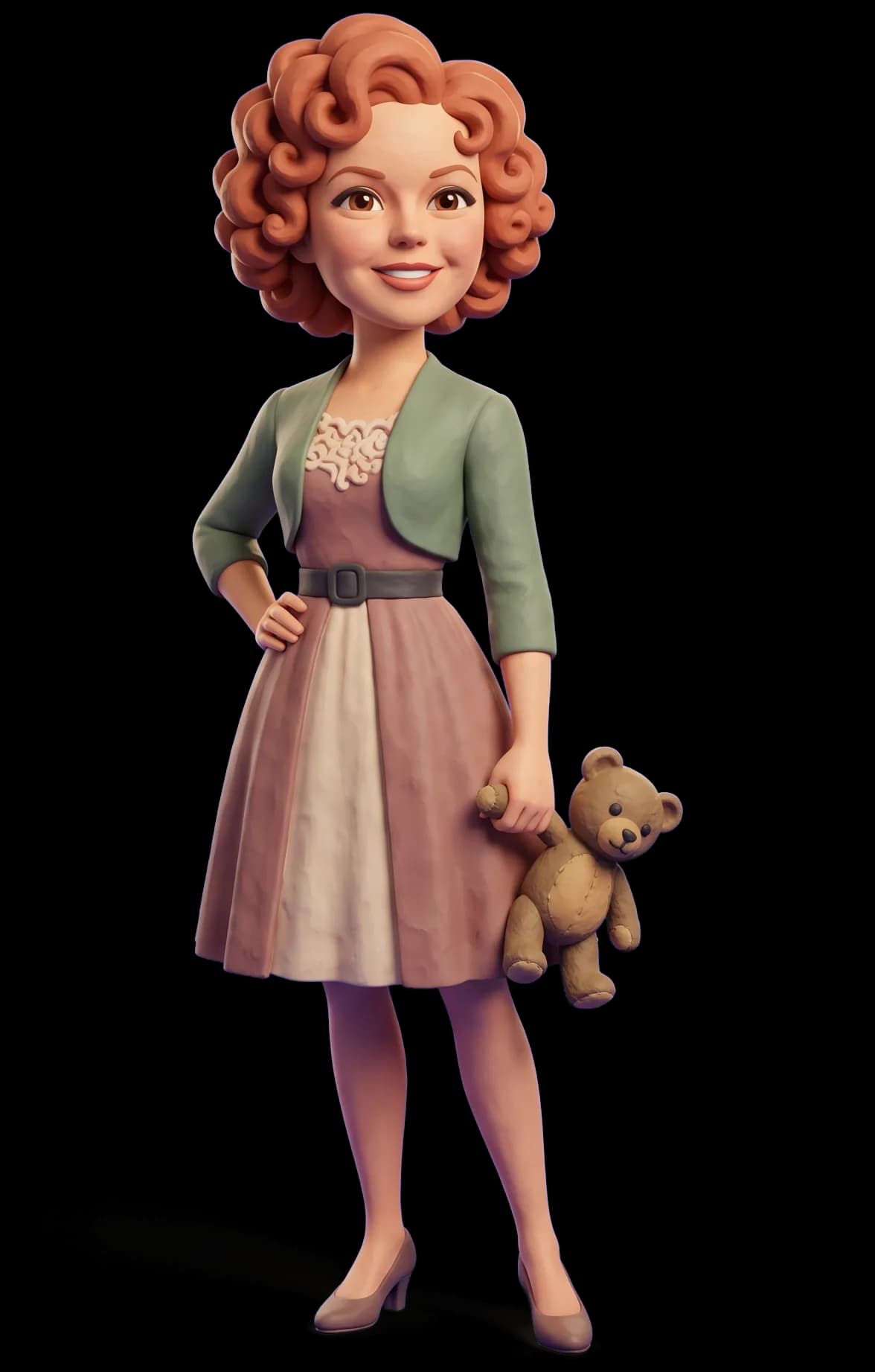

Anne in Anne of Green Gables supplies an example of entering an unfamiliar setting with imagination and a desire for possibility. The Maiden reading follows the beginning and the learning it requires. It need not imply that openness belongs only to children or that every new start follows the same developmental sequence.

The Maiden vs. The Innocent
In our collection, the Maiden emphasizes approaching beginnings with openness, curiosity and a willingness to learn; The Innocent emphasizes hope, trust and appreciation of ordinary good things. The same action can fit both descriptions. Compare what the person is trying to achieve and what they are prepared to give up, rather than judging by the action alone. Read about The Innocent

The Maiden vs. The Lover
In our collection, the Maiden emphasizes approaching beginnings with openness, curiosity and a willingness to learn; The Lover emphasizes seeking connection, affection and attentive engagement with experience. The same action can fit both descriptions. Compare what the person is trying to achieve and what they are prepared to give up, rather than judging by the action alone. Read about The Lover

Also related: The Muse
The Muse archetype represents encouraging imagination through conversation, expression and new connections.
Sources and interpretation
- Carol S. Pearson: the twelve-archetype system
The author explains her own model’s development. Our labels and quiz are a separate interpretation.
Published by Rare Personas. Our explanations and illustrative exercises are interpretations; the references support the specific background described above. Read about our approach and content responsibility. To suggest a correction, send the passage and page URL through our contact page.
Is the Maiden your archetype?
Explore your answers with the archetype quiz. Your leading match and a short description are free; the full report is optional and paid.