
The Rebel Archetype
The Rebel archetype represents questioning imposed limits and challenging practices that seem unjust or unnecessary.

The Rebel as a woman
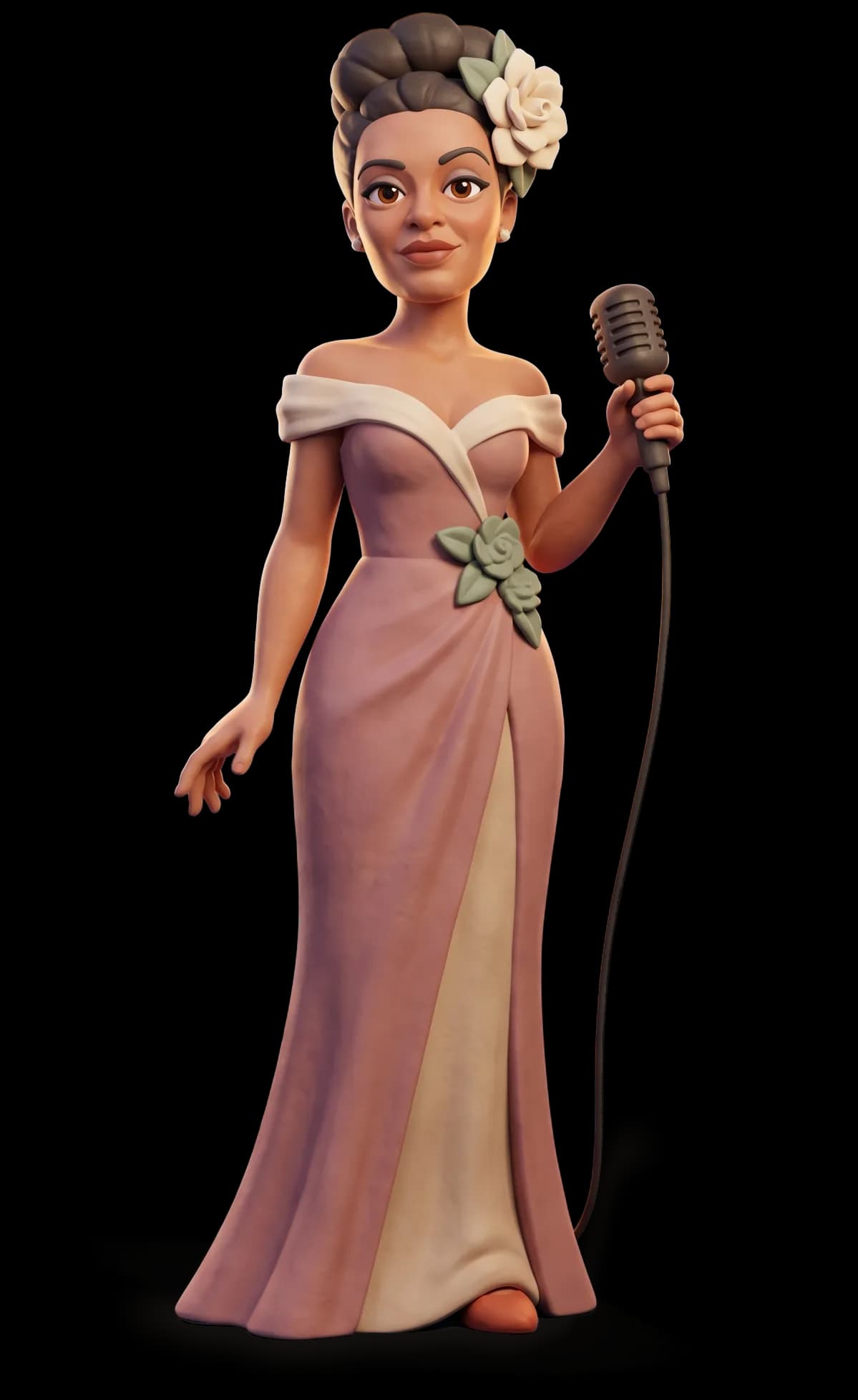
The female illustration is one way to picture this role. The theme of questioning imposed limits and challenging practices that seem unjust or unnecessary is available to anyone. The image and label do not prescribe how a woman or man should behave.

The Rebel as a man
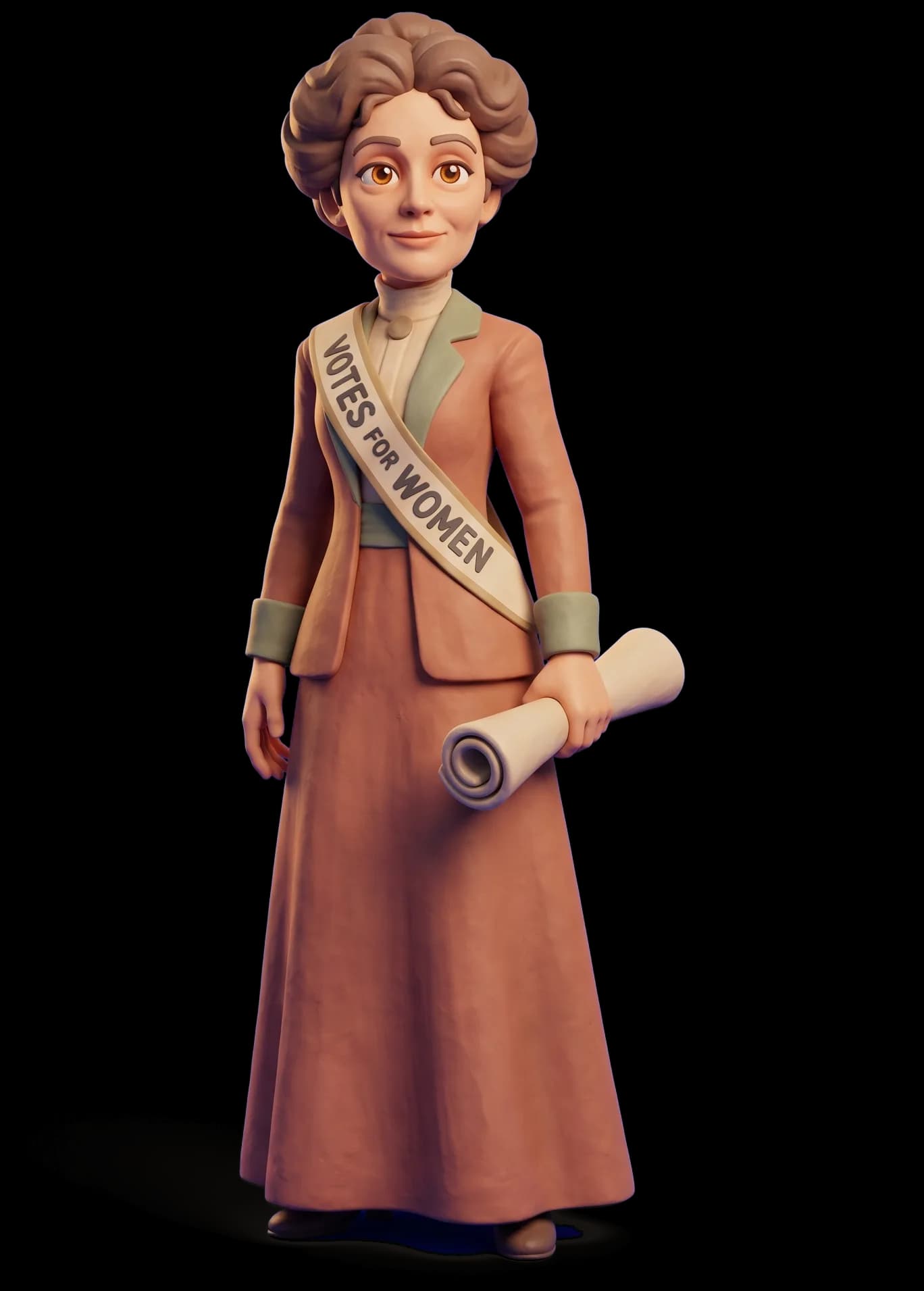
The male illustration is one way to picture this role. The theme of questioning imposed limits and challenging practices that seem unjust or unnecessary is available to anyone. The image and label do not prescribe how a woman or man should behave.
What the Rebel archetype means
In the Rare Personas collection, the Rebel represents questioning imposed limits and challenging practices that seem unjust or unnecessary. Read it as a symbolic pattern for reflection or character writing, rather than a fixed kind of person.
Disagreement is not automatically insight. This profile is useful when it asks what should replace an unwanted rule and who will be affected by the change.
Rebel archetype traits
- Fearless
- Direct
- Independent
- Provocative
- Loyal to truth
- Unowned

Strengths
- Says the thing everyone thinks and no one says
- Questions manipulation and empty authority
- Defends people who cannot defend themselves
- Starts the changes others only talk about
Shadow side
- Can oppose things reflexively, even good things
- Burning it all down is easier than building
- Provocation can become identity instead of tool
- May mistake every compromise for surrender
Questions for exploring the Rebel
- What draws you toward questioning imposed limits and challenging practices that seem unjust or unnecessary?
- When has this approach helped you, and when has a different approach worked better?
- What would you notice if a different interpretation of the same situation were true?
These questions invite reflection; they are not diagnostic criteria. Look for an example that does not fit as well as one that does.
The Rebel archetype in relationships

Independence can coexist with agreements freely made. Distinguish a controlling demand from a reasonable request before treating the conversation as a fight for freedom.
The Rebel in everyday life and at work

A Rebel choice in practice
You challenge a rule that excludes a colleague. You describe the harm, propose an alternative and ask the colleague what outcome they want.
A challenge can expose a real problem. Opposing a proposal simply because it comes from authority can make it harder to recognize a useful change.
Name the principle you want to defend and one piece of evidence that could change your preferred solution.
Settings in which to explore this theme
- Investigative journalism
- Founding and startup work
- Activism and advocacy
- Creative direction
- Reform and turnaround roles
The Rebel's growth path
After trying it, describe what happened without using an archetype label. Keep the practice if it helps; change it if it does not. A different choice does not mean you have passed or failed a personality test.
Where the Rebel archetype comes from
Rebel is a label in modern archetype writing; our version emphasizes questioning and reform. It is not evidence that dissent always signals maturity, that an opponent is wrong or that Jung established this quiz category.
Rebel archetype examples
Illustrative comparisons, not assessed personality types. Fictional characters can fit several readings, and public figures are shown for their public work or image rather than claims about their private lives.



Neo in The Matrix is a useful comparison for questioning a system that presents itself as unavoidable. A Rebel reading becomes more interesting when it asks what freedom requires after the initial refusal. Rejecting an imposed explanation starts the conflict; choosing responsibilities and alternatives develops it.
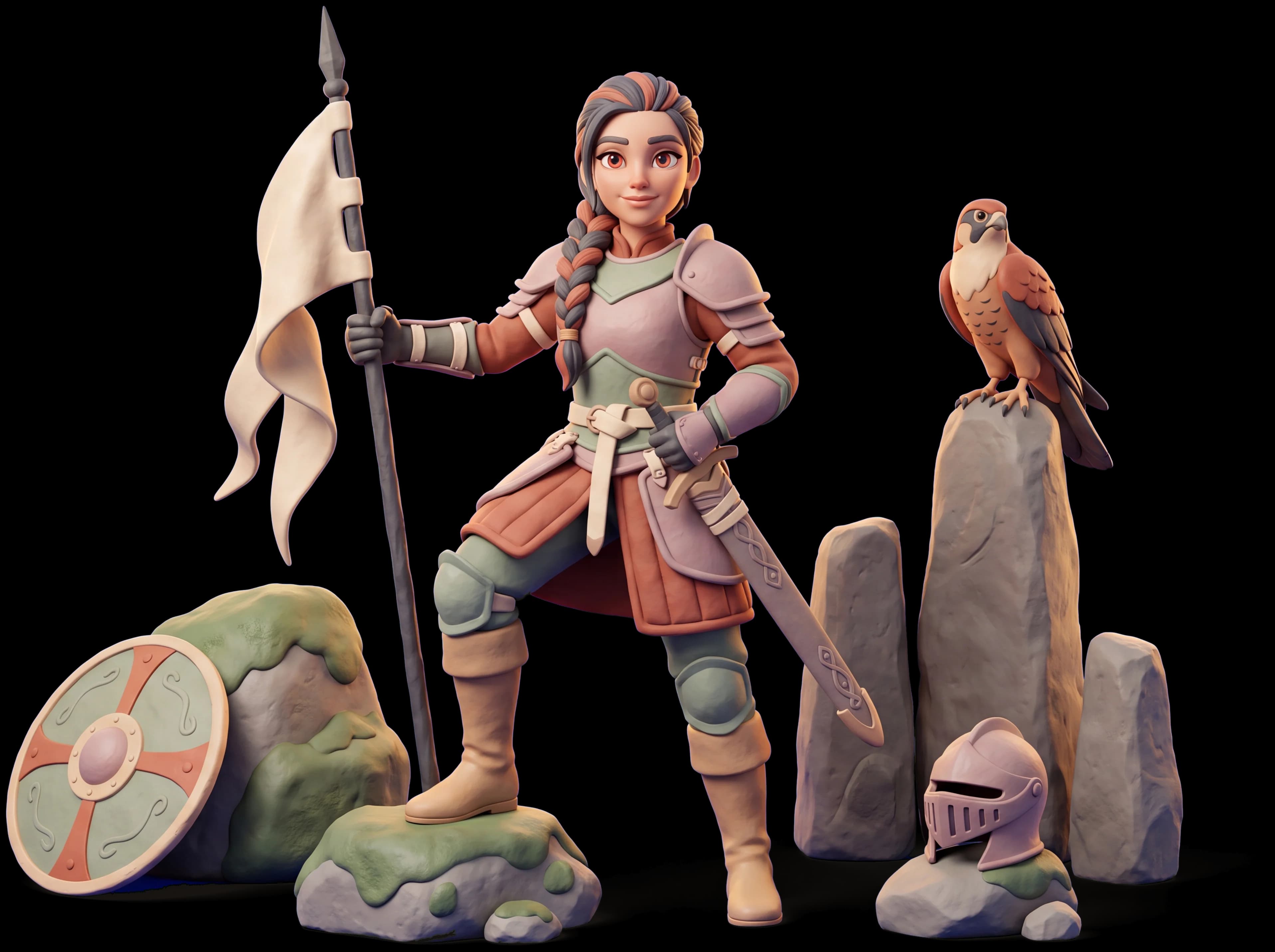
The Rebel vs. The Warrior
In our collection, the Rebel emphasizes questioning imposed limits and challenging practices that seem unjust or unnecessary; The Warrior emphasizes sustaining a commitment through discipline, boundaries and purposeful action. The same action can fit both descriptions. Compare what the person is trying to achieve and what they are prepared to give up, rather than judging by the action alone. Read about The Warrior
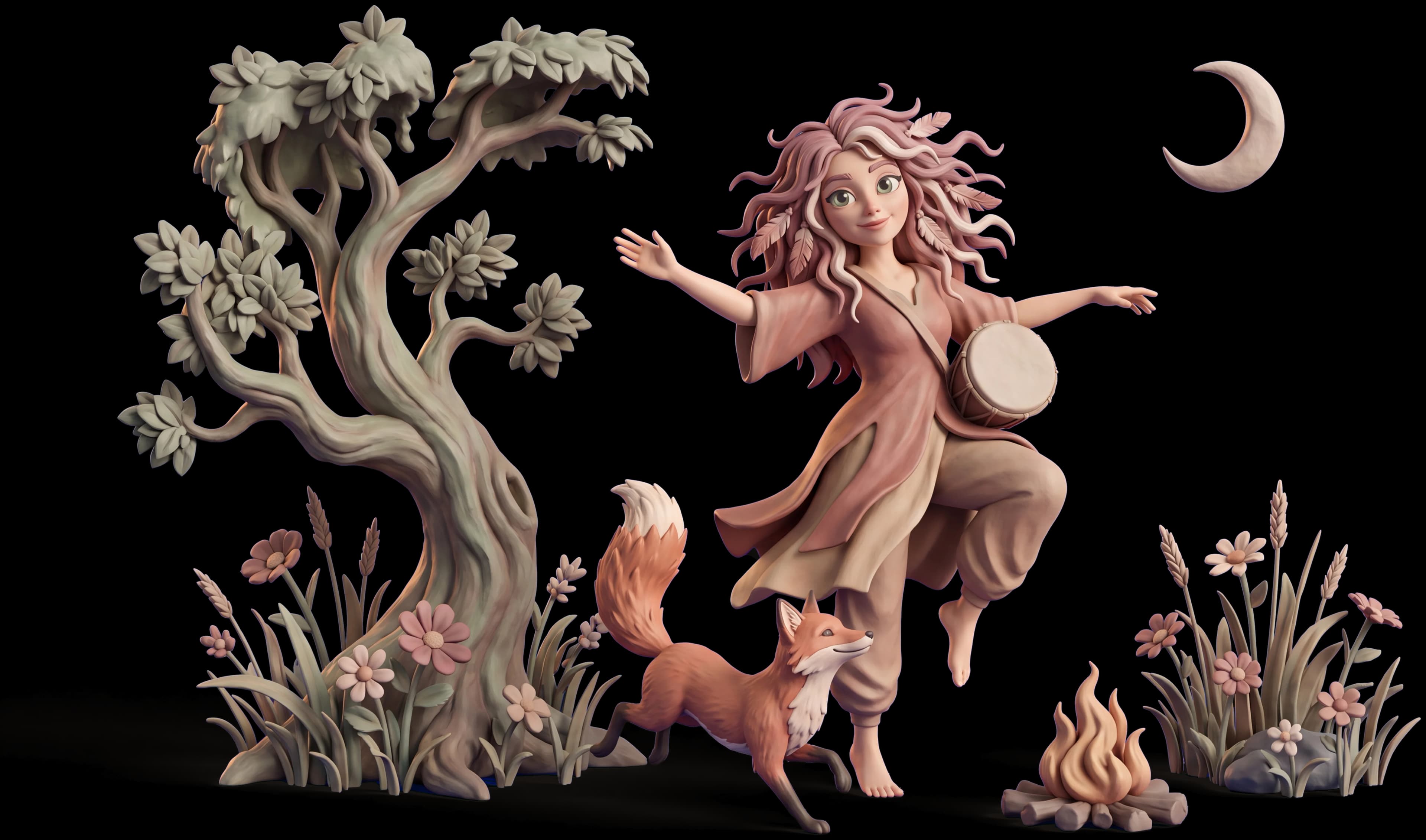
The Rebel vs. The Wild Woman
In our collection, the Rebel emphasizes questioning imposed limits and challenging practices that seem unjust or unnecessary; The Wild Woman emphasizes making room for spontaneity, expression and a self-directed way of living. The same action can fit both descriptions. Compare what the person is trying to achieve and what they are prepared to give up, rather than judging by the action alone. Read about The Wild Woman

Also related: The Huntress
The Huntress archetype represents pursuing a chosen goal with focus, independence and clear boundaries.
Sources and interpretation
- Carol S. Pearson: the twelve-archetype system
The author explains her own model’s development. Our labels and quiz are a separate interpretation.
Published by Rare Personas. Our explanations and illustrative exercises are interpretations; the references support the specific background described above. Read about our approach and content responsibility. To suggest a correction, send the passage and page URL through our contact page.
Is the Rebel your archetype?
Explore your answers with the archetype quiz. Your leading match and a short description are free; the full report is optional and paid.