
The Huntress Archetype
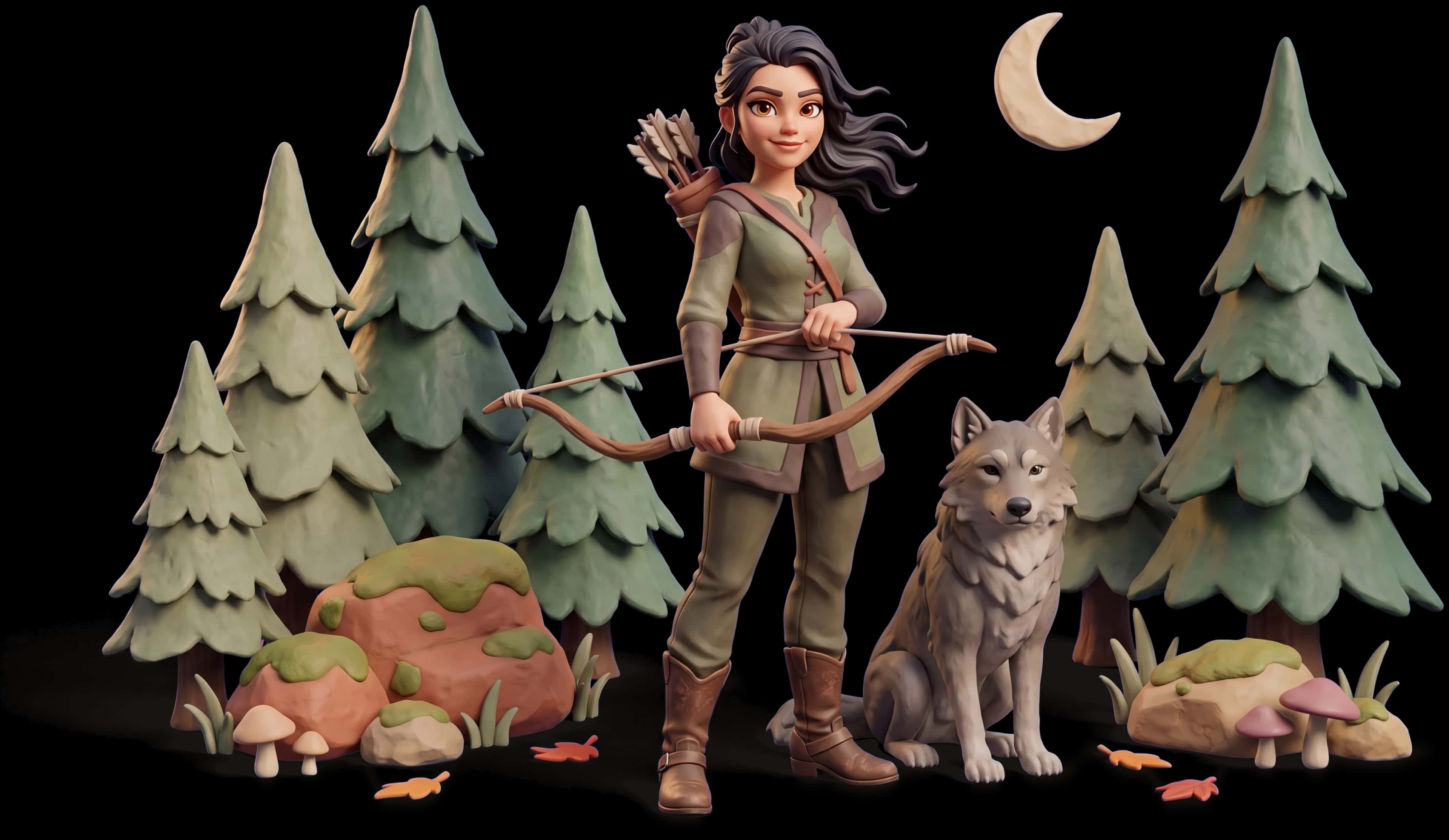
The Huntress archetype represents pursuing a chosen goal with focus, independence and clear boundaries.
What the Huntress archetype means
In the Rare Personas collection, the Huntress represents pursuing a chosen goal with focus, independence and clear boundaries. Read it as a symbolic pattern for reflection or character writing, rather than a fixed kind of person.
Independence does not require refusing support. In this collection the Huntress chooses the target; the Warrior emphasizes the commitment or boundary being defended.
Huntress archetype traits
- Independent
- Focused
- Self-reliant
- Loyal to few
- Grounded
- Goal-driven
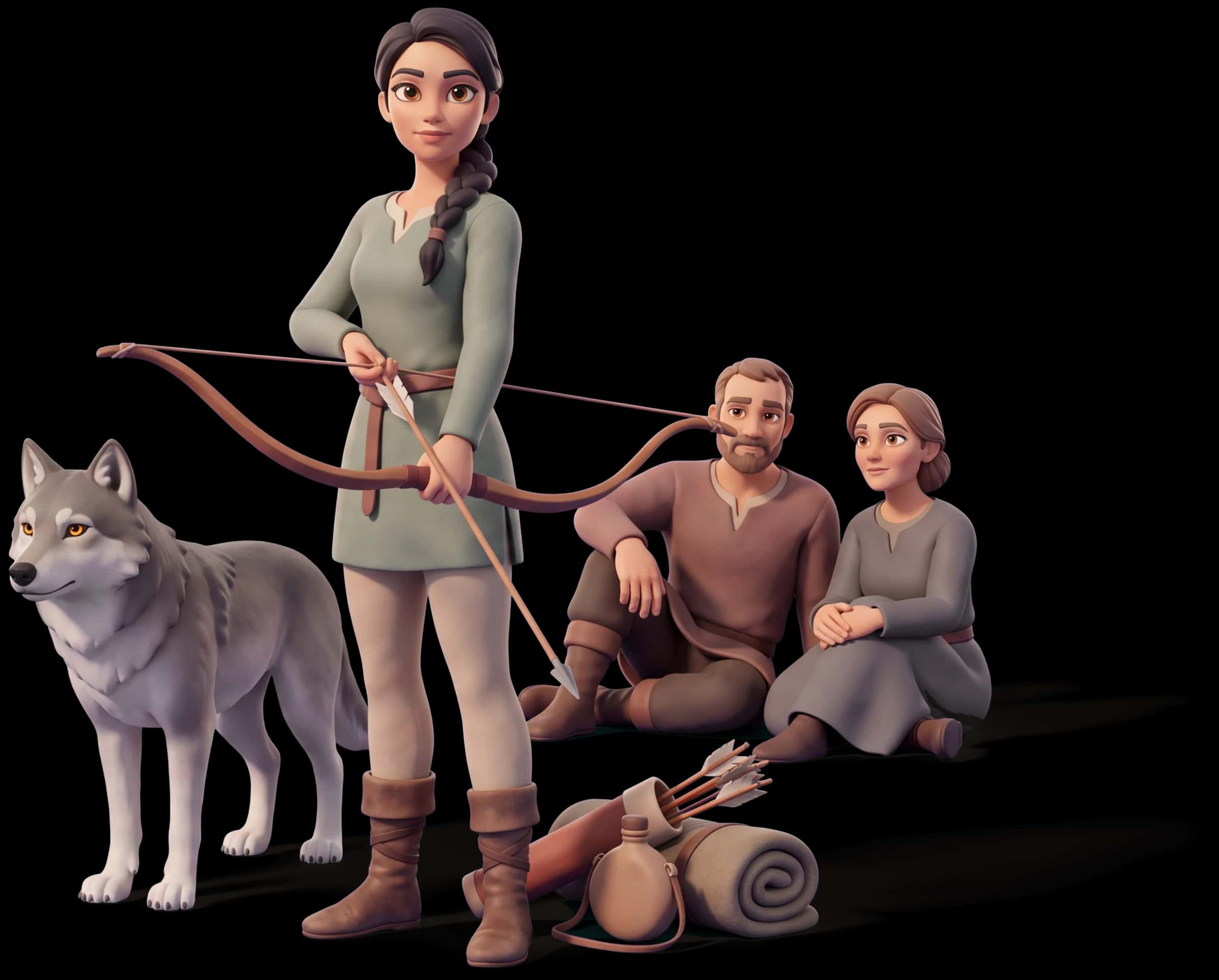
Strengths
- Sets a goal and actually follows through on it
- Makes room for independent decisions
- Keeps clear boundaries without feeling guilty
- Stays calm and practical under pressure
Shadow side
- Independence can harden into refusing all help
- Can go cold or distant when someone gets too close
- May pick lonely paths even when sharing would be better
- Impatience with people who move slower than she does
Questions for exploring the Huntress
- What draws you toward pursuing a chosen goal with focus, independence and clear boundaries?
- When has this approach helped you, and when has a different approach worked better?
- What would you notice if a different interpretation of the same situation were true?
These questions invite reflection; they are not diagnostic criteria. Look for an example that does not fit as well as one that does.
The Huntress as a woman
The female illustration is one way to picture this role. The theme of pursuing a chosen goal with focus, independence and clear boundaries is available to anyone. The image and label do not prescribe how a woman or man should behave.
The Huntress archetype in relationships

A relationship can include both closeness and self-directed time. Make those needs explicit and negotiate shared plans instead of relying on the other person to guess when you want space.
The Huntress in everyday life and at work
A Huntress choice in practice
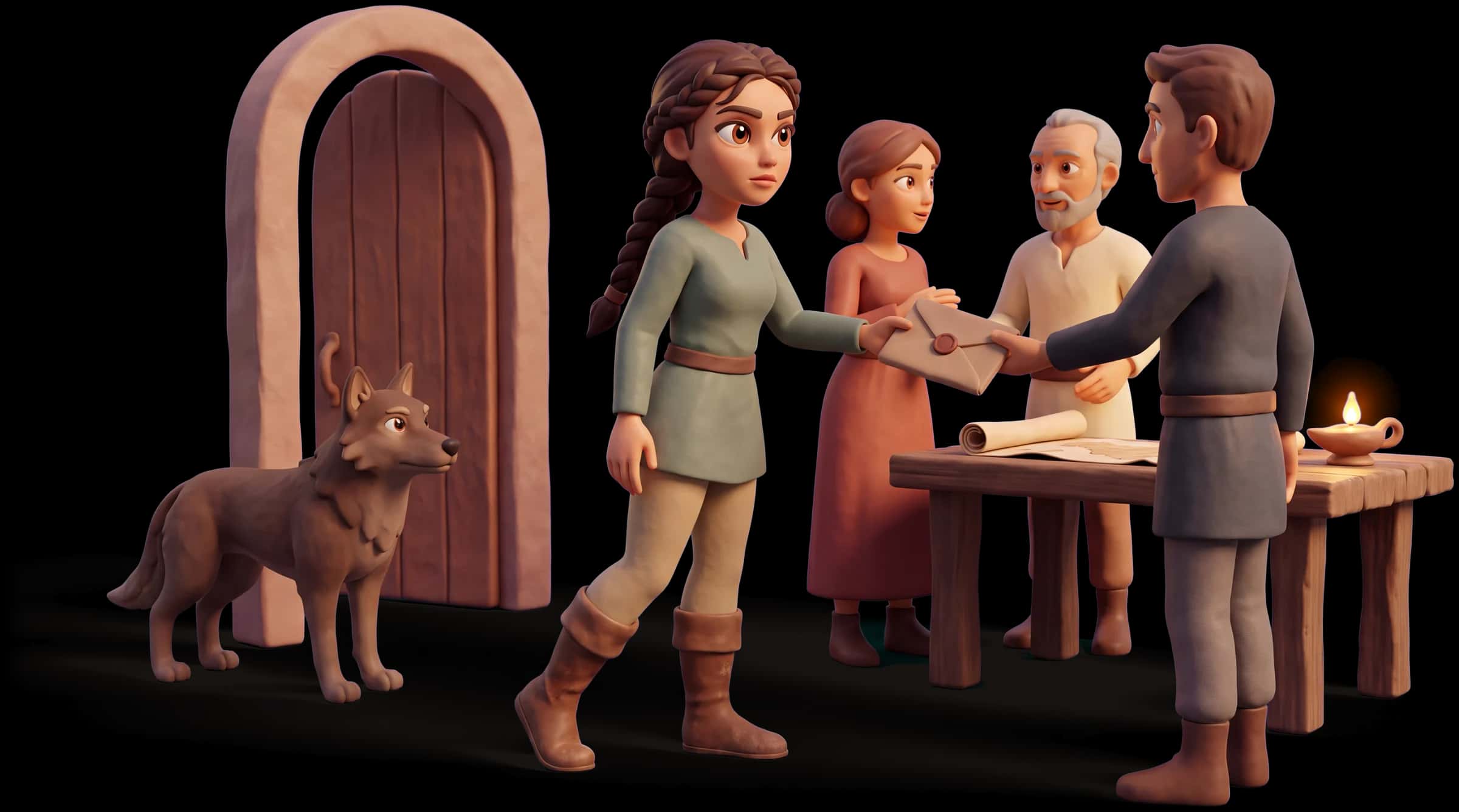
You reserve two evenings for a project that matters to you and decline an invitation that would use that time. You explain when you are available instead.
A clear priority protects attention. Treating every request as an intrusion can make cooperation harder even when someone offers useful help.
Name the goal behind one boundary. Accept one form of support that leaves the decision in your hands.
Settings in which to explore this theme
- Field and outdoor work
- Independent research
- Freelance and solo business
- Competitive sport
- Investigative work
The Huntress's growth path
After trying it, describe what happened without using an archetype label. Keep the practice if it helps; change it if it does not. A different choice does not mean you have passed or failed a personality test.
Where the Huntress archetype comes from
The Huntress in our female collection is a symbolic figure of pursuit and self-direction. We use the name as a metaphor, not a claim that hunting imagery establishes a universal female personality. Anyone can explore the profile.
Huntress archetype examples
Illustrative comparisons, not assessed personality types. Fictional characters can fit several readings, and public figures are shown for their public work or image rather than claims about their private lives.
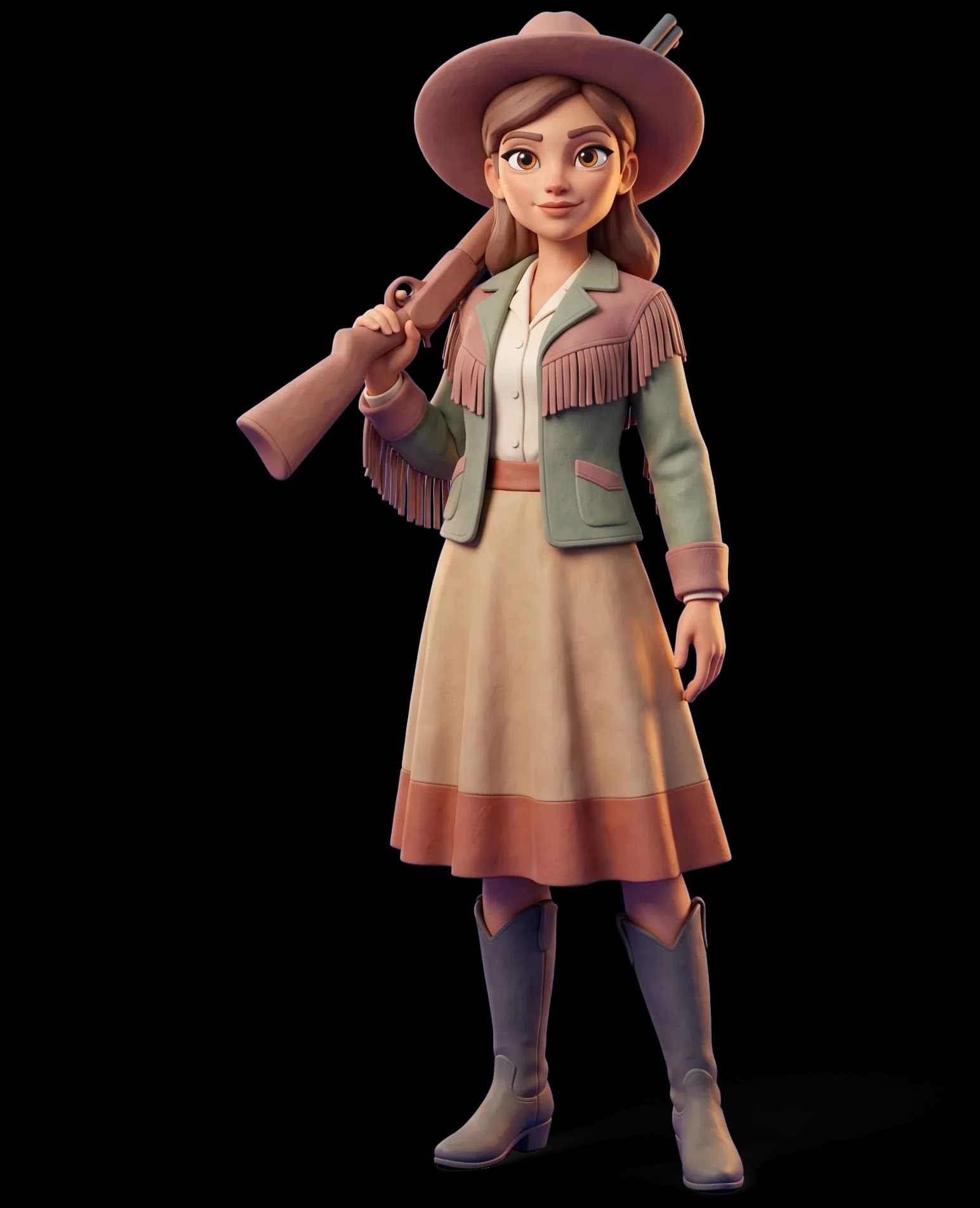
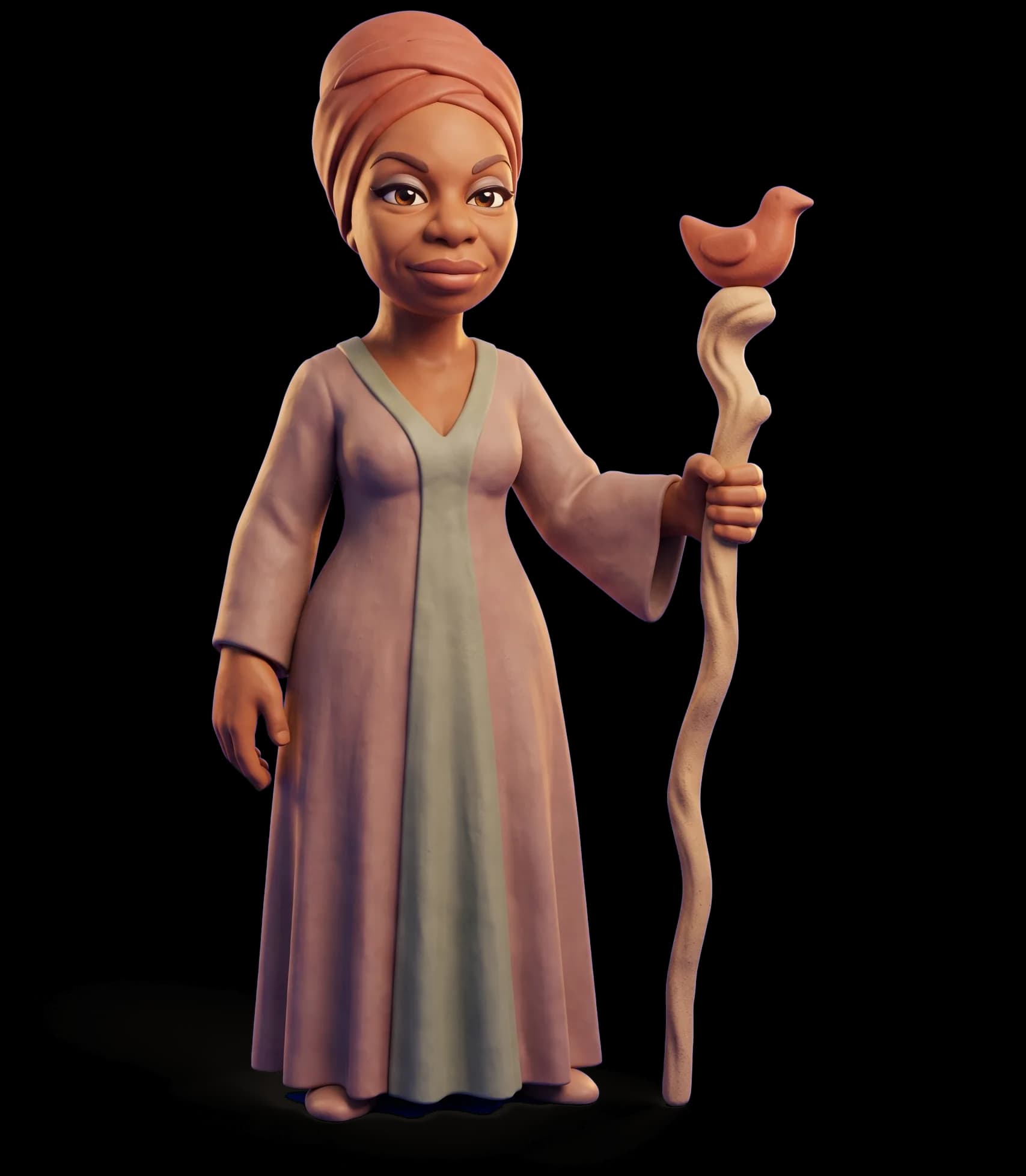
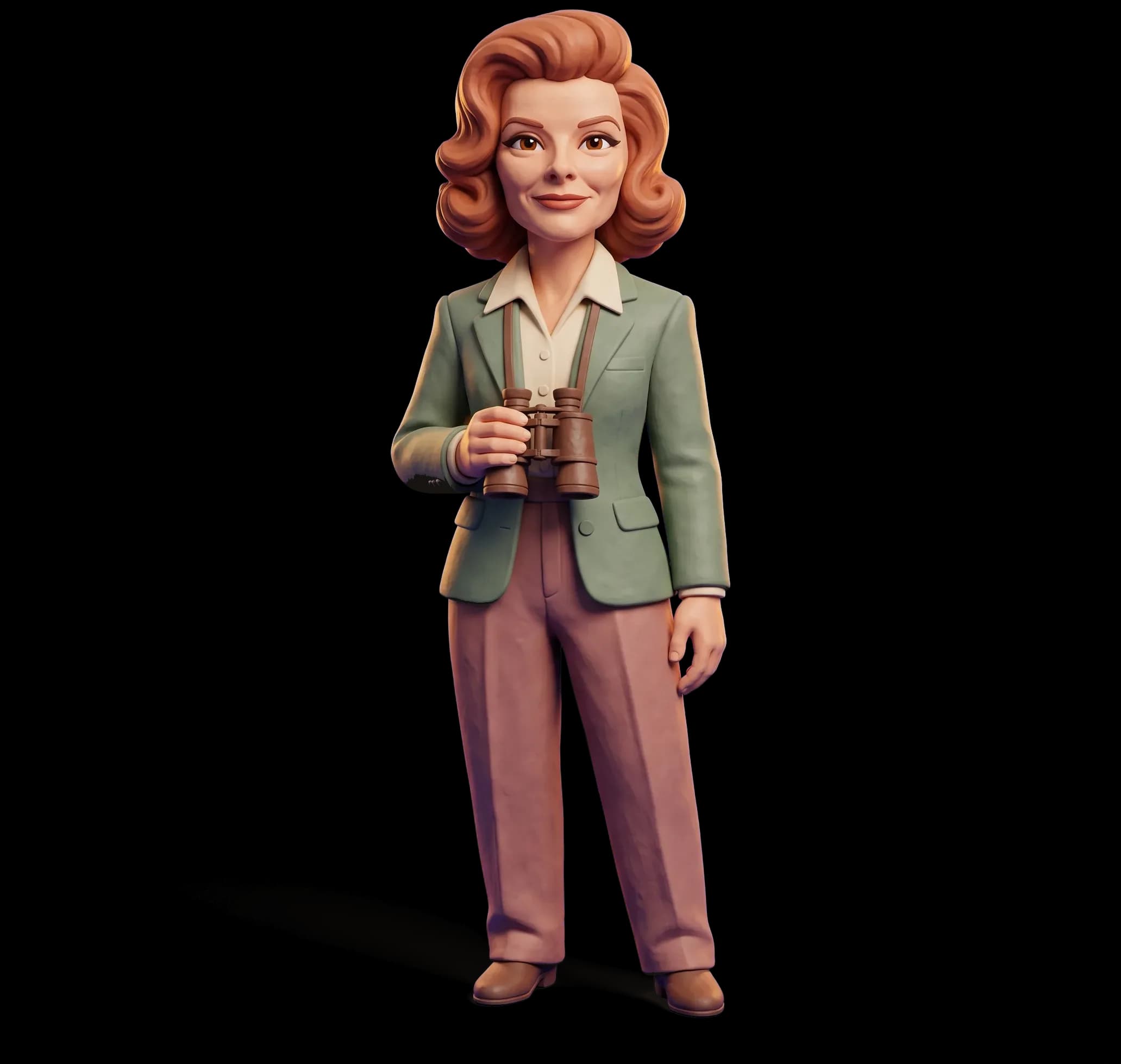
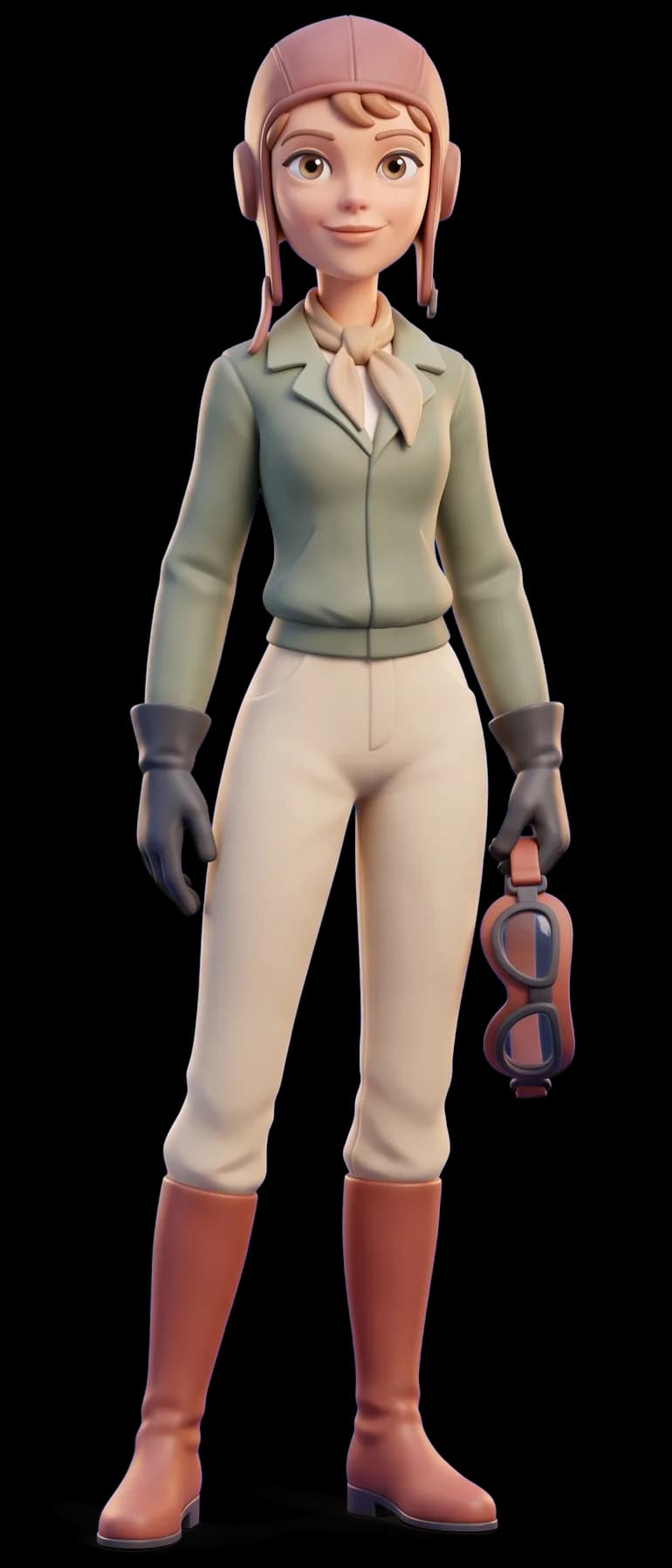
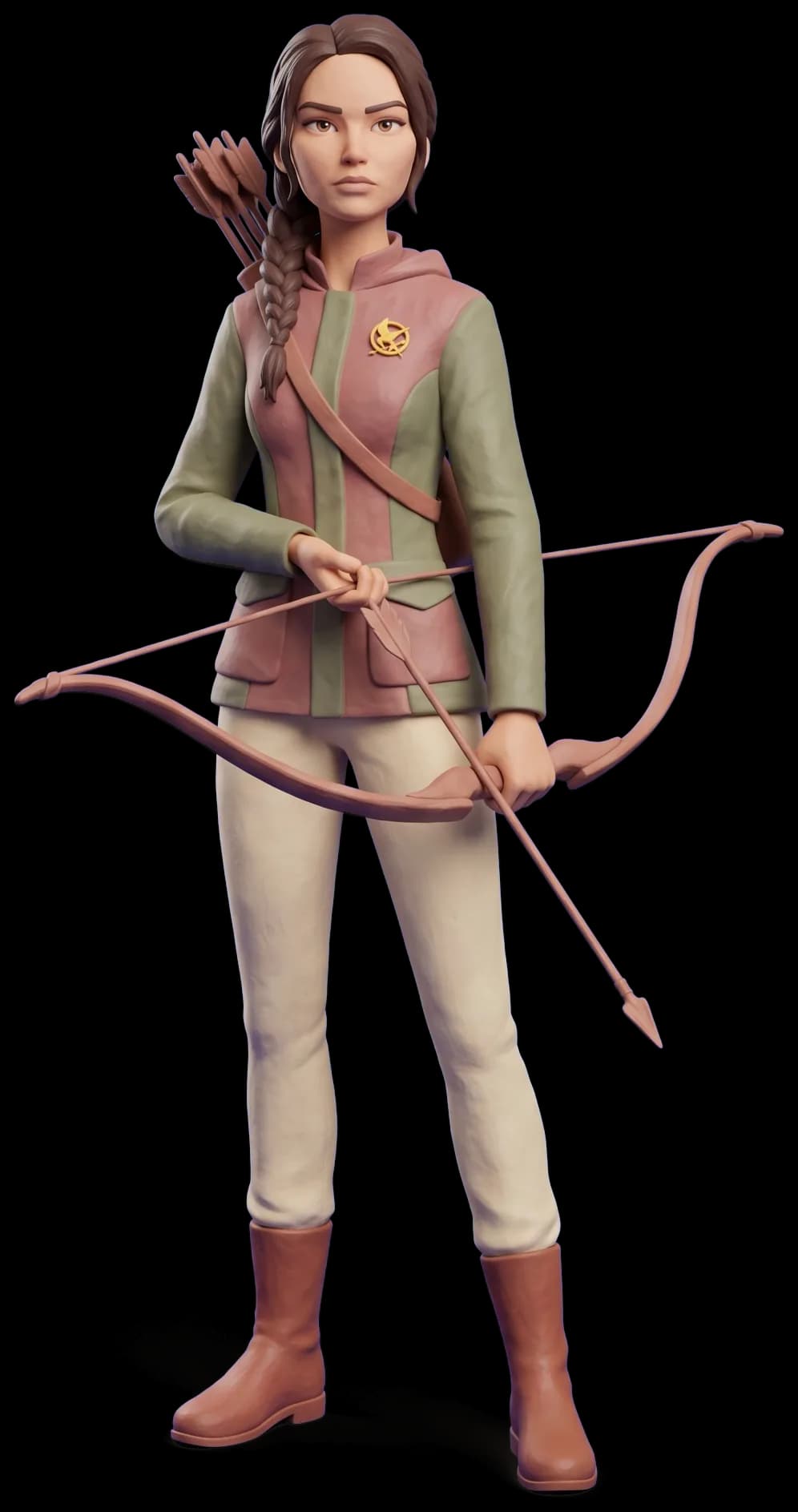
Katniss Everdeen offers a Huntress comparison through focused pursuit and self-direction in The Hunger Games. Her protective commitments also support a Warrior reading. Comparing the goal she chooses with the duty she feels is more useful than deciding that skill with a bow alone establishes an archetype.
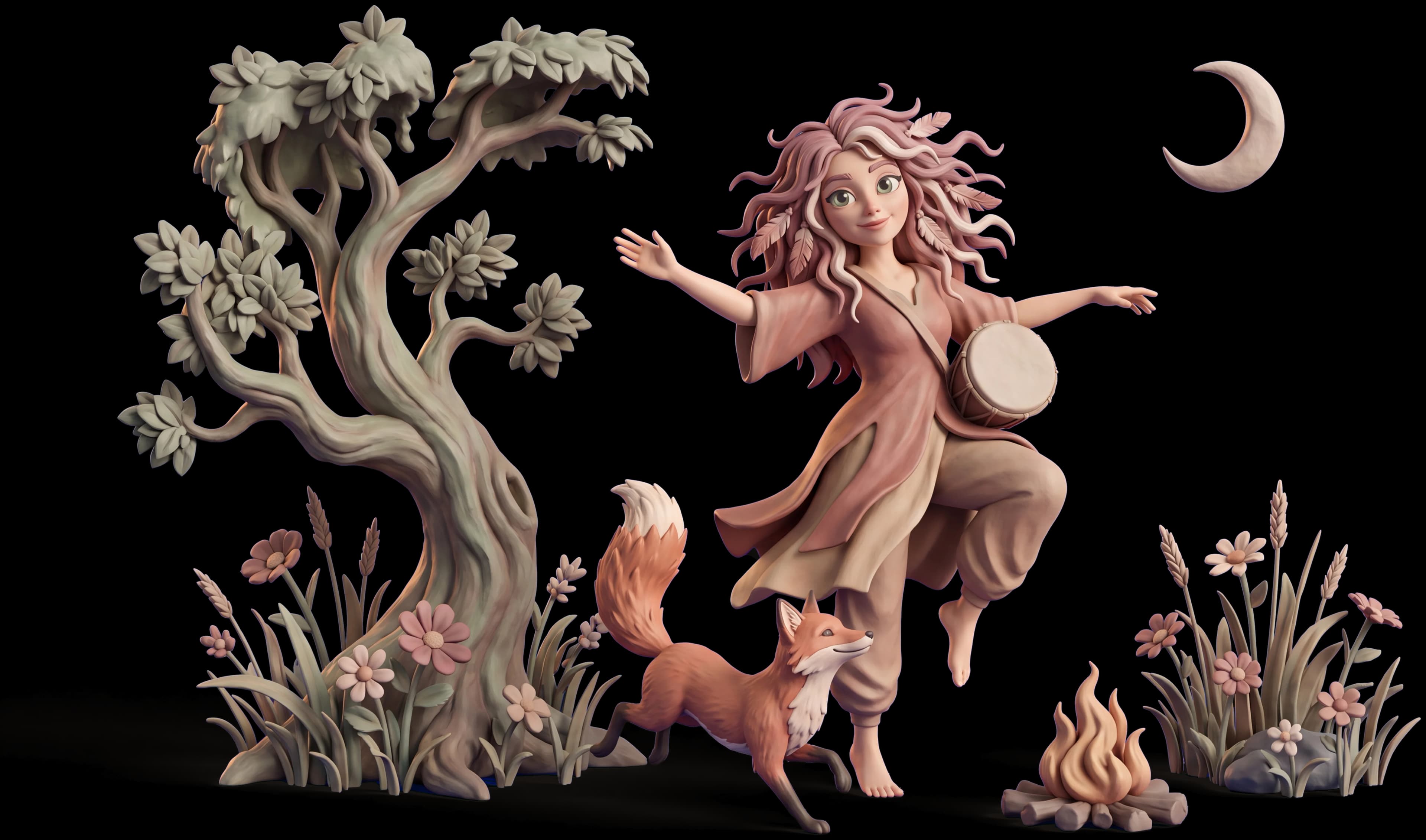
The Huntress vs. The Wild Woman
In our collection, the Huntress emphasizes pursuing a chosen goal with focus, independence and clear boundaries; The Wild Woman emphasizes making room for spontaneity, expression and a self-directed way of living. The same action can fit both descriptions. Compare what the person is trying to achieve and what they are prepared to give up, rather than judging by the action alone. Read about The Wild Woman
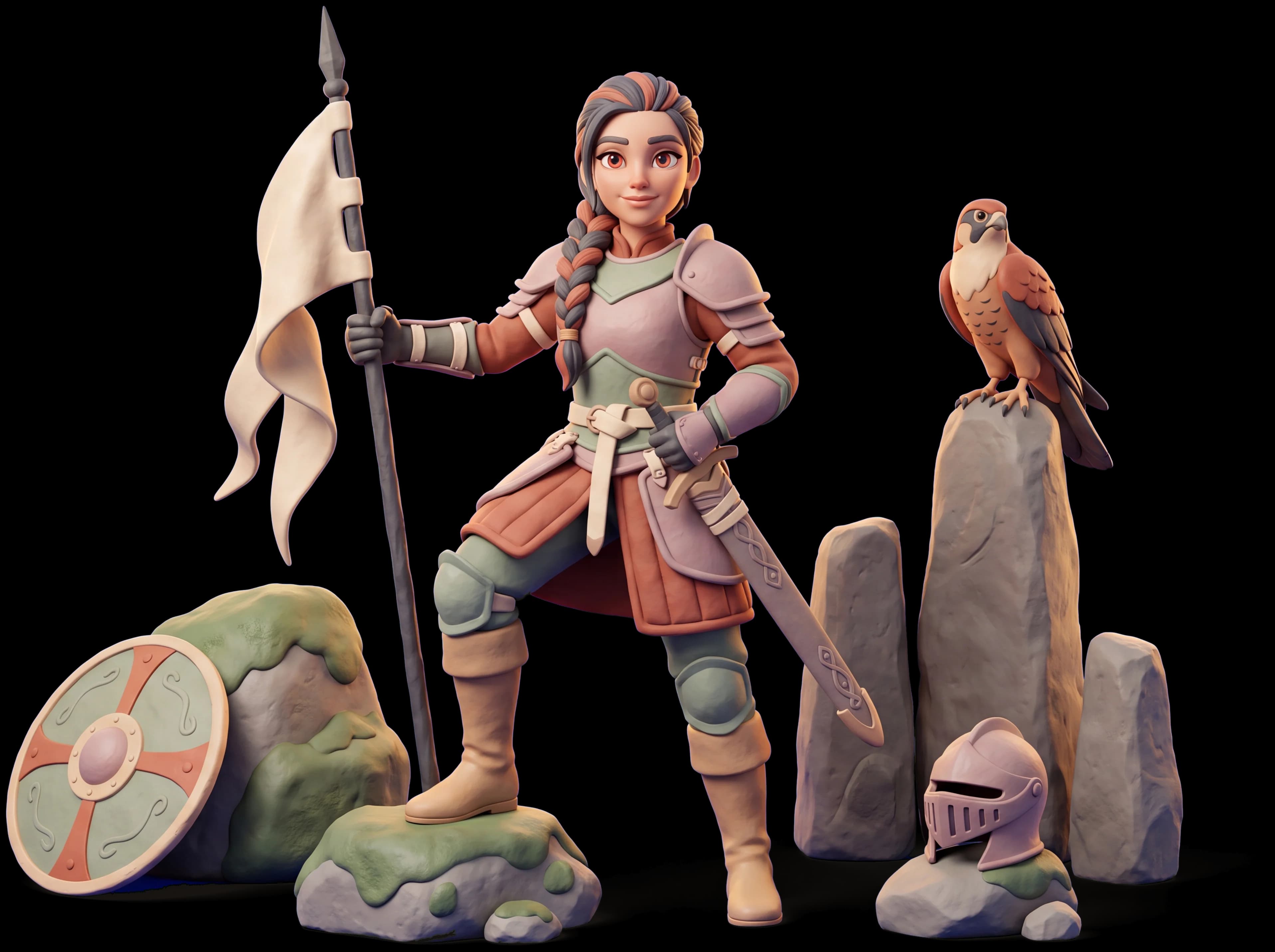
The Huntress vs. The Warrior
In our collection, the Huntress emphasizes pursuing a chosen goal with focus, independence and clear boundaries; The Warrior emphasizes sustaining a commitment through discipline, boundaries and purposeful action. The same action can fit both descriptions. Compare what the person is trying to achieve and what they are prepared to give up, rather than judging by the action alone. Read about The Warrior
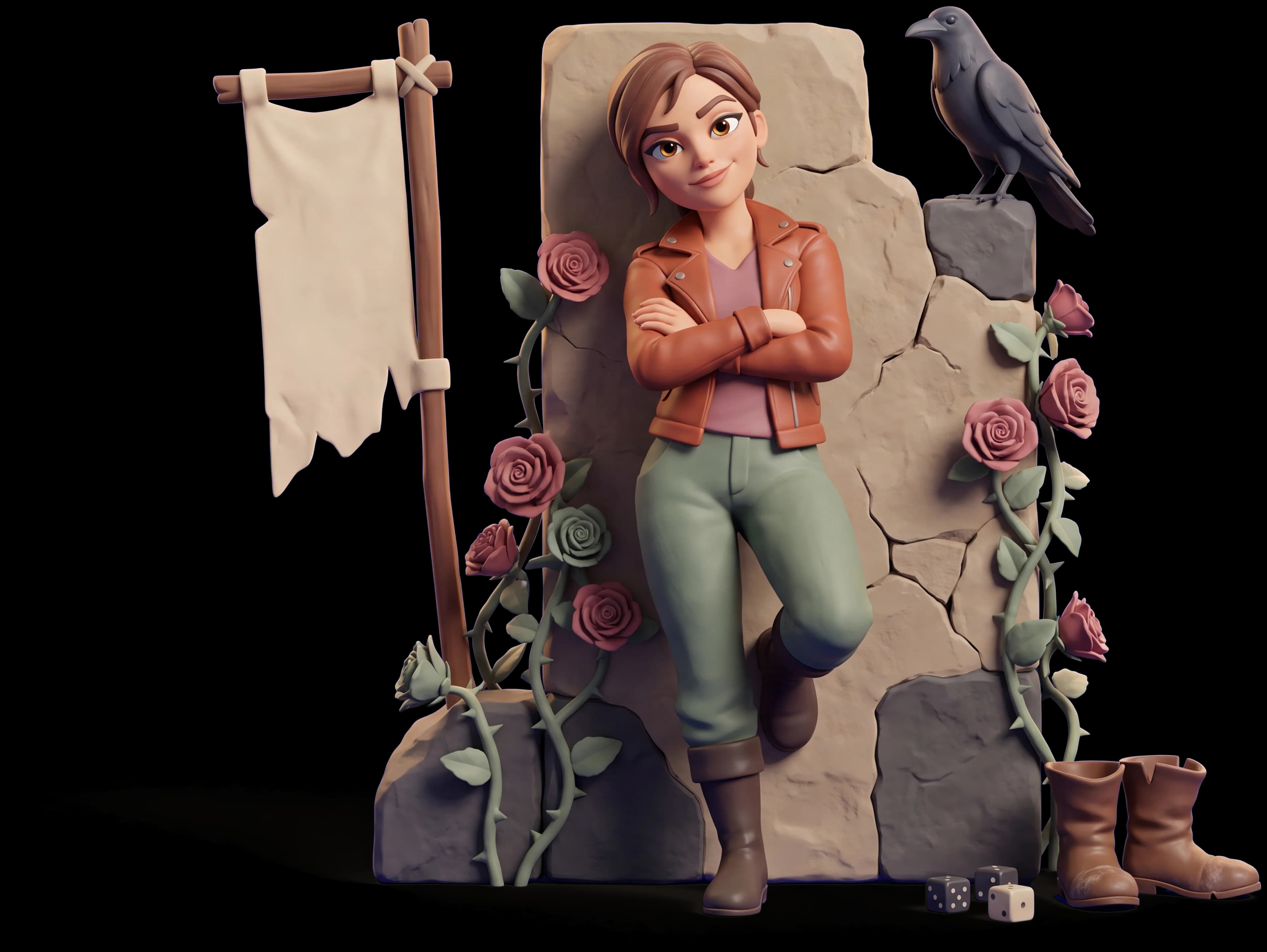
Also related: The Rebel
The Rebel archetype represents questioning imposed limits and challenging practices that seem unjust or unnecessary.
Sources and interpretation
- Carol S. Pearson: the twelve-archetype system
The author explains her own model’s development. Our labels and quiz are a separate interpretation.
Published by Rare Personas. Our explanations and illustrative exercises are interpretations; the references support the specific background described above. Read about our approach and content responsibility. To suggest a correction, send the passage and page URL through our contact page.
Is the Huntress your archetype?
Explore your answers with the archetype quiz. Your leading match and a short description are free; the full report is optional and paid.