
The Warrior Archetype
The Warrior archetype represents sustaining a commitment through discipline, boundaries and purposeful action.
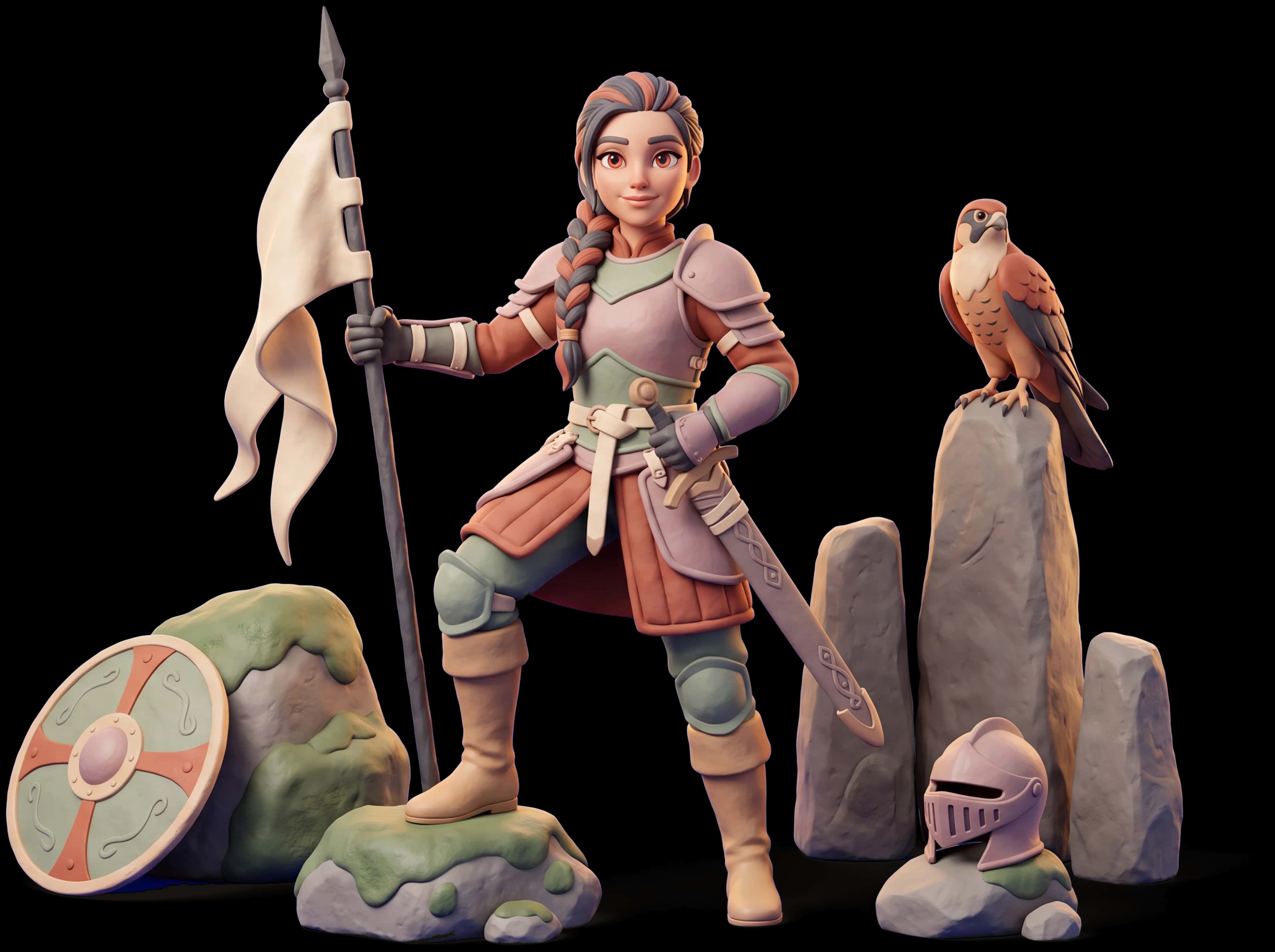
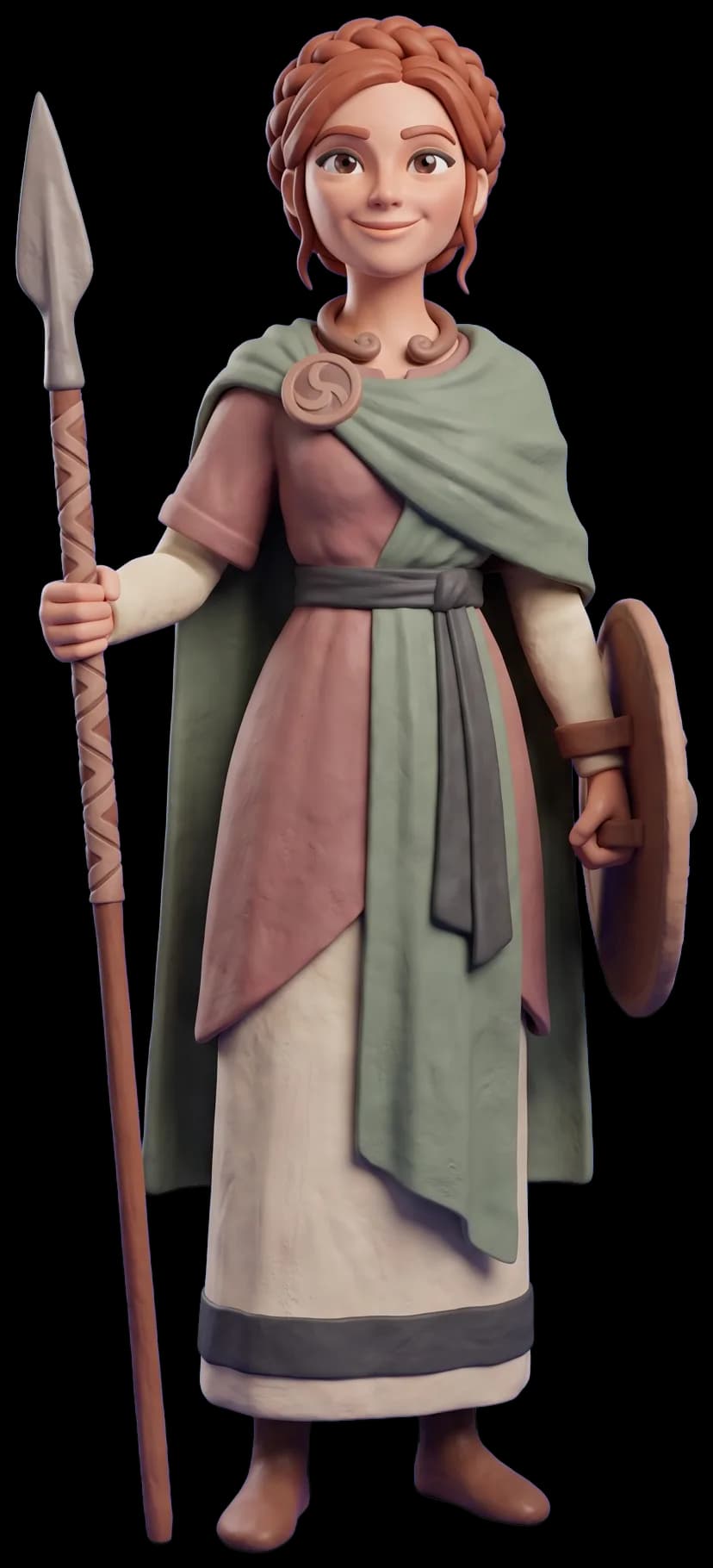
The Warrior as a woman
The female illustration is one way to picture this role. The theme of sustaining a commitment through discipline, boundaries and purposeful action is available to anyone. The image and label do not prescribe how a woman or man should behave.
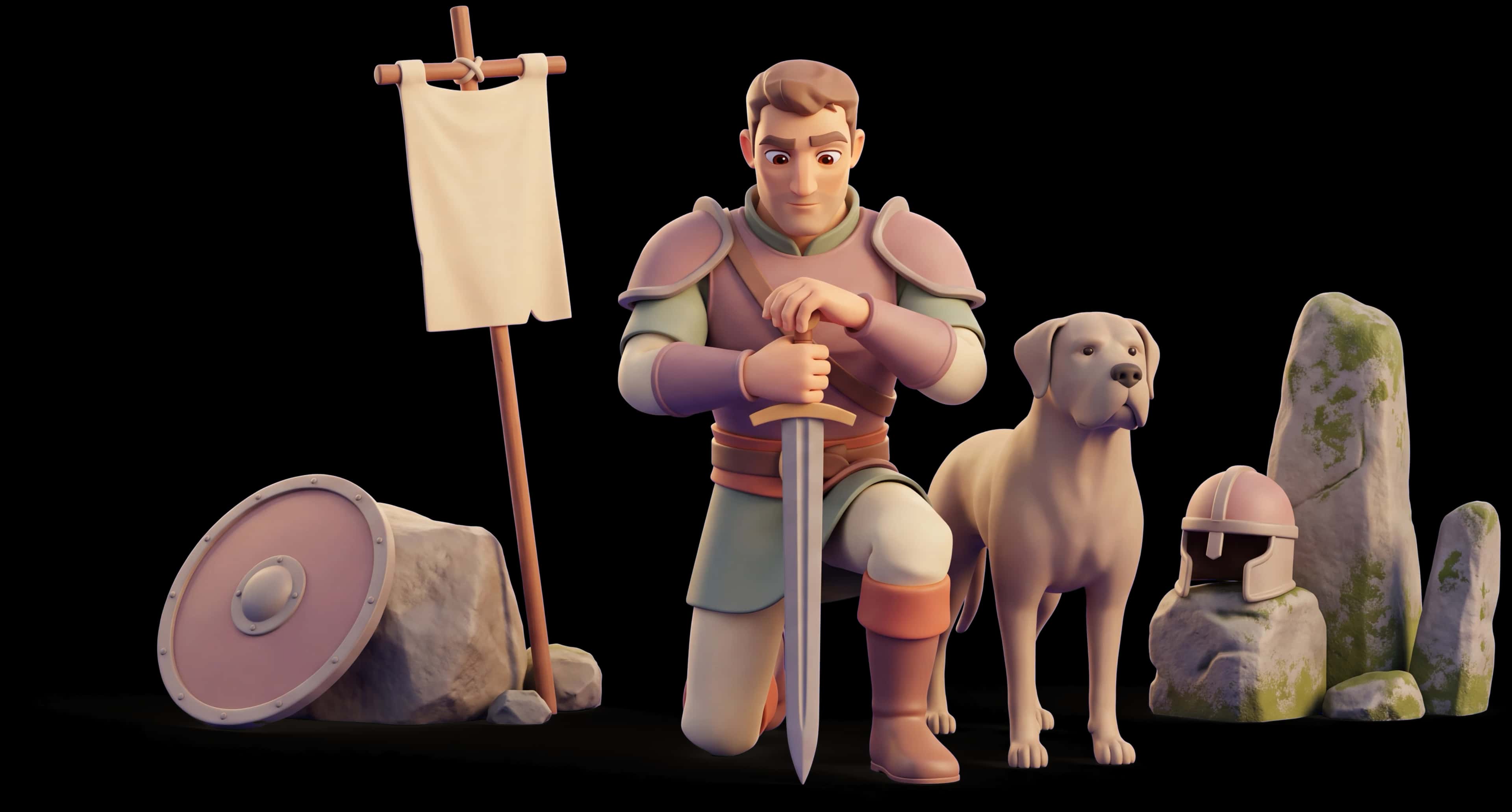
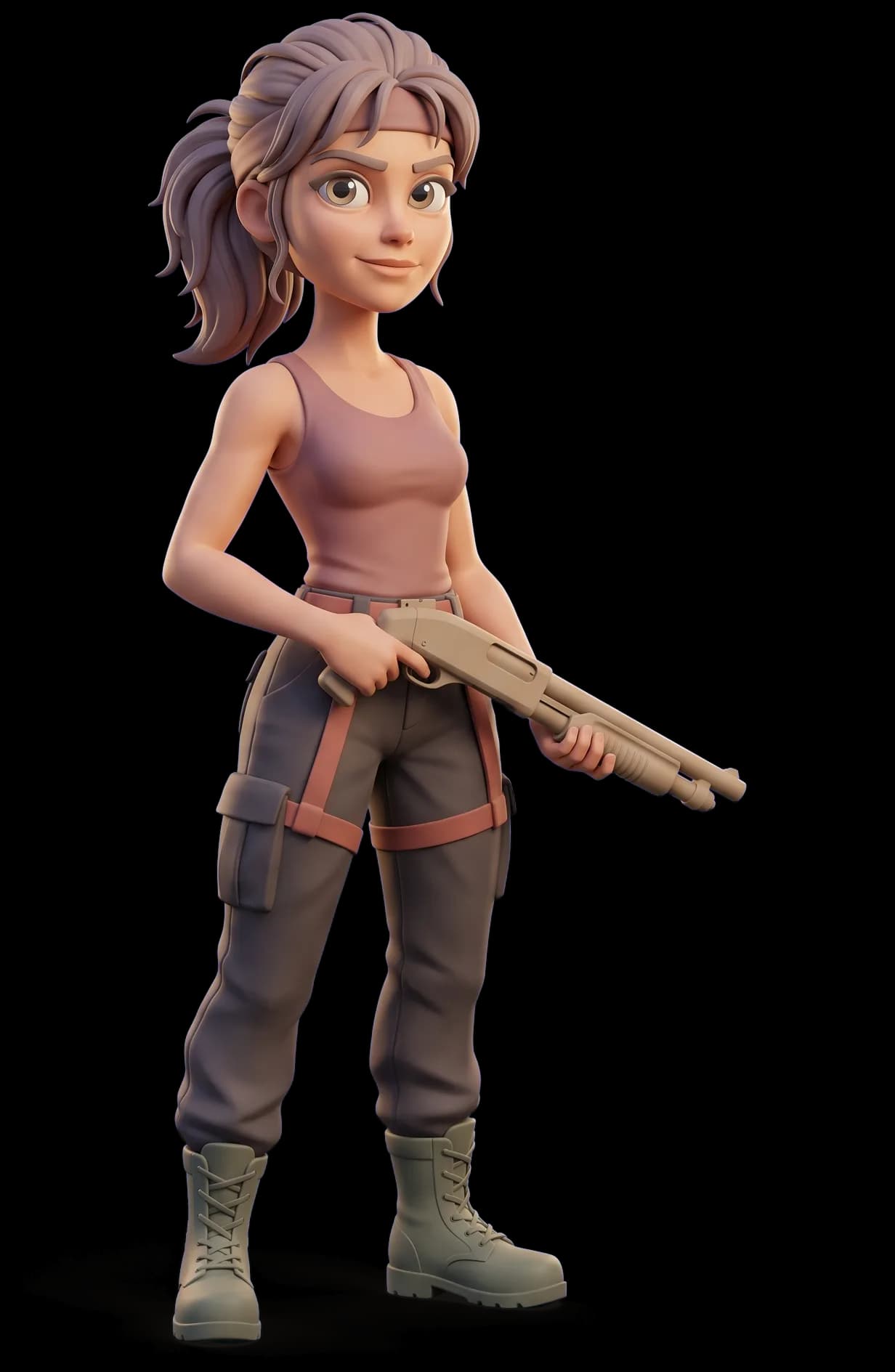
The Warrior as a man
The male illustration is one way to picture this role. The theme of sustaining a commitment through discipline, boundaries and purposeful action is available to anyone. The image and label do not prescribe how a woman or man should behave.
What the Warrior archetype means
In the Rare Personas collection, the Warrior represents sustaining a commitment through discipline, boundaries and purposeful action. Read it as a symbolic pattern for reflection or character writing, rather than a fixed kind of person.
Warrior here does not require aggression, military experience or ignoring pain. The distinction from Hero is emphasis: maintaining a chosen commitment rather than seeking a defining challenge.
Warrior archetype traits
- Disciplined
- Brave
- Reliable
- Protective
- Principled
- Enduring
Strengths
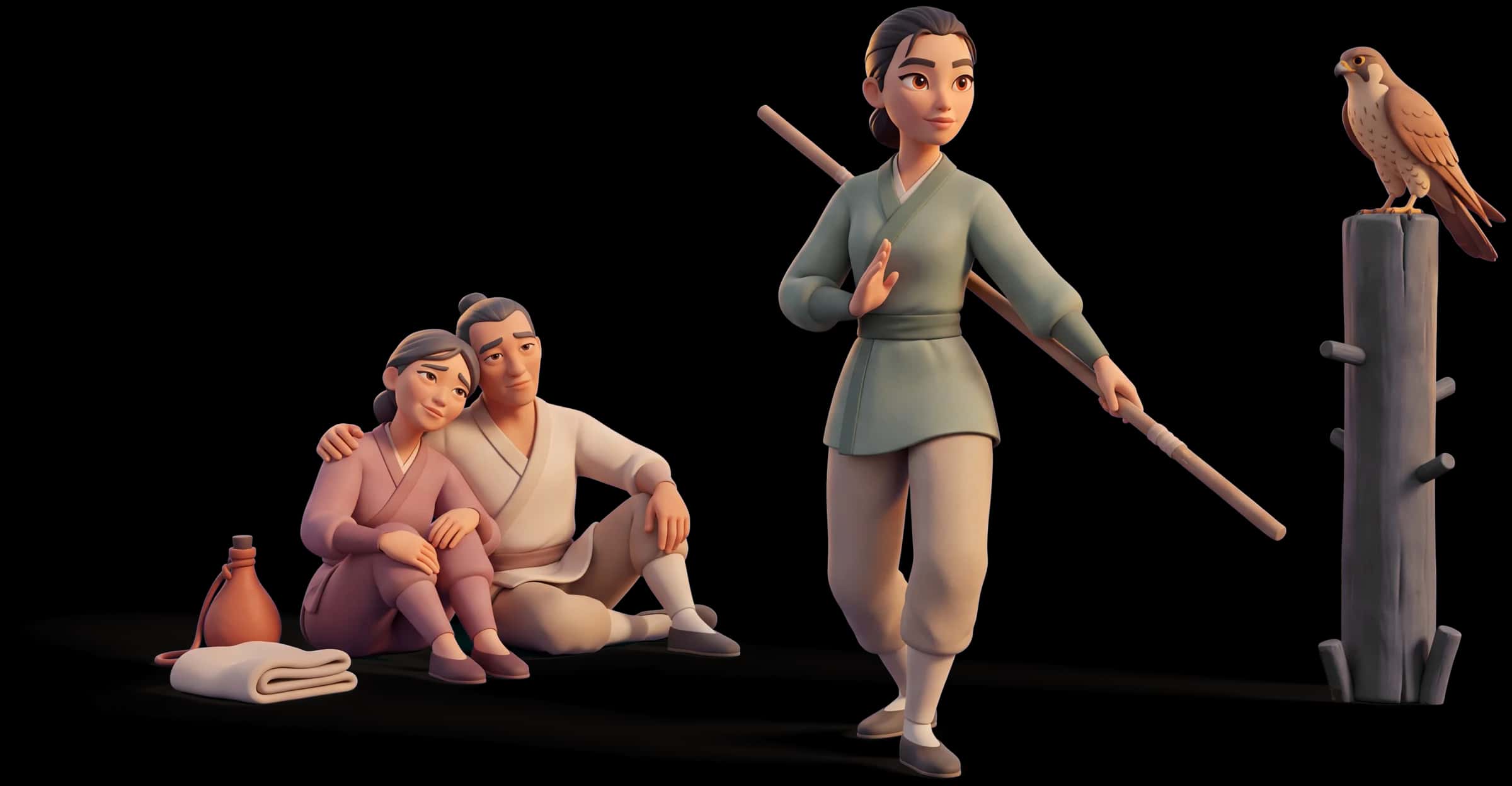
- Keeps commitments when motivation is long gone
- Stays functional and clear in a crisis
- Protects people and principles at personal cost
- Turns goals into training plans and executes them
Shadow side
- Can treat rest as weakness until the body objects
- May turn every disagreement into a battle to win
- Armor stays on in moments that needed softness
- Duty can crowd out joy entirely
Questions for exploring the Warrior
- What draws you toward sustaining a commitment through discipline, boundaries and purposeful action?
- When has this approach helped you, and when has a different approach worked better?
- What would you notice if a different interpretation of the same situation were true?
These questions invite reflection; they are not diagnostic criteria. Look for an example that does not fit as well as one that does.
The Warrior archetype in relationships
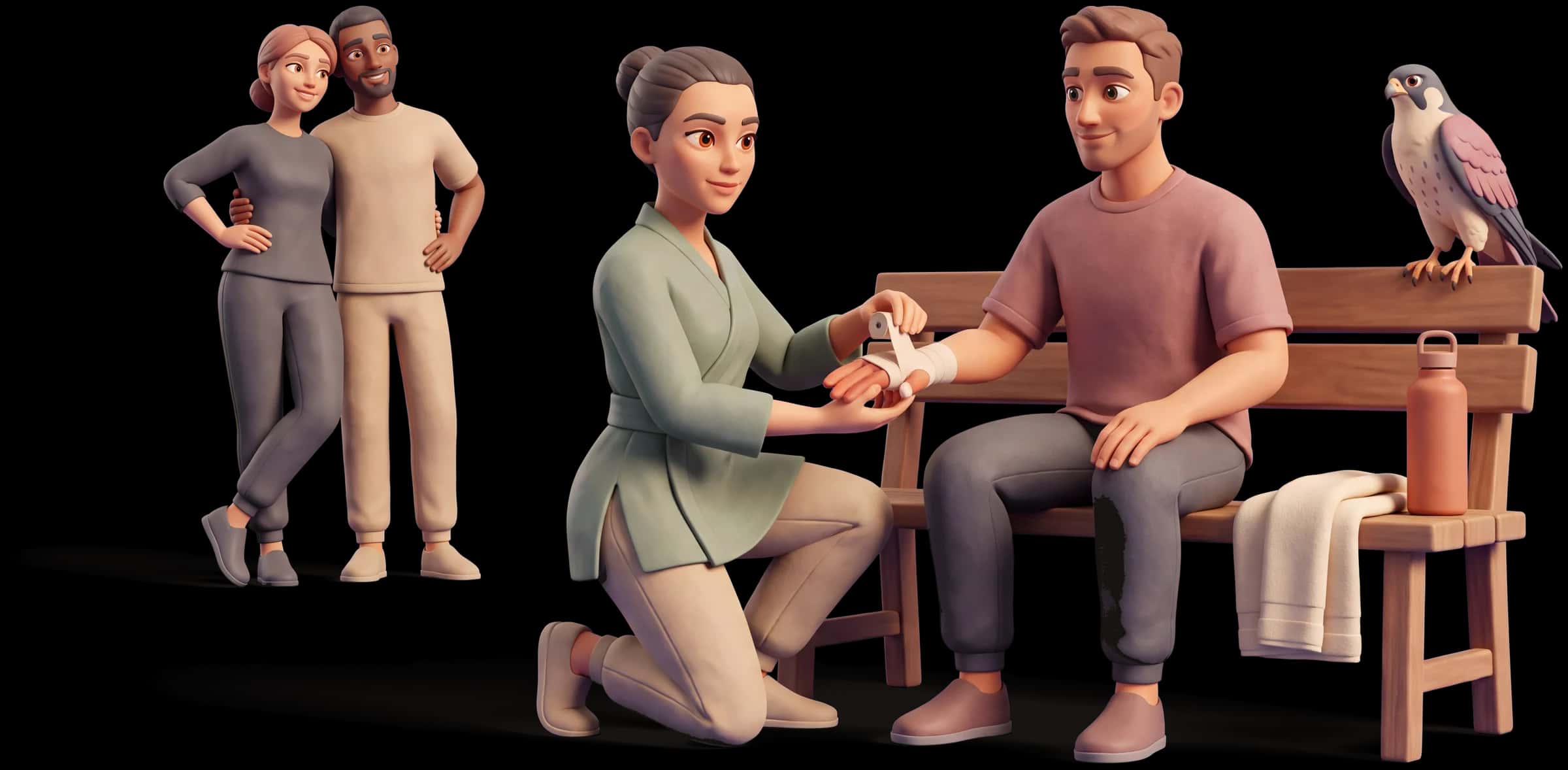
A boundary is clearer when it states what you will do rather than threatening to control someone else. Hear the other person’s boundary with the same attention you want for your own.
The Warrior in everyday life and at work
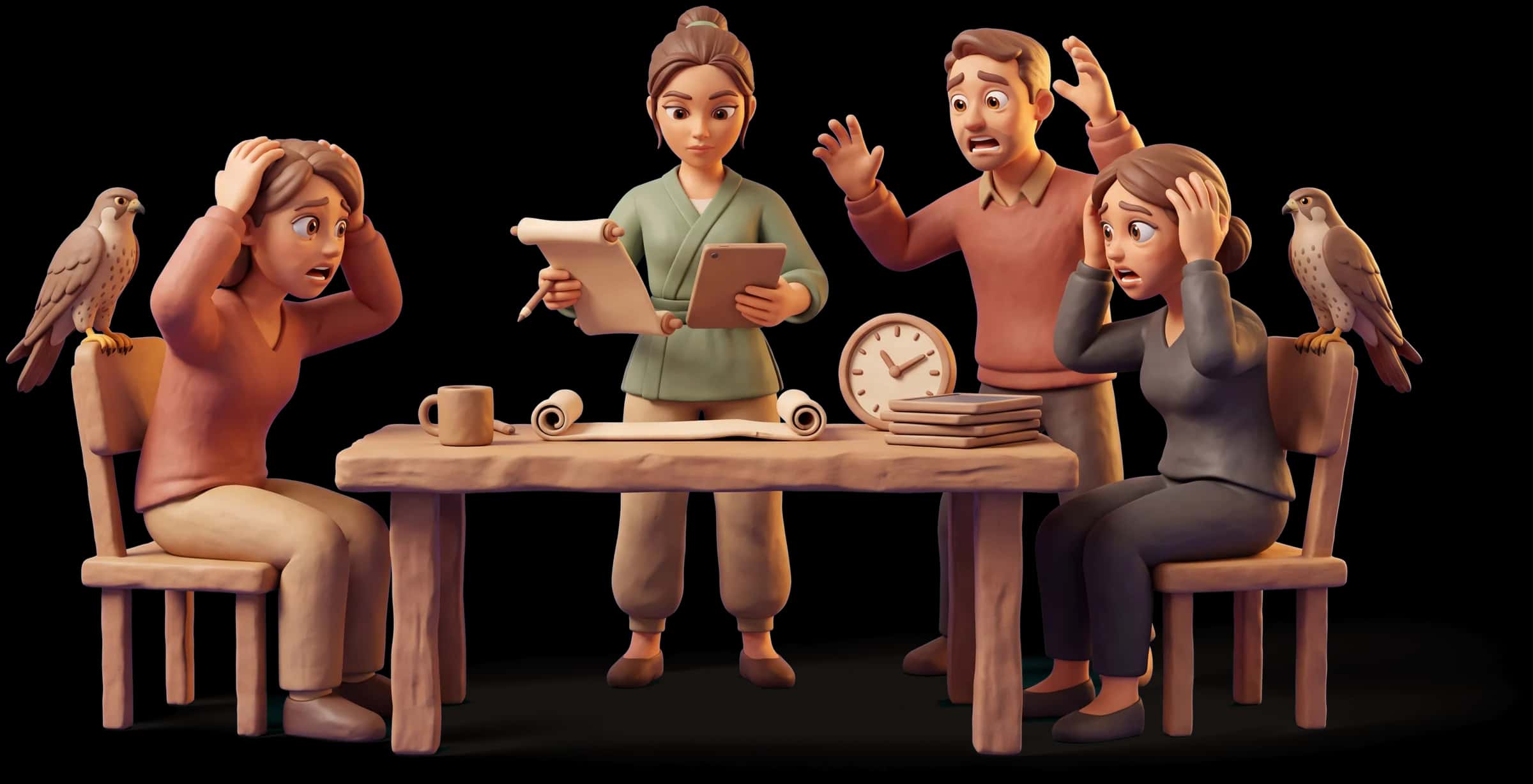
A Warrior choice in practice
You agree to protect time for a shared task. When extra requests arrive, you explain the commitment and decide with the team which priorities must change.
Consistency helps people rely on a plan. Continuing at any cost can stop being useful when the goal, circumstances or available capacity have changed.
Review the purpose of one commitment. Decide what would justify changing it and what support makes it sustainable.
Settings in which to explore this theme
- Emergency and military service
- Athletics and coaching
- Operations and delivery
- Surgery and frontline medicine
- Security and protection work
The Warrior's growth path
After trying it, describe what happened without using an archetype label. Keep the practice if it helps; change it if it does not. A different choice does not mean you have passed or failed a personality test.
Where the Warrior archetype comes from
Warrior is one of Moore and Gillette’s four masculine archetype labels. Rare Personas also includes it in a female collection and uses its own descriptions and weights. This broader use is our interpretive choice, not a claim about the authors’ assessment.
Warrior archetype examples
Illustrative comparisons, not assessed personality types. Fictional characters can fit several readings, and public figures are shown for their public work or image rather than claims about their private lives.
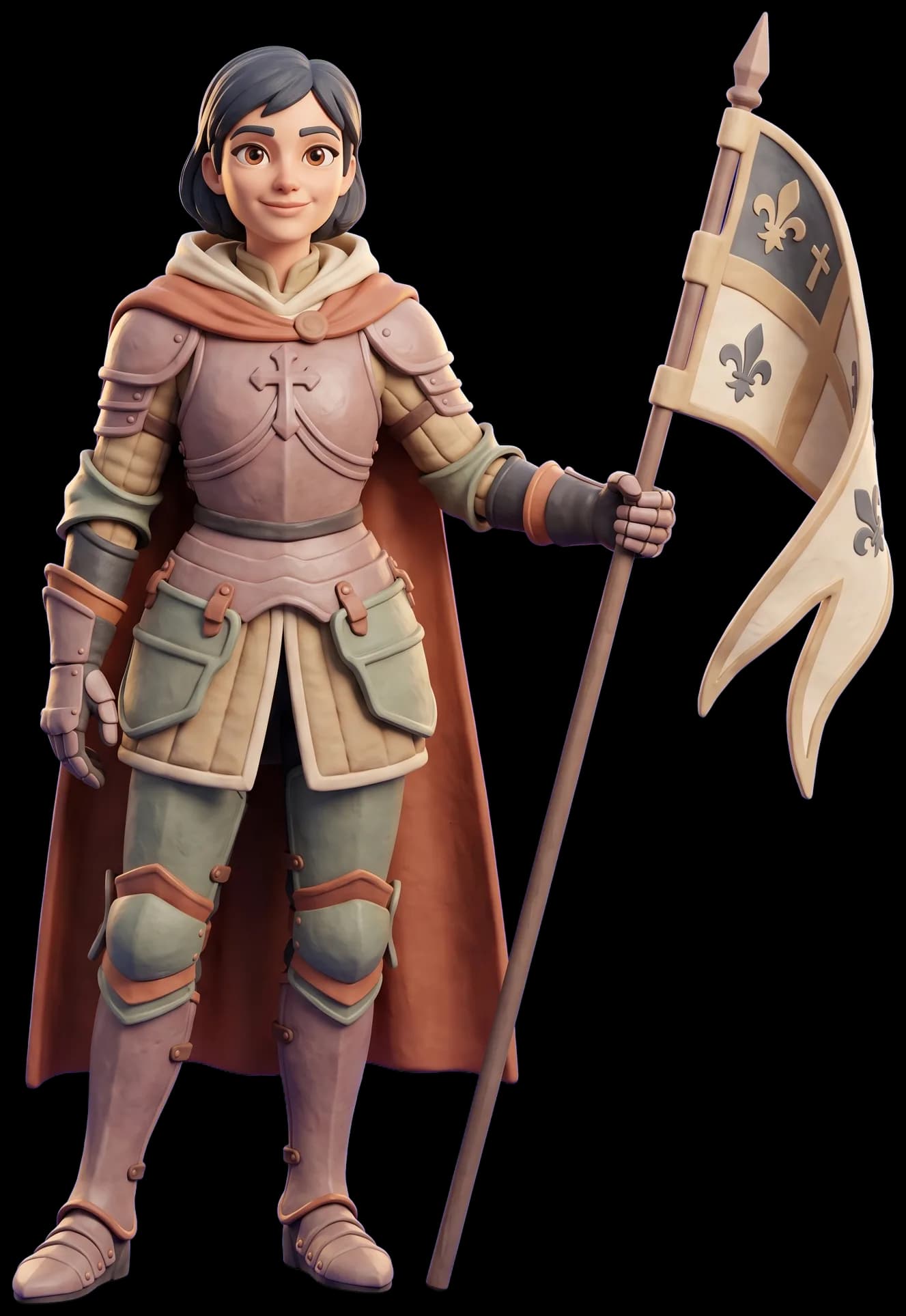
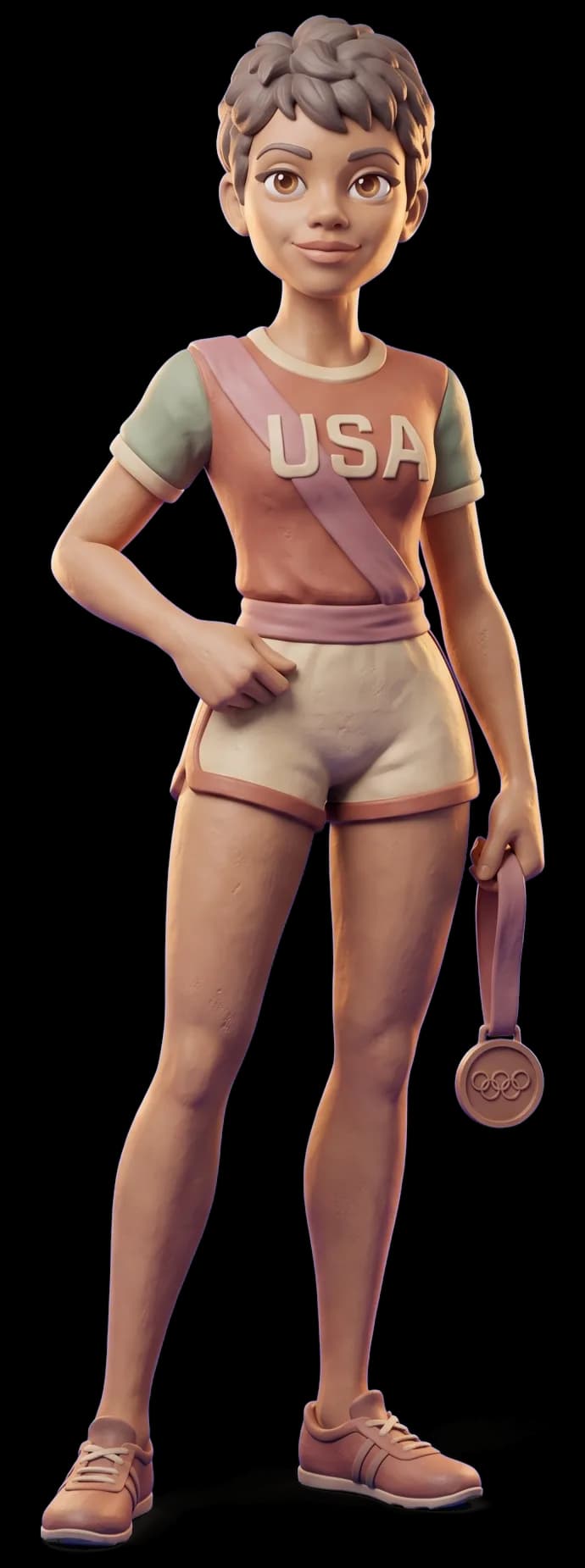
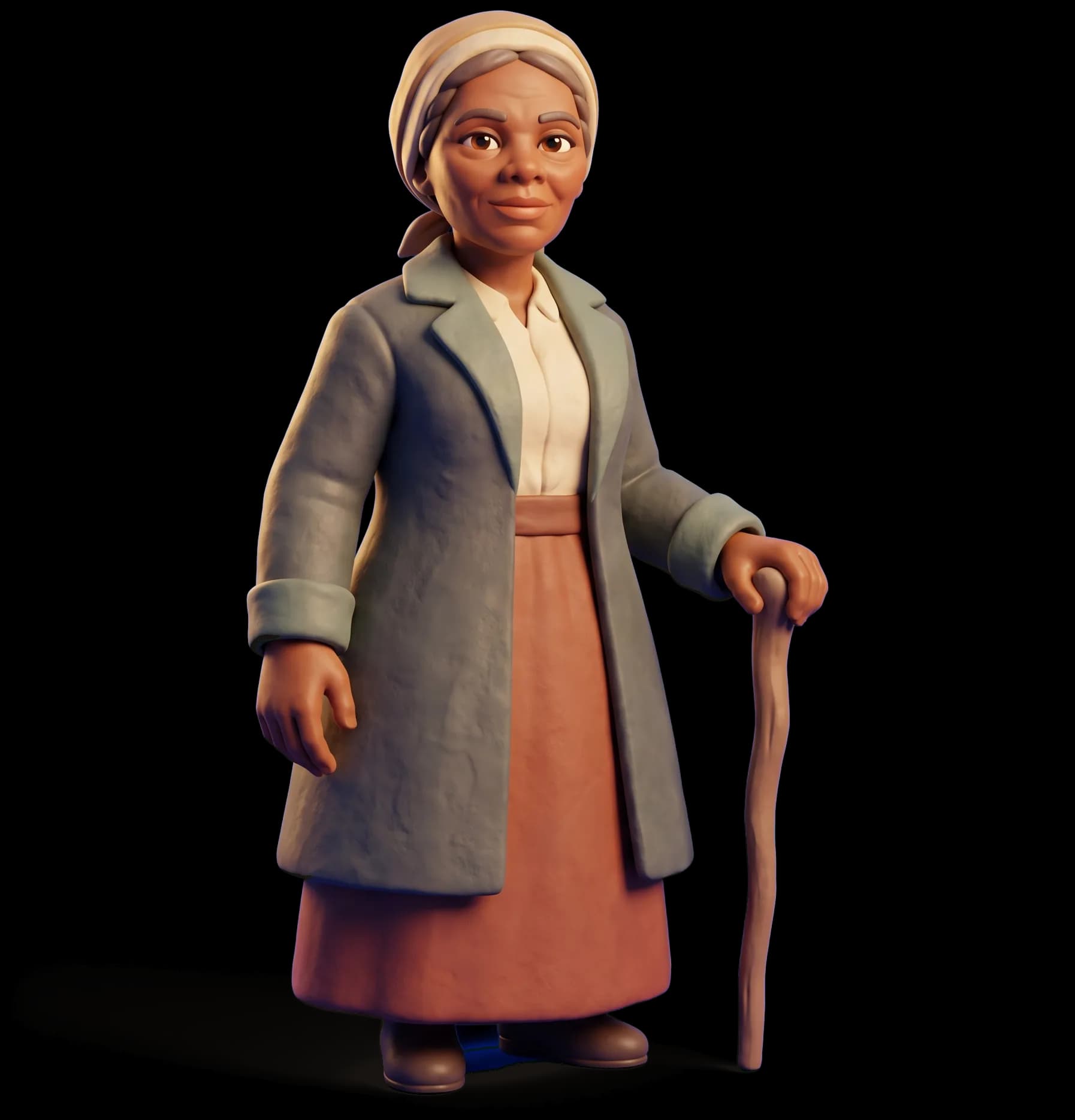
Sarah Connor in the Terminator films offers a Warrior reading through preparation and commitment to protection. The useful tension is between readiness and what a continuing defensive posture can cost. Courage, discipline and the need to revise a response can all belong in the same character.
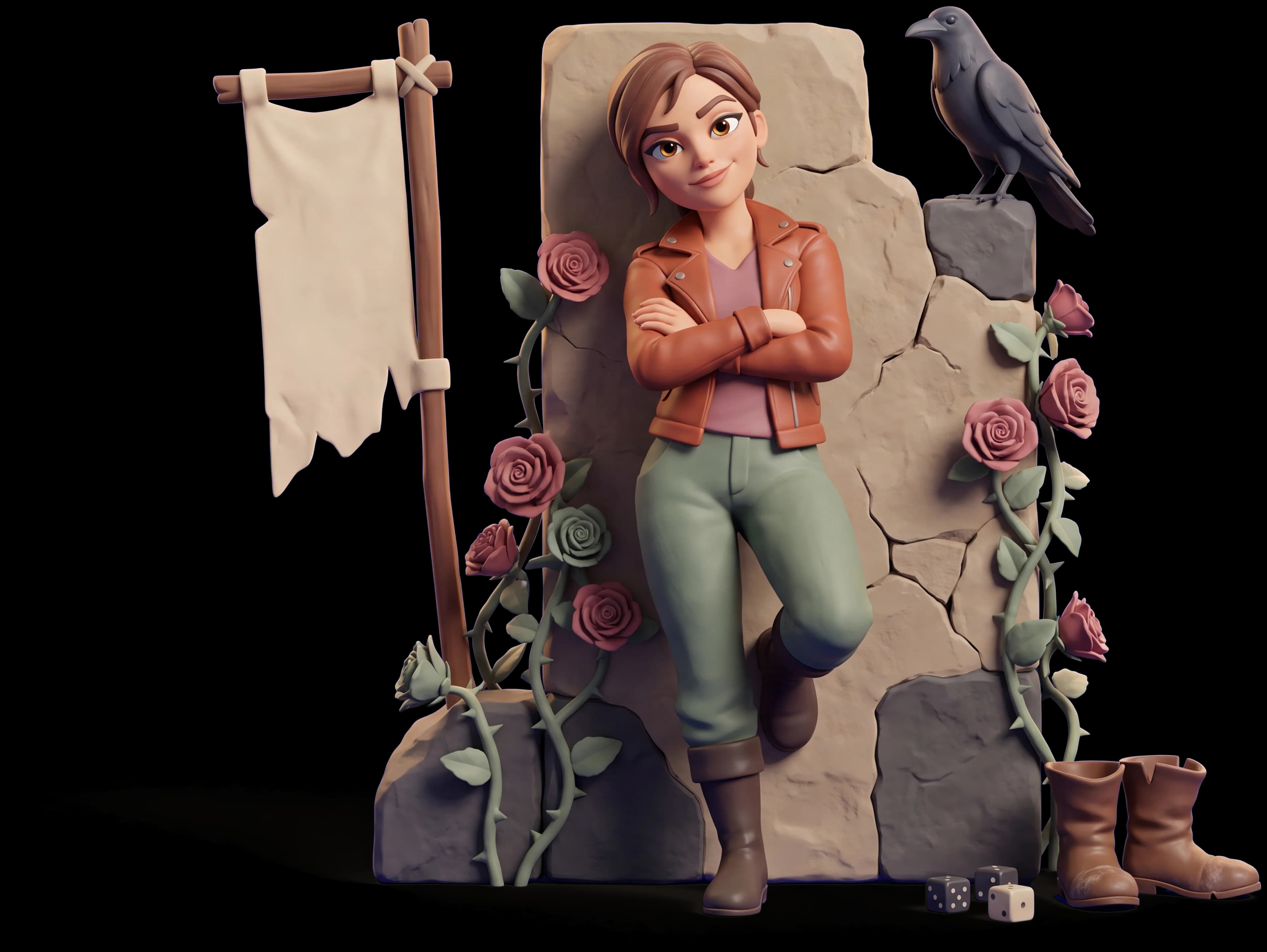
The Warrior vs. The Rebel
In our collection, the Warrior emphasizes sustaining a commitment through discipline, boundaries and purposeful action; The Rebel emphasizes questioning imposed limits and challenging practices that seem unjust or unnecessary. The same action can fit both descriptions. Compare what the person is trying to achieve and what they are prepared to give up, rather than judging by the action alone. Read about The Rebel
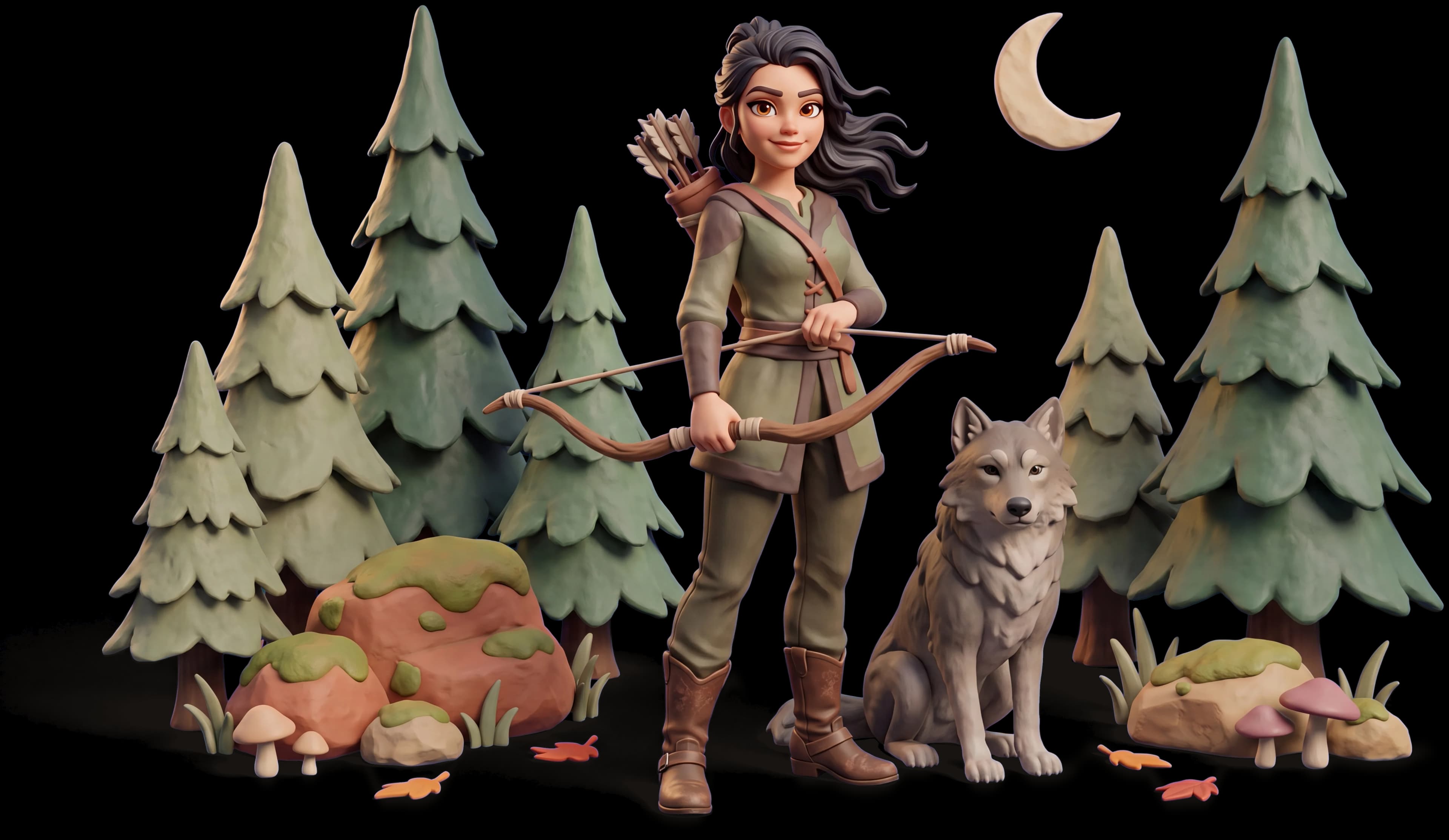
The Warrior vs. The Huntress
In our collection, the Warrior emphasizes sustaining a commitment through discipline, boundaries and purposeful action; The Huntress emphasizes pursuing a chosen goal with focus, independence and clear boundaries. The same action can fit both descriptions. Compare what the person is trying to achieve and what they are prepared to give up, rather than judging by the action alone. Read about The Huntress
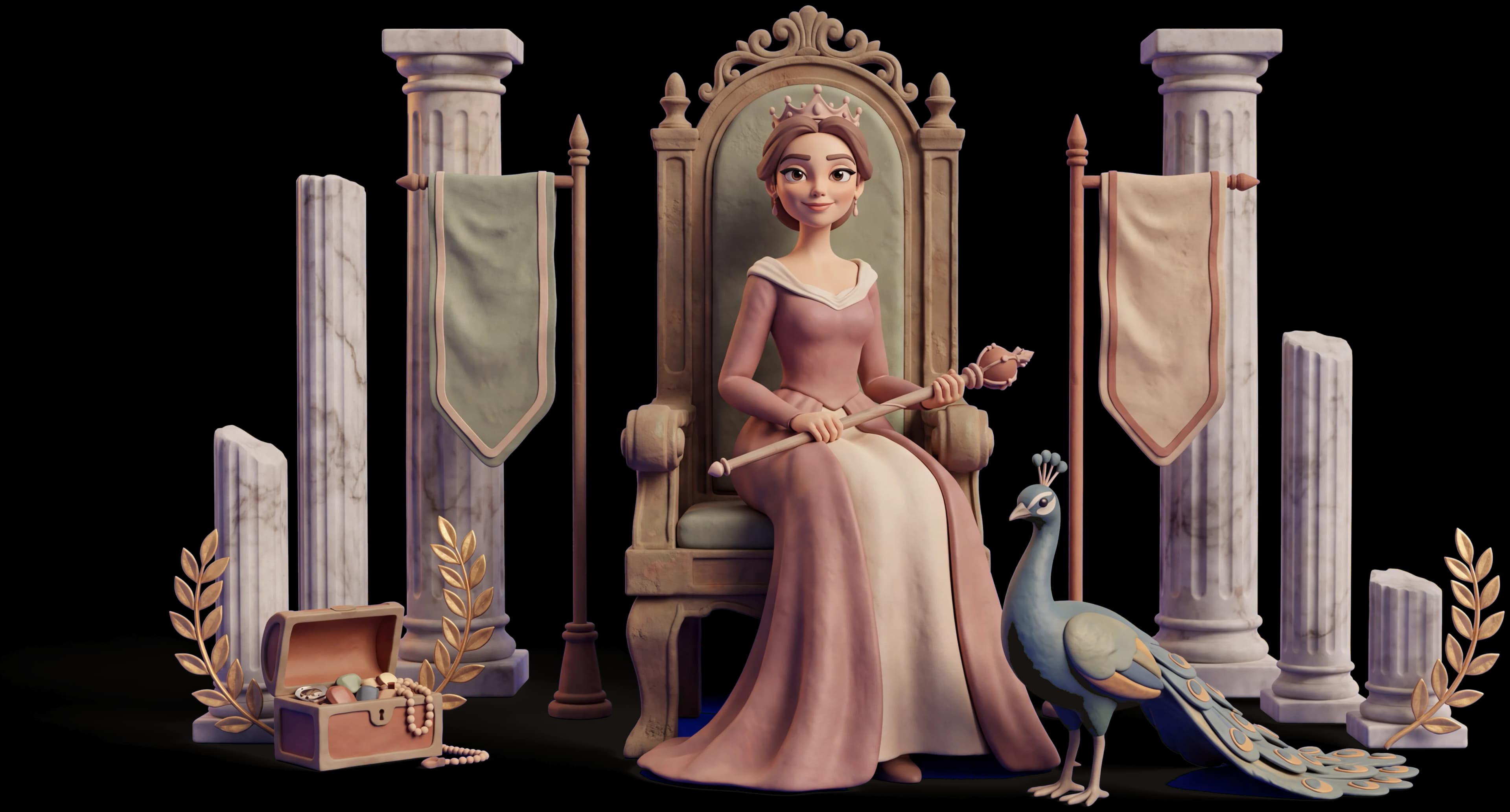
Also related: The Queen
The Queen archetype represents taking responsibility through clear standards, coordination and considered decisions.
Sources and interpretation
- Robert Moore and Douglas Gillette: King, Warrior, Magician, Lover
The publisher’s description identifies the four-part framework. Our twelve-label collection and scoring are our own.
Published by Rare Personas. Our explanations and illustrative exercises are interpretations; the references support the specific background described above. Read about our approach and content responsibility. To suggest a correction, send the passage and page URL through our contact page.
Is the Warrior your archetype?
Explore your answers with the archetype quiz. Your leading match and a short description are free; the full report is optional and paid.