
The Wild Woman Archetype
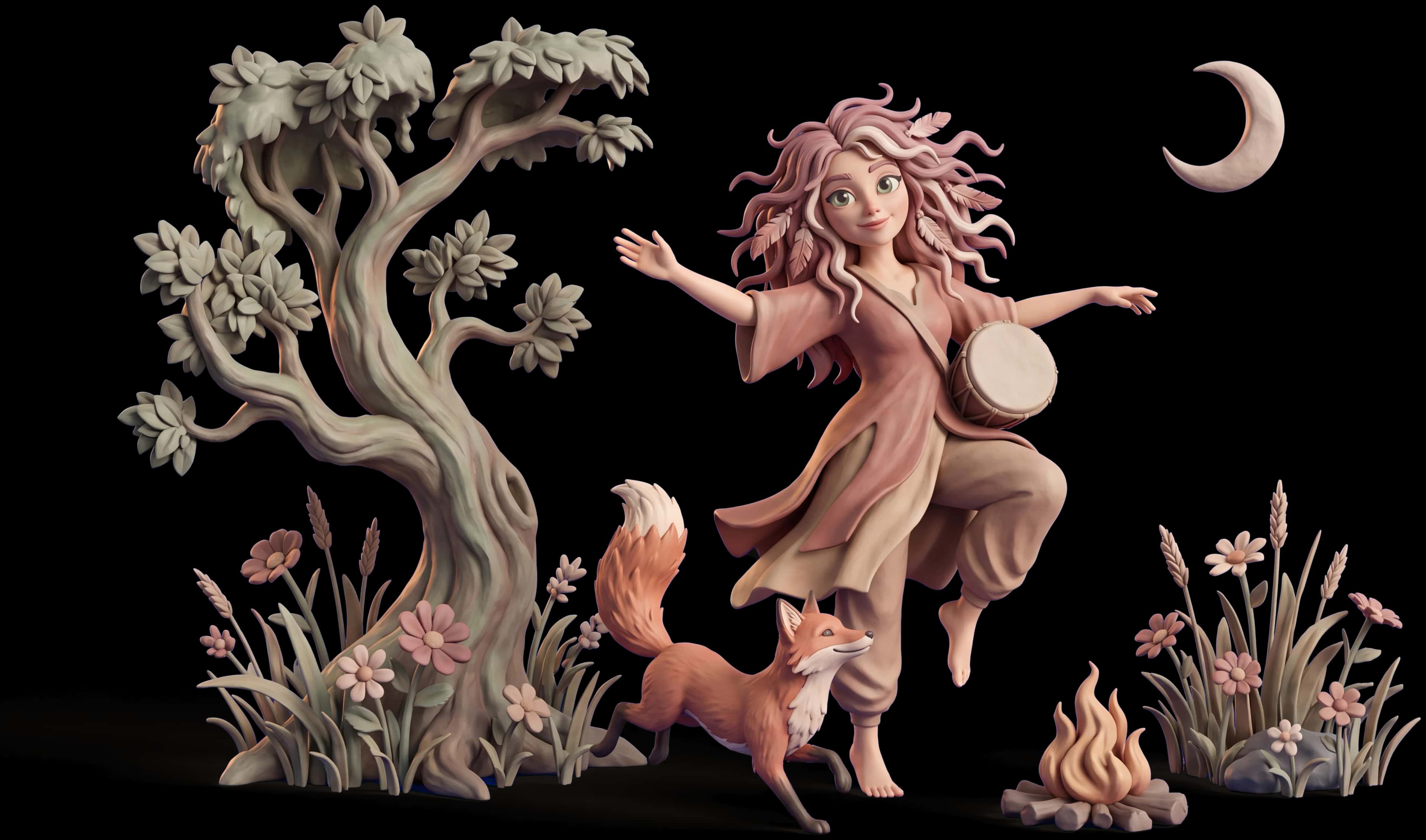
The Wild Woman archetype represents making room for spontaneity, expression and a self-directed way of living.
What the Wild Woman archetype means
In the Rare Personas collection, the Wild Woman represents making room for spontaneity, expression and a self-directed way of living. Read it as a symbolic pattern for reflection or character writing, rather than a fixed kind of person.
Wild here does not mean unsafe, irrational or free from responsibility. The theme is permission to express a preference, not a claim that every impulse is wise.
Wild Woman archetype traits
- Instinctive
- Free
- Vital
- Honest
- Spontaneous
- Untamed
Strengths
- Trusts her gut and checks it against experience
- Brings aliveness into rooms that have gone flat
- Recovers through expression instead of suppression
- Cannot be pressured into a life that is not hers
Shadow side
- Impulse can override wisdom at real cost
- May burn bridges that deserved patience
- Restlessness can keep her from ever landing anywhere
- Rawness can wound people who meant no harm
Questions for exploring the Wild Woman
- What draws you toward making room for spontaneity, expression and a self-directed way of living?
- When has this approach helped you, and when has a different approach worked better?
- What would you notice if a different interpretation of the same situation were true?
These questions invite reflection; they are not diagnostic criteria. Look for an example that does not fit as well as one that does.
The Wild Woman as a woman
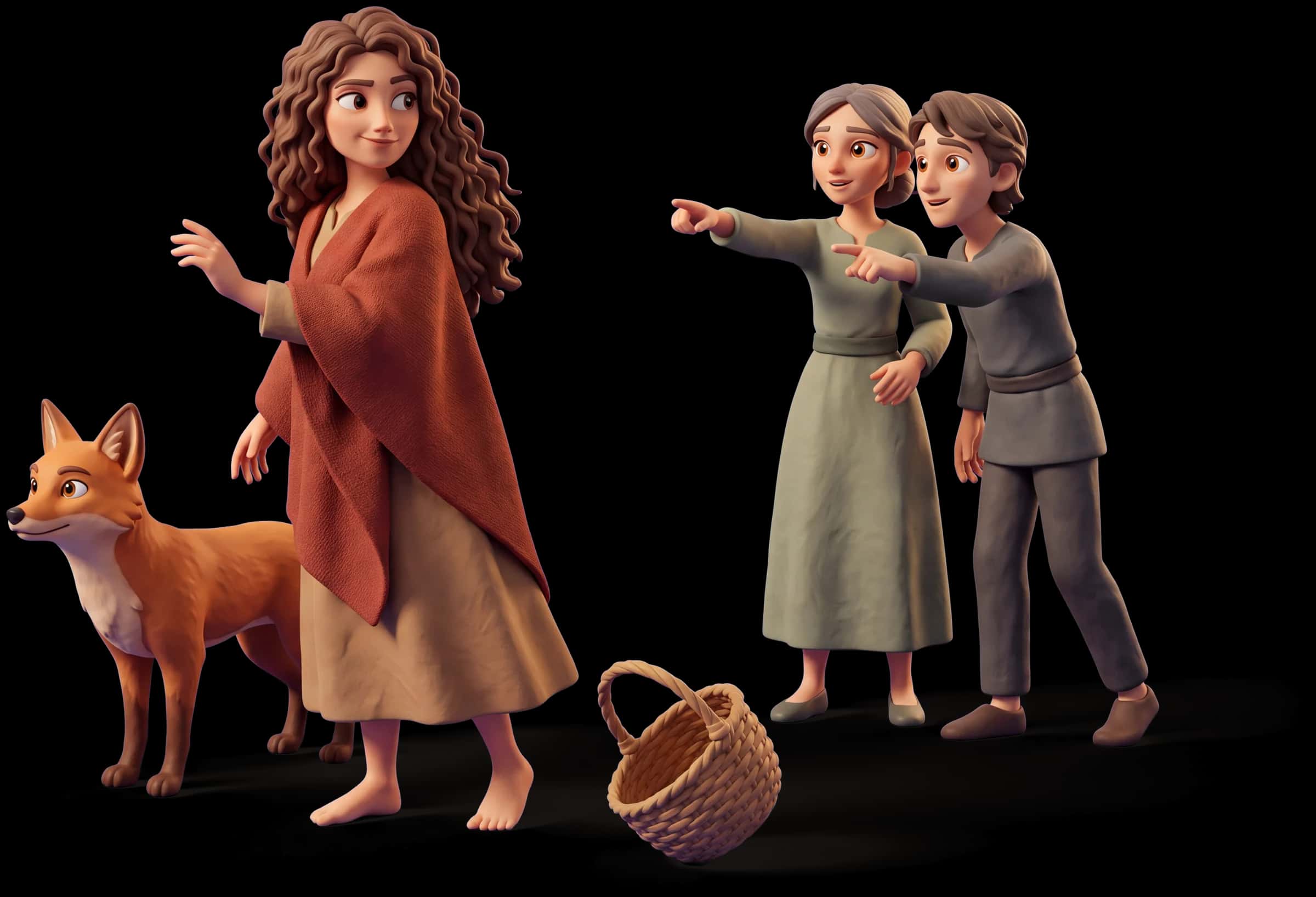
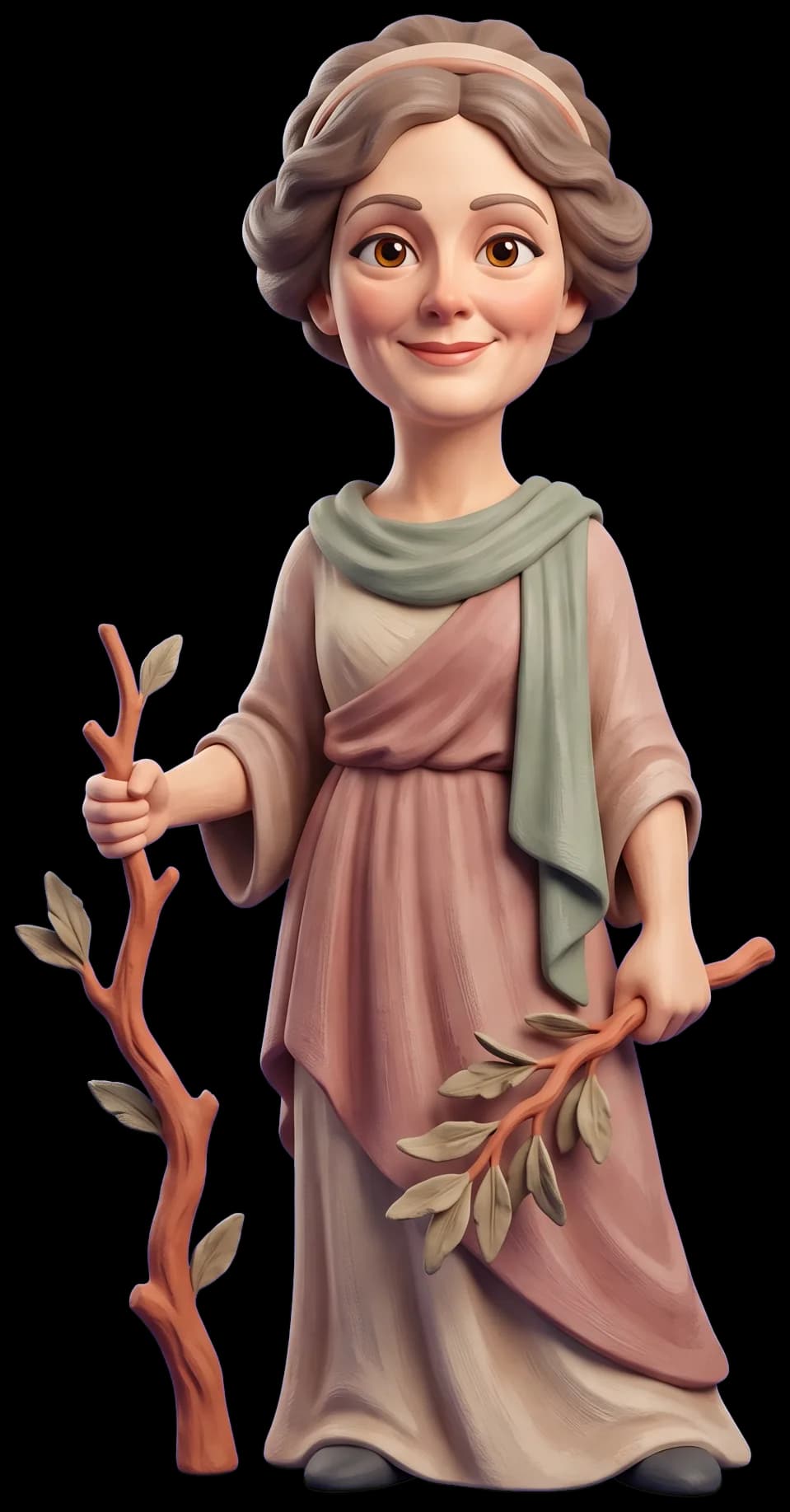
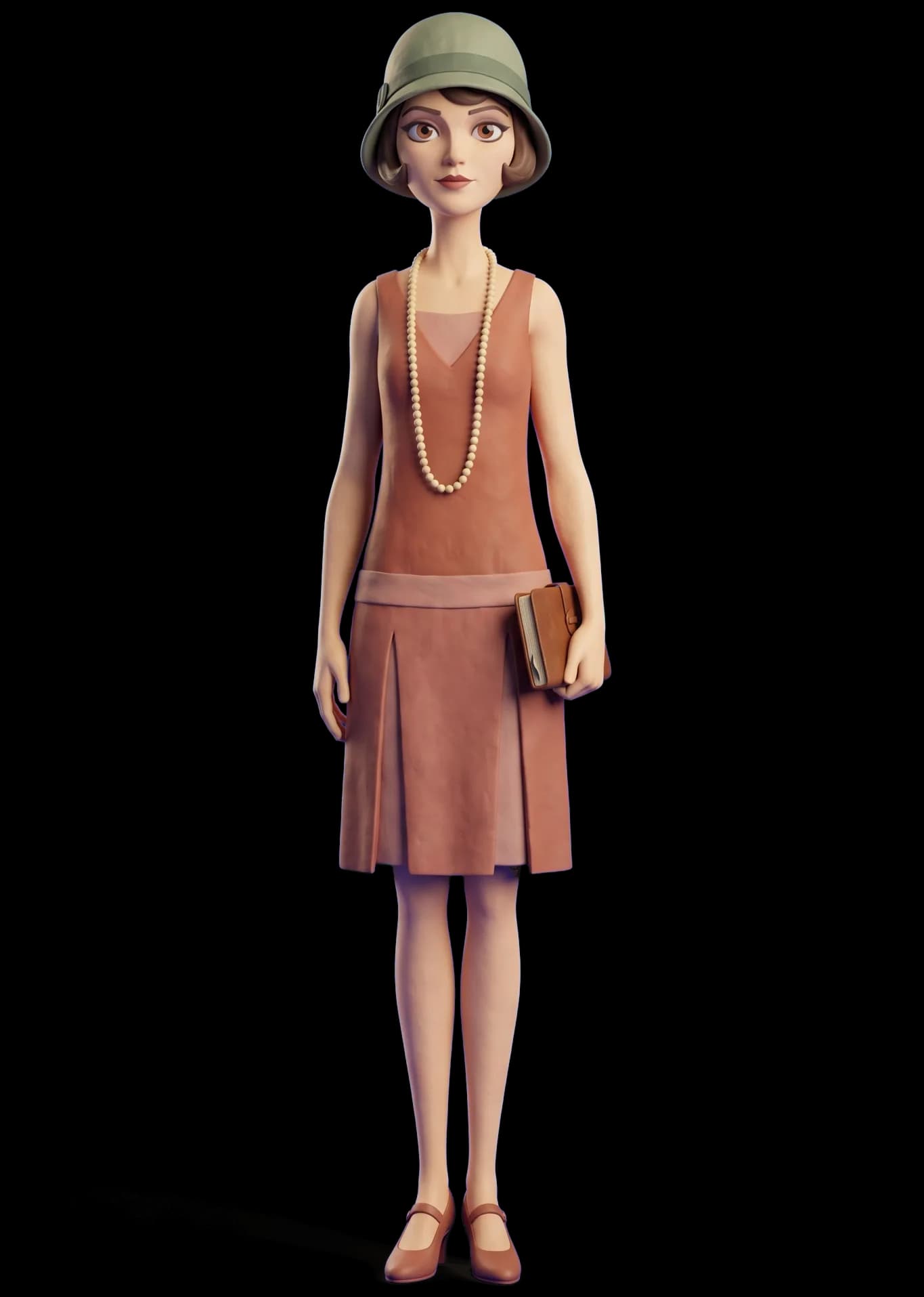
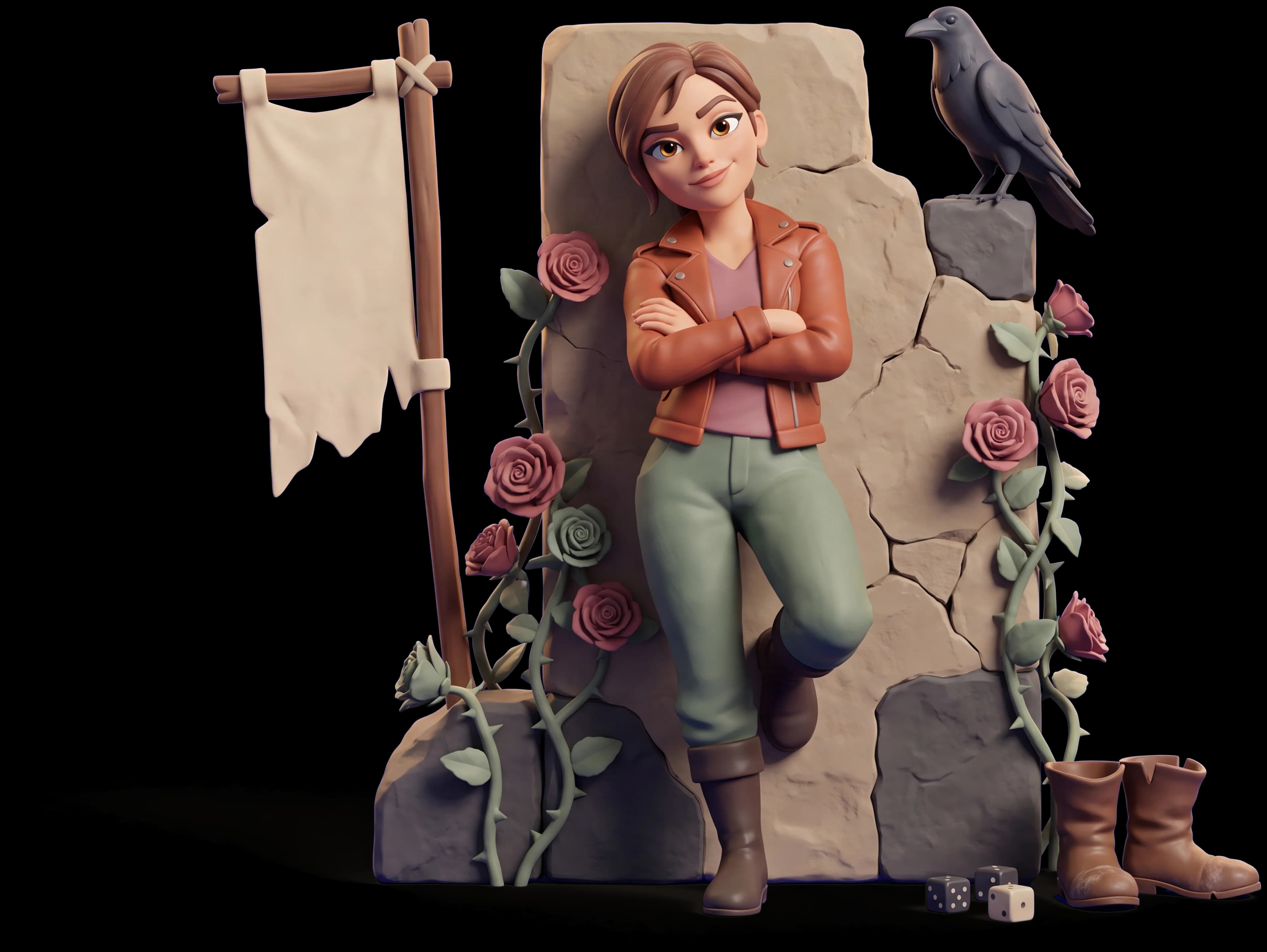
The female illustration is one way to picture this role. The theme of making room for spontaneity, expression and a self-directed way of living is available to anyone. The image and label do not prescribe how a woman or man should behave.
The Wild Woman archetype in relationships
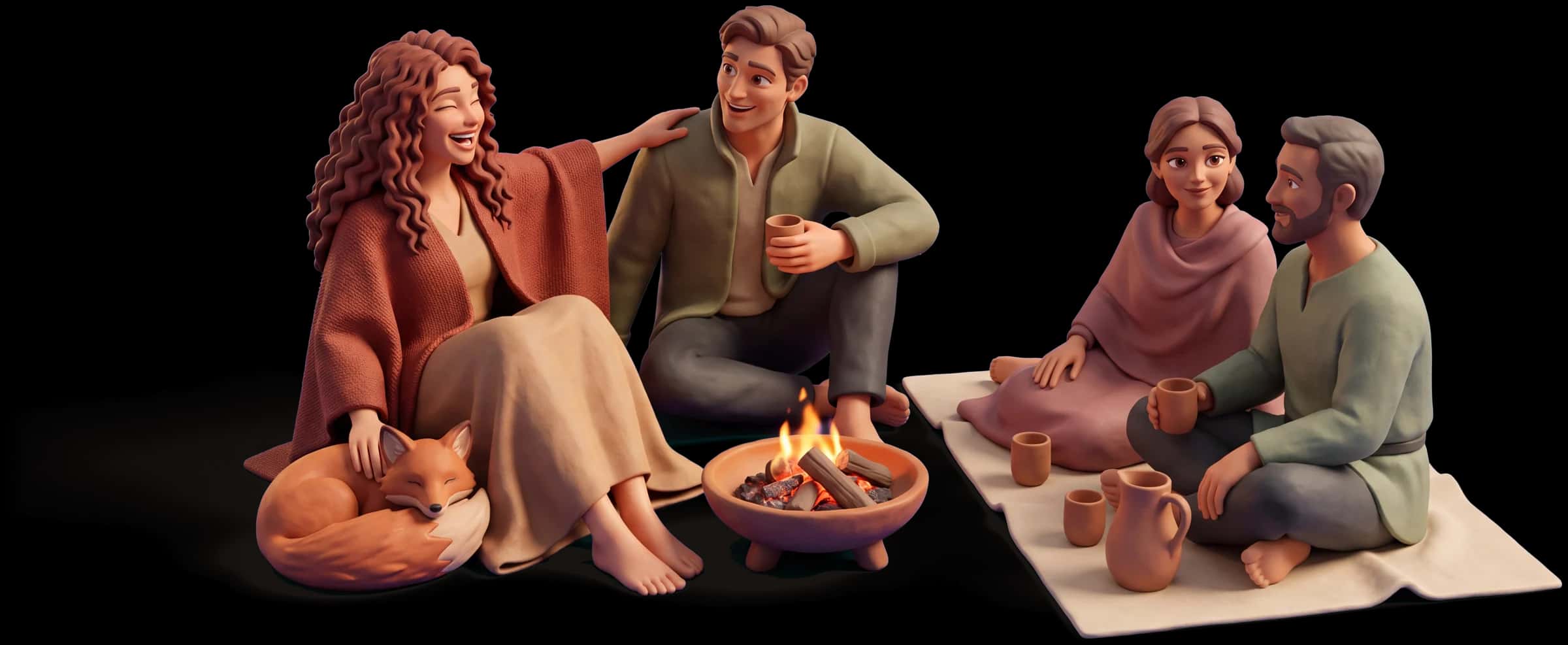
Honest expression can make a relationship more understandable. Say what you want and listen to the answer; intensity is not a substitute for consent or mutual consideration.
The Wild Woman in everyday life and at work

A Wild Woman choice in practice
You notice that you keep choosing what looks respectable over what you actually enjoy. You make time for an activity without turning it into a performance.
Expression can bring a neglected preference into view. Assuming that the first impulse is always the truest one can make other people’s needs disappear from the decision.
Name one preference without apologizing for it, then choose a way to act on it that respects your existing commitments.
Settings in which to explore this theme
- Performing arts and dance
- Outdoor and adventure work
- Emergency and crisis roles
- Founding and freelancing
- Coaching and bodywork
The Wild Woman's growth path
After trying it, describe what happened without using an archetype label. Keep the practice if it helps; change it if it does not. A different choice does not mean you have passed or failed a personality test.
Where the Wild Woman archetype comes from
Wild Woman is a symbolic label used here for expression and self-direction. Rare Personas does not treat it as a universal account of women, an instruction to abandon boundaries or a fixed stage in psychological development.
Wild Woman archetype examples
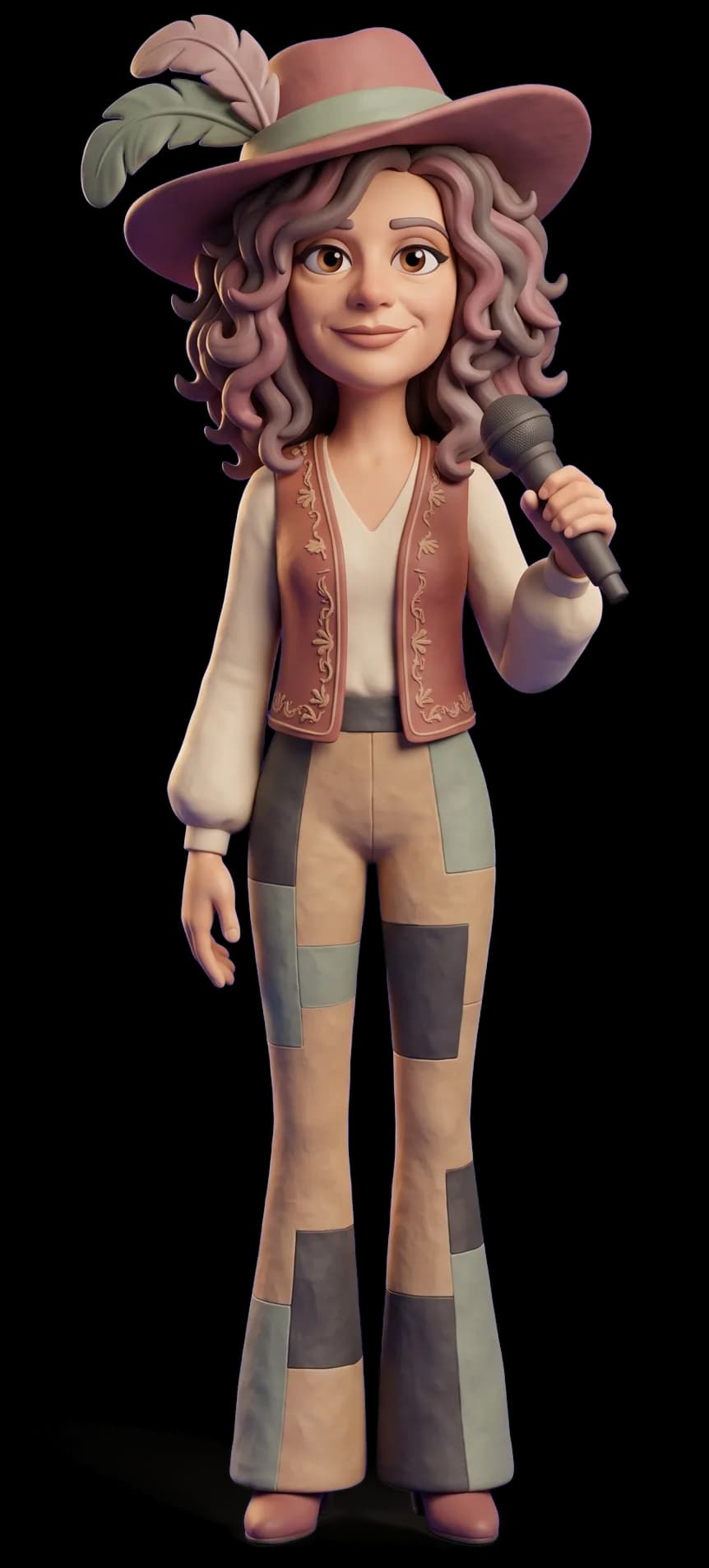
Illustrative comparisons, not assessed personality types. Fictional characters can fit several readings, and public figures are shown for their public work or image rather than claims about their private lives.

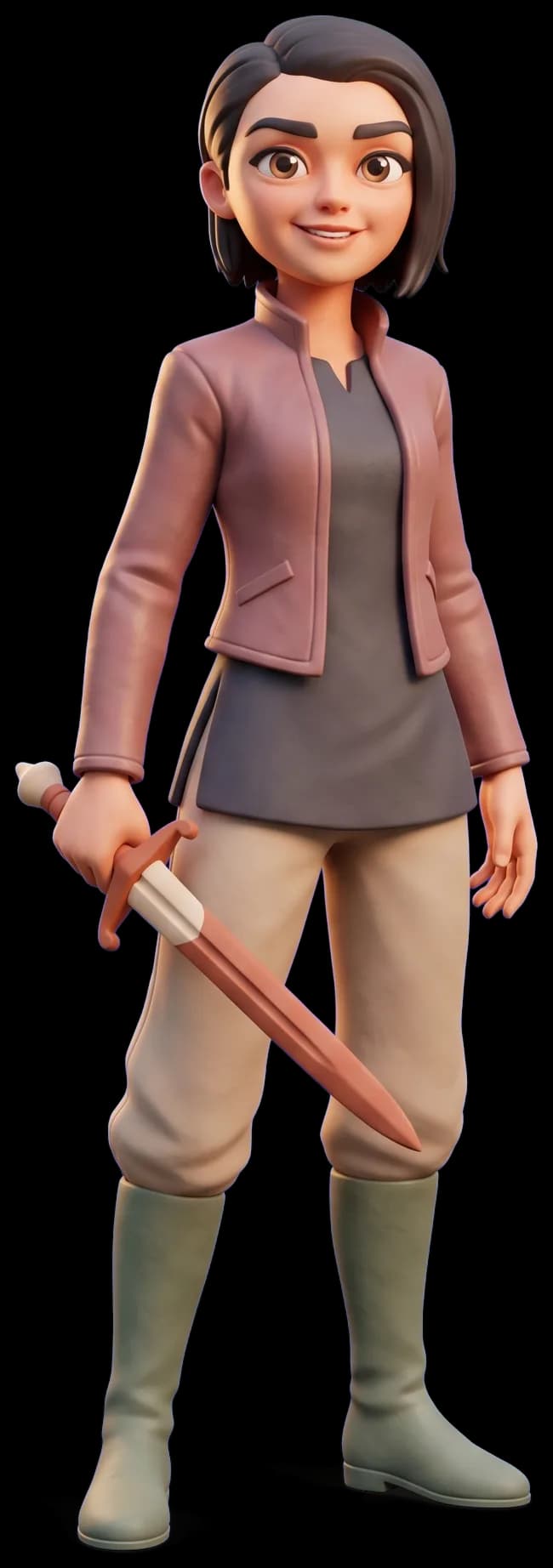
Arya Stark in Game of Thrones offers a comparison for resisting an assigned role and seeking a self-directed life. A Wild Woman reading focuses on that refusal to fit an expectation. Her other choices can support different themes, which keeps the archetype from becoming an excuse for every action a character takes.
The Wild Woman vs. The Huntress
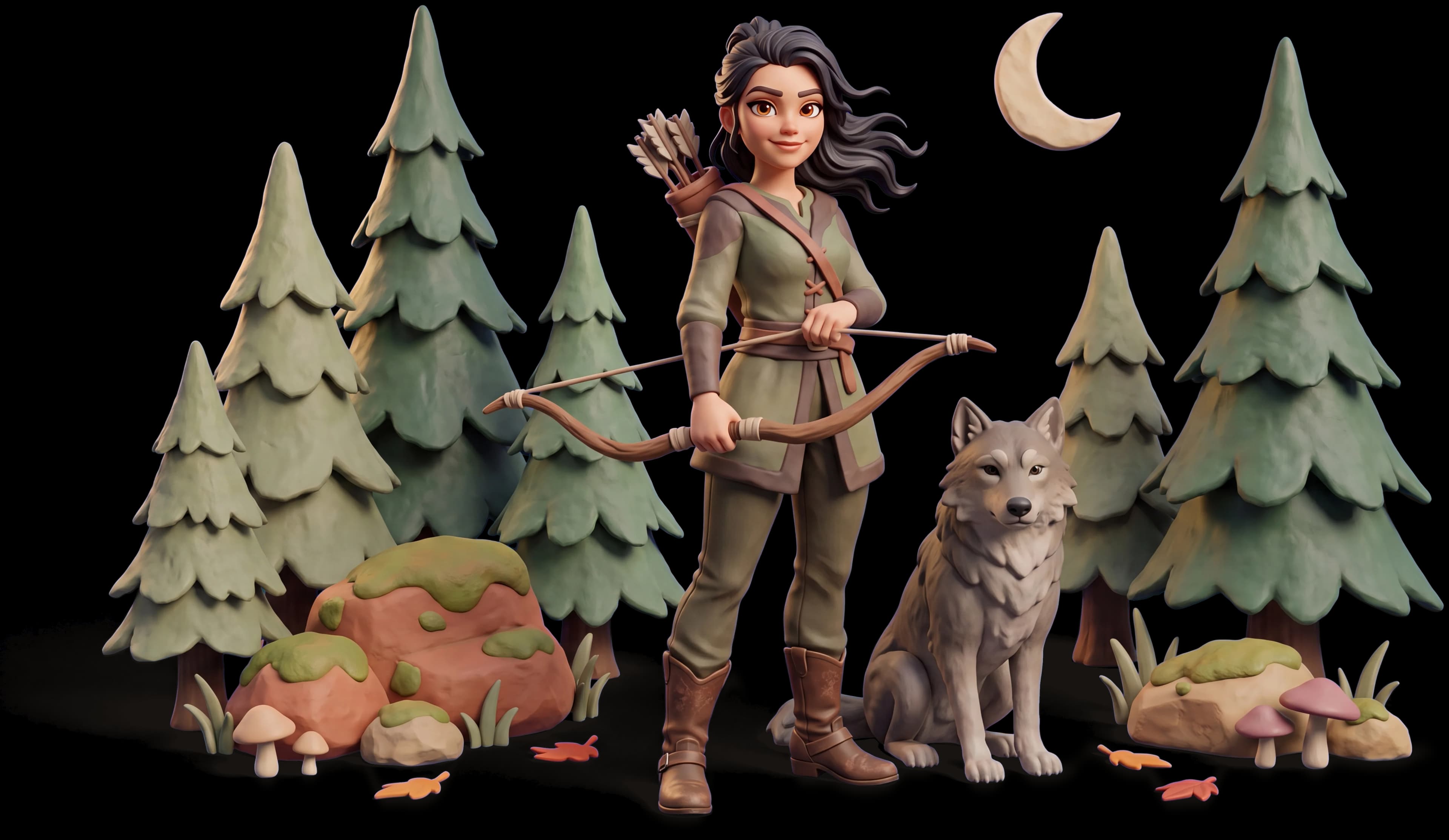
In our collection, the Wild Woman emphasizes making room for spontaneity, expression and a self-directed way of living; The Huntress emphasizes pursuing a chosen goal with focus, independence and clear boundaries. The same action can fit both descriptions. Compare what the person is trying to achieve and what they are prepared to give up, rather than judging by the action alone. Read about The Huntress
The Wild Woman vs. The Rebel
In our collection, the Wild Woman emphasizes making room for spontaneity, expression and a self-directed way of living; The Rebel emphasizes questioning imposed limits and challenging practices that seem unjust or unnecessary. The same action can fit both descriptions. Compare what the person is trying to achieve and what they are prepared to give up, rather than judging by the action alone. Read about The Rebel
Also related: The Mystic
The Mystic archetype represents exploring inward experience, meaning and questions that resist quick answers.
Sources and interpretation
- Carol S. Pearson: the twelve-archetype system
The author explains her own model’s development. Our labels and quiz are a separate interpretation.
Published by Rare Personas. Our explanations and illustrative exercises are interpretations; the references support the specific background described above. Read about our approach and content responsibility. To suggest a correction, send the passage and page URL through our contact page.
Is the Wild Woman your archetype?
Explore your answers with the archetype quiz. Your leading match and a short description are free; the full report is optional and paid.