
The Caregiver Archetype
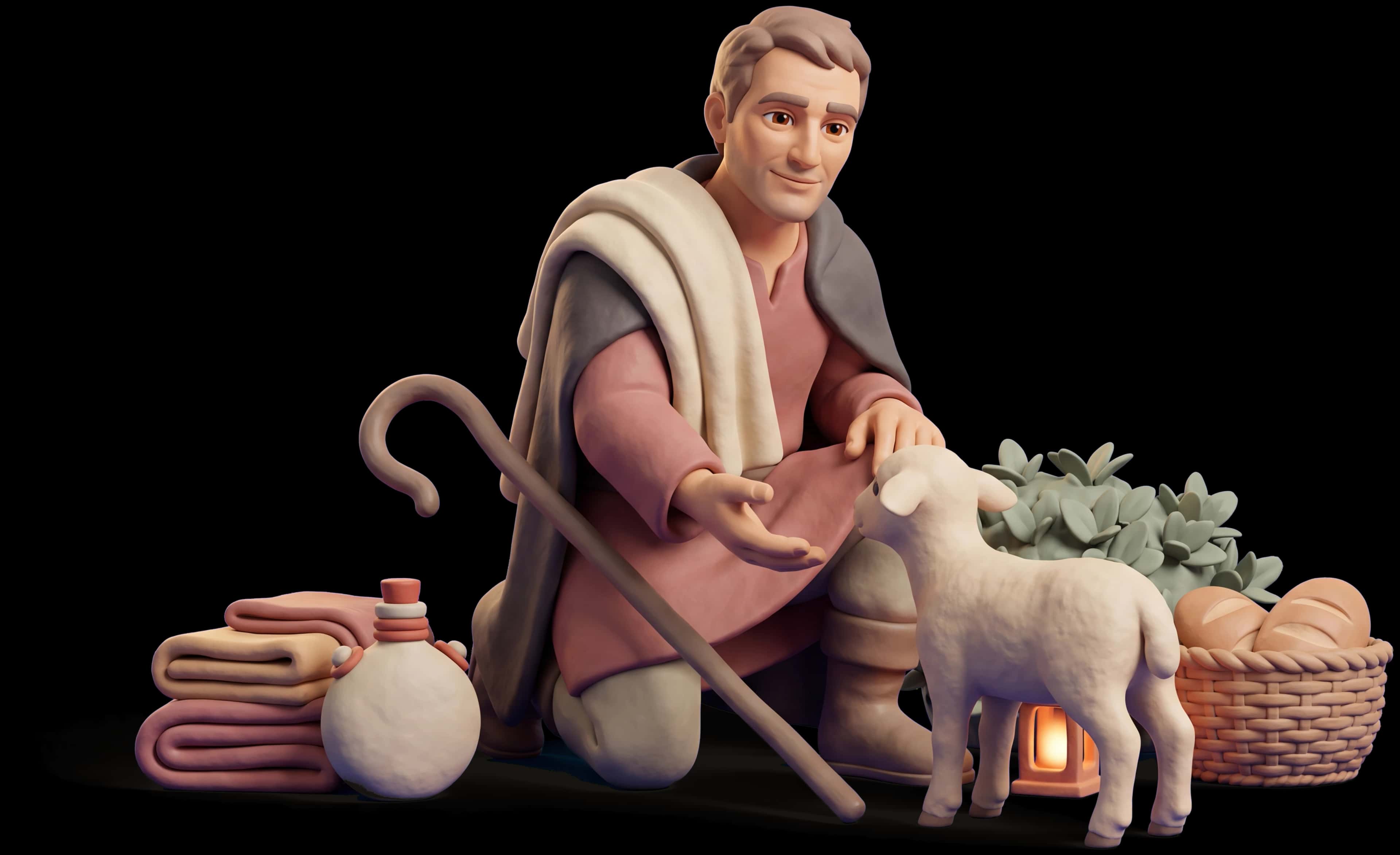
The Caregiver archetype represents responding to needs through practical, dependable support.
What the Caregiver archetype means
In the Rare Personas collection, the Caregiver represents responding to needs through practical, dependable support. Read it as a symbolic pattern for reflection or character writing, rather than a fixed kind of person.
Care is an action, not proof that you know what someone needs better than they do. This profile emphasizes help that preserves the recipient’s choices and the helper’s limits.
Caregiver archetype traits
- Patient
- Protective
- Attentive
- Selfless
- Steady
- Gentle
Strengths
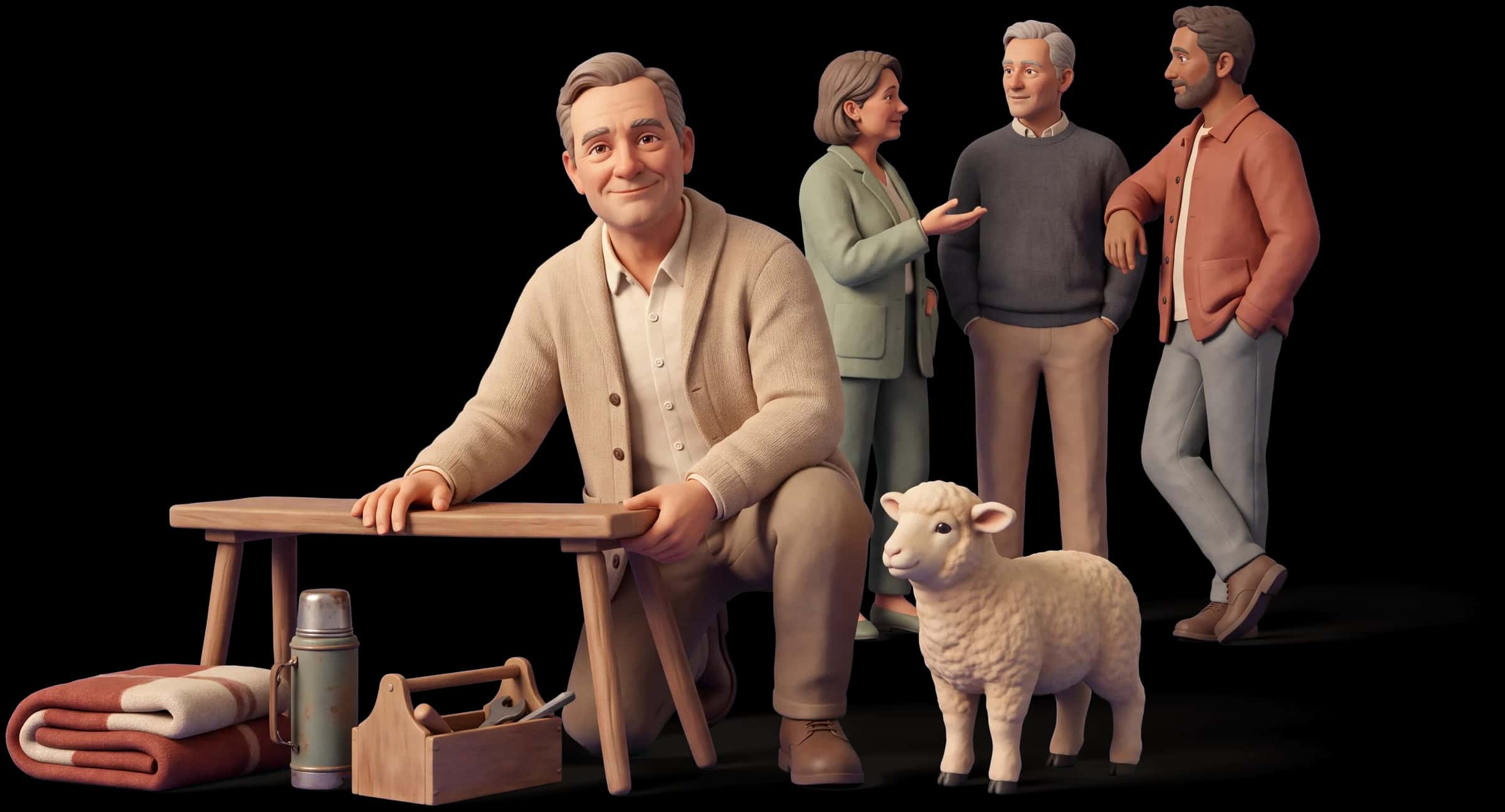
- Notices needs everyone else misses
- Shows up consistently, not just in crises
- Creates safety for the vulnerable
- Serves without needing applause
Shadow side
- Gives past empty and resents it silently
- Care can become control with a kind face
- May enable what needed a boundary
- Own needs stay permanently at the back of the line
Questions for exploring the Caregiver
- What draws you toward responding to needs through practical, dependable support?
- When has this approach helped you, and when has a different approach worked better?
- What would you notice if a different interpretation of the same situation were true?
These questions invite reflection; they are not diagnostic criteria. Look for an example that does not fit as well as one that does.
The Caregiver as a man
The male illustration is one way to picture this role. The theme of responding to needs through practical, dependable support is available to anyone. The image and label do not prescribe how a woman or man should behave.
The Caregiver archetype in relationships
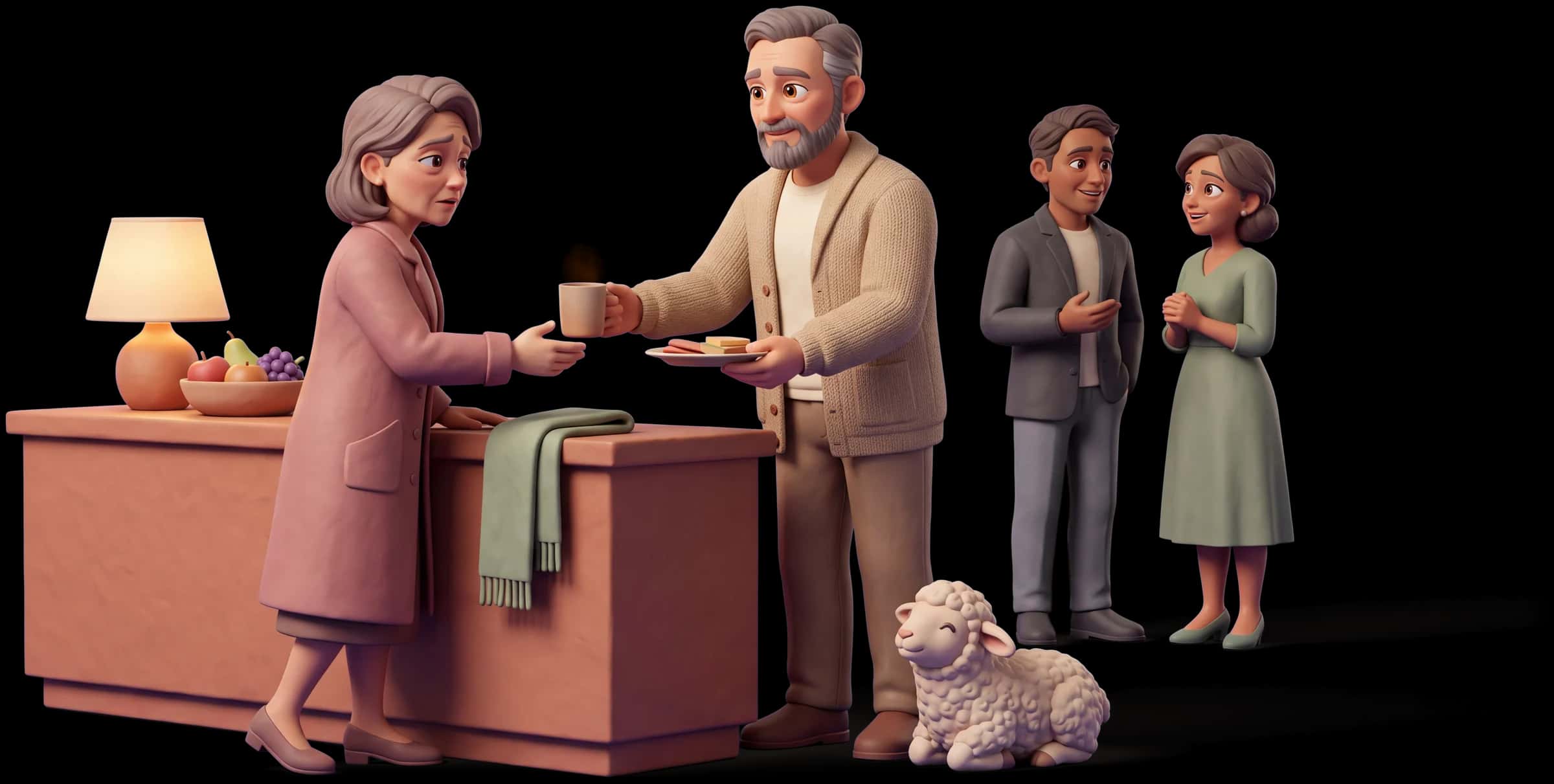
A caring role can be valuable without becoming the basis of the whole relationship. Ask directly for support you need, rather than hoping others will notice how much you have given.
The Caregiver in everyday life and at work
A Caregiver choice in practice
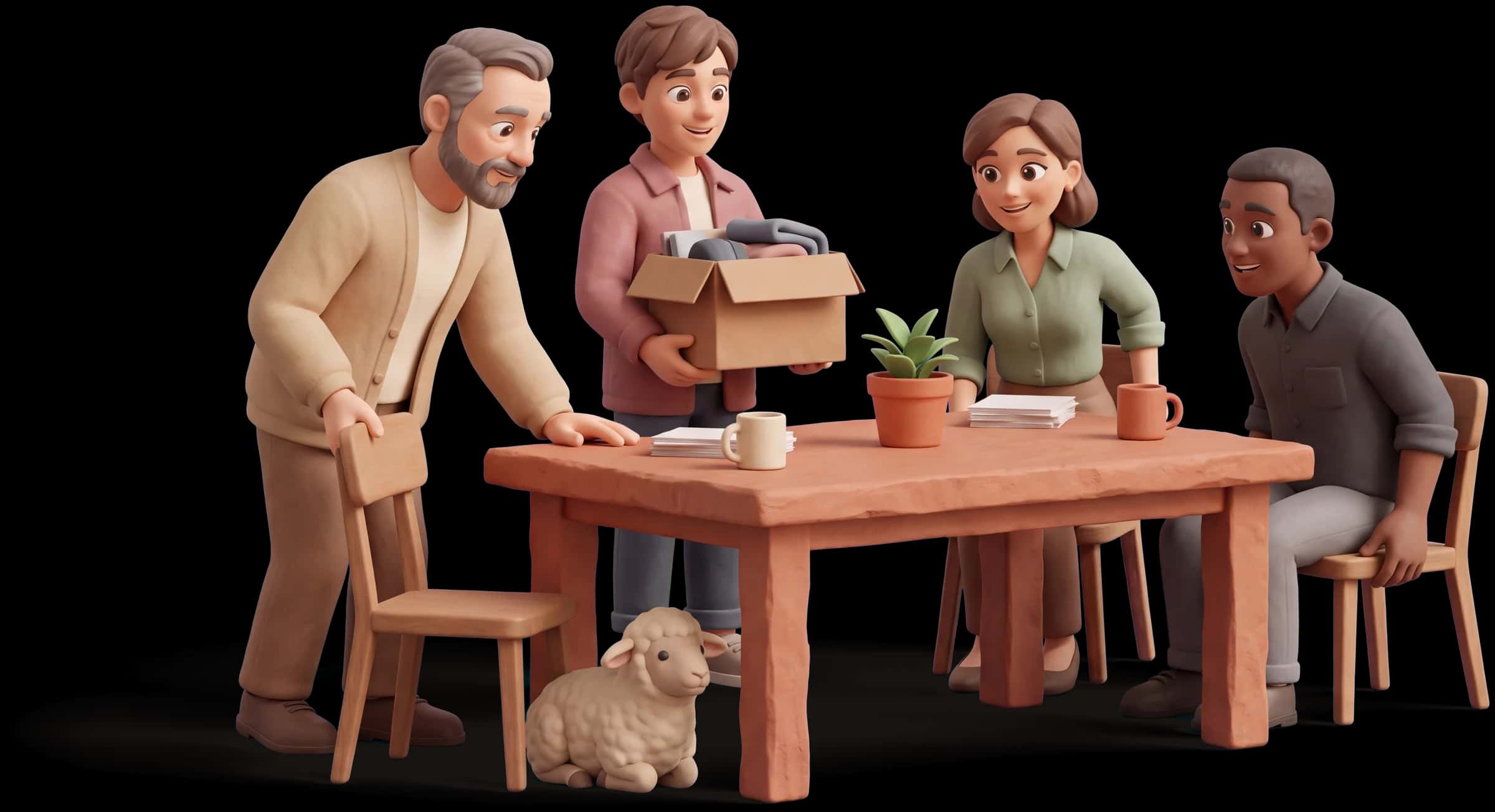
A friend has a difficult week. You offer to bring a meal on Thursday rather than promising to handle everything until life gets easier.
A specific offer is easier to accept or decline. Repeatedly taking over can leave you overcommitted and the other person with less say in their own life.
Make one bounded offer, ask whether it would help, and state what you cannot take on.
Settings in which to explore this theme
- Medicine and nursing
- Teaching and coaching
- People management
- Emergency services
- Social and community work
The Caregiver's growth path
After trying it, describe what happened without using an archetype label. Keep the practice if it helps; change it if it does not. A different choice does not mean you have passed or failed a personality test.
Where the Caregiver archetype comes from
Caregiver is a label in modern archetype writing and our own quiz collection. We use it for practical support across friendships, teams and communities. It does not establish a person’s suitability for a caring profession.
Caregiver archetype examples
Illustrative comparisons, not assessed personality types. Fictional characters can fit several readings, and public figures are shown for their public work or image rather than claims about their private lives.
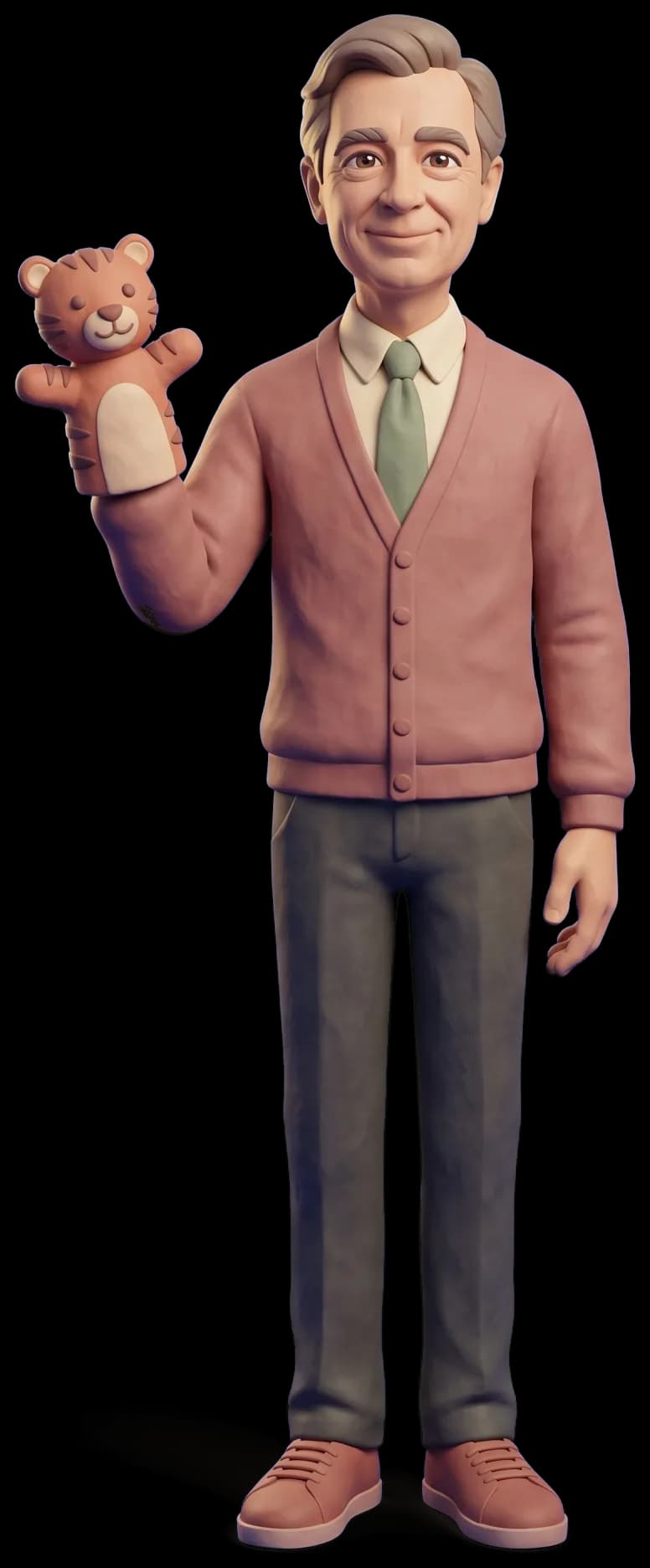
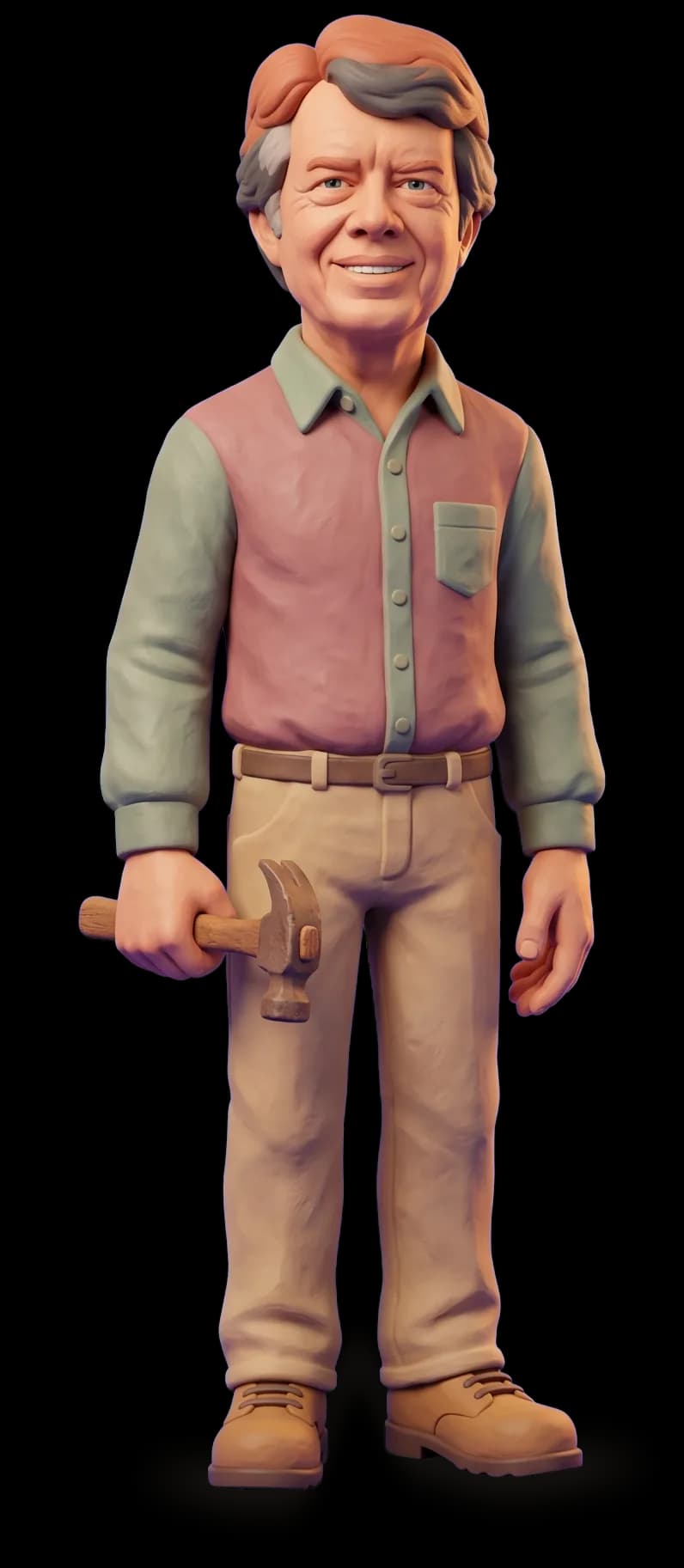
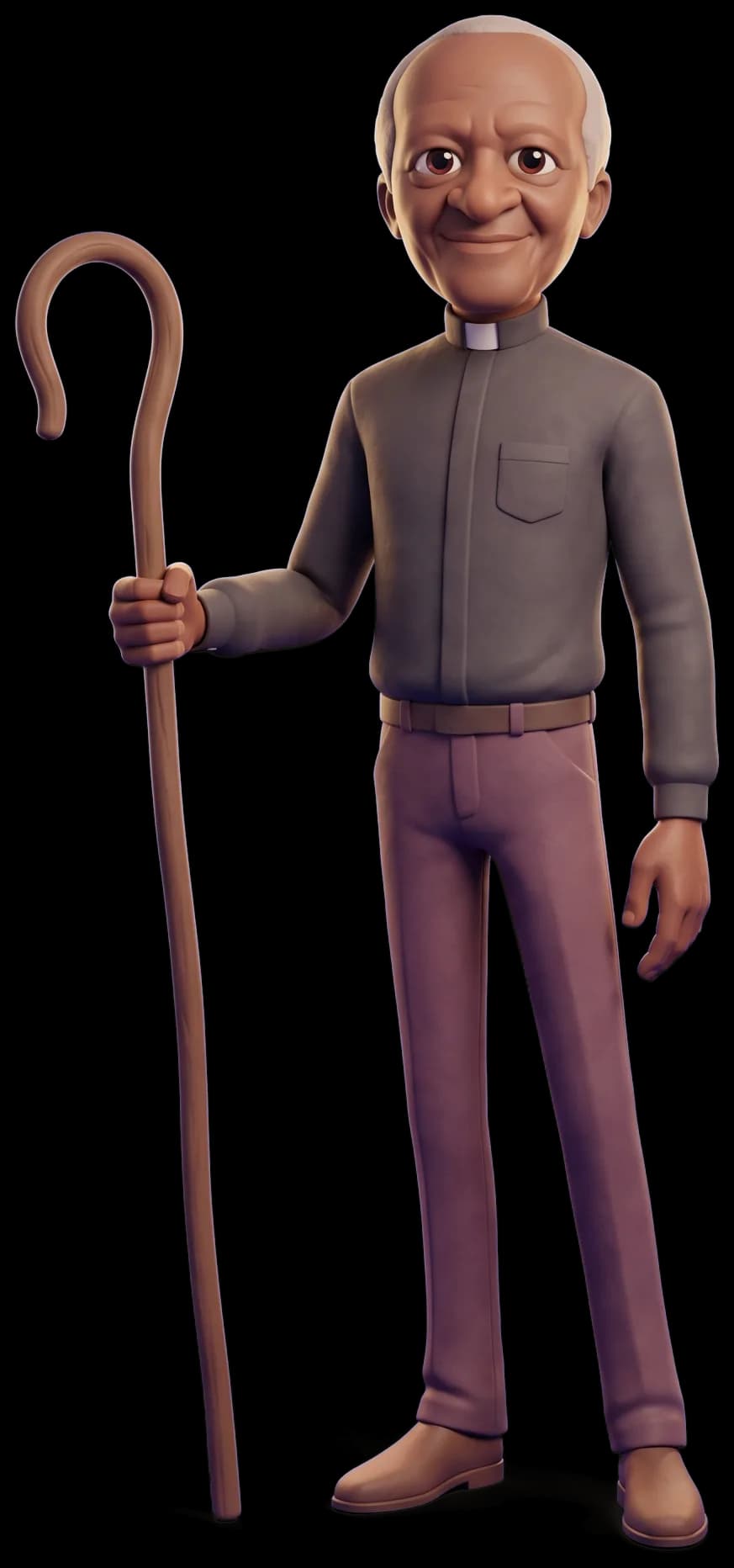

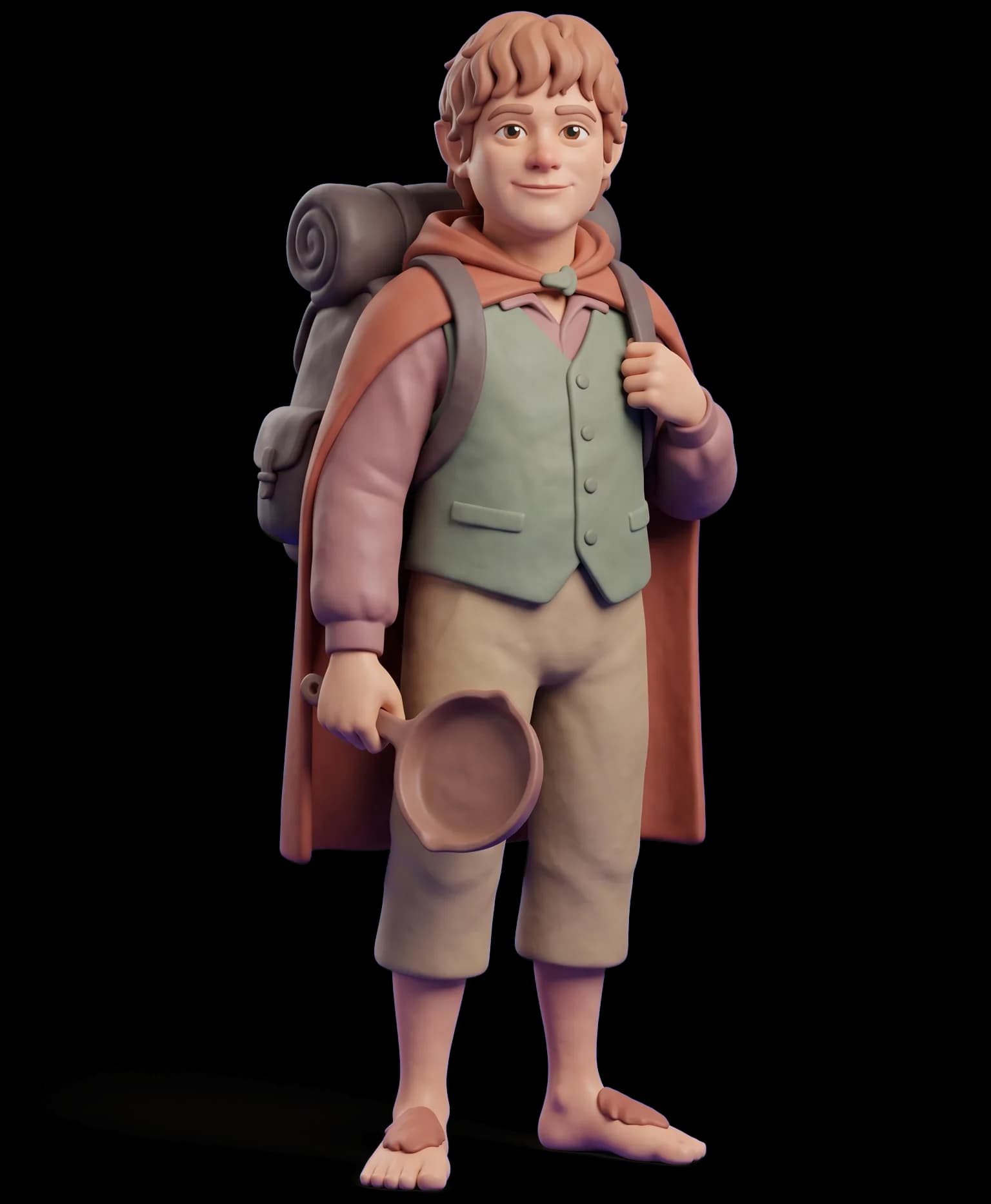
Samwise Gamgee in The Lord of the Rings is a useful comparison for practical support: attention to another person’s needs becomes part of how the journey continues. A Caregiver reading asks how that support is given and what it costs. It need not reduce him to a helper with no independent courage or judgment.

The Caregiver vs. The Mother
In our collection, the Caregiver emphasizes responding to needs through practical, dependable support; The Mother emphasizes nurturing growth through sustained care, attention and a supportive environment. The same action can fit both descriptions. Compare what the person is trying to achieve and what they are prepared to give up, rather than judging by the action alone. Read about The Mother

The Caregiver vs. The Everyman
In our collection, the Caregiver emphasizes responding to needs through practical, dependable support; The Everyman emphasizes belonging through equality, shared experience and everyday reliability. The same action can fit both descriptions. Compare what the person is trying to achieve and what they are prepared to give up, rather than judging by the action alone. Read about The Everyman

Also related: The Sage
The Sage archetype represents understanding through evidence, questions and careful thought.
Sources and interpretation
- Carol S. Pearson: the twelve-archetype system
The author explains her own model’s development. Our labels and quiz are a separate interpretation.
Published by Rare Personas. Our explanations and illustrative exercises are interpretations; the references support the specific background described above. Read about our approach and content responsibility. To suggest a correction, send the passage and page URL through our contact page.
Is the Caregiver your archetype?
Explore your answers with the archetype quiz. Your leading match and a short description are free; the full report is optional and paid.