
The Explorer Archetype
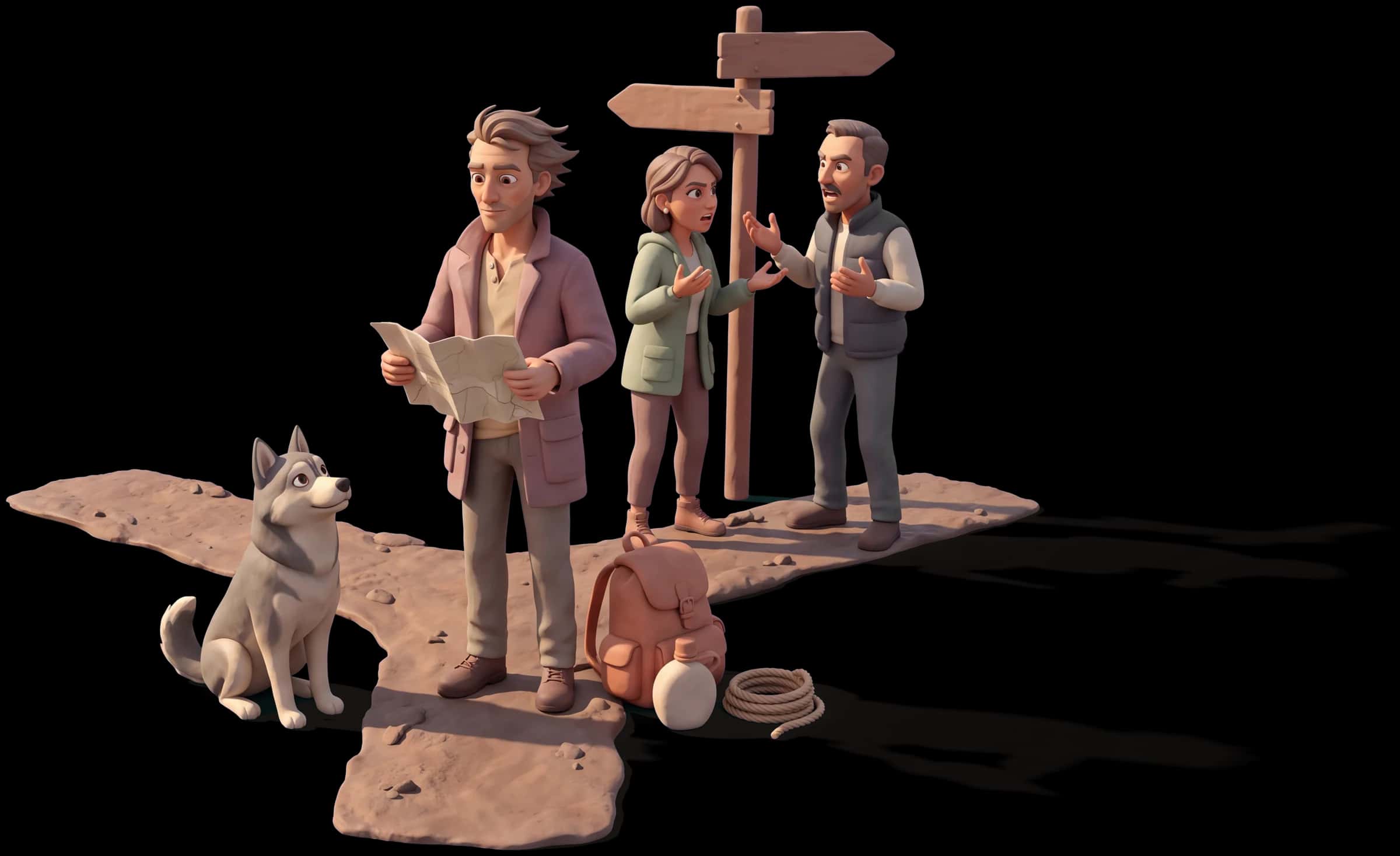
The Explorer archetype represents learning through independence, discovery and unfamiliar possibilities.

What the Explorer archetype means
In the Rare Personas collection, the Explorer represents learning through independence, discovery and unfamiliar possibilities. Read it as a symbolic pattern for reflection or character writing, rather than a fixed kind of person.
Exploration does not require constant travel. Trying a different method, learning a subject or questioning an inherited plan can express it. Freedom also includes choosing commitments deliberately.
Explorer archetype traits
- Curious
- Independent
- Adaptable
- Restless
- Observant
- Self-reliant
Strengths
- At ease where others panic: no map, no plan, no problem
- Brings back ideas from outside the bubble
- Reinvents without an identity crisis
- Questions because-we-have-always-done-it thinking
Shadow side
- Can keep leaving instead of ever arriving
- Commitment may feel like captivity
- Novelty can become an escape from depth
- May look down on lives that chose roots
Questions for exploring the Explorer
- What draws you toward learning through independence, discovery and unfamiliar possibilities?
- When has this approach helped you, and when has a different approach worked better?
- What would you notice if a different interpretation of the same situation were true?
These questions invite reflection; they are not diagnostic criteria. Look for an example that does not fit as well as one that does.
The Explorer as a man
The male illustration is one way to picture this role. The theme of learning through independence, discovery and unfamiliar possibilities is available to anyone. The image and label do not prescribe how a woman or man should behave.
The Explorer archetype in relationships

Time apart can support a relationship when expectations are clear. Tell the other person what independence means to you instead of expecting them to interpret an unexplained disappearance.
The Explorer in everyday life and at work

A Explorer choice in practice
You are bored with a familiar project and want to try a different approach. You propose a small experiment with a clear stopping point.
A new route can reveal something useful. Starting over repeatedly can also hide the difficult middle of learning a skill or completing a promise.
Name what you want to discover, set a time limit for the experiment and decide what commitment you will still finish.
Settings in which to explore this theme
- Field research and expeditions
- Travel and documentary work
- New-market business development
- Foreign correspondence
- Consulting across industries
The Explorer's growth path
After trying it, describe what happened without using an archetype label. Keep the practice if it helps; change it if it does not. A different choice does not mean you have passed or failed a personality test.
Where the Explorer archetype comes from
Explorer is a modern archetype label for discovery and self-direction. Our interpretation uses exploration as a motivation, not a claim that a particular lifestyle, occupation or amount of travel reveals a fixed personality.
Explorer archetype examples
Illustrative comparisons, not assessed personality types. Fictional characters can fit several readings, and public figures are shown for their public work or image rather than claims about their private lives.





Indiana Jones makes unfamiliar places and discovery visible in an adventure story. The Explorer reading focuses on what draws him beyond the familiar; the Hero reading would focus more on how he meets danger. The same character can support both, depending on the scene and question being discussed.
The Explorer vs. The Hero
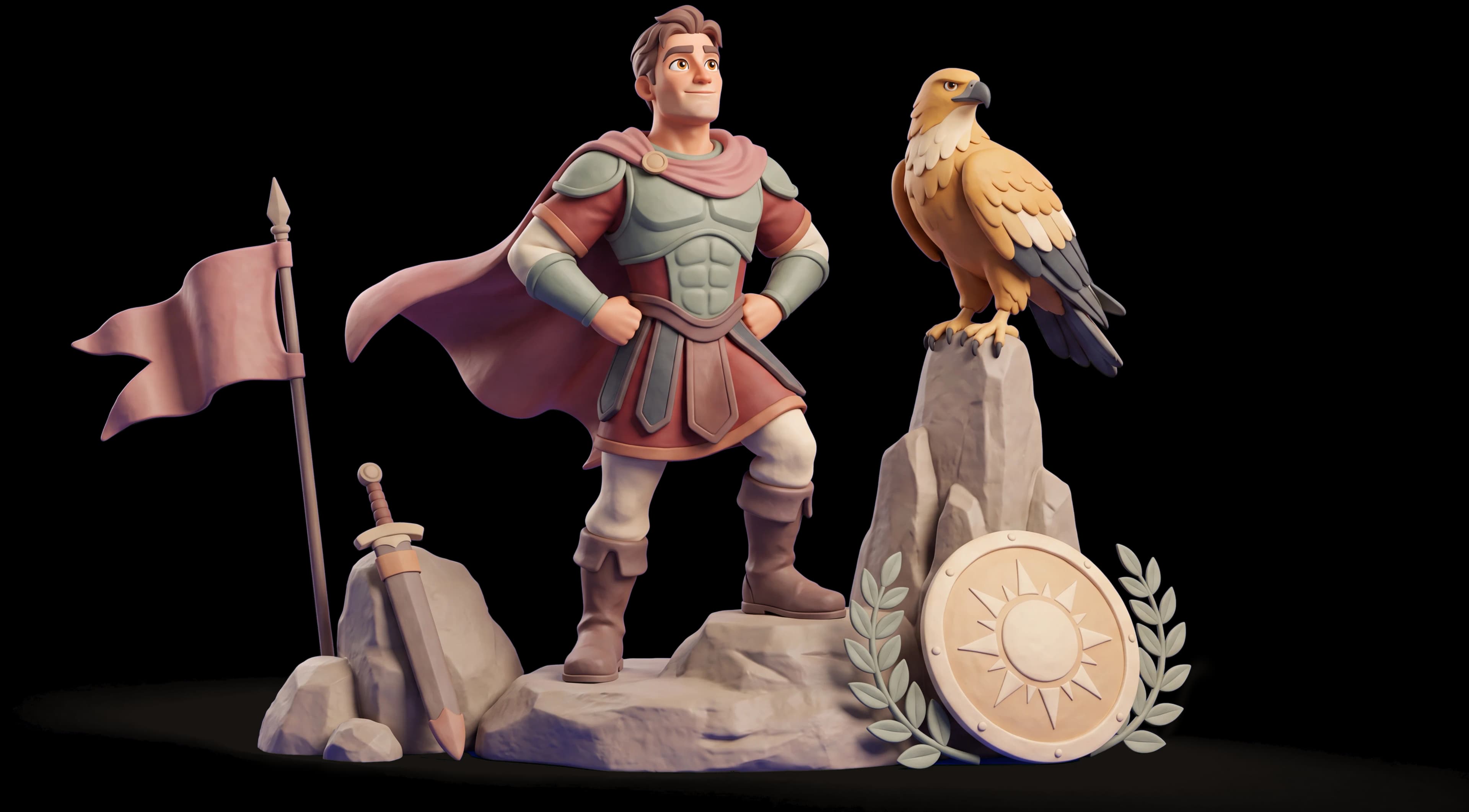
In our collection, the Explorer emphasizes learning through independence, discovery and unfamiliar possibilities; The Hero emphasizes meeting a challenge through courage, effort and persistence. The same action can fit both descriptions. Compare what the person is trying to achieve and what they are prepared to give up, rather than judging by the action alone. Read about The Hero
The Explorer vs. The Huntress
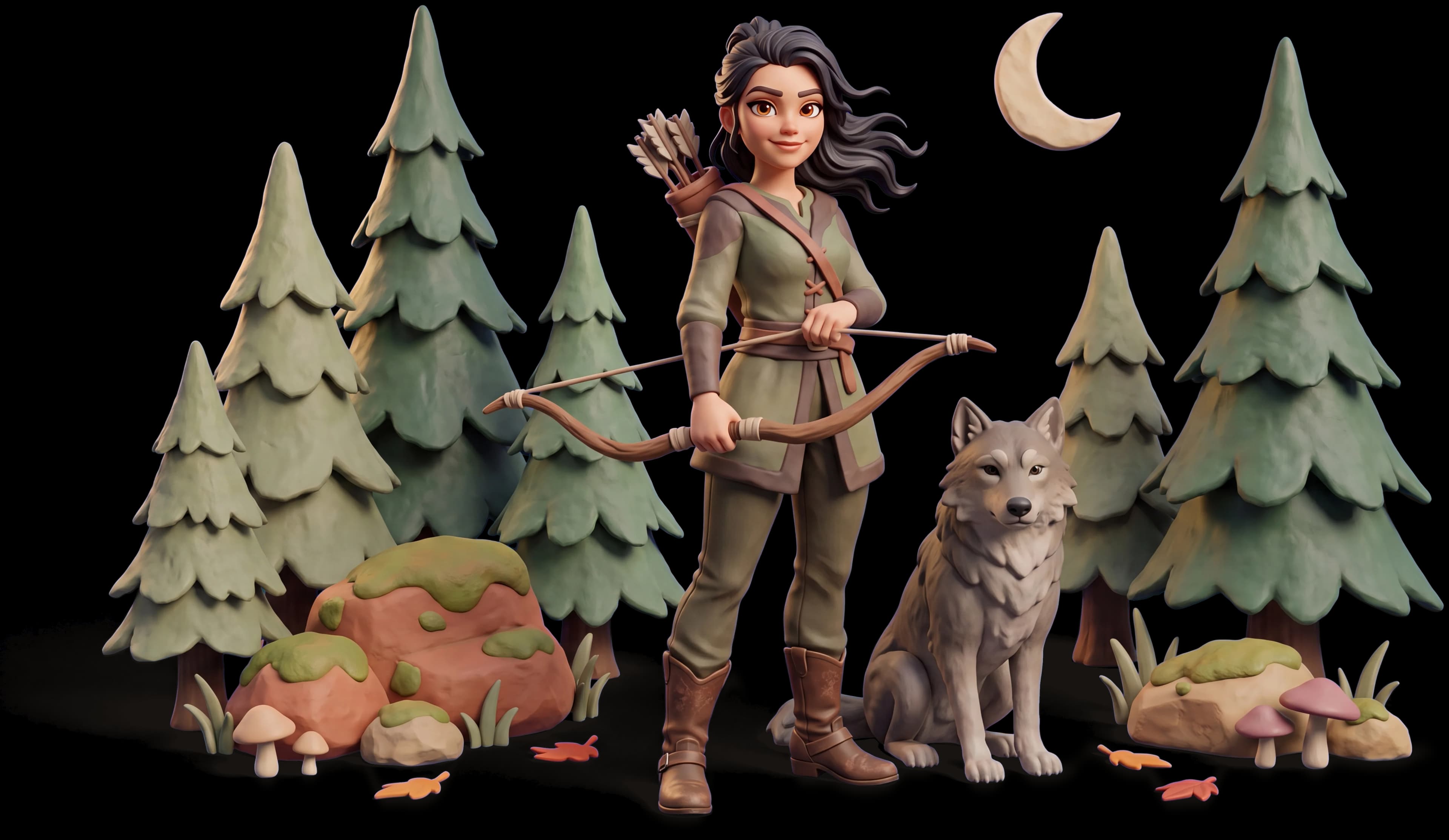
In our collection, the Explorer emphasizes learning through independence, discovery and unfamiliar possibilities; The Huntress emphasizes pursuing a chosen goal with focus, independence and clear boundaries. The same action can fit both descriptions. Compare what the person is trying to achieve and what they are prepared to give up, rather than judging by the action alone. Read about The Huntress
Also related: The Wild Woman
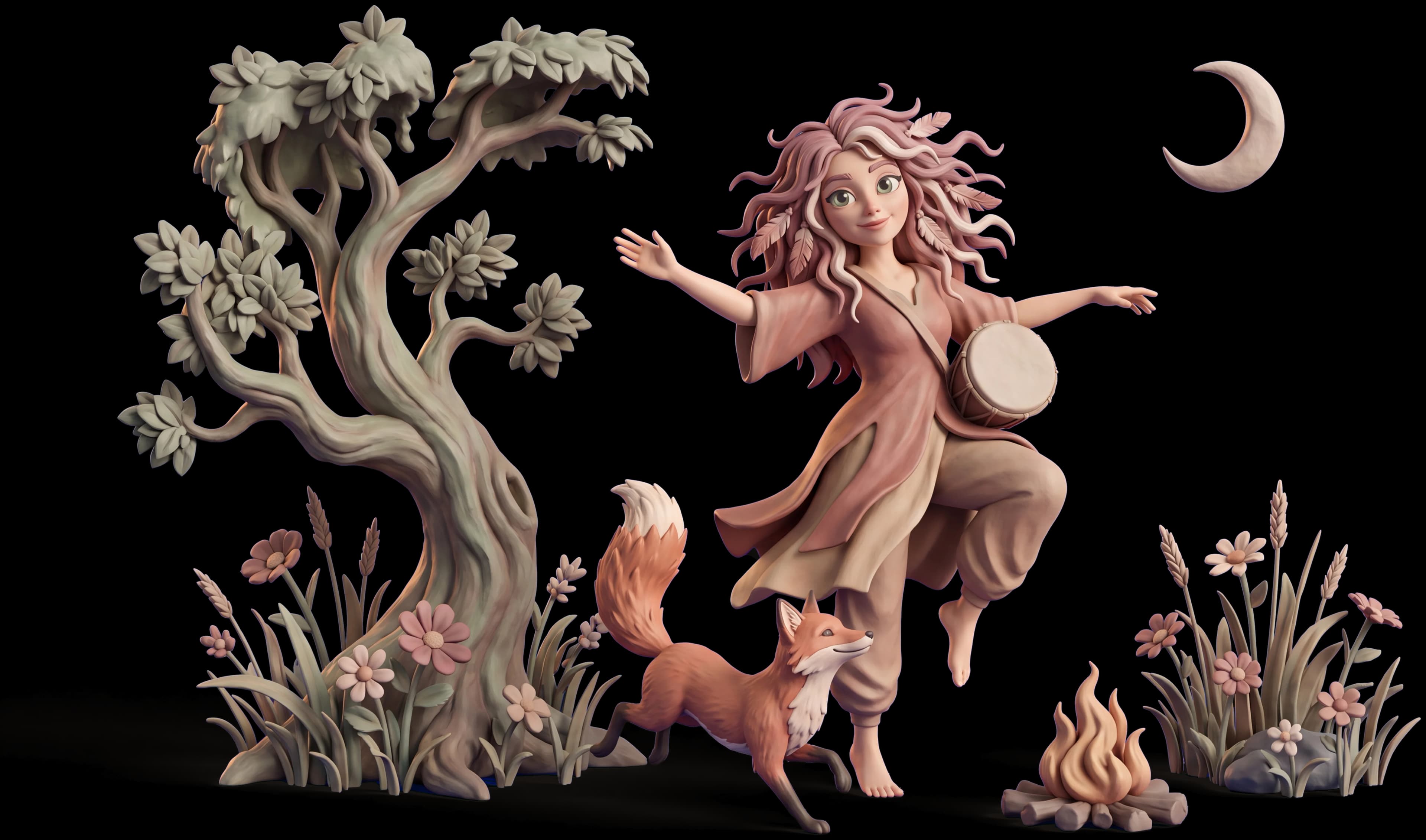
The Wild Woman archetype represents making room for spontaneity, expression and a self-directed way of living.
Sources and interpretation
- Carol S. Pearson: the twelve-archetype system
The author explains her own model’s development. Our labels and quiz are a separate interpretation.
Published by Rare Personas. Our explanations and illustrative exercises are interpretations; the references support the specific background described above. Read about our approach and content responsibility. To suggest a correction, send the passage and page URL through our contact page.
Is the Explorer your archetype?
Explore your answers with the archetype quiz. Your leading match and a short description are free; the full report is optional and paid.