
The Hero Archetype
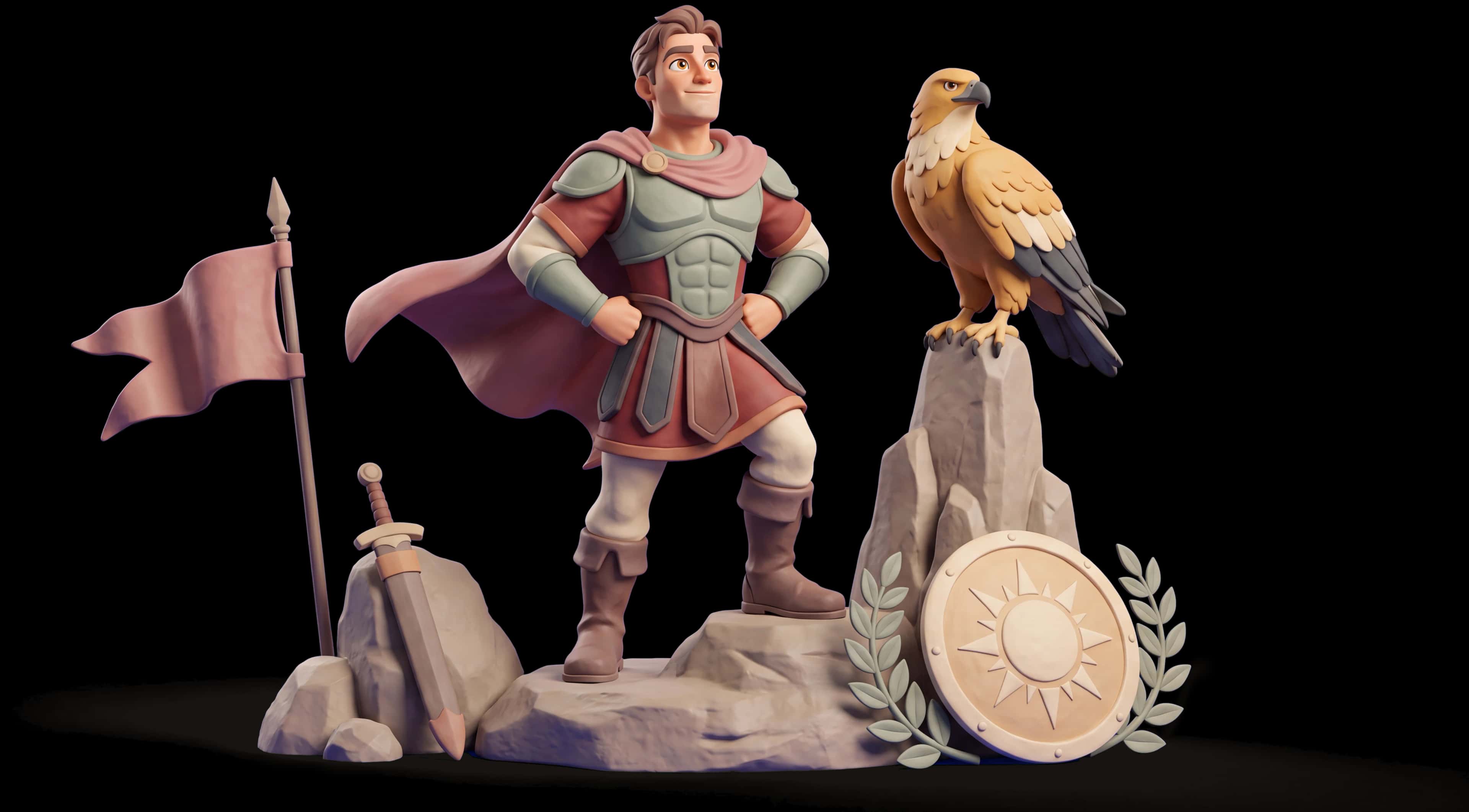
The Hero archetype represents meeting a challenge through courage, effort and persistence.
What the Hero archetype means
In the Rare Personas collection, the Hero represents meeting a challenge through courage, effort and persistence. Read it as a symbolic pattern for reflection or character writing, rather than a fixed kind of person.
A Hero needs a meaningful challenge, but difficulty alone does not make a goal worthwhile. We distinguish courage from chasing danger, winning approval or refusing every opportunity to rest.
Hero archetype traits
- Courageous
- Driven
- Resilient
- Bold
- Inspiring
- Competitive
Strengths
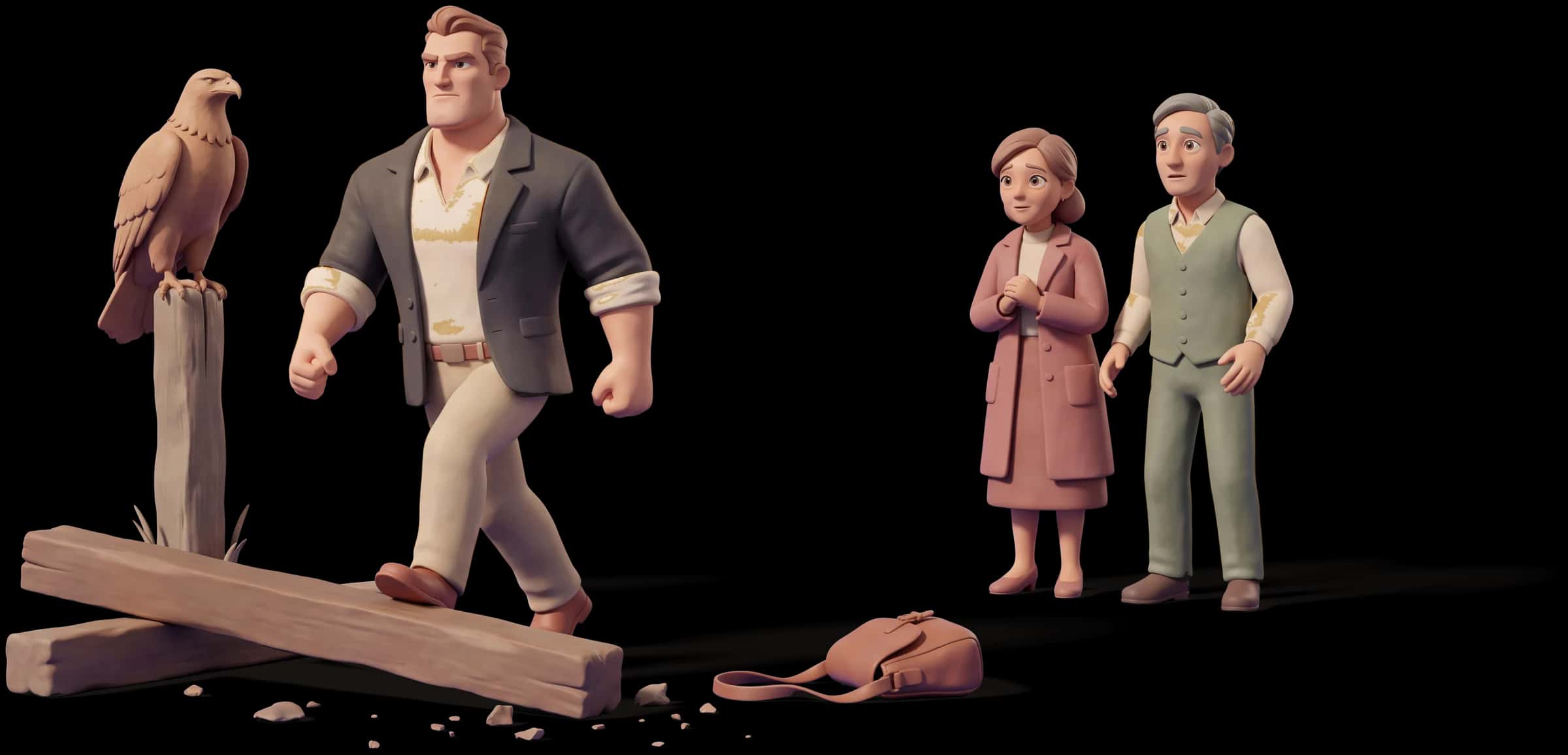
- Runs toward problems others avoid
- Turns setbacks into training
- Raises the bar for everyone around
- Acts despite fear instead of waiting for it to pass
Shadow side
- Needs a battle to feel alive, and invents one if missing
- Can chase glory instead of the actual goal
- May see rest and ordinary life as defeat
- Wins can pile up while meaning quietly drains away
Questions for exploring the Hero
- What draws you toward meeting a challenge through courage, effort and persistence?
- When has this approach helped you, and when has a different approach worked better?
- What would you notice if a different interpretation of the same situation were true?
These questions invite reflection; they are not diagnostic criteria. Look for an example that does not fit as well as one that does.
The Hero as a man
The male illustration is one way to picture this role. The theme of meeting a challenge through courage, effort and persistence is available to anyone. The image and label do not prescribe how a woman or man should behave.
The Hero archetype in relationships
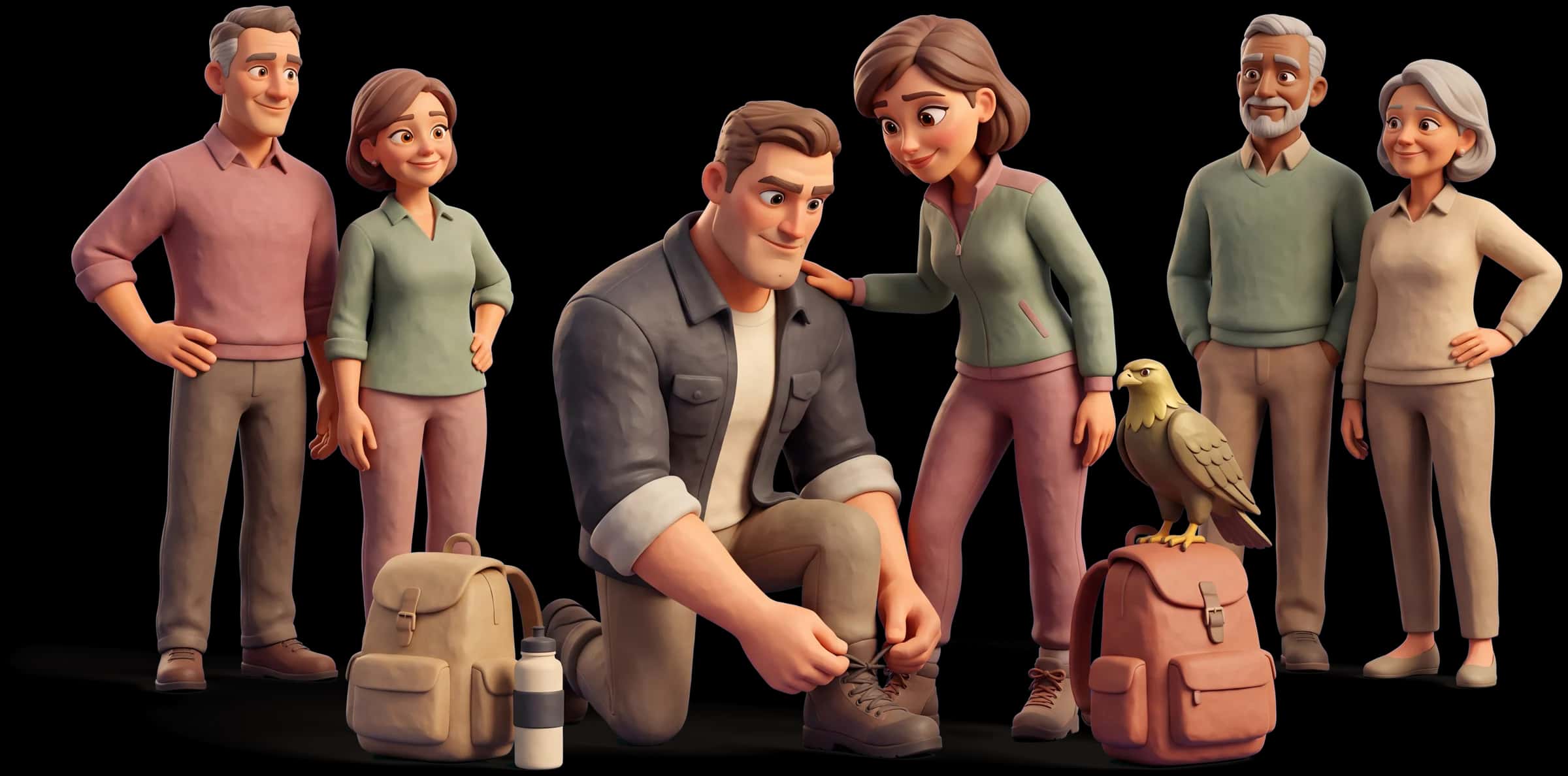
Reliability can look like showing up for a difficult conversation. It need not mean solving a partner’s problem without asking. Leave room for the other person to choose their own response.
The Hero in everyday life and at work
A Hero choice in practice
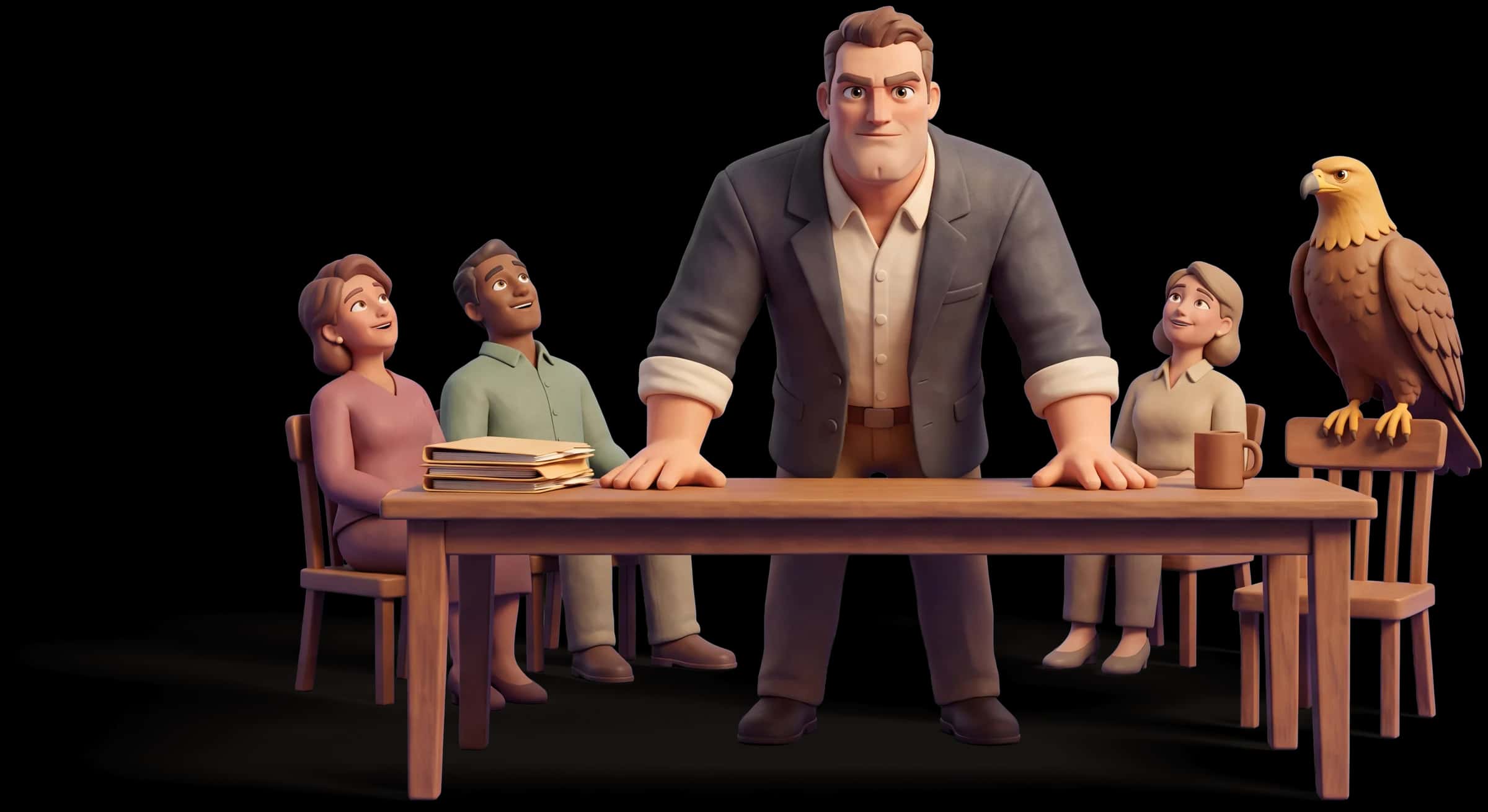
A project is failing and you volunteer to handle the hardest unfinished task. You break it into steps and tell the team what help you need.
Taking responsibility can move the project forward. Taking every task away from others can make the rescue depend on you and turn collaboration into a contest.
Define success in terms of the problem solved, then delegate one part and include recovery time in the plan.
Settings in which to explore this theme
- Sales and competitive targets
- Emergency and rescue services
- Athletics and coaching
- Startup and turnaround roles
- Litigation and high-stakes work
The Hero's growth path
After trying it, describe what happened without using an archetype label. Keep the practice if it helps; change it if it does not. A different choice does not mean you have passed or failed a personality test.
Where the Hero archetype comes from
Hero is both a broad narrative term and a label in later archetype frameworks. This profile focuses on the motivation to meet a challenge; it does not equate every protagonist with a Hero or treat a story structure as a personality assessment.
Hero archetype examples
Illustrative comparisons, not assessed personality types. Fictional characters can fit several readings, and public figures are shown for their public work or image rather than claims about their private lives.
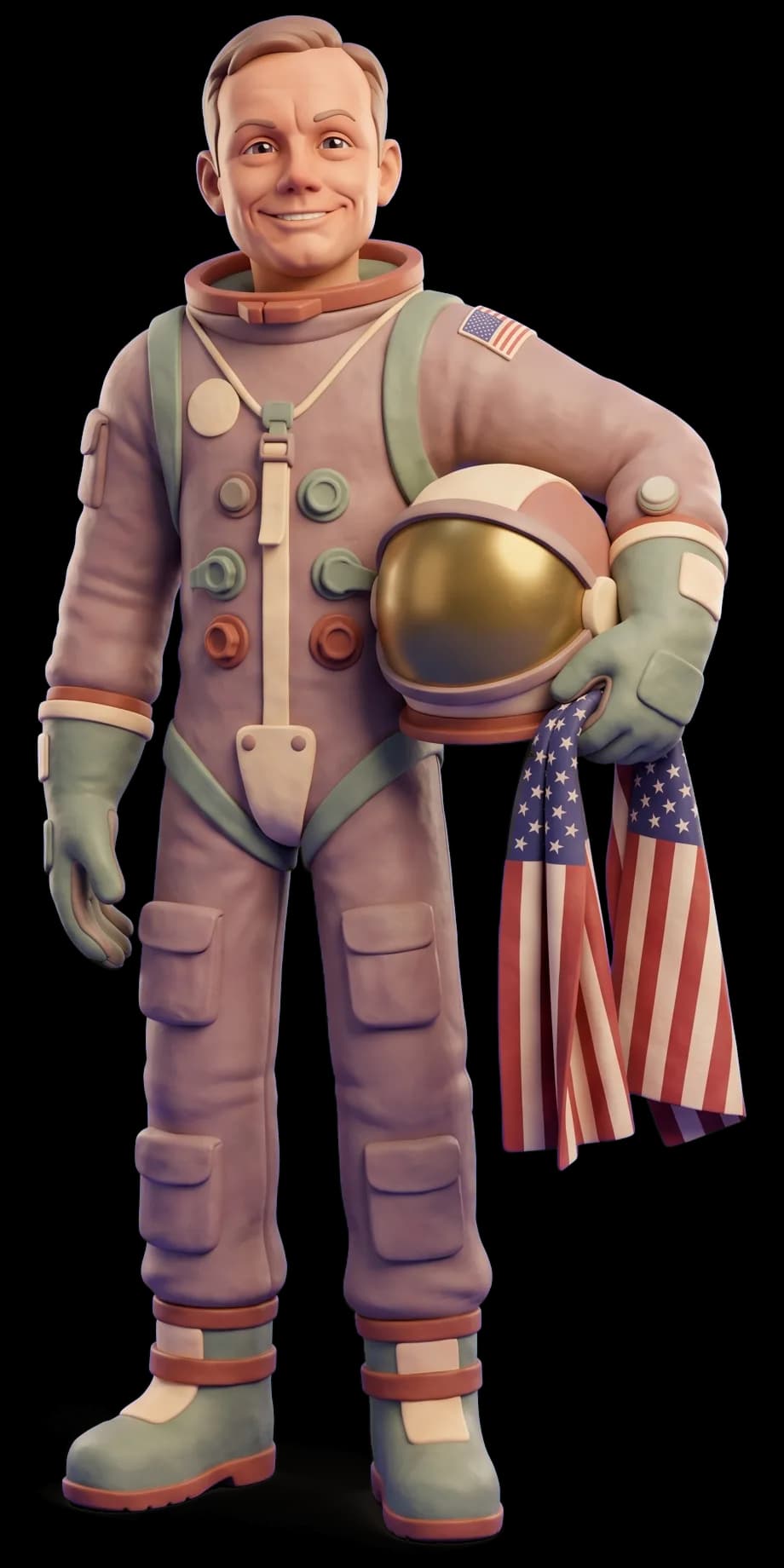
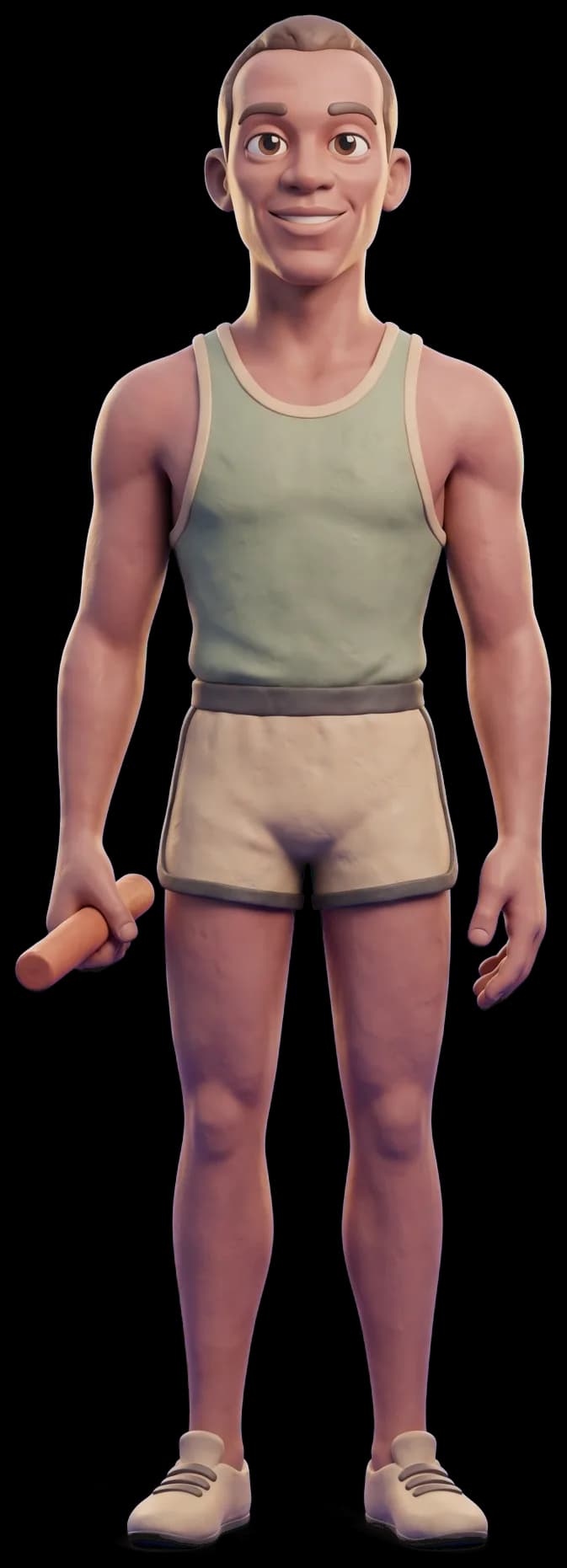
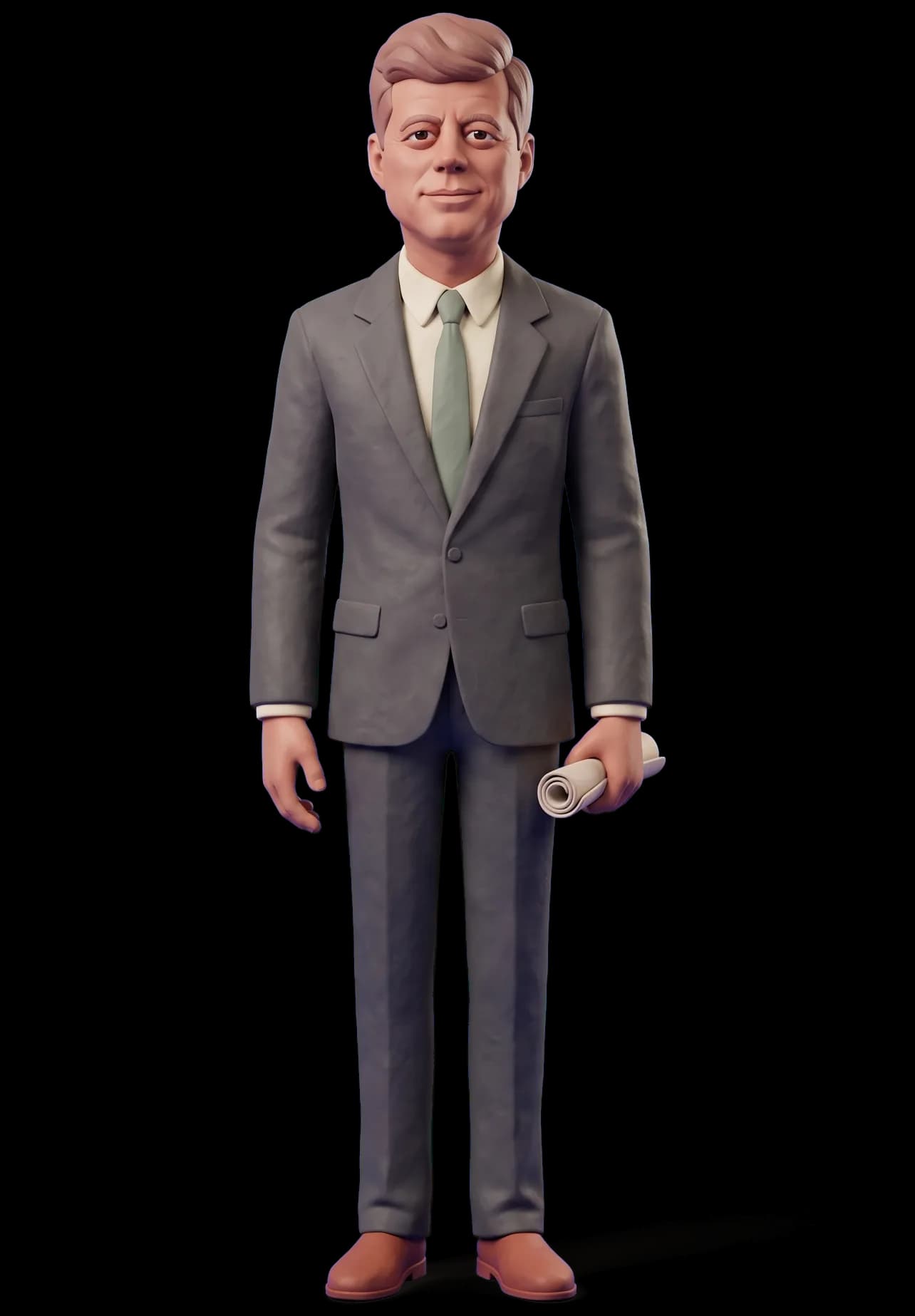
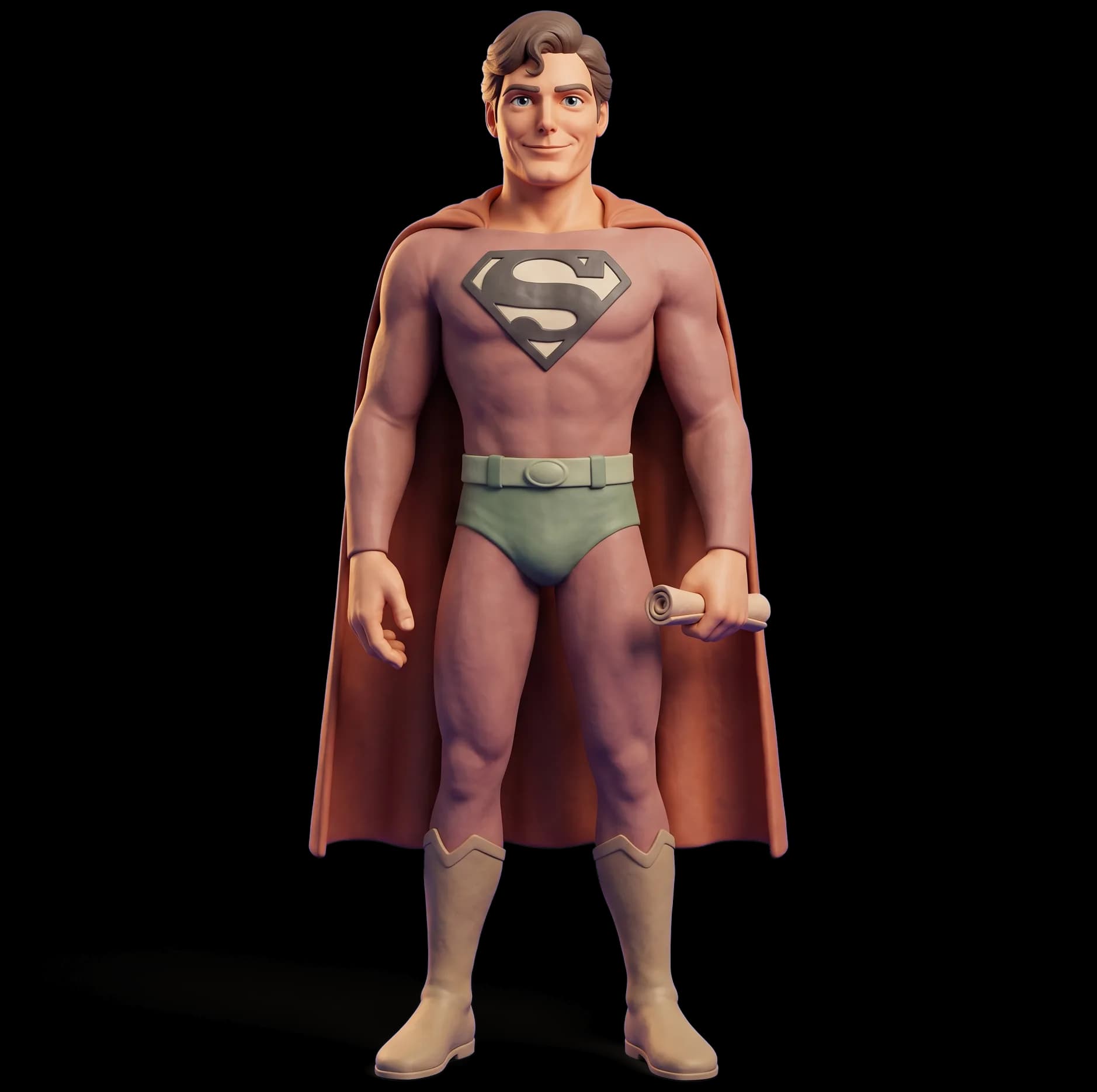
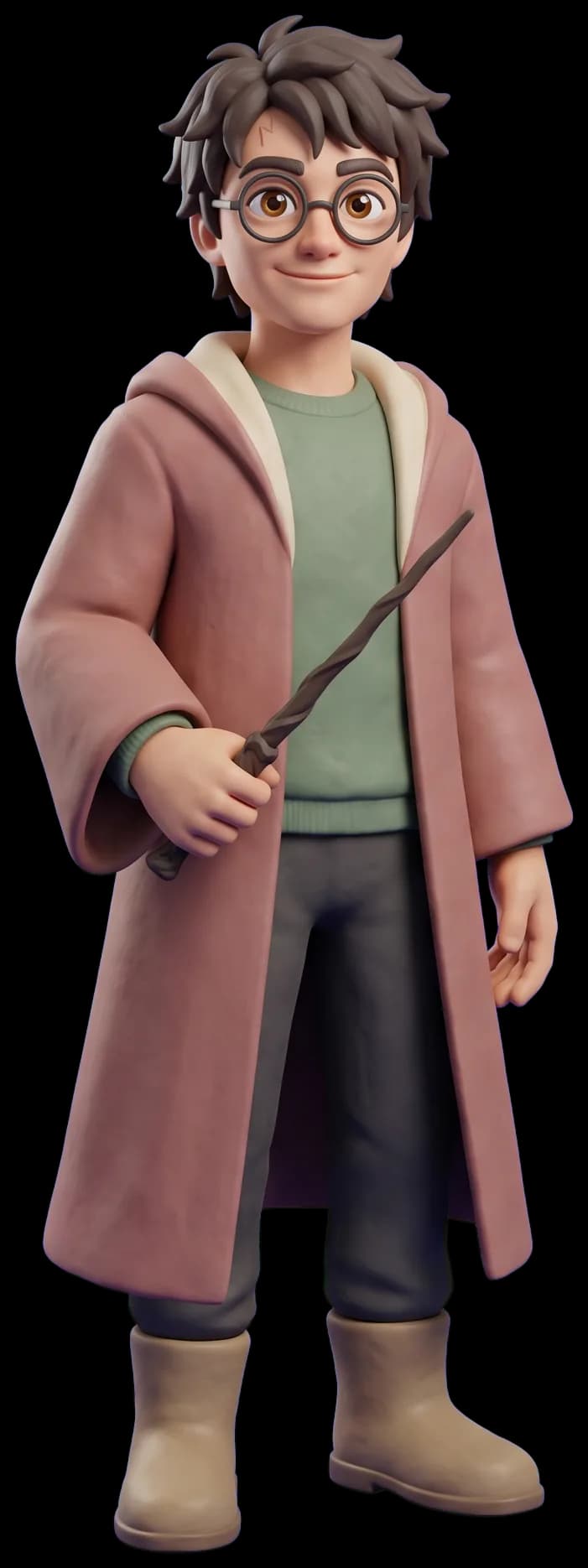
Harry Potter provides a Hero reading when the focus is his response to difficult choices and threats to others. Simply being the central character is not enough: the useful evidence is what he chooses when acting has a cost. A Hero scene can also involve asking for help, so solitary victory is not a requirement of the pattern.
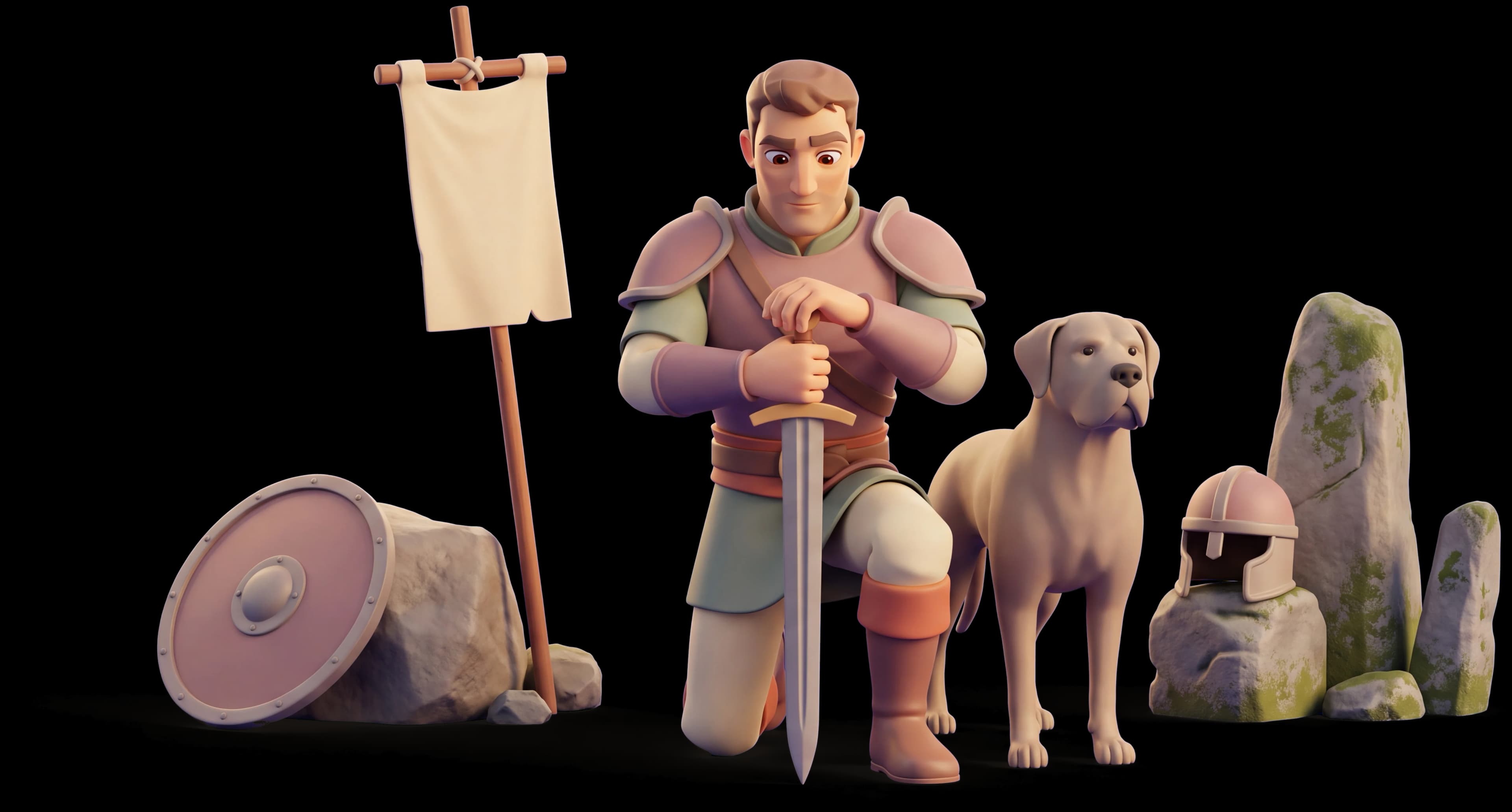
The Hero vs. The Warrior
In our collection, the Hero emphasizes meeting a challenge through courage, effort and persistence; The Warrior emphasizes sustaining a commitment through discipline, boundaries and purposeful action. The same action can fit both descriptions. Compare what the person is trying to achieve and what they are prepared to give up, rather than judging by the action alone. Read about The Warrior
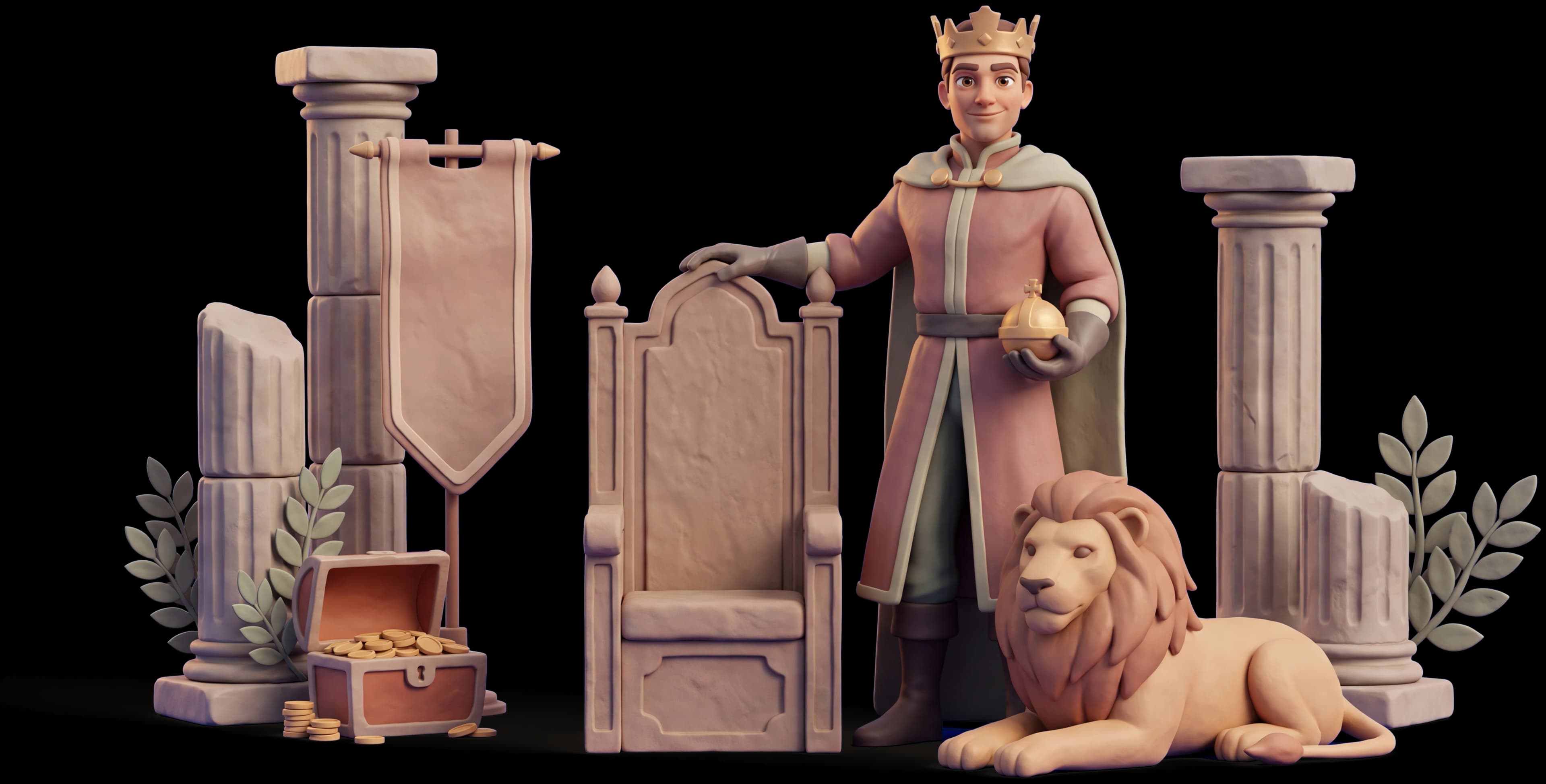
The Hero vs. The King
In our collection, the Hero emphasizes meeting a challenge through courage, effort and persistence; The King emphasizes using authority to create stability and support the people entrusted to you. The same action can fit both descriptions. Compare what the person is trying to achieve and what they are prepared to give up, rather than judging by the action alone. Read about The King
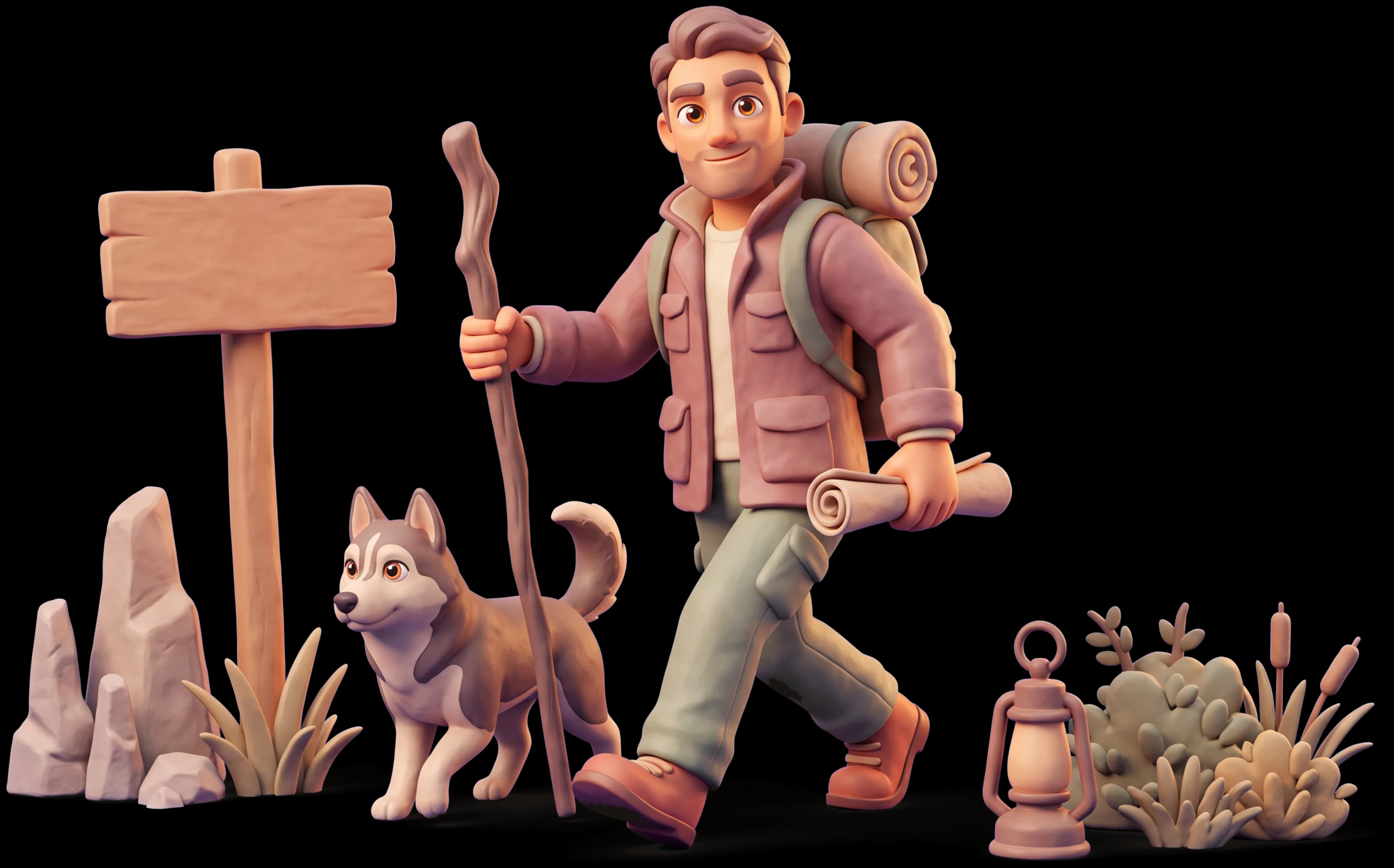
Also related: The Explorer
The Explorer archetype represents learning through independence, discovery and unfamiliar possibilities.
Sources and interpretation
- Carol S. Pearson: the twelve-archetype system
The author explains her own model’s development. Our labels and quiz are a separate interpretation.
Published by Rare Personas. Our explanations and illustrative exercises are interpretations; the references support the specific background described above. Read about our approach and content responsibility. To suggest a correction, send the passage and page URL through our contact page.
Is the Hero your archetype?
Explore your answers with the archetype quiz. Your leading match and a short description are free; the full report is optional and paid.