
The Creator Archetype
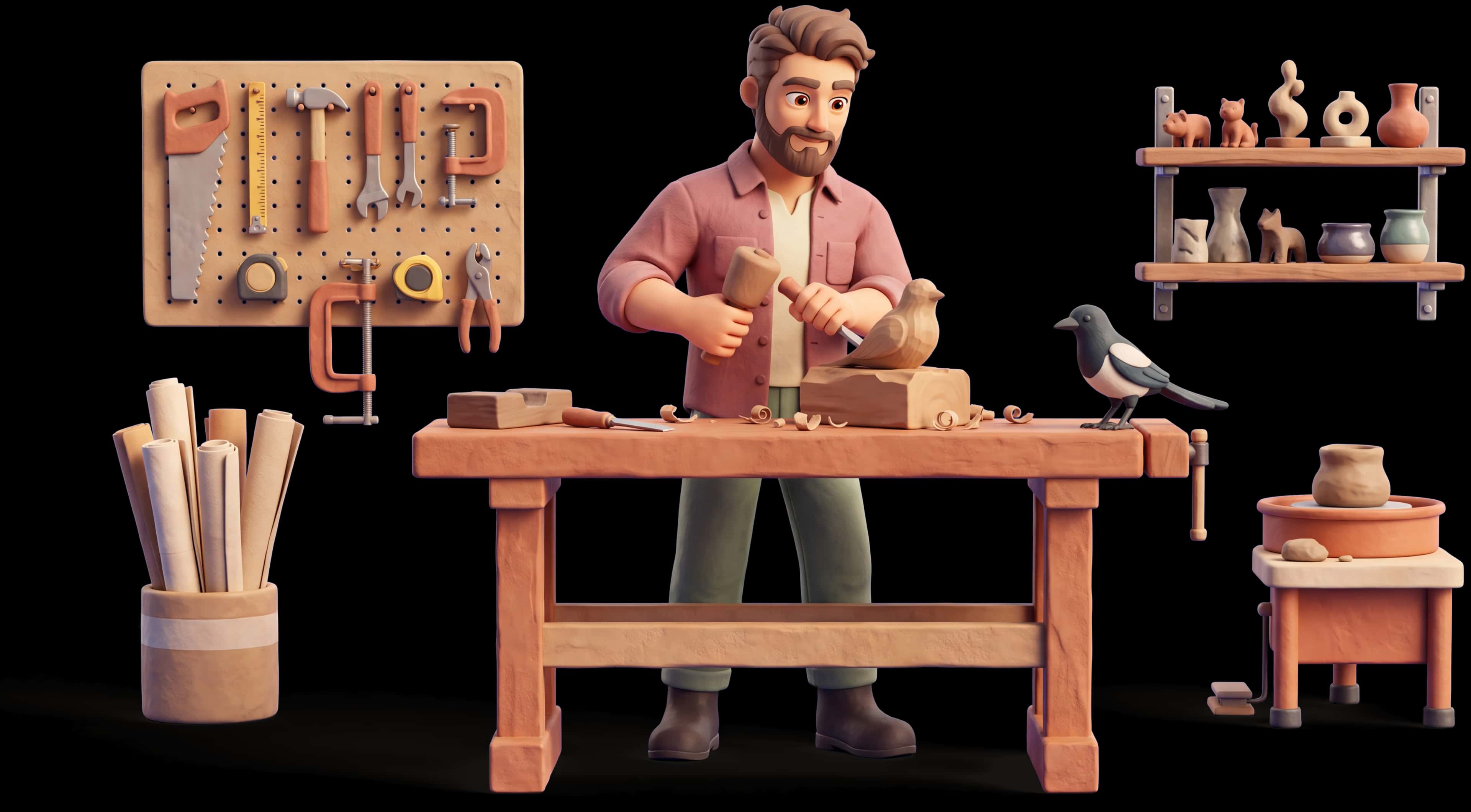
The Creator archetype represents giving an idea a form through making, experimenting and revising.
What the Creator archetype means
In the Rare Personas collection, the Creator represents giving an idea a form through making, experimenting and revising. Read it as a symbolic pattern for reflection or character writing, rather than a fixed kind of person.
The Creator is defined here by the process of making, not by being a professional artist or having exceptional talent. Repairing a tool or designing a useful routine can express the same theme.
Creator archetype traits
- Inventive
- Focused
- Skilled
- Persistent
- Original
- Exacting
Strengths
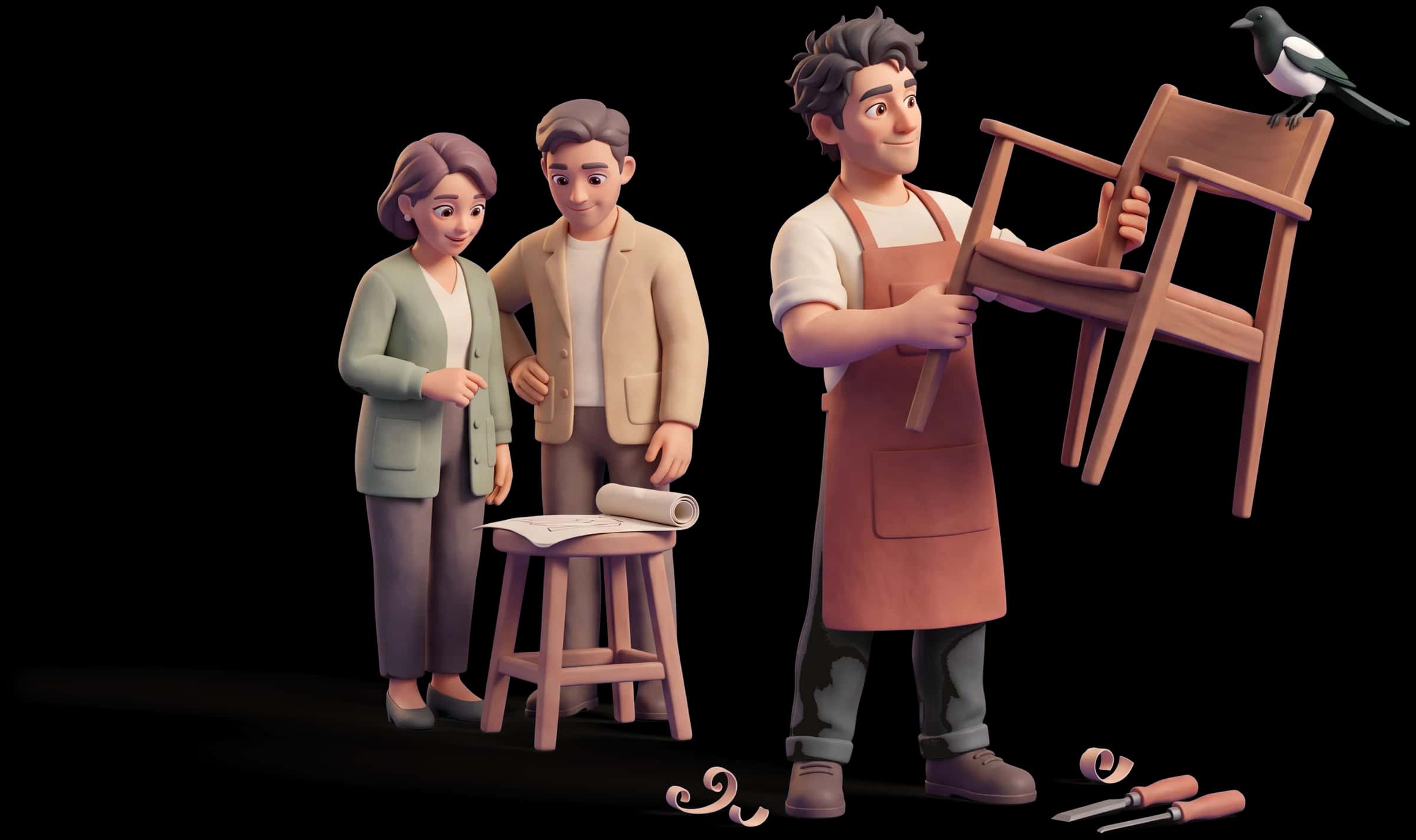
- Turns vague ideas into real, working things
- Makes time for focused practice
- Standards that make everything near them better
- Builds identity from craft, not opinion
Shadow side
- Perfectionism can strangle finishing
- Ties self-worth to the last thing shipped
- Can vanish into the workshop and out of relationships
- Criticism of the work can land as criticism of the soul
Questions for exploring the Creator
- What draws you toward giving an idea a form through making, experimenting and revising?
- When has this approach helped you, and when has a different approach worked better?
- What would you notice if a different interpretation of the same situation were true?
These questions invite reflection; they are not diagnostic criteria. Look for an example that does not fit as well as one that does.
The Creator as a man
The male illustration is one way to picture this role. The theme of giving an idea a form through making, experimenting and revising is available to anyone. The image and label do not prescribe how a woman or man should behave.
The Creator archetype in relationships
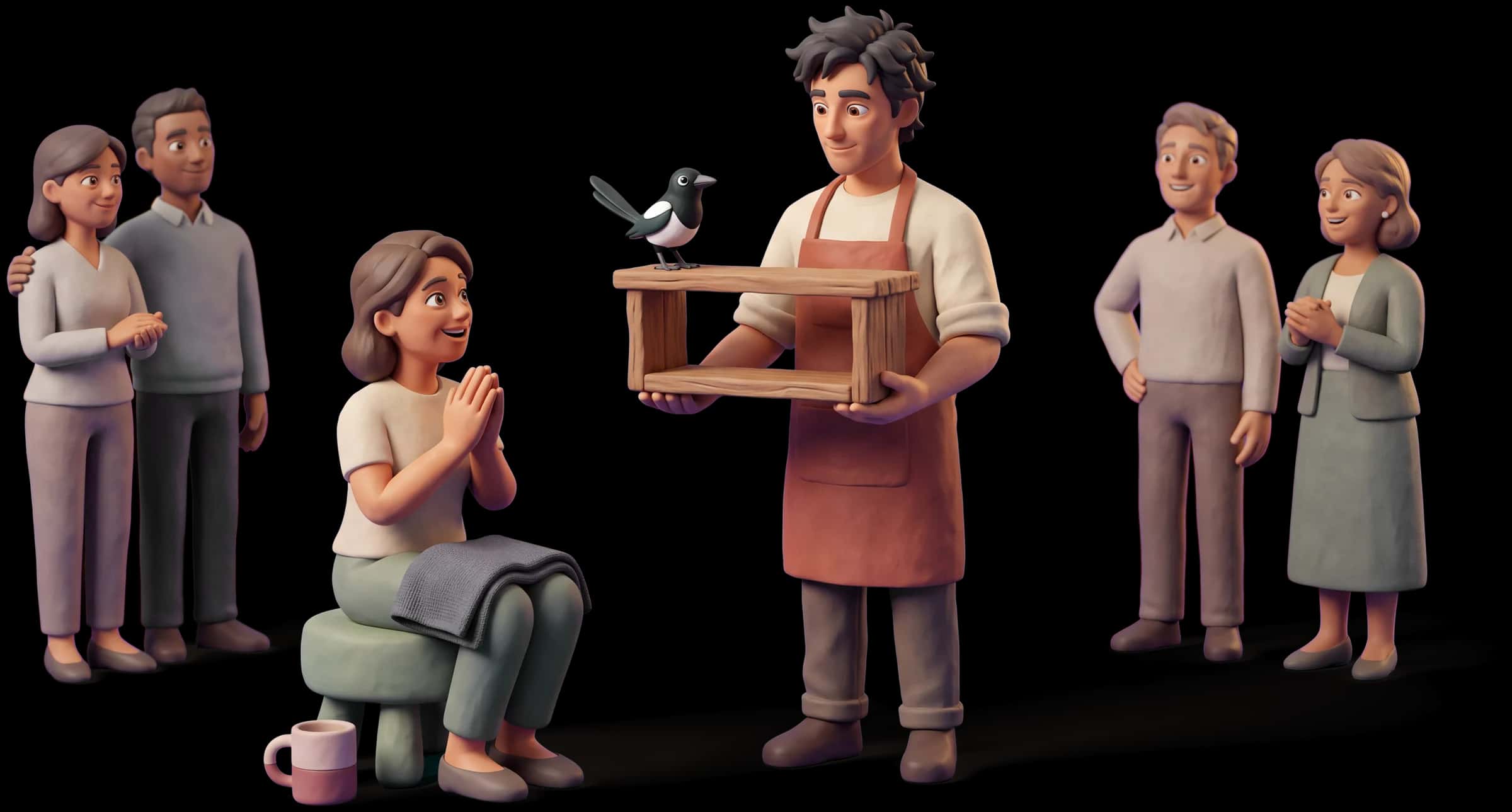
Making a gift can express affection, but the recipient may value time together more than the finished object. Ask what they would enjoy instead of treating your effort as its own answer.
The Creator in everyday life and at work

A Creator choice in practice
You sketch a rough version of an idea so someone can try it. Their feedback reveals that the part you polished most is not the part they need.
Attention to craft improves the work. Perfectionism can keep the work private so long that it never meets the people it was meant to help.
Choose the smallest version someone can use this week. Ask one concrete question about it before deciding what to refine.
Settings in which to explore this theme
- Engineering and product design
- Writing, music and art
- Architecture and trades
- Cooking and craft food
- Film, games and animation
The Creator's growth path
After trying it, describe what happened without using an archetype label. Keep the practice if it helps; change it if it does not. A different choice does not mean you have passed or failed a personality test.
Where the Creator archetype comes from
Creator is used in later archetype frameworks for the impulse to make and express. Our version focuses on turning ideas into things people can encounter. It is a reflection and writing tool, not a measure of creativity or artistic ability.
Creator archetype examples
Illustrative comparisons, not assessed personality types. Fictional characters can fit several readings, and public figures are shown for their public work or image rather than claims about their private lives.


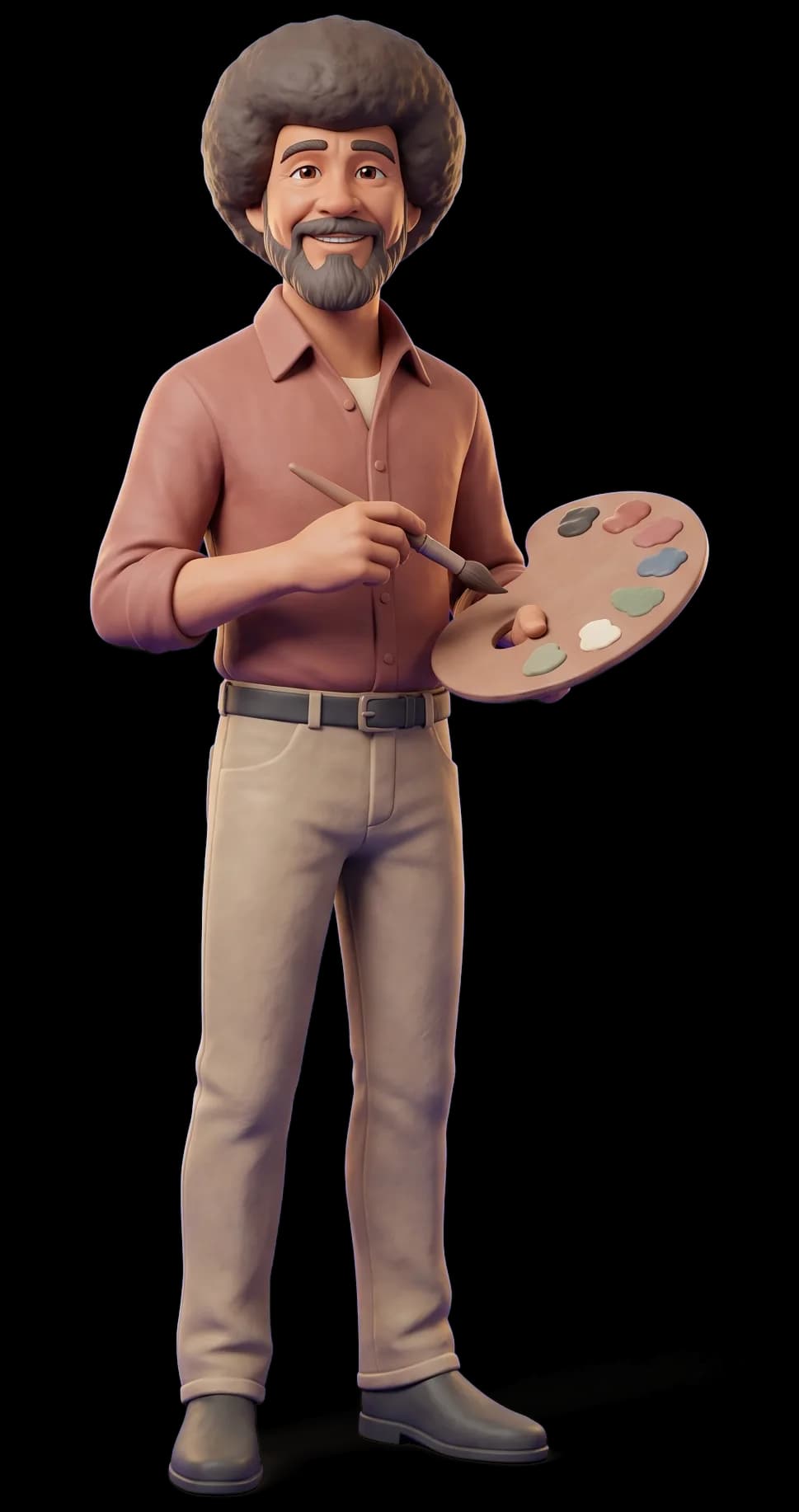
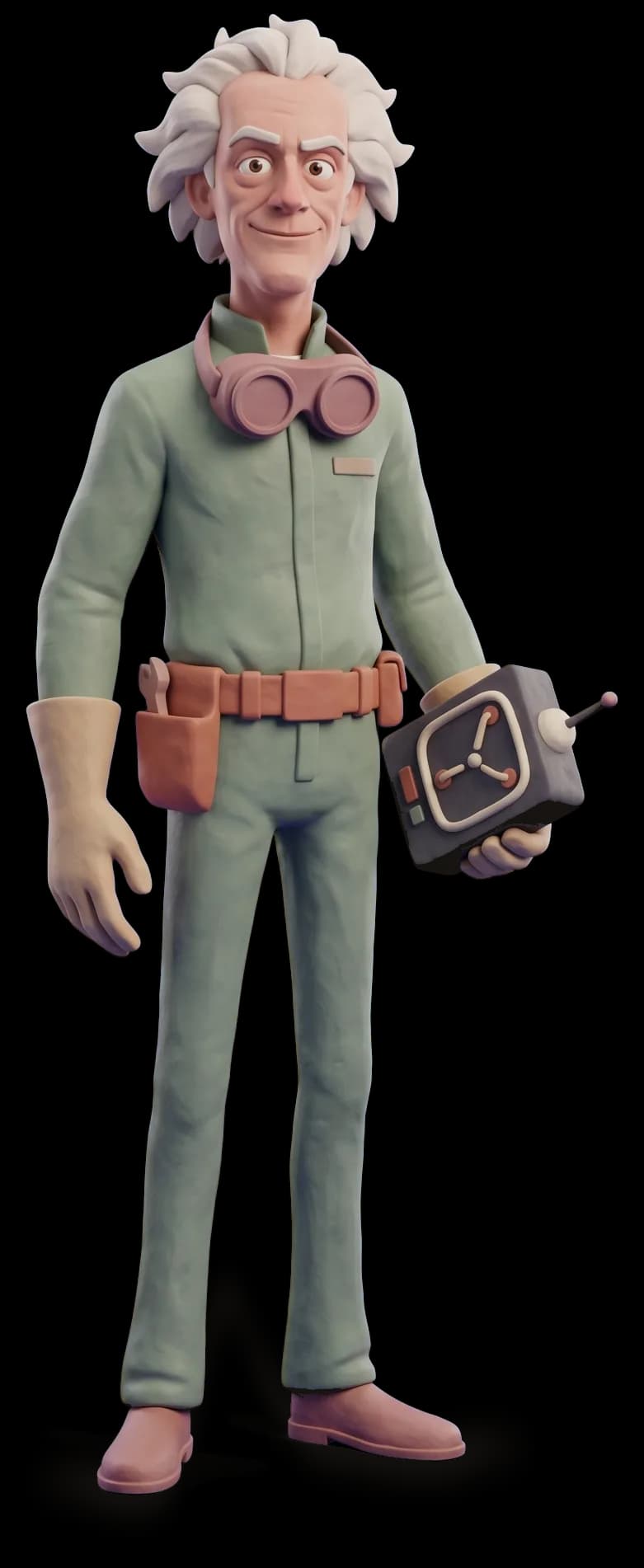
Doc Brown in Back to the Future makes invention visible as a story activity: an idea becomes a device, and the device creates consequences that require further decisions. A Creator reading follows that movement from imagination to use. The important question is what responsibility the maker takes for the result, not just how original the invention appears.
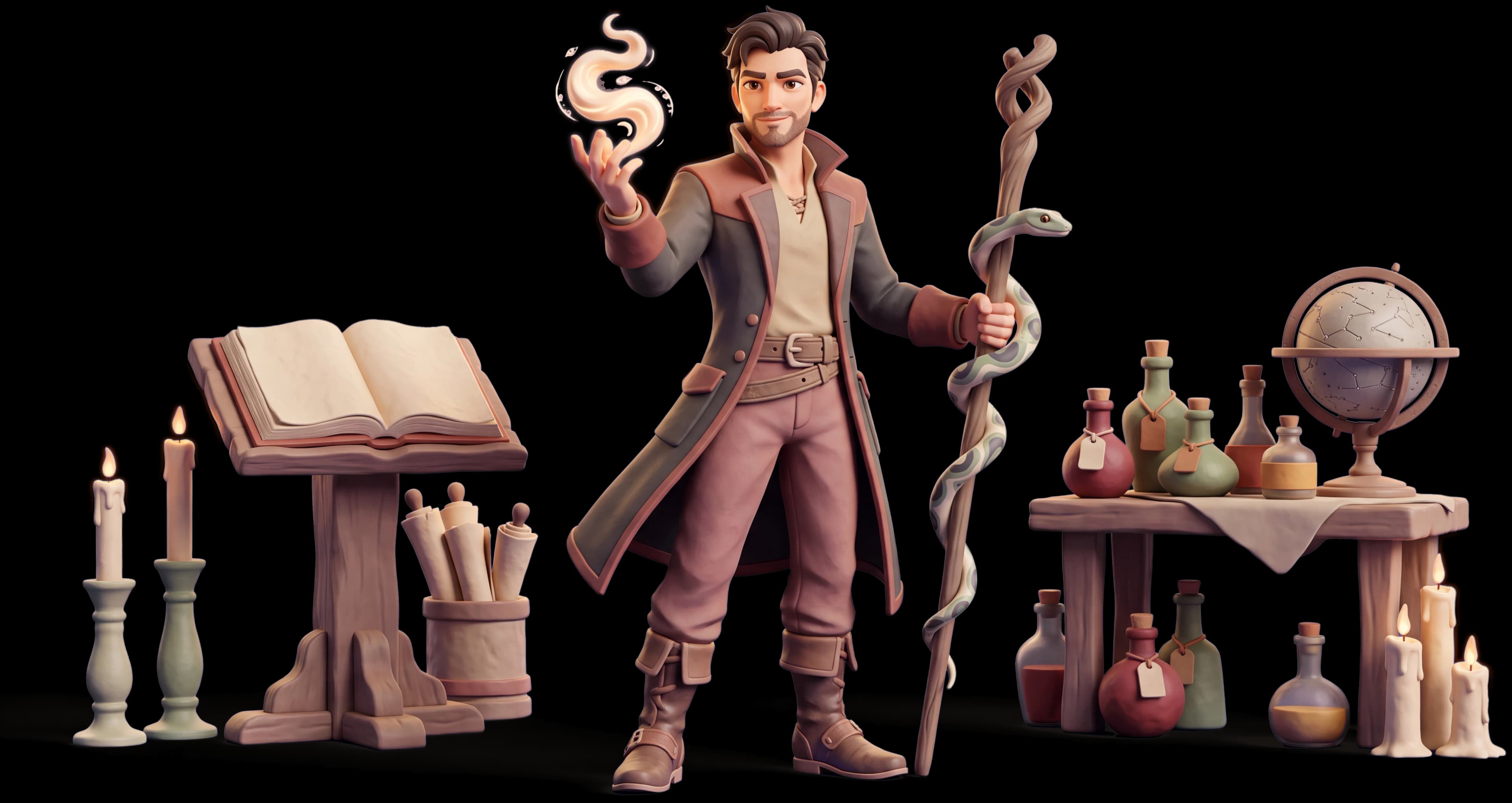
The Creator vs. The Magician
In our collection, the Creator emphasizes giving an idea a form through making, experimenting and revising; The Magician emphasizes using insight into a system to change how it works. The same action can fit both descriptions. Compare what the person is trying to achieve and what they are prepared to give up, rather than judging by the action alone. Read about The Magician
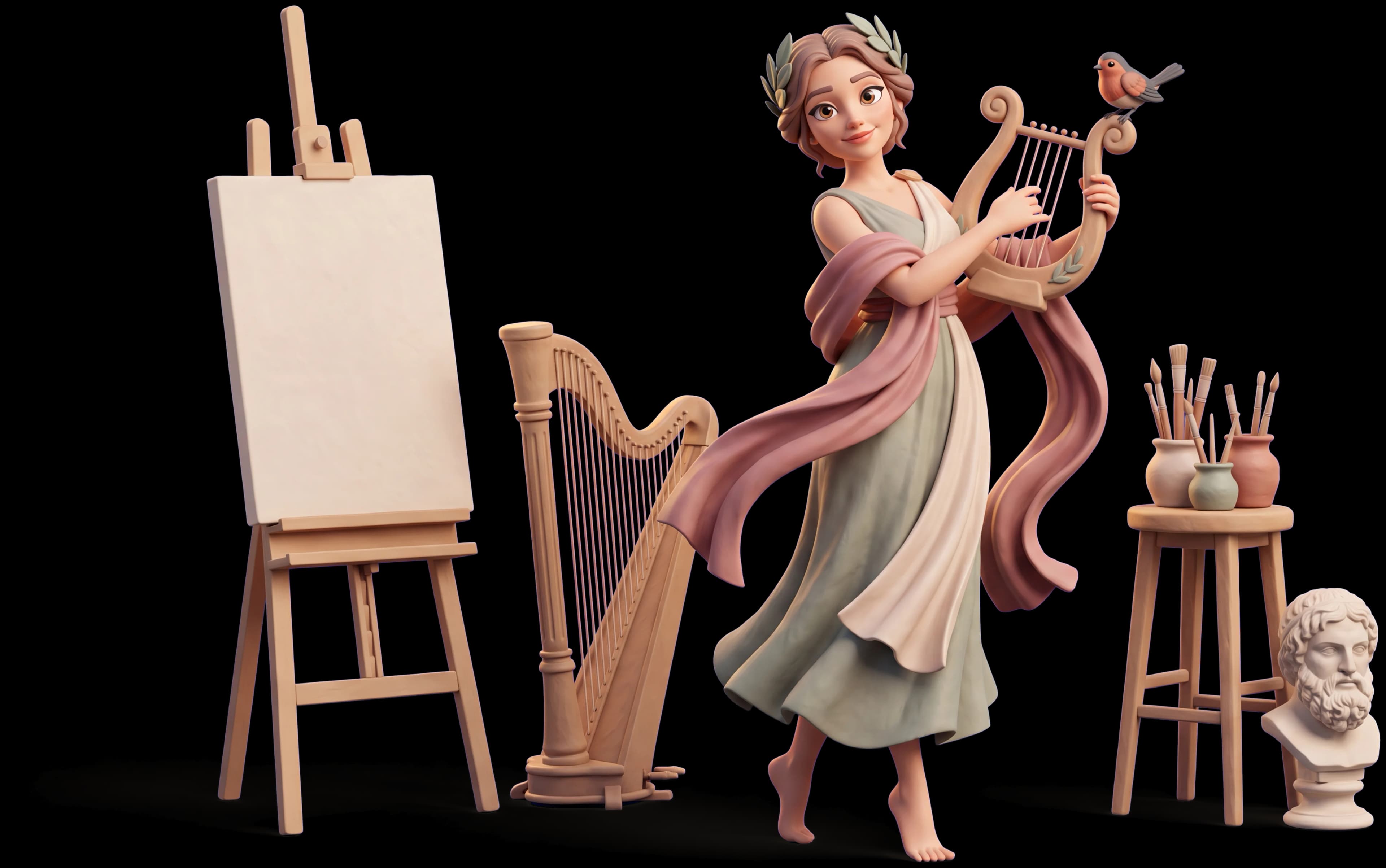
The Creator vs. The Muse
In our collection, the Creator emphasizes giving an idea a form through making, experimenting and revising; The Muse emphasizes encouraging imagination through conversation, expression and new connections. The same action can fit both descriptions. Compare what the person is trying to achieve and what they are prepared to give up, rather than judging by the action alone. Read about The Muse

Also related: The Everyman
The Everyman archetype represents belonging through equality, shared experience and everyday reliability.
Sources and interpretation
- Carol S. Pearson: the twelve-archetype system
The author explains her own model’s development. Our labels and quiz are a separate interpretation.
Published by Rare Personas. Our explanations and illustrative exercises are interpretations; the references support the specific background described above. Read about our approach and content responsibility. To suggest a correction, send the passage and page URL through our contact page.
Is the Creator your archetype?
Explore your answers with the archetype quiz. Your leading match and a short description are free; the full report is optional and paid.