
White Witch
White witch is a label some practitioners use for a practice intended to help rather than harm.

What is a white witch?
White witch is a label some practitioners use for a practice intended to help rather than harm. Our guide uses it for benevolent intention, not a claim that a person is morally pure or qualified to heal.
The color term is not a universal category and does not create a hierarchy of people or cultures. Calling an intention benevolent also does not guarantee that an action is welcome or useful to its recipient.
What a white witch practices
Ask before helping
Find out what kind of support someone wants. A ritual on their behalf should not replace listening to their stated needs.
Mark goodwill symbolically
Write a wish for someone’s wellbeing or use an ordinary object as a reminder to offer practical support. The symbol does not promise an external result.
Pair intention with action
If you want to support someone, consider a concrete offer such as time or assistance they have requested. Spiritual practice does not establish healthcare training.
The white witch's toolkit
- A written intention
- An ordinary symbolic object
- A practical offer of help
- A record of commitments
Questions for exploring this path
- Are you interested in benevolent intentions, blessing and symbolic protection?
- Which practice would you choose because it is meaningful to you, rather than because a quiz named it?
- What would you notice if a different interpretation of the same situation were true?
A simple way to explore this path
You want to support a friend facing a difficult week. You ask what would help, then offer one specific task you can actually do.
A kind intention becomes more useful when checked against the person’s wishes. Calling it a blessing does not tell you whether they want it.
How will you know whether the help is welcome, rather than simply well meant?
Illustrative figures in stories and history
These figures are illustrative comparisons from fiction, mythology or documented history. Most were not described using these modern path labels in their original sources; similarities do not establish a lineage or prove magical abilities.




Glinda: A benevolent magical figure in Oz stories. Adaptations differ, and kindness in fiction does not establish a real-world system of white witchcraft.
The Fairy Godmother: A helper figure in Cinderella retellings. The comparison is about assistance, not a claim that fairies and witches are interchangeable traditions.
Gandalf the White: A wizard in Tolkien’s fiction whose protective role makes a useful benevolent comparison. White in his title should not be treated as a modern practice label.
La Befana: A gift-giving figure in Italian folklore. The analogy concerns helpful intention while preserving the story’s own cultural context.

White Witch vs. Gray Witch
Our White Witch guide focuses on benevolent intentions, blessing and symbolic protection; the Gray Witch guide focuses on ethical ambiguity, protective intentions and reflection on consequences. The labels describe different interests or ways of practicing, so one person may use both. They are not exclusive personality types. Read about the Gray Witch
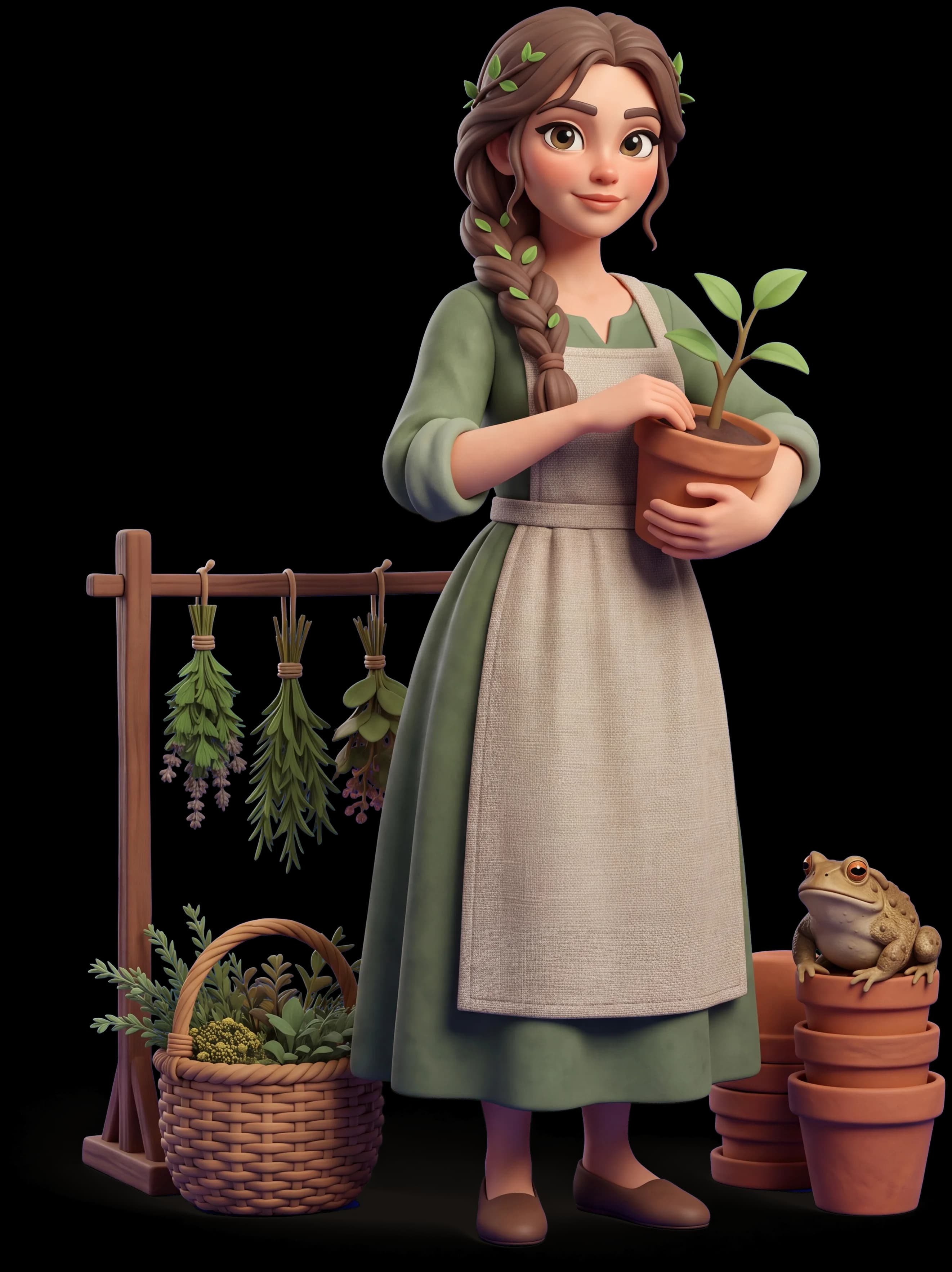
White Witch vs. Green Witch
Our White Witch guide focuses on benevolent intentions, blessing and symbolic protection; the Green Witch guide focuses on plants, local nature and seasonal observation. The labels describe different interests or ways of practicing, so one person may use both. They are not exclusive personality types. Read about the Green Witch
Got questions?
Does white witch mean a healer?
Some people use healing language spiritually, but the label does not establish medical training or that a treatment works. This guide uses it for benevolent intentions and symbolic practices.
Is a white witch more ethical than other witches?
The label alone cannot establish that. Evaluate actual choices, consent and consequences rather than a color or self-description.
Can white witchcraft include boundaries?
Yes. Declining a request or protecting your privacy can be consistent with care. A boundary does not require an attempt to influence or punish someone else.
Sources and interpretation
- Arin Murphy-Hiscock: books and approaches to practice
A contemporary practitioner’s books provide examples of nature, household and solitary practice. They are background reading, not the source of a universally agreed twelve-path system.
Published by Rare Personas. Our explanations and illustrative exercises are interpretations; the references support the specific background described above. Read about our approach and content responsibility. To suggest a correction, send the passage and page URL through our contact page.
Is the White Witch your path?
Explore your interests with the witch quiz. Your leading match and a short description are free; the full report is optional and paid.