
Gray Witch
Gray witch, also spelled grey witch, is a variable label for a practice that discusses ethical choices beyond a simple helpful-versus-harmful division.
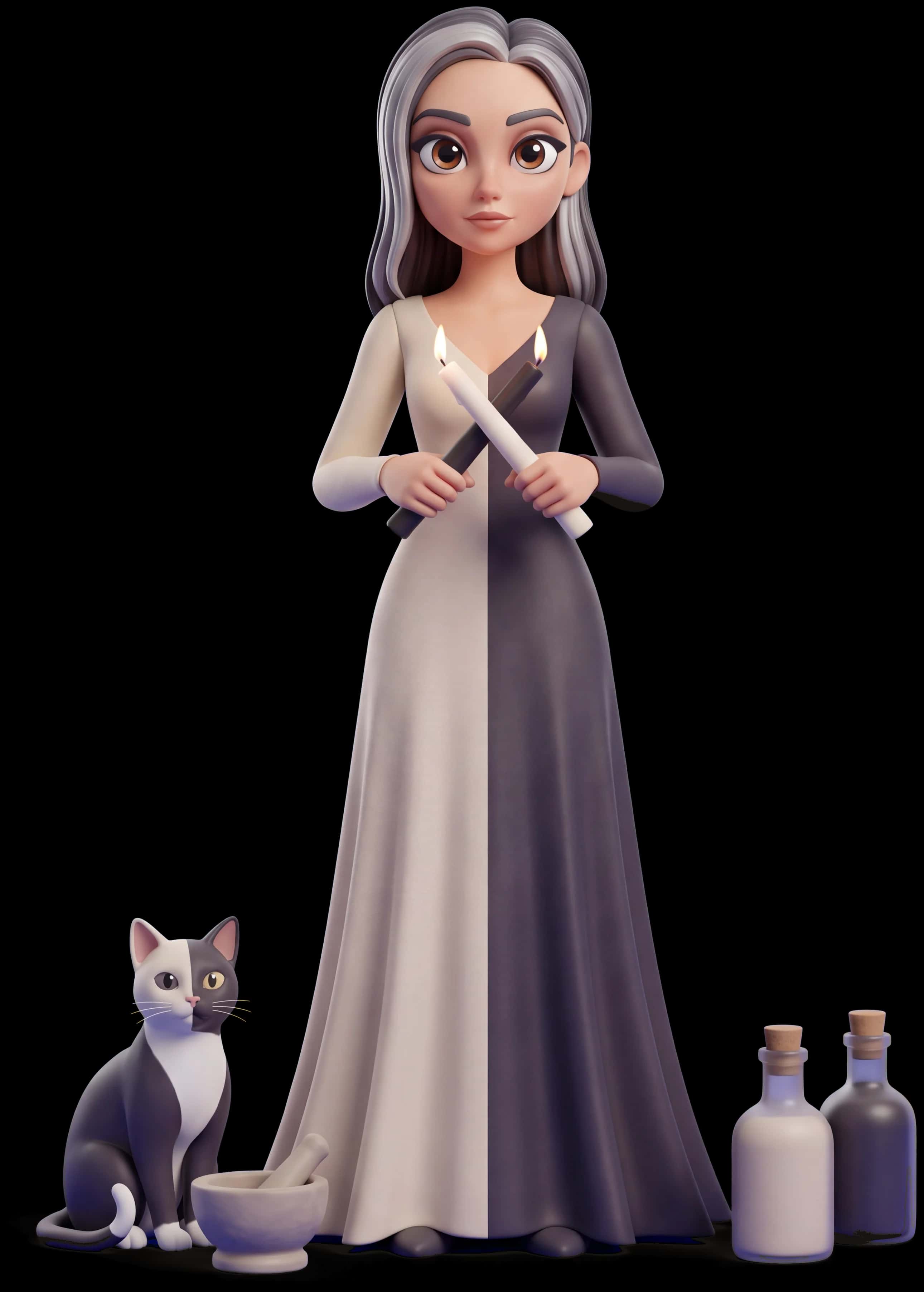
What is a gray witch?
Gray witch, also spelled grey witch, is a variable label for a practice that discusses ethical choices beyond a simple helpful-versus-harmful division. This guide uses it as a prompt for examining motives and consequences, not as permission to harm someone.
Different practitioners set different limits, so the label does not reliably tell you what a person does. Protection, retaliation and control are different aims; naming the aim plainly is more useful than relying on a color.
What a gray witch practices
Name the intended outcome
Write what you want to change in ordinary language. Separate setting your own boundary from trying to control another person.
Consider consequences
Ask who could be affected, including someone who has not agreed to participate. A ritual intention does not make a harmful real-world action harmless.
Choose a personal symbolic action
A private journal entry or a discarded draft can mark a decision. It need not target another person or claim to influence them remotely.
The gray witch's toolkit
- A private journal
- A values checklist
- A plain-language description of the outcome
- Time to reconsider
Questions for exploring this path
- Are you interested in ethical ambiguity, protective intentions and reflection on consequences?
- Which practice would you choose because it is meaningful to you, rather than because a quiz named it?
- What would you notice if a different interpretation of the same situation were true?
A simple way to explore this path
After a conflict, you write an angry letter that you do not send. You use it to identify a boundary you can communicate calmly.
The exercise changes how you prepare a conversation. It does not prove that you have sent energy to someone or justify retaliation.
Which part of the outcome is yours to choose, and which part belongs to another person?
Illustrative figures in stories and history
These figures are illustrative comparisons from fiction, mythology or documented history. Most were not described using these modern path labels in their original sources; similarities do not establish a lineage or prove magical abilities.
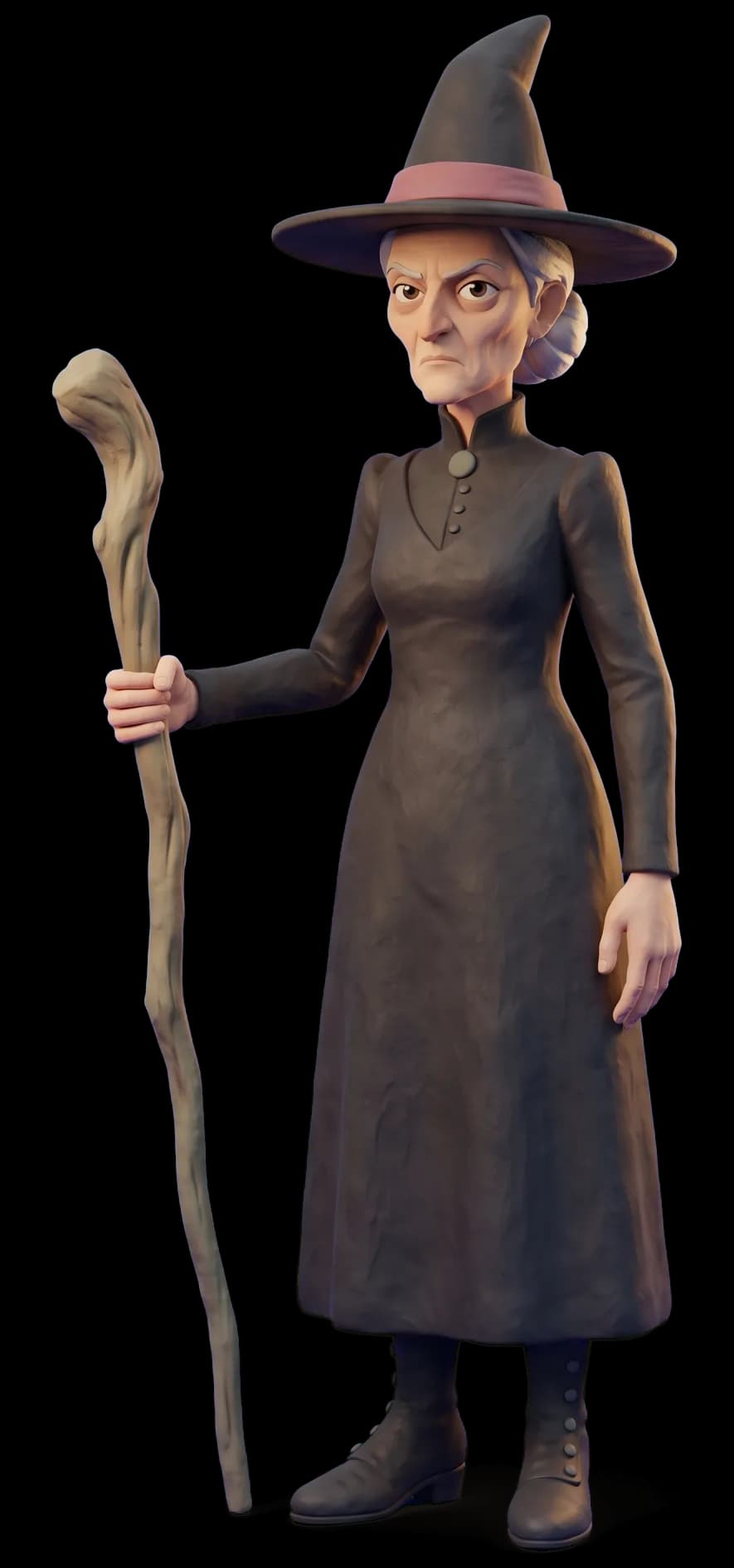

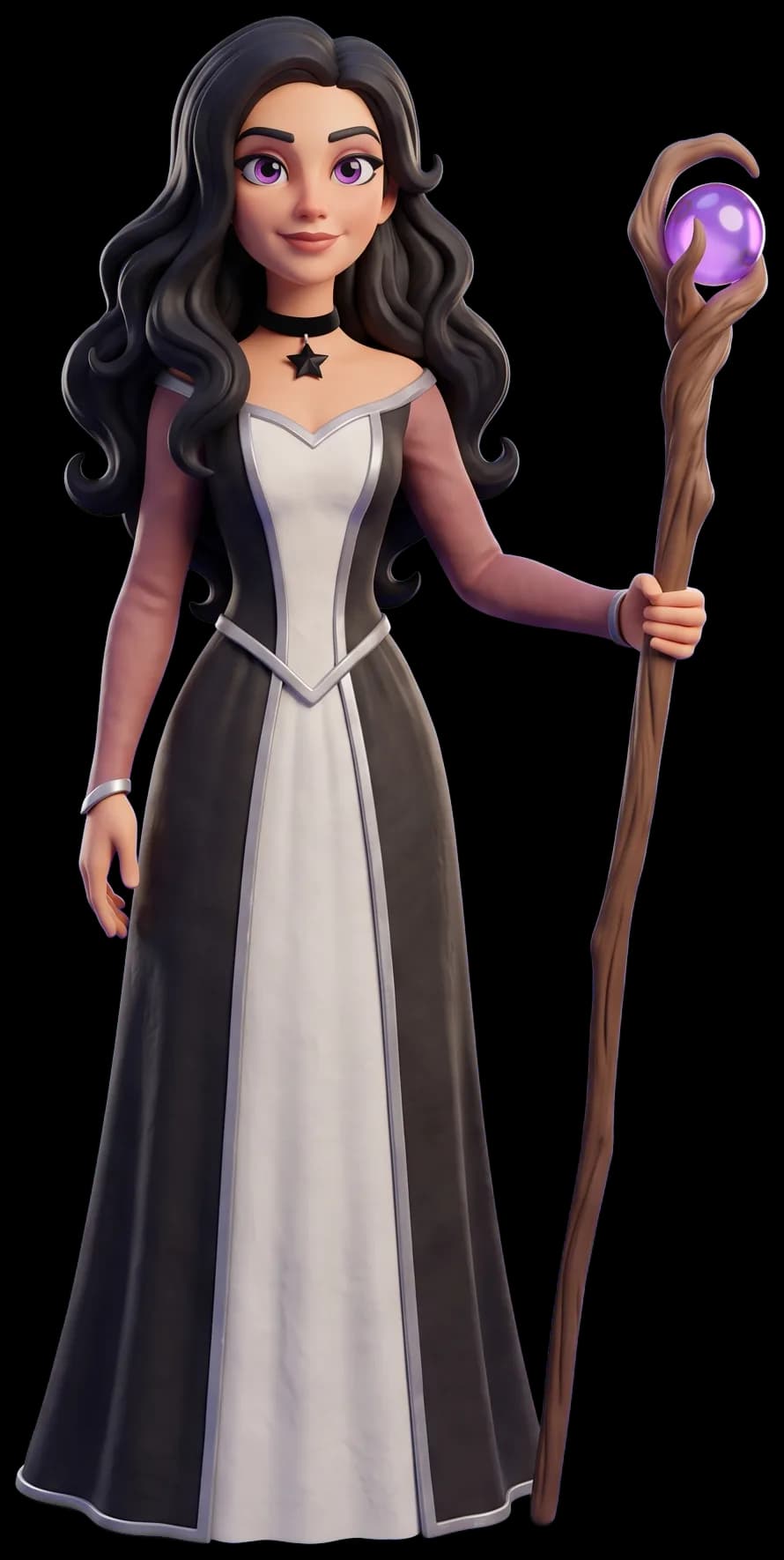


Granny Weatherwax: Discworld uses her choices to explore power and restraint. Those ethical tensions make a more useful comparison than assigning her a fixed color label.
Maleficent: The 2014 film gives the character a different moral context from the animated Sleeping Beauty. The comparison depends on that retelling.
Yennefer of Vengerberg: The Witcher presents conflicting loyalties and difficult choices around power. Our gray label is one way to discuss those tensions.
Severus Snape: Competing interpretations of his actions make him a useful example for discussing motives and consequences without reducing them to one label.
Medea: A figure whose actions in Greek myth raise difficult ethical questions. Our comparison does not make her the origin of a modern gray-witch category.
Gray Witch vs. White Witch
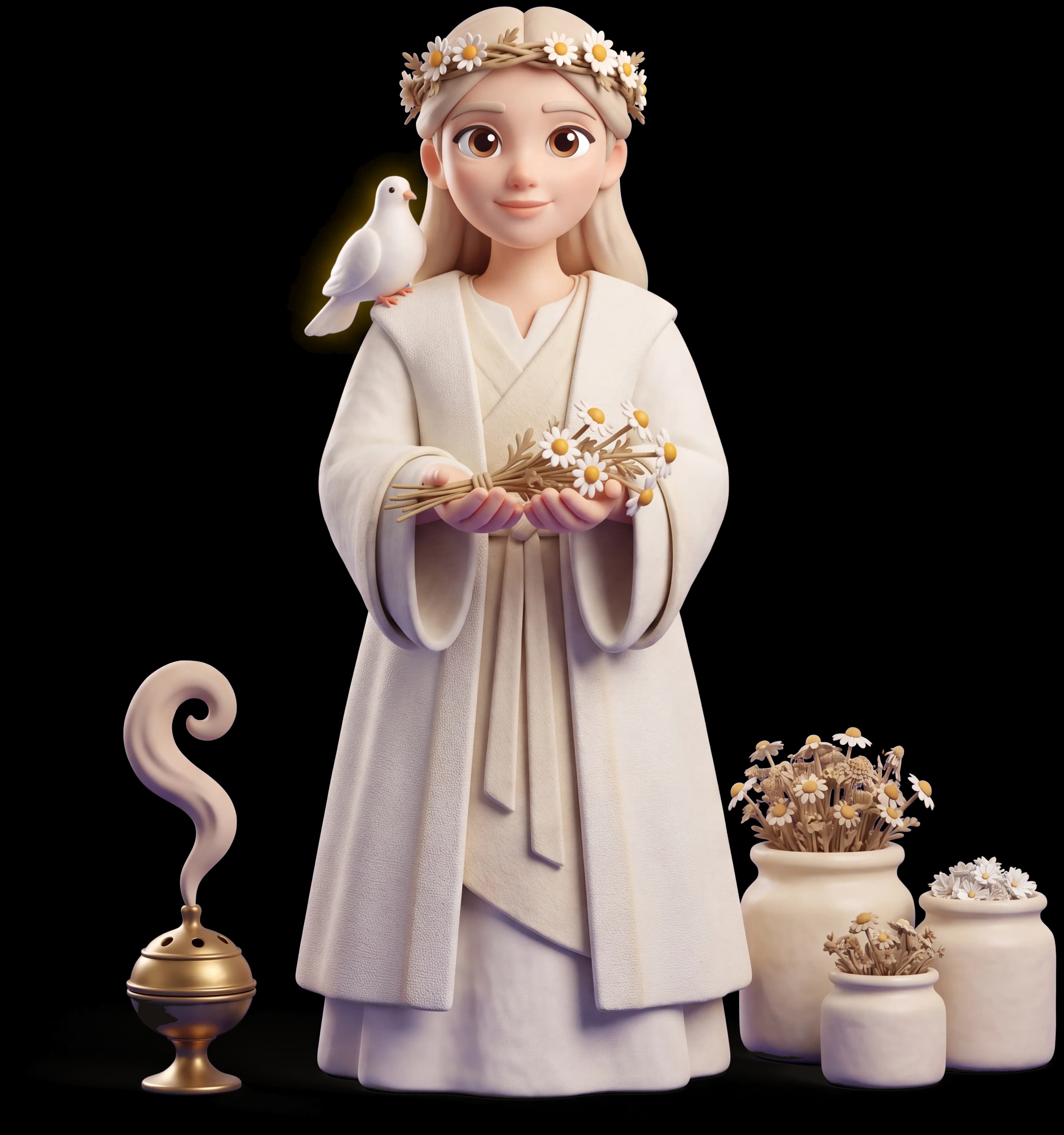
Our Gray Witch guide focuses on ethical ambiguity, protective intentions and reflection on consequences; the White Witch guide focuses on benevolent intentions, blessing and symbolic protection. The labels describe different interests or ways of practicing, so one person may use both. They are not exclusive personality types. Read about the White Witch
Gray Witch vs. Solitary Witch
Our Gray Witch guide focuses on ethical ambiguity, protective intentions and reflection on consequences; the Solitary Witch guide focuses on a practice carried out mainly alone and organized independently. The labels describe different interests or ways of practicing, so one person may use both. They are not exclusive personality types. Read about the Solitary Witch
Got questions?
Does gray witchcraft mean cursing people?
Not necessarily. Usage varies, and some people discuss baneful practices under the label while others emphasize ethical complexity. This guide focuses on personal reflection and boundaries.
Is gray witch the opposite of white witch?
Not in a universally agreed system. In our collection, white emphasizes benevolent intention and gray emphasizes examining difficult ethical choices. Neither label proves someone’s character.
How should I judge whether a practice is justified?
Describe the intended action and its consequences without magical language. Consider consent, practical harm and alternatives. A category name cannot make that decision for you.
Sources and interpretation
- Arin Murphy-Hiscock: books and approaches to practice
A contemporary practitioner’s books provide examples of nature, household and solitary practice. They are background reading, not the source of a universally agreed twelve-path system.
Published by Rare Personas. Our explanations and illustrative exercises are interpretations; the references support the specific background described above. Read about our approach and content responsibility. To suggest a correction, send the passage and page URL through our contact page.
Is the Gray Witch your path?
Explore your interests with the witch quiz. Your leading match and a short description are free; the full report is optional and paid.