
Solitary Witch
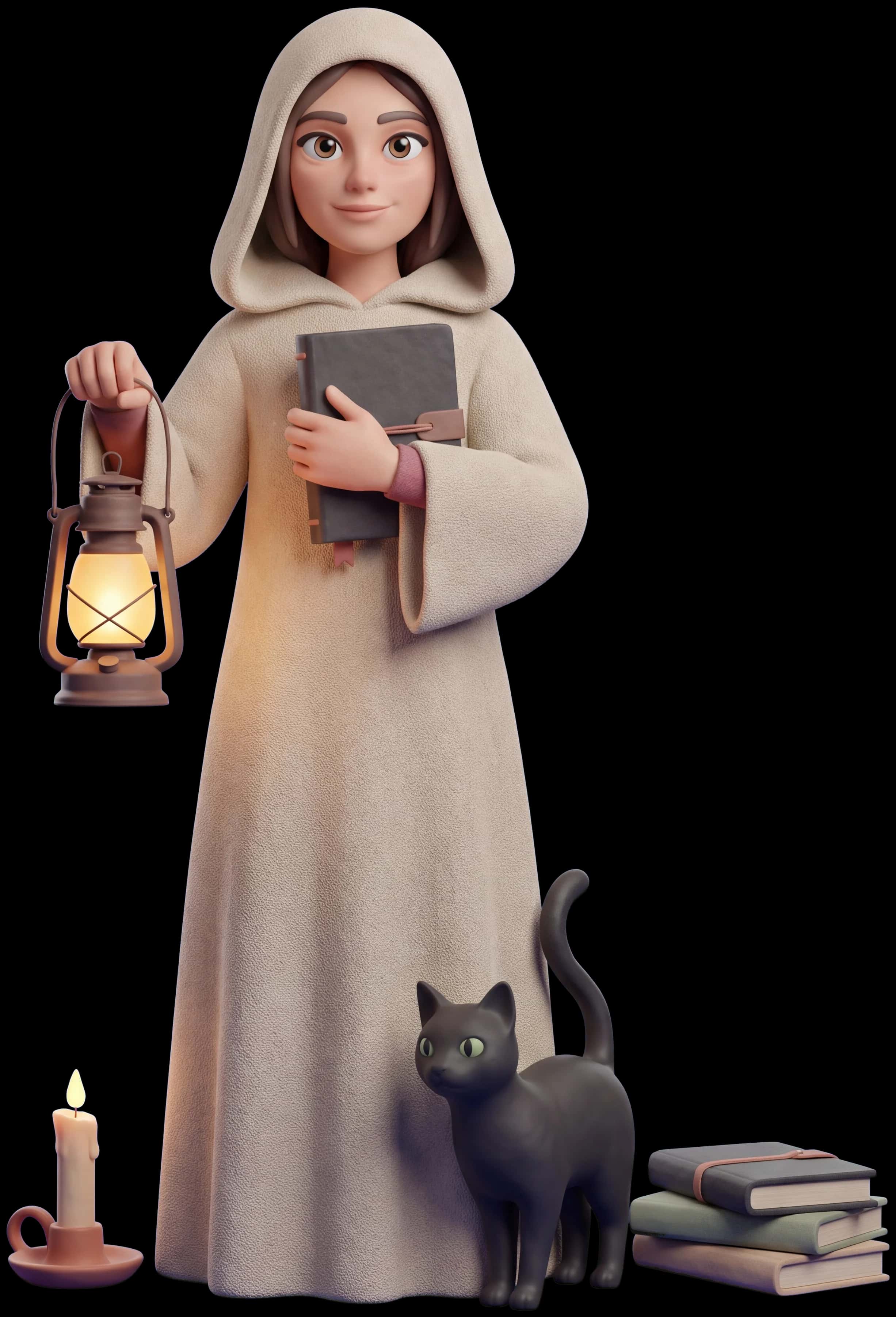
A solitary witch practices mainly alone rather than as part of a regular group.
What is a solitary witch?
A solitary witch practices mainly alone rather than as part of a regular group. Solitary describes the social setting of practice, not necessarily its religion, methods or sources.
Practicing alone does not require avoiding teachers or community. You can read, ask questions and exchange ideas while keeping your rituals private. A self-chosen title does not establish membership in a tradition with its own requirements.
What a solitary witch practices
Make a manageable routine
Choose a practice you can describe and repeat without elaborate preparation. Decide how you will reflect on it afterward.
Keep a learning record
Record sources, questions and changes in your understanding. Solitary learning still benefits from checking claims and considering another interpretation.
Choose forms of contact
Decide whether a book group, class or conversation would help. Participation in learning does not require sharing every private aspect of practice.
The solitary witch's toolkit
- A notebook
- Books by identified authors
- A simple calendar
- A quiet space
Questions for exploring this path
- Are you interested in a practice carried out mainly alone and organized independently?
- Which practice would you choose because it is meaningful to you, rather than because a quiz named it?
- What would you notice if a different interpretation of the same situation were true?
A simple way to explore this path
You plan a short private ritual and later find a source that describes the same symbol differently. You add the alternative to your notes.
Independence gives you a choice of practice. It does not make your first explanation the only one or remove the usefulness of feedback.
What question would benefit from a second perspective?
Illustrative figures in stories and history
These figures are illustrative comparisons from fiction, mythology or documented history. Most were not described using these modern path labels in their original sources; similarities do not establish a lineage or prove magical abilities.
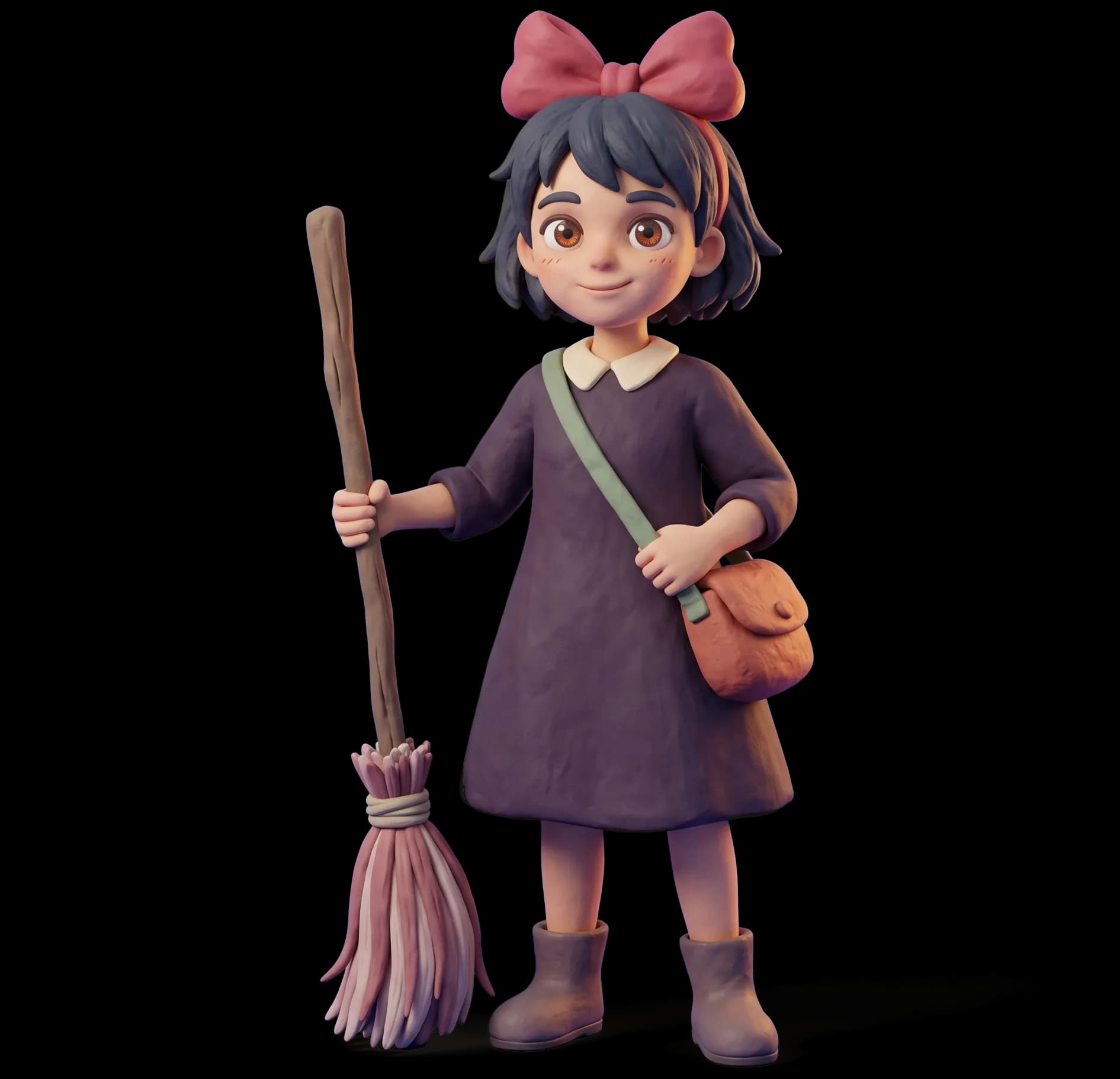



Kiki: Kiki’s Delivery Service uses learning away from home as a central theme, making it a useful analogy for independent practice.
Eglantine Price: Bedknobs and Broomsticks presents a character learning through a correspondence course, a clear fictional comparison for self-directed study.
Zeniba: Her quieter setting in Spirited Away provides a contrast with her sister’s world. It is a comparison of story settings, not an official practice label.
Ged: Earthsea explores learning, responsibility and the consequences of power. Independent work is one theme, but it does not erase his teachers and community.
Solitary Witch vs. Hedge Witch
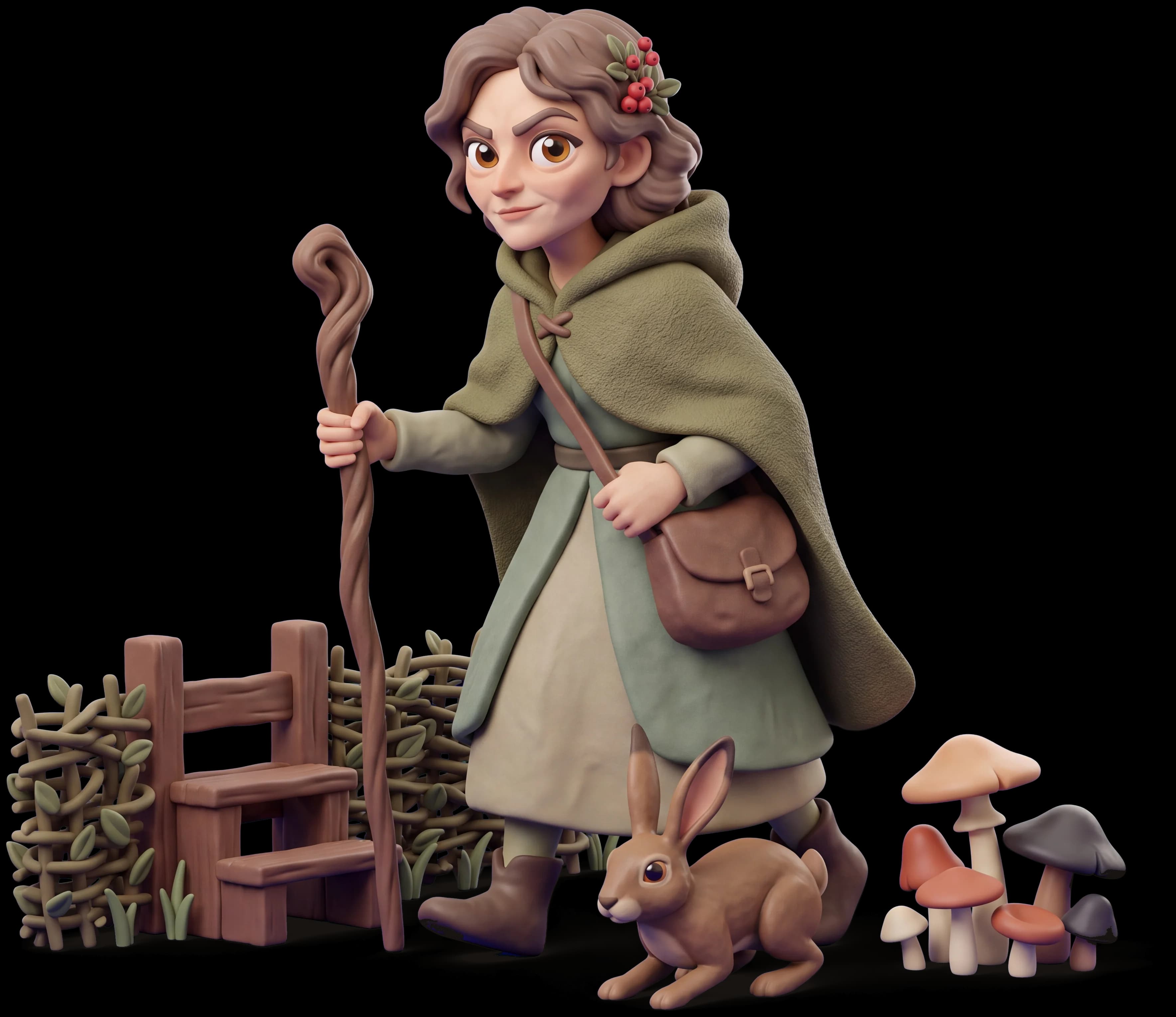
Our Solitary Witch guide focuses on a practice carried out mainly alone and organized independently; the Hedge Witch guide focuses on threshold imagery, solitary reflection and personal accounts of dreams or ritual. The labels describe different interests or ways of practicing, so one person may use both. They are not exclusive personality types. Read about the Hedge Witch

Solitary Witch vs. Eclectic Witch
Our Solitary Witch guide focuses on a practice carried out mainly alone and organized independently; the Eclectic Witch guide focuses on a personal practice assembled from more than one source. The labels describe different interests or ways of practicing, so one person may use both. They are not exclusive personality types. Read about the Eclectic Witch
Got questions?
Can a solitary witch learn from other people?
Yes. Solitary refers to practicing mainly alone, not to having no teachers, friends or sources.
Does self-dedication make me an initiate of a tradition?
A personal dedication may be meaningful to you, but it does not establish membership in a group or tradition that has its own initiation process.
Is solitary witchcraft a specific religion?
No religion follows from the label alone. It describes a way of practicing that can occur within different beliefs or without a formal religious affiliation.
Sources and interpretation
- Arin Murphy-Hiscock: books and approaches to practice
A contemporary practitioner’s books provide examples of nature, household and solitary practice. They are background reading, not the source of a universally agreed twelve-path system.
Published by Rare Personas. Our explanations and illustrative exercises are interpretations; the references support the specific background described above. Read about our approach and content responsibility. To suggest a correction, send the passage and page URL through our contact page.
Is the Solitary Witch your path?
Explore your interests with the witch quiz. Your leading match and a short description are free; the full report is optional and paid.