
Kitchen Witch
A kitchen witch brings ritual intention to cooking and home life.
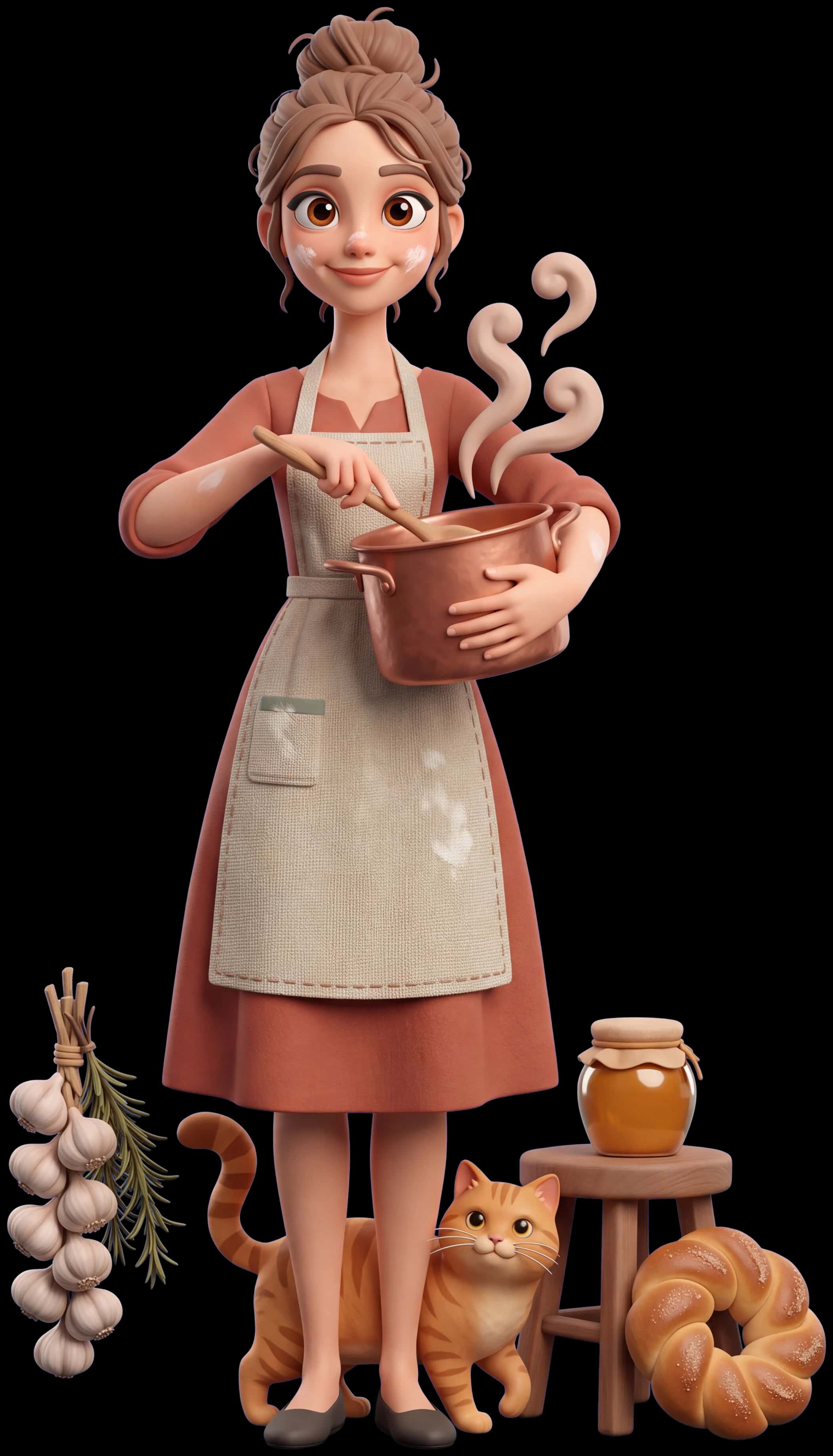
What is a kitchen witch?
A kitchen witch brings ritual intention to cooking and home life. In our guide, the focus is the meaning a practitioner gives to ordinary tasks, not evidence that a meal can magically change another person’s feelings.
The kitchen is a setting for the practice, not a skill test. Someone who prepares simple food can use the same reflective approach as an experienced cook. Household care should also be shared by agreement rather than assigned by gender.
What a kitchen witch practices
Cook with a purpose
Choose an ordinary recipe and name the intention behind making it: hospitality, gratitude or simply feeding yourself. Keep ingredients and dietary needs explicit.
Record a recipe’s story
Write down who taught you a recipe and what you have changed. That creates a useful household record without claiming that a family custom belongs to every tradition.
Make a small home ritual
Pair a routine such as clearing the table with a short moment of reflection. Let the action mark a transition rather than promise control over an outcome.
The kitchen witch's toolkit
- Ordinary cooking utensils
- A recipe notebook
- Ingredients appropriate for the people eating
- A clean workspace
Questions for exploring this path
- Are you interested in cooking, household routines and the meaning of everyday care?
- Which practice would you choose because it is meaningful to you, rather than because a quiz named it?
- What would you notice if a different interpretation of the same situation were true?
A simple way to explore this path
You prepare a familiar meal for someone visiting. Before choosing the menu, you ask about their preferences and explain what is in the food.
Care is expressed through attention and consent. A private intention can make the task meaningful to you without requiring the guest to share a belief.
What concrete part of this routine helps the people who share the space?
Illustrative figures in stories and history
These figures are illustrative comparisons from fiction, mythology or documented history. Most were not described using these modern path labels in their original sources; similarities do not establish a lineage or prove magical abilities.

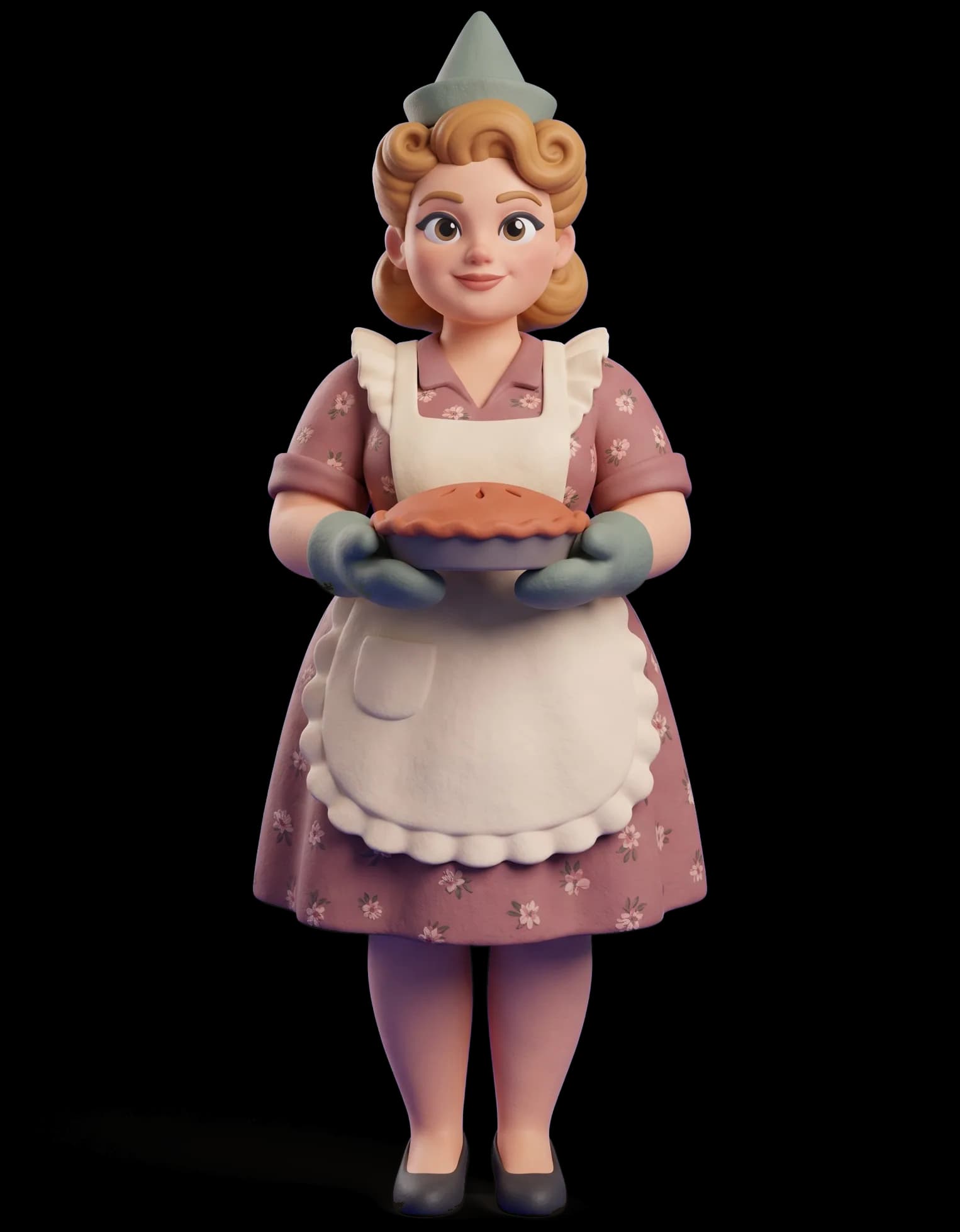



Tita: Like Water for Chocolate connects food with emotion through fiction. It supplies a literary comparison rather than proof that intention changes diners’ feelings magically.
Hilda Spellman: The household setting of Chilling Adventures of Sabrina supplies a comparison for domestic magical imagery.
Molly Weasley: Her care for the household in Harry Potter makes domestic work visible within a magical story. Kitchen witch is our interpretive label.
Strega Nona: Tomie dePaola’s stories make a magical cooking pot central to the action, offering a clear fictional example of kitchen imagery.
Nanny Ogg: Discworld connects her with domestic life, hospitality and comic practicality. Those themes make the comparison useful without making it a formal classification.
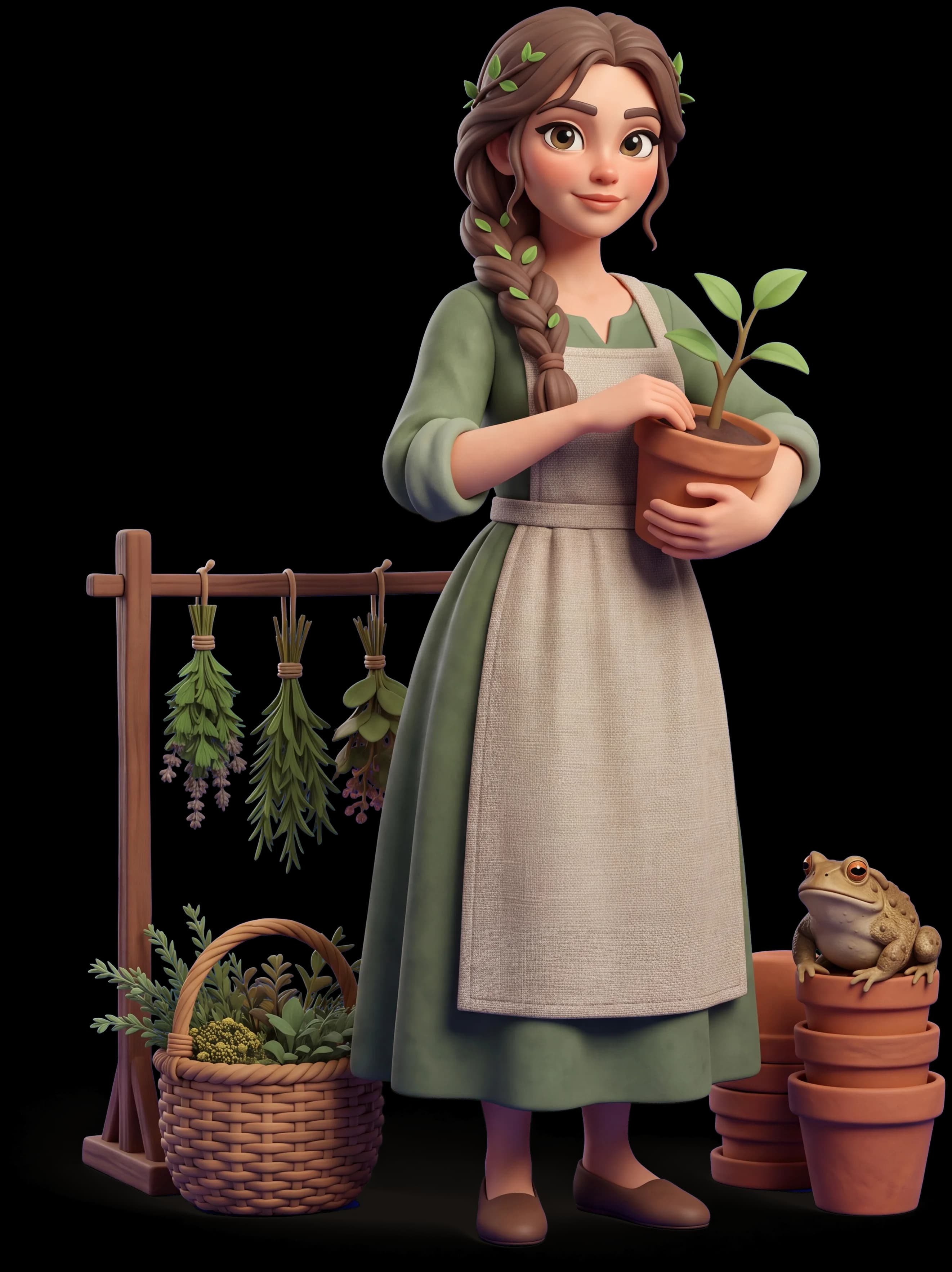
Kitchen Witch vs. Green Witch
Our Kitchen Witch guide focuses on cooking, household routines and the meaning of everyday care; the Green Witch guide focuses on plants, local nature and seasonal observation. The labels describe different interests or ways of practicing, so one person may use both. They are not exclusive personality types. Read about the Green Witch

Kitchen Witch vs. Hereditary Witch
Our Kitchen Witch guide focuses on cooking, household routines and the meaning of everyday care; the Hereditary Witch guide focuses on practices and stories learned through a family connection. The labels describe different interests or ways of practicing, so one person may use both. They are not exclusive personality types. Read about the Hereditary Witch
Got questions?
Do you have to be a good cook to be a kitchen witch?
No. The emphasis here is attention and meaning, not complicated recipes. Start with a task you can already do reliably.
Is kitchen witchcraft different from ordinary cooking?
The practical task can be identical. The difference is the ritual or spiritual meaning the practitioner gives it. That meaning does not establish a measurable magical effect.
Can a kitchen practice overlap with green witchcraft?
Yes. Growing herbs for cooking could fit both interests. Kitchen describes the household setting; green emphasizes plants and nature. The labels are not exclusive.
Sources and interpretation
- Arin Murphy-Hiscock: books and approaches to practice
A contemporary practitioner’s books provide examples of nature, household and solitary practice. They are background reading, not the source of a universally agreed twelve-path system.
Published by Rare Personas. Our explanations and illustrative exercises are interpretations; the references support the specific background described above. Read about our approach and content responsibility. To suggest a correction, send the passage and page URL through our contact page.
Is the Kitchen Witch your path?
Explore your interests with the witch quiz. Your leading match and a short description are free; the full report is optional and paid.