
Hereditary Witch
A hereditary witch describes a practice passed through family relationships.
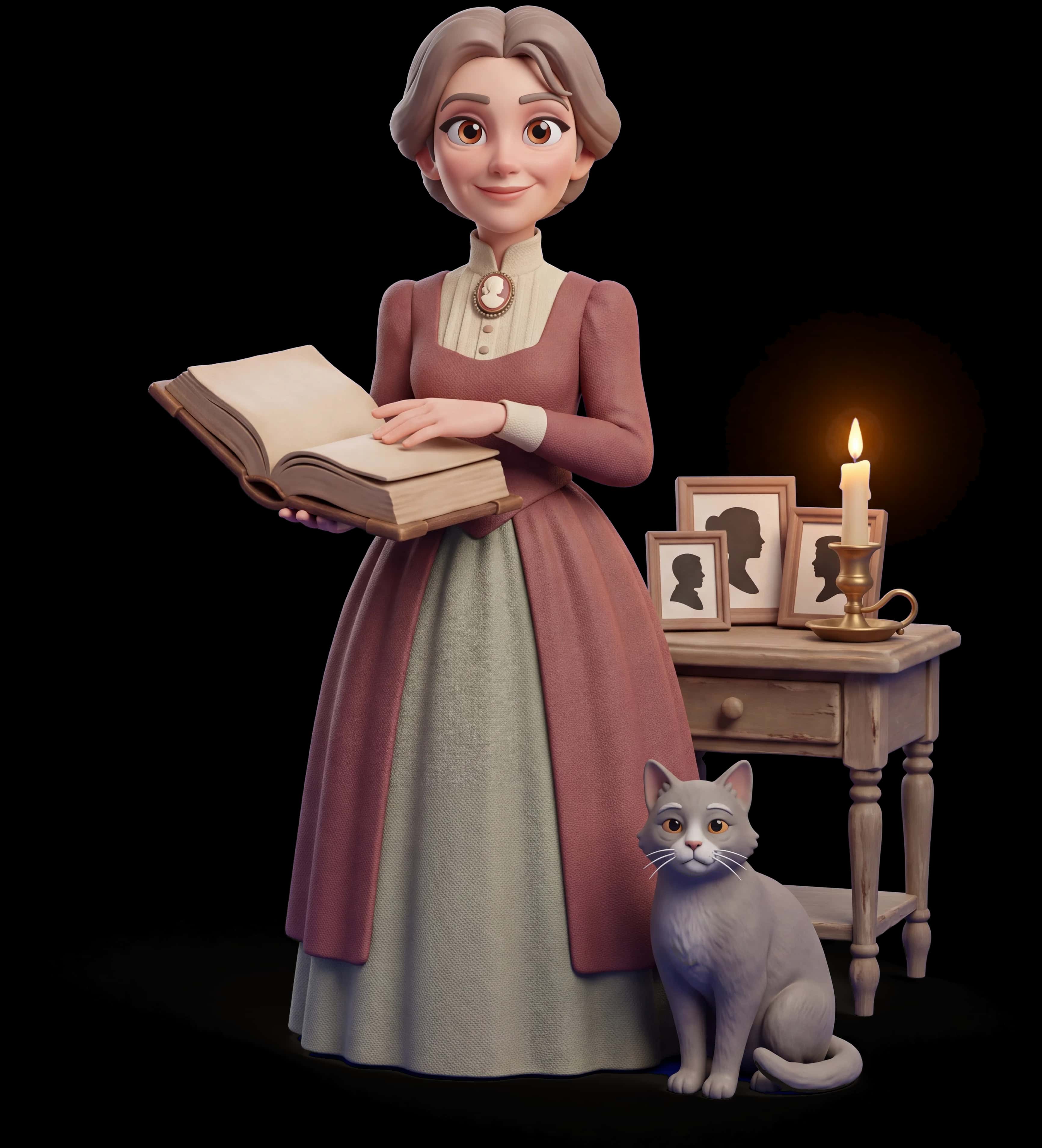
What is a hereditary witch?
A hereditary witch describes a practice passed through family relationships. The inheritance may consist of stories, customs, objects or instruction; the label does not establish a genetic magical ability.
Family accounts can be meaningful without proving an uninterrupted ancient lineage. Distinguish what a relative directly remembers, what a document supports and what is a later interpretation.
What a hereditary witch practices
Record a family account
With permission, ask how a relative learned a custom and what it meant to them. Preserve their words and uncertainties rather than filling gaps with a dramatic history.
Document an object
Write down what is known about an inherited object and what is unknown. A family story is worth recording even if its date cannot be established.
Choose what to continue
You can keep, adapt or decline a custom. Agree before publishing another person’s private practice or presenting it as representative of a whole community.
The hereditary witch's toolkit
- A notebook or recorder used with permission
- Family photographs
- A source list
- An object with a recorded history
Questions for exploring this path
- Are you interested in practices and stories learned through a family connection?
- Which practice would you choose because it is meaningful to you, rather than because a quiz named it?
- What would you notice if a different interpretation of the same situation were true?
A simple way to explore this path
A relative describes a household custom but is unsure where it began. You record the account with that uncertainty intact.
The family connection is the meaningful evidence here. It does not require turning an uncertain origin into a claim about ancestry or inherited powers.
What can you document, and what should remain labeled as a family account?
Illustrative figures in stories and history
These figures are illustrative comparisons from fiction, mythology or documented history. Most were not described using these modern path labels in their original sources; similarities do not establish a lineage or prove magical abilities.
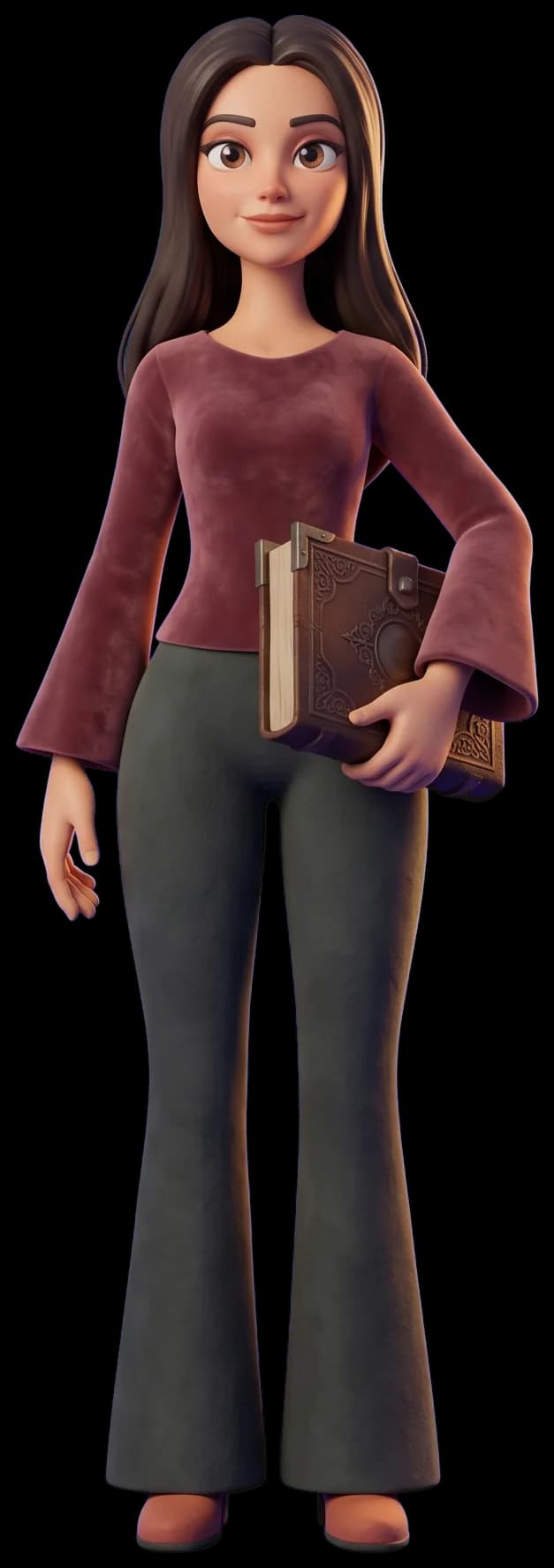
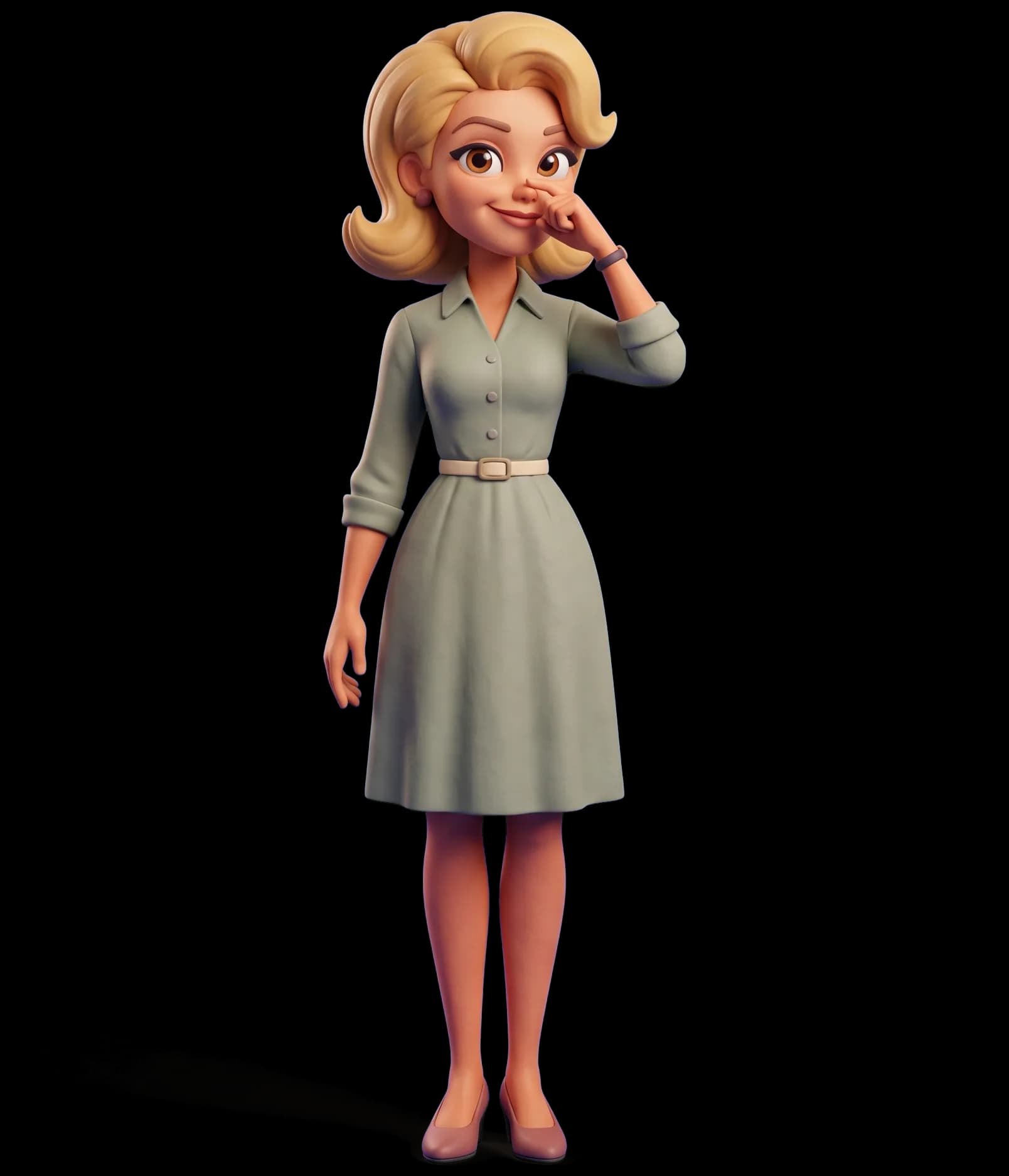
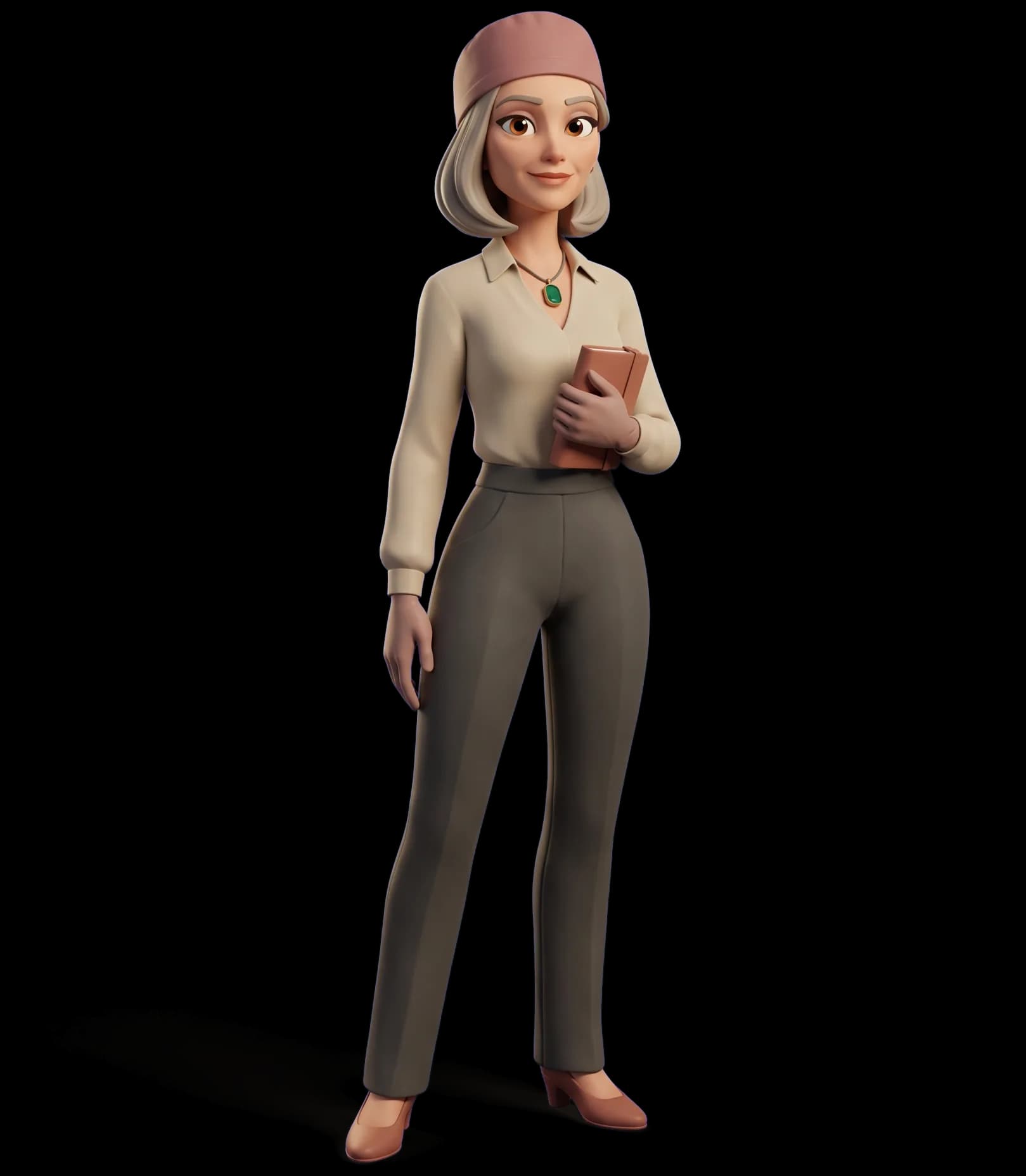
Piper Halliwell: The inherited family connection in Charmed makes transmission a useful theme. Magical inheritance in fiction is not evidence of genetic powers.
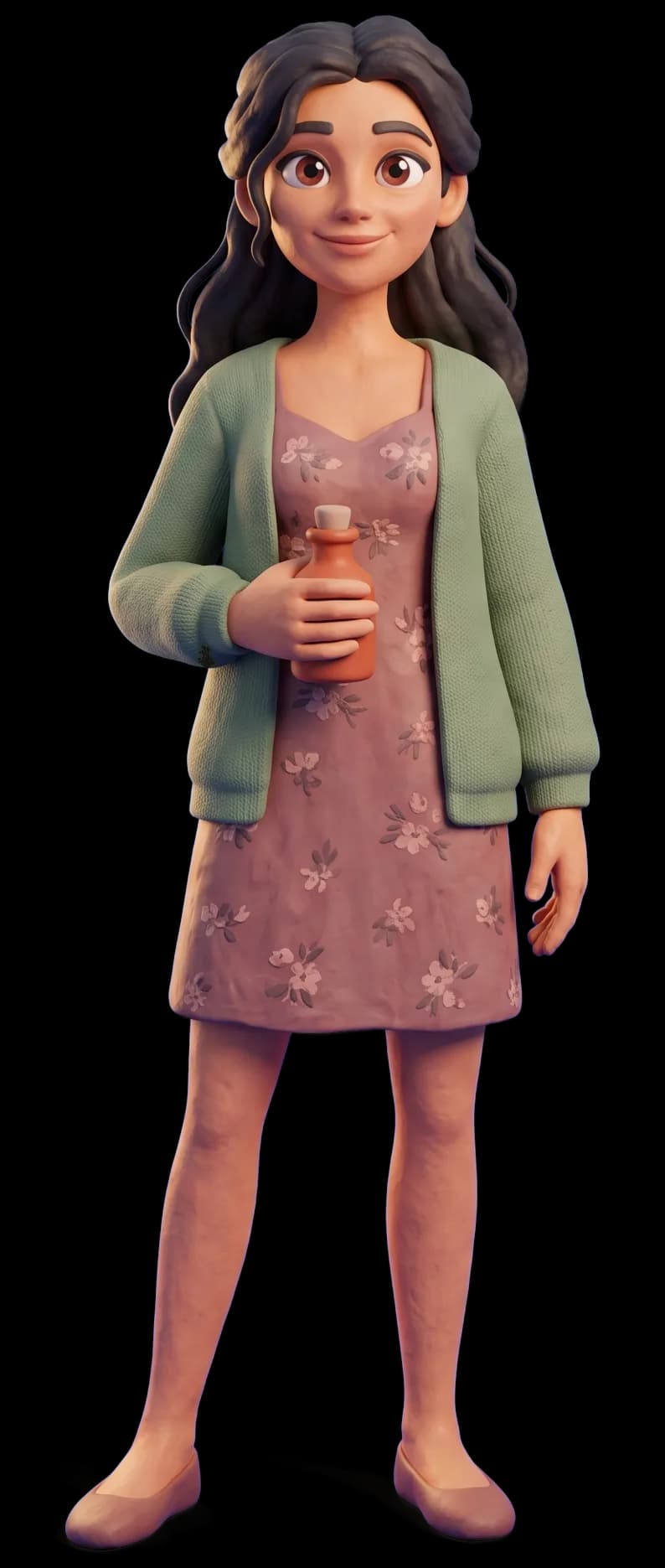
Sally Owens: Practical Magic places family history at the center of her story. The comparison concerns that narrative inheritance, not a real-world bloodline test.
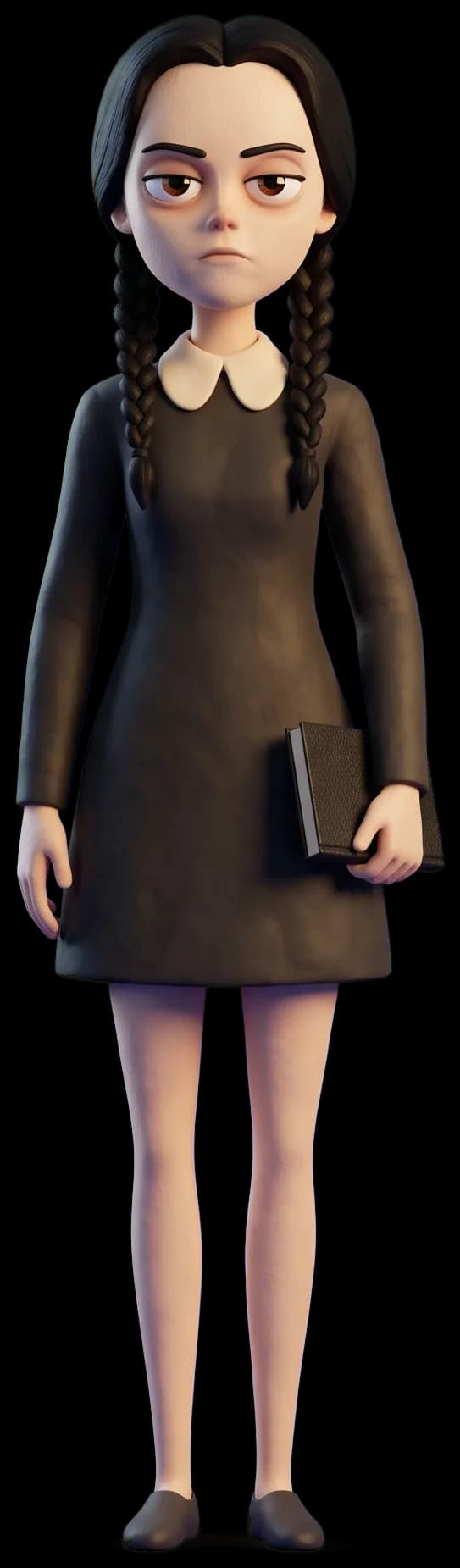
Wednesday Addams: The television series Wednesday gives her family-linked supernatural experiences. That version should not be treated as the biography of every Addams Family portrayal.
Samantha Stephens: Bewitched makes magical family relationships central to its premise. It is an illustration of fictional inheritance, not a description of heredity in real people.
Rowan Mayfair: The Mayfair Witches stories use a family legacy as a central narrative problem. The analogy is about inheritance and choice.
Hereditary Witch vs. Eclectic Witch
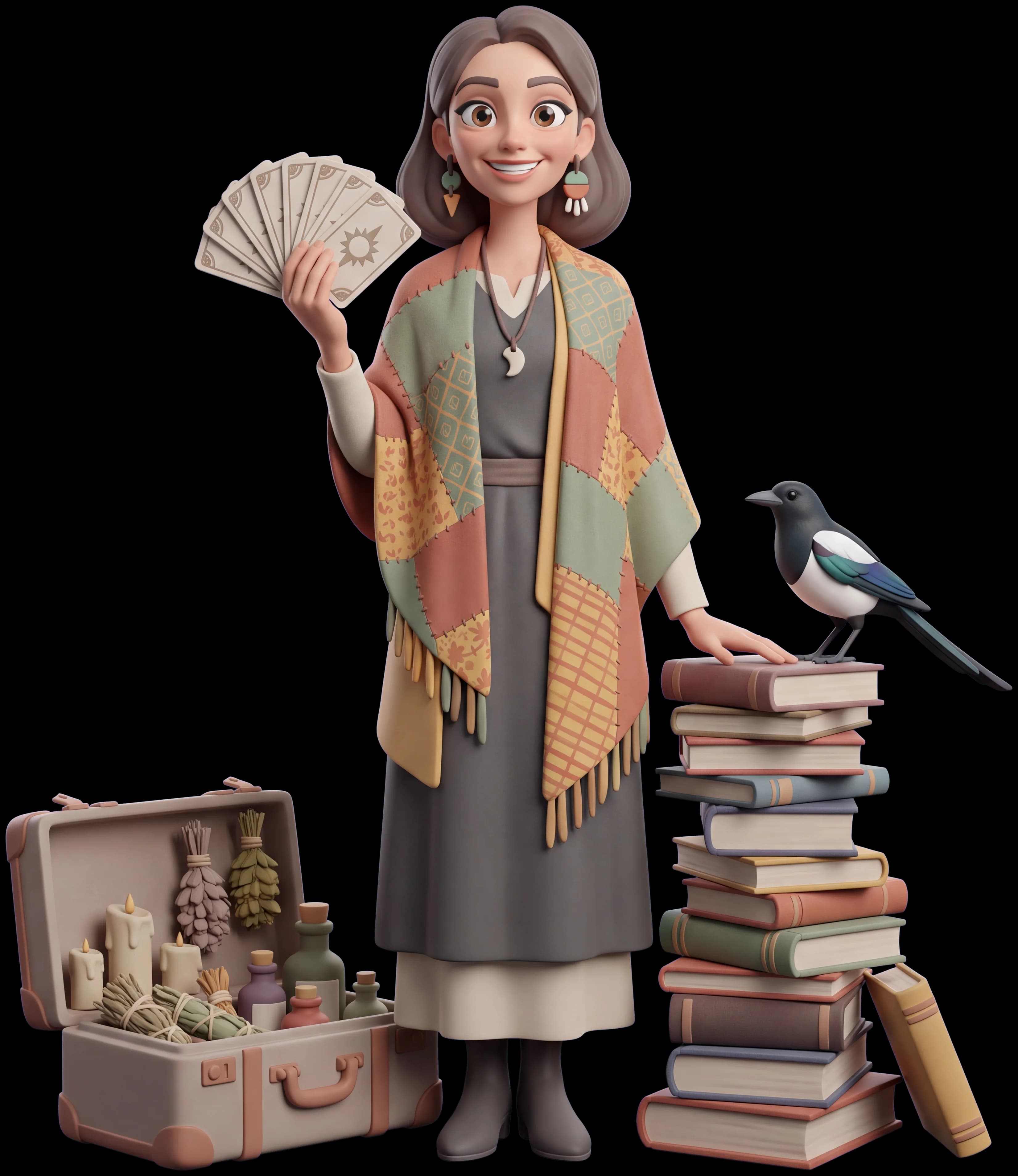
Our Hereditary Witch guide focuses on practices and stories learned through a family connection; the Eclectic Witch guide focuses on a personal practice assembled from more than one source. The labels describe different interests or ways of practicing, so one person may use both. They are not exclusive personality types. Read about the Eclectic Witch
Hereditary Witch vs. Kitchen Witch
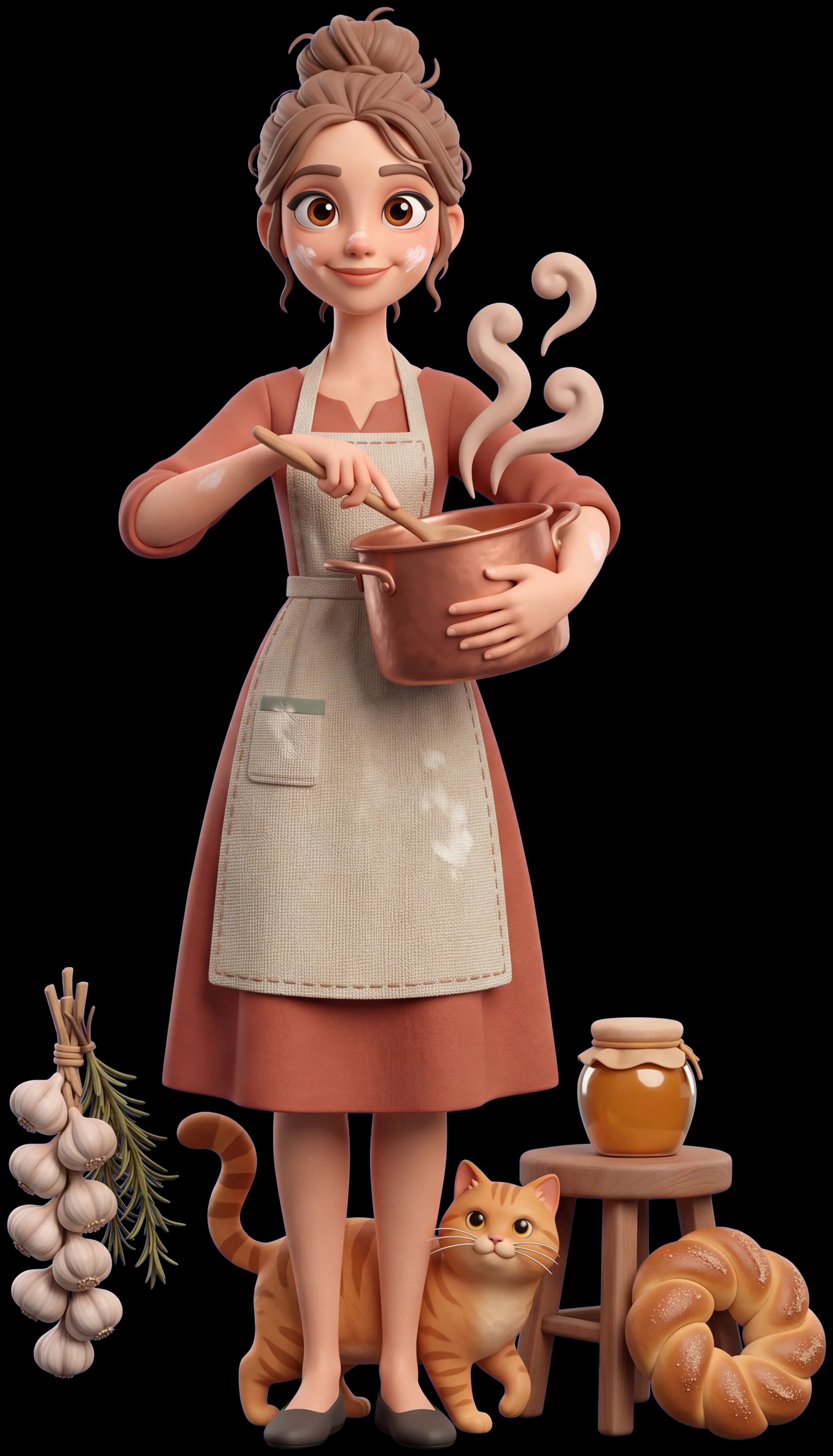
Our Hereditary Witch guide focuses on practices and stories learned through a family connection; the Kitchen Witch guide focuses on cooking, household routines and the meaning of everyday care. The labels describe different interests or ways of practicing, so one person may use both. They are not exclusive personality types. Read about the Kitchen Witch
Got questions?
Do you need a witch in your family to practice?
No. Family transmission is one possible route to learning. This guide does not rank it above learning from books, teachers or a community.
Can a quiz tell whether I inherited witchcraft?
No. A quiz cannot verify ancestry, family history or supernatural ability. A result can only describe how your answers fit its categories.
Does hereditary mean genetic?
Not in the sense used here. We mean knowledge or customs passed through family relationships. That is different from evidence for a biologically inherited power.
Sources and interpretation
- Arin Murphy-Hiscock: books and approaches to practice
A contemporary practitioner’s books provide examples of nature, household and solitary practice. They are background reading, not the source of a universally agreed twelve-path system.
Published by Rare Personas. Our explanations and illustrative exercises are interpretations; the references support the specific background described above. Read about our approach and content responsibility. To suggest a correction, send the passage and page URL through our contact page.
Is the Hereditary Witch your path?
Explore your interests with the witch quiz. Your leading match and a short description are free; the full report is optional and paid.