
Lawful Neutral
Lawful Neutral describes commitment to order, tradition or a personal code without a consistent priority of altruism or exploitation in the alignment framework.
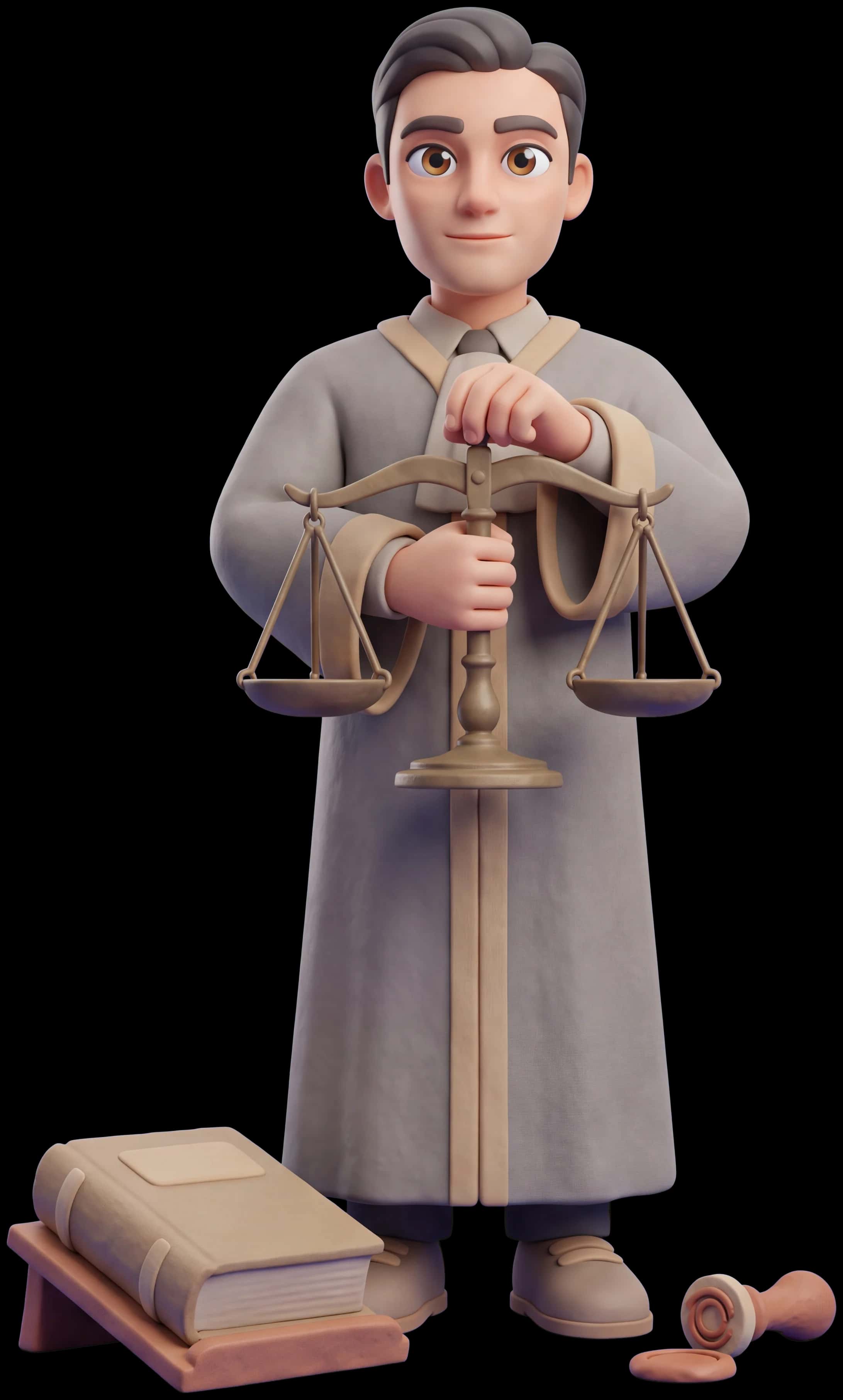
What does Lawful Neutral mean?
In the nine-alignment framework, lawful neutral describes commitment to order, tradition or a personal code without a consistent priority of altruism or exploitation. Alignment is a shorthand for a fictional character’s ethical outlook, not a complete personality or a psychological diagnosis.
This does not mean having no feelings or following only the law of the land. The organizing commitment might be a profession, a tradition or a freely chosen code.
Where Lawful Neutral sits on the alignment chart








On our chart, this is the lawful position on the order axis and the neutral position on the moral axis. Read the two coordinates separately before combining them.
A single choice can fit more than one square. To discuss a character’s placement, compare their reasons, recurring choices and response when their values conflict.
Lawful Neutral traits
- Consistent
- Impartial
- Disciplined
- Reliable
- Methodical
- Unswayed
Strengths
- Applies expectations consistently
- Maintains records
- Keeps a process predictable
Shadow side
- Treating a process as its own justification
- Missing an unusual need
- Avoiding responsibility for an unfair outcome
Questions for reading a Lawful Neutral character
- What does this character value about being lawful toward order?
- Whose interests do their repeated choices protect, and whose costs do they disregard?
- What would you notice if a different interpretation of the same situation were true?
One situation, two alignment axes
You log the purse at the lost-property desk and apply the same identification process you would use for any claimant.
Consistency is the stated reason for the decision. The scene becomes more revealing when following the process helps one person but inconveniences another.
What exception, if any, would this character accept, and who should have the authority to authorize it?
Lawful Neutral characters
These are possible readings of fictional characters, not official D&D classifications. Adaptations and character arcs can support different placements; identify the version and the choices you mean.





Spock: His respect for procedure invites a lawful reading, but logic is not itself an alignment and his care for others can support a good interpretation too.
Inspector Javert: His commitment to law is central to his conflict with mercy. That conflict is more informative than treating neutrality as an absence of emotion.
Judge Dredd: His identification with law makes the order axis clear. The harm of the system he enforces makes the moral axis a subject for critical discussion.
Captain Holt: Attention to procedure supports a lawful reading. His concern for colleagues is a reason to consider lawful good as an alternative.
Stannis Baratheon: His focus on succession and duty supports a lawful interpretation. Particular harmful choices may justify an evil reading rather than neutrality.

Lawful Neutral vs. Lawful Good
Lawful Neutral emphasizes commitment to order, tradition or a personal code without a consistent priority of altruism or exploitation. Lawful Good emphasizes care for others combined with commitment to fair rules or a personal code. To distinguish them, give both characters the same decision and explain their reasons. Their actions might match even when their priorities differ. Read about Lawful Good

Lawful Neutral vs. True Neutral
Lawful Neutral emphasizes commitment to order, tradition or a personal code without a consistent priority of altruism or exploitation. True Neutral emphasizes a position without a strong commitment to either moral extreme or either approach to order. To distinguish them, give both characters the same decision and explain their reasons. Their actions might match even when their priorities differ. Read about True Neutral
Got questions?
What is often misunderstood about lawful neutral?
This does not mean having no feelings or following only the law of the land. The organizing commitment might be a profession, a tradition or a freely chosen code.
Can a lawful neutral character change alignment?
Yes, if a sustained change in choices and priorities makes another label more useful. Discuss that interpretation with the group and the game master; one unusual action does not have to rewrite the character.
Does a quiz prove that I am lawful neutral?
No. Our quiz maps self-reported choices to a simplified game-inspired framework. It cannot establish your moral worth, predict your behavior or diagnose a psychological condition.
Sources and interpretation
- D&D Basic Rules: Choose an Alignment
The official rules explain the two axes and nine labels. Our everyday scenarios and cross-fiction character placements are interpretations, not official ratings.
Published by Rare Personas. Our explanations and illustrative exercises are interpretations; the references support the specific background described above. Read about our approach and content responsibility. To suggest a correction, send the passage and page URL through our contact page.
Is Lawful Neutral your alignment?
Explore your choices with the alignment quiz. Your leading match and a short description are free; the full report is optional and paid.