
Chaotic Good
Chaotic Good describes a wish to help others combined with a strong preference for freedom and personal conscience in the alignment framework.
What does Chaotic Good mean?
In the nine-alignment framework, chaotic good describes a wish to help others combined with a strong preference for freedom and personal conscience. Alignment is a shorthand for a fictional character’s ethical outlook, not a complete personality or a psychological diagnosis.
Chaotic does not mean random or incapable of planning. This character may organize carefully while rejecting an authority’s right to decide what is just.
Where Chaotic Good sits on the alignment chart
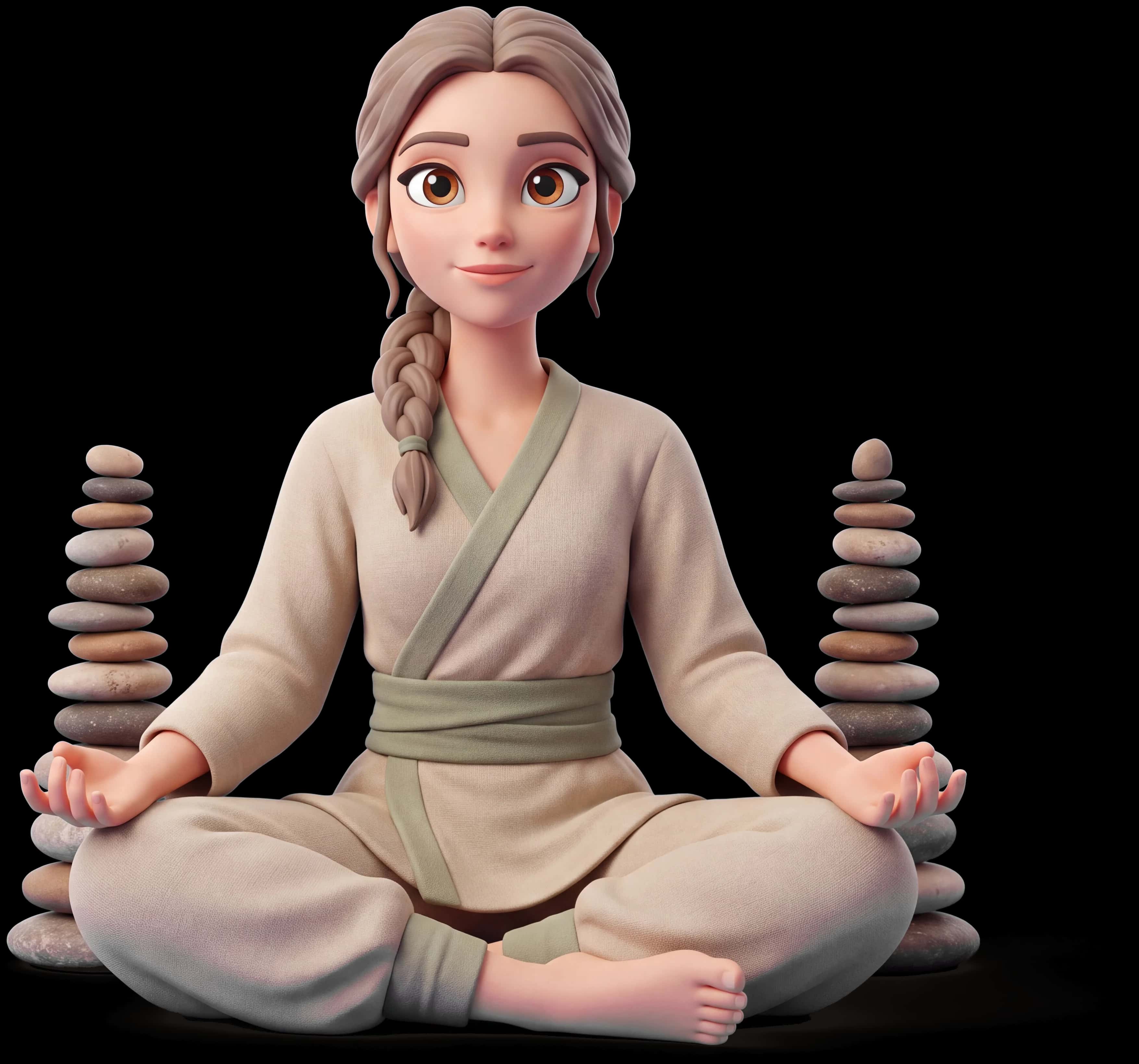
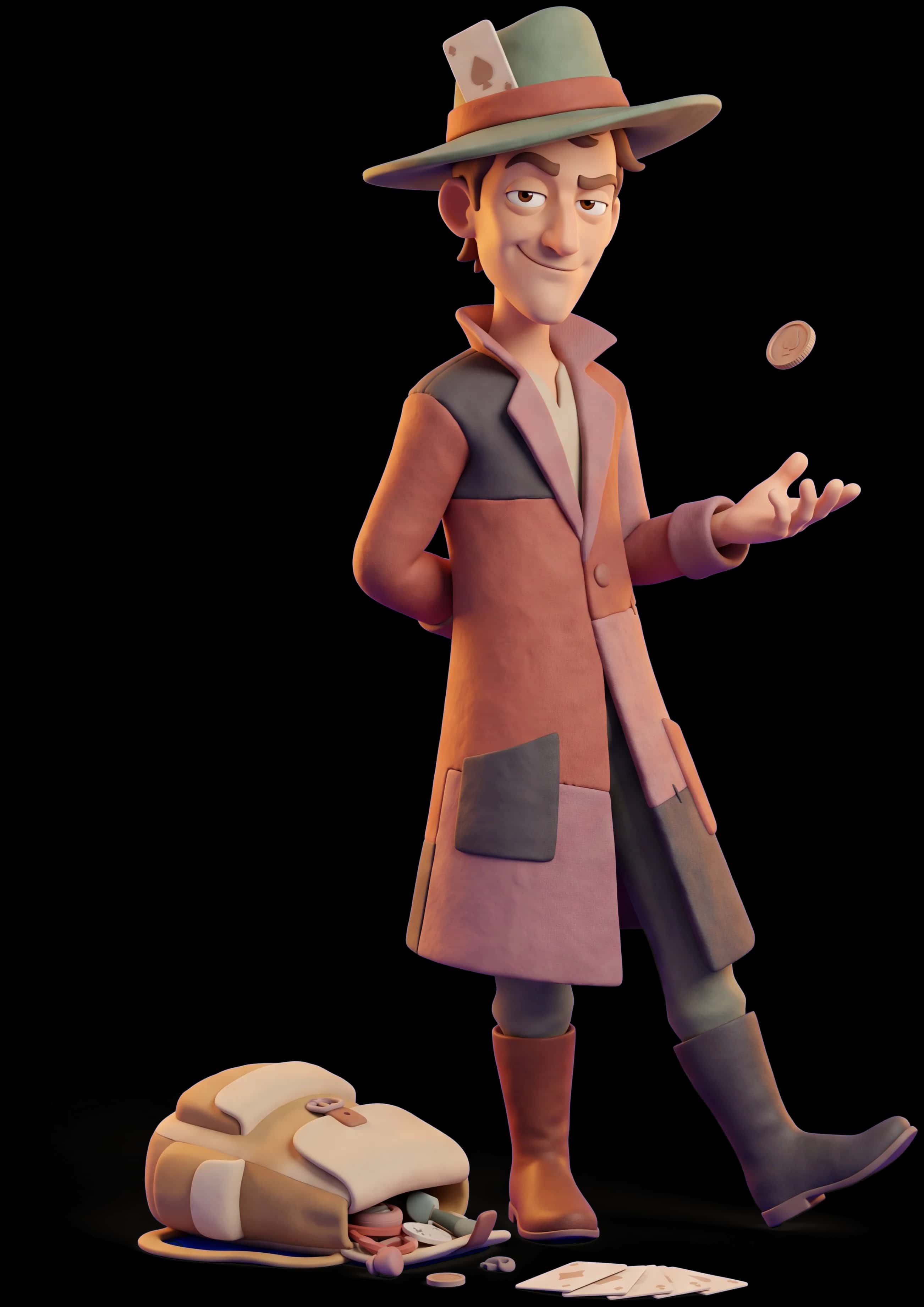
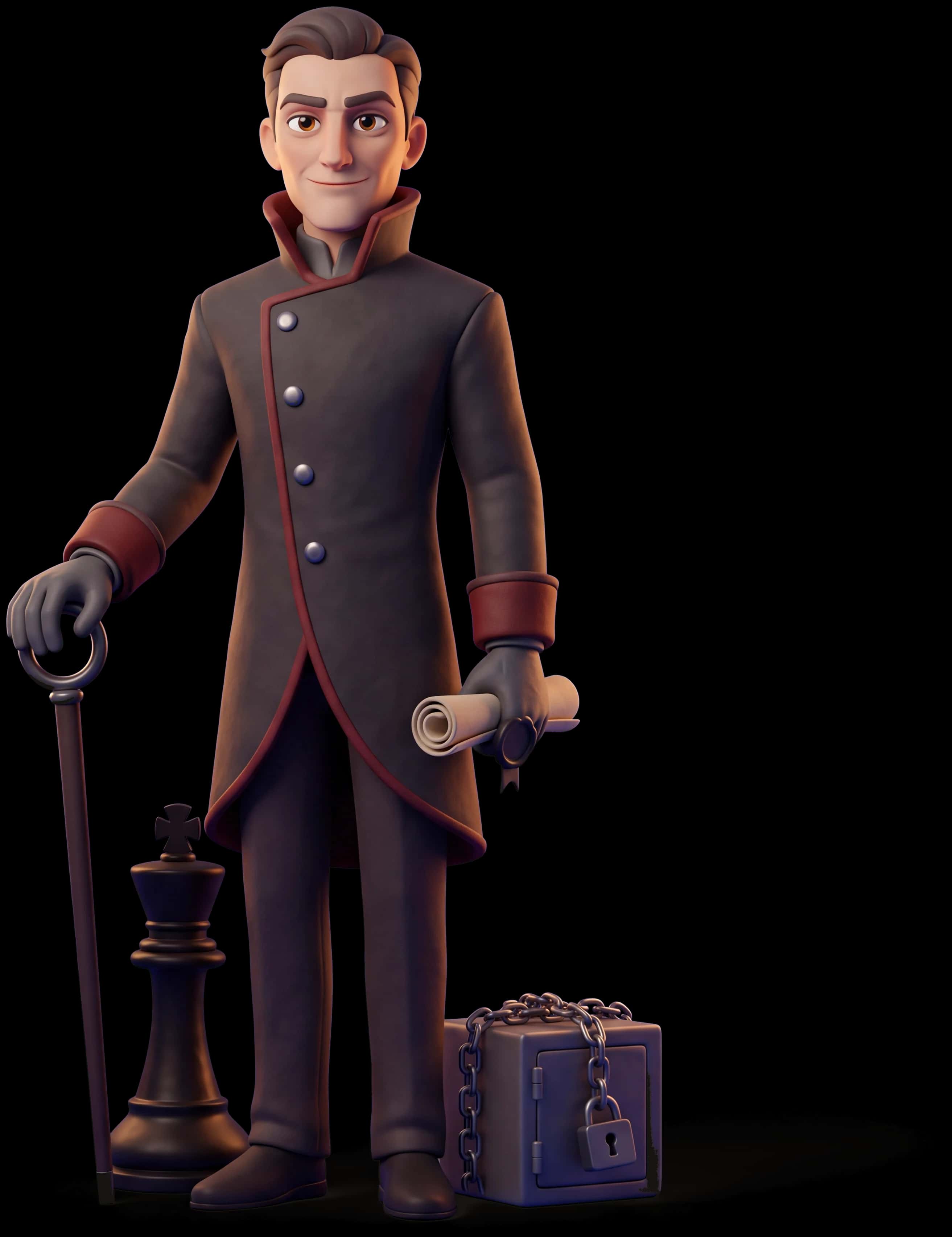
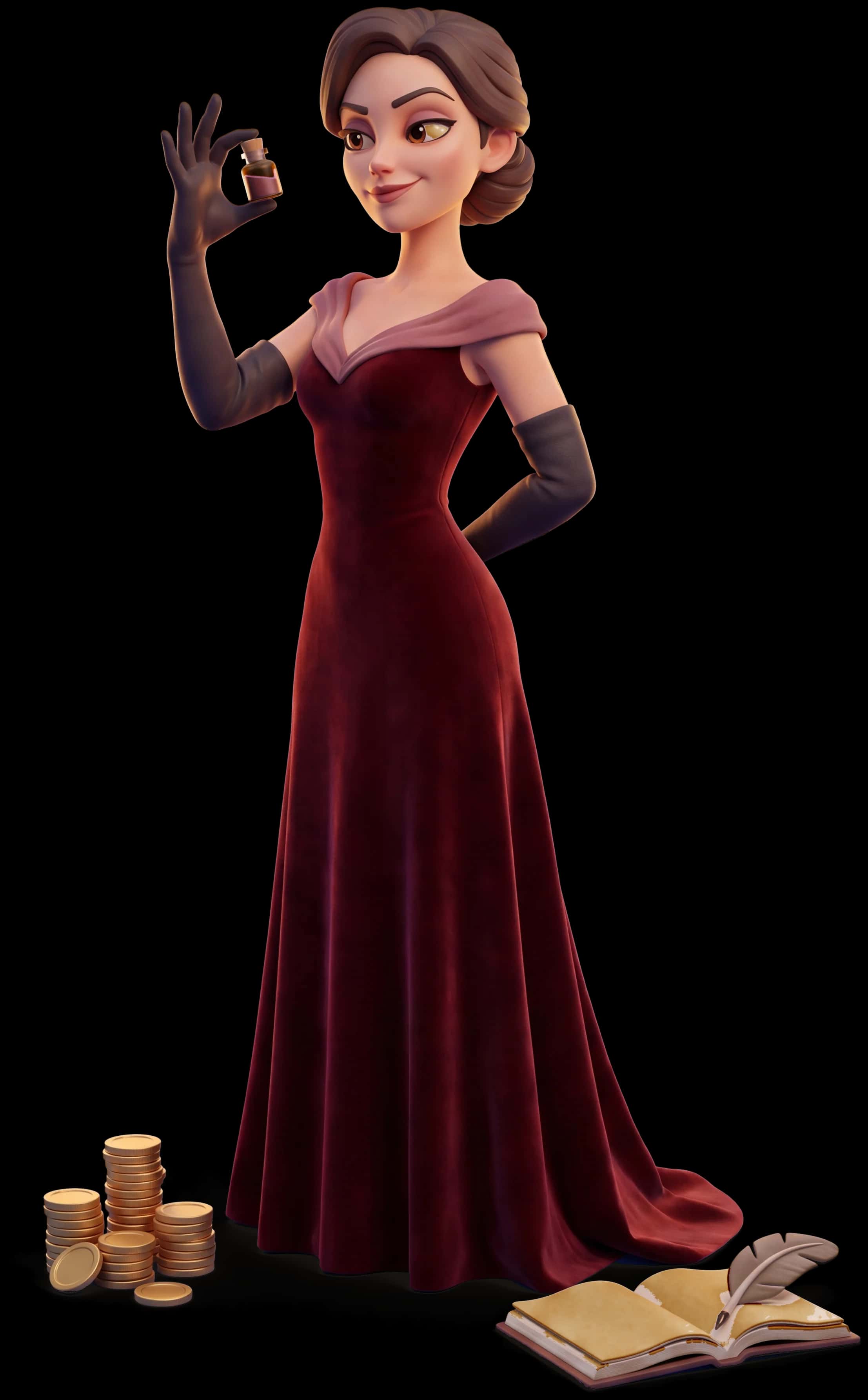
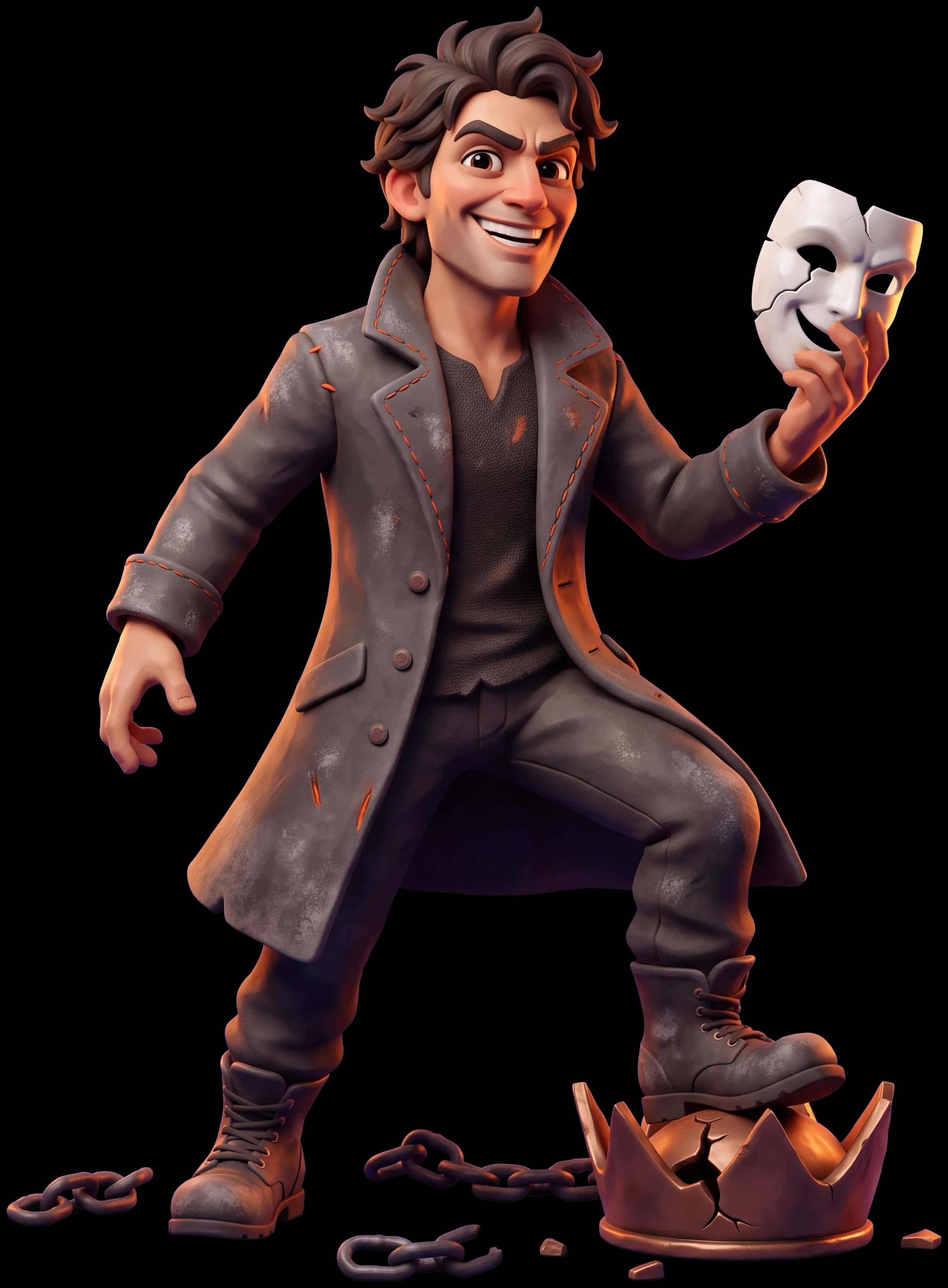
On our chart, this is the chaotic position on the order axis and the good position on the moral axis. Read the two coordinates separately before combining them.
A single choice can fit more than one square. To discuss a character’s placement, compare their reasons, recurring choices and response when their values conflict.
Chaotic Good traits
- Independent
- Warm-hearted
- Bold
- Irreverent
- Resourceful
- Loyal
Strengths
- Challenges unfair authority
- Acts on conscience
- Defends freedom
Shadow side
- Overlooking collateral effects
- Rejecting useful coordination
- Assuming good intentions settle every disagreement
Questions for reading a Chaotic Good character
- What does this character value about being chaotic toward order?
- Whose interests do their repeated choices protect, and whose costs do they disregard?
- What would you notice if a different interpretation of the same situation were true?
One situation, two alignment axes
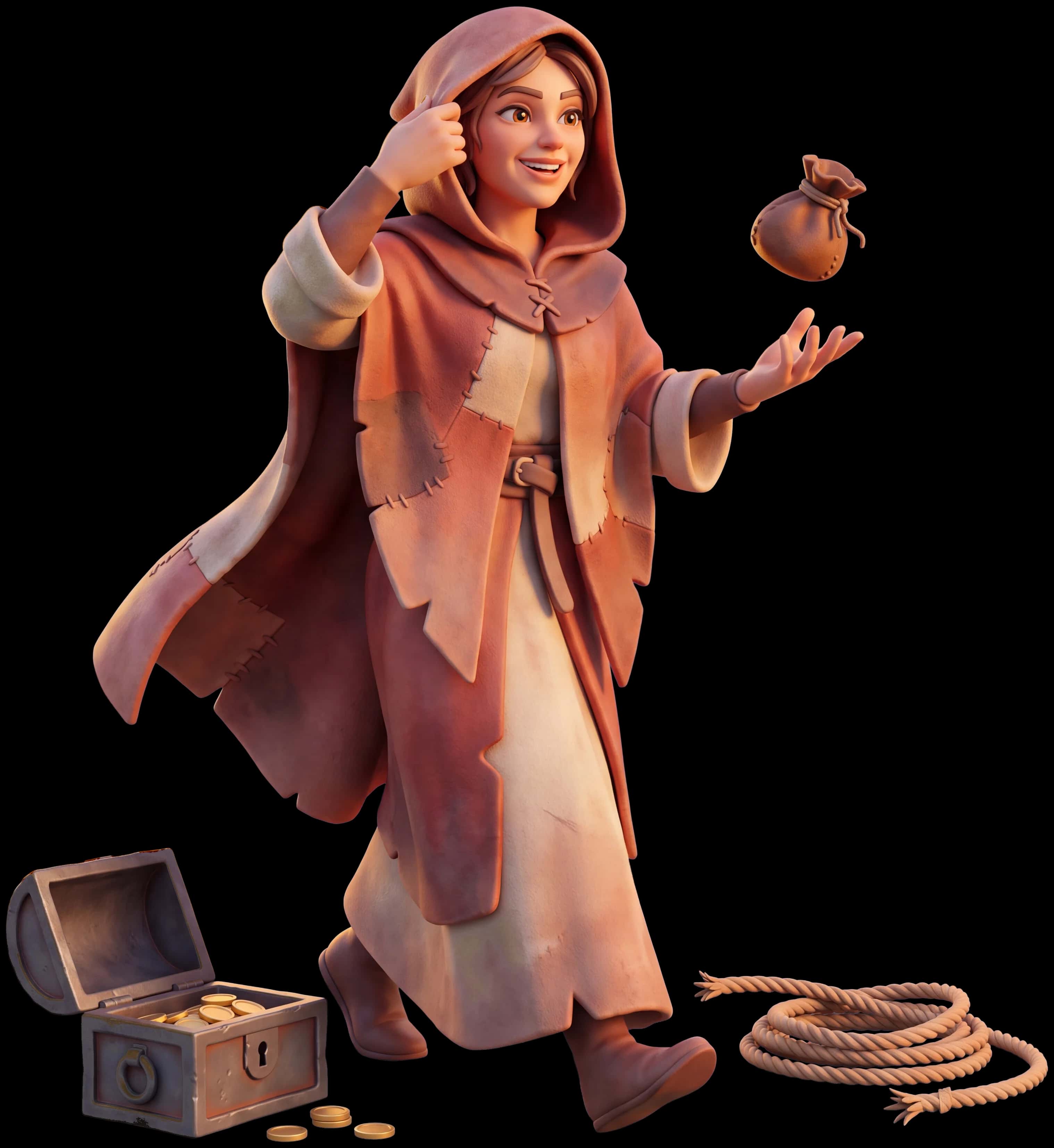
An official refuses to return the purse unless its owner pays an invented fee. Your character challenges the demand and helps the owner recover it.
The character resists an abusive process for another person’s benefit. Breaking a rule for convenience alone would not establish the good part.
Who might bear the consequences of this act of defiance, and how can the character protect them?
Chaotic Good characters
These are possible readings of fictional characters, not official D&D classifications. Adaptations and character arcs can support different placements; identify the version and the choices you mean.
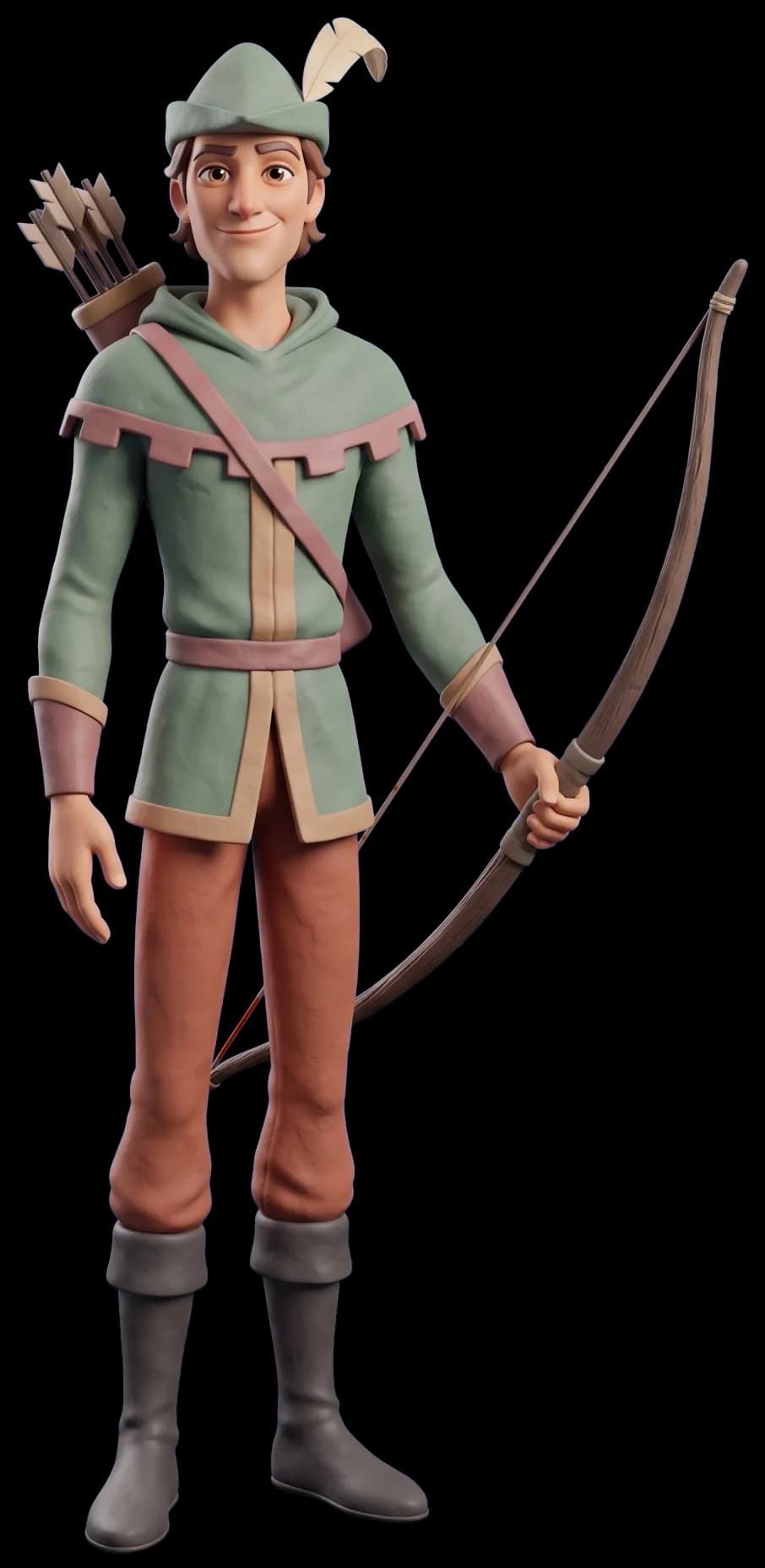


Robin Hood: Helping people through defiance of authority supports this reading in familiar retellings. The legend has many versions, not one canonical alignment.
Han Solo: His choice to return and help in the original Star Wars film illustrates concern for others alongside independence. His priorities change across the story.
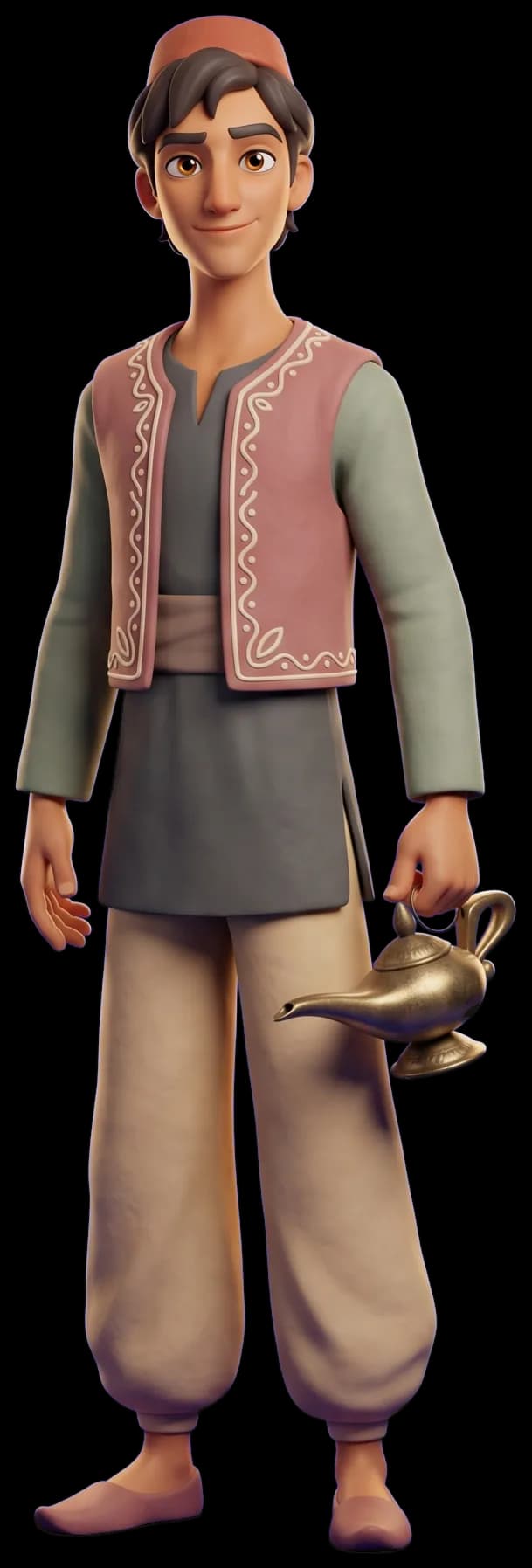
Aladdin: In the 1992 animated film, his sympathetic rule-breaking makes this a possible reading. This caption concerns that adaptation, not every version of the tale.
Katniss Everdeen: Her protective choices and resistance to imposed authority support a chaotic good interpretation. The costs and pressures of her situation still matter.
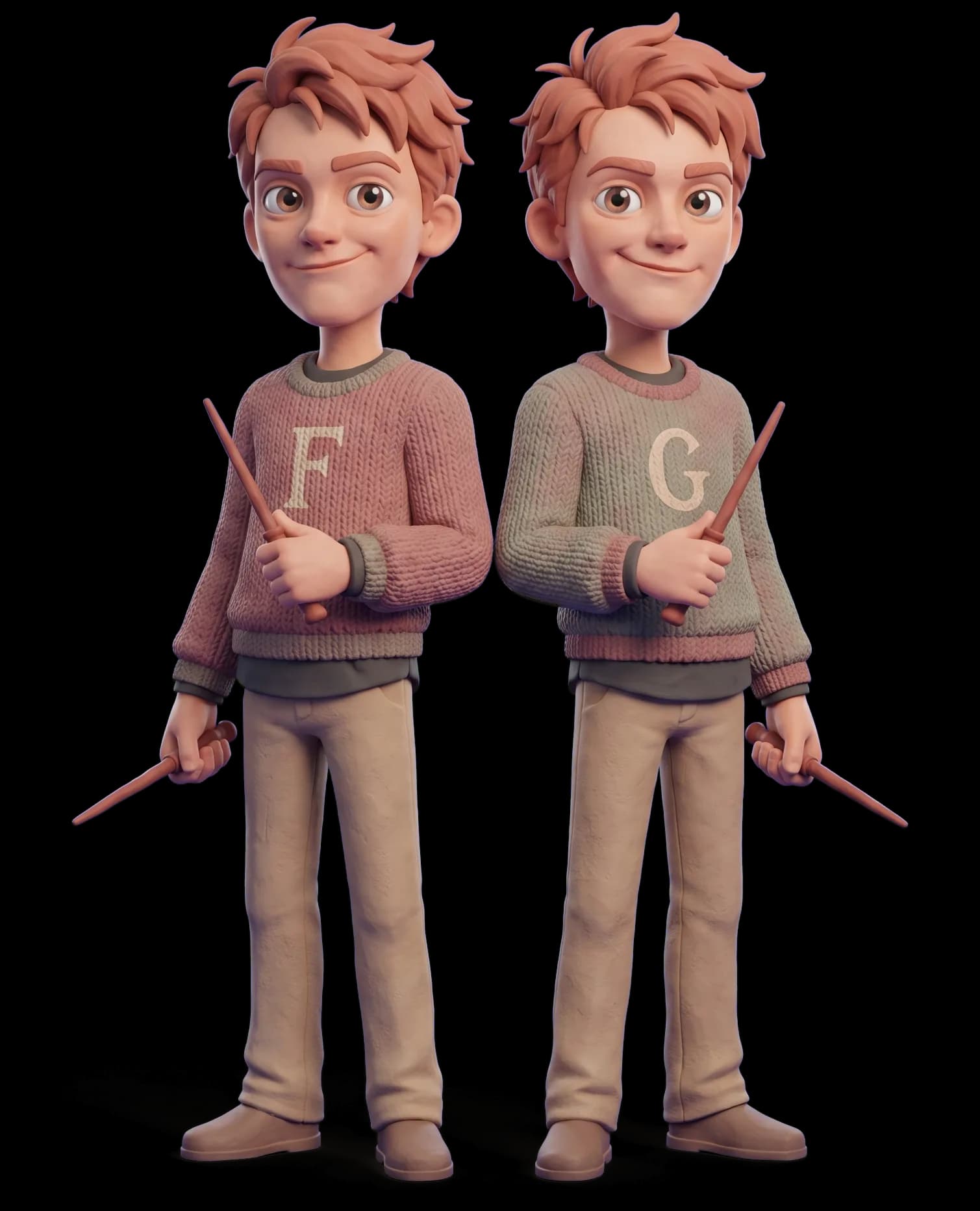
Fred and George Weasley: Their defiance of Umbridge supplies a useful example of rule-breaking aimed against oppressive authority. Not every prank has the same ethical purpose.
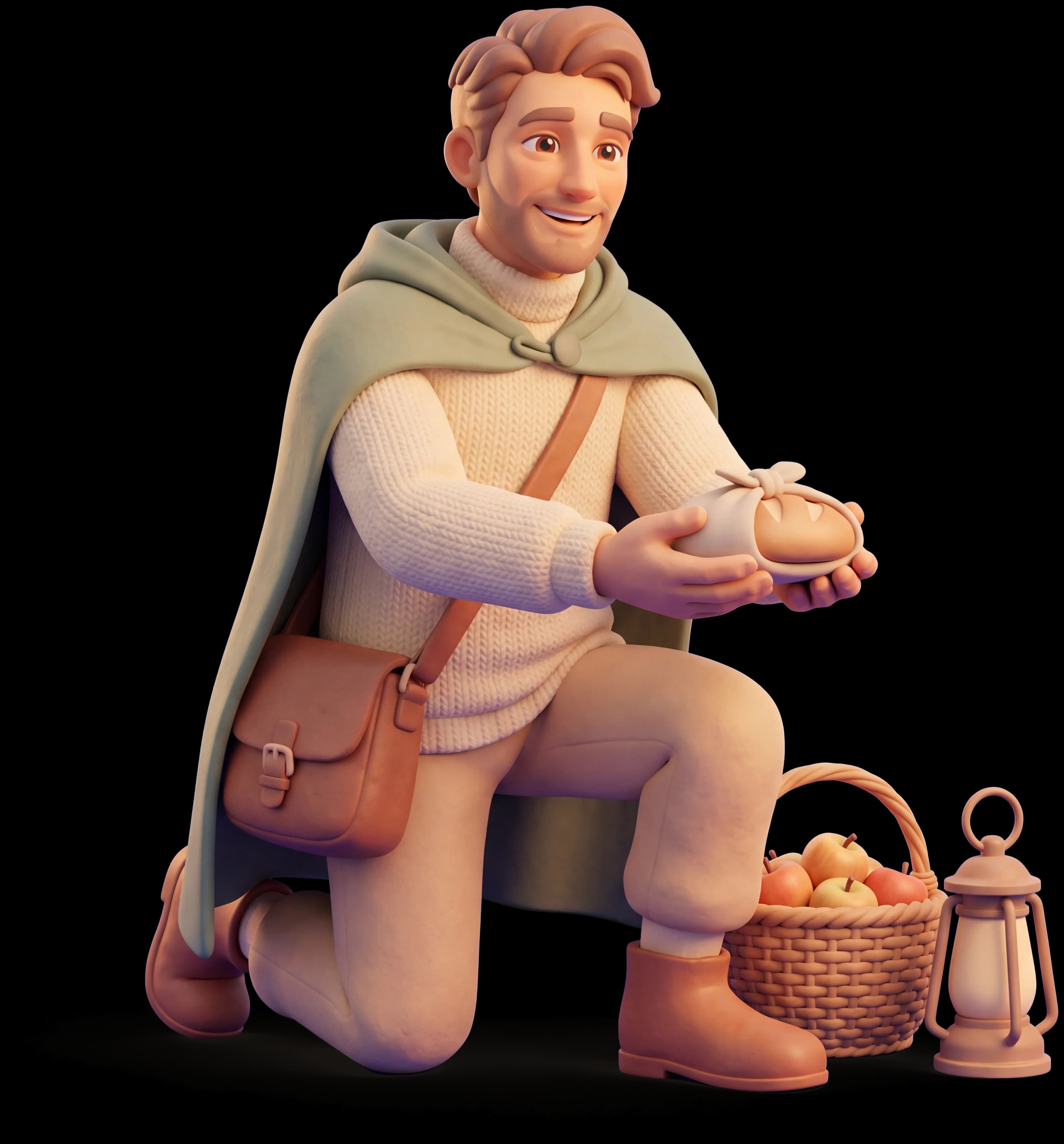
Chaotic Good vs. Neutral Good
Chaotic Good emphasizes a wish to help others combined with a strong preference for freedom and personal conscience. Neutral Good emphasizes helping others without a strong attachment to either rules or rebellion. To distinguish them, give both characters the same decision and explain their reasons. Their actions might match even when their priorities differ. Read about Neutral Good
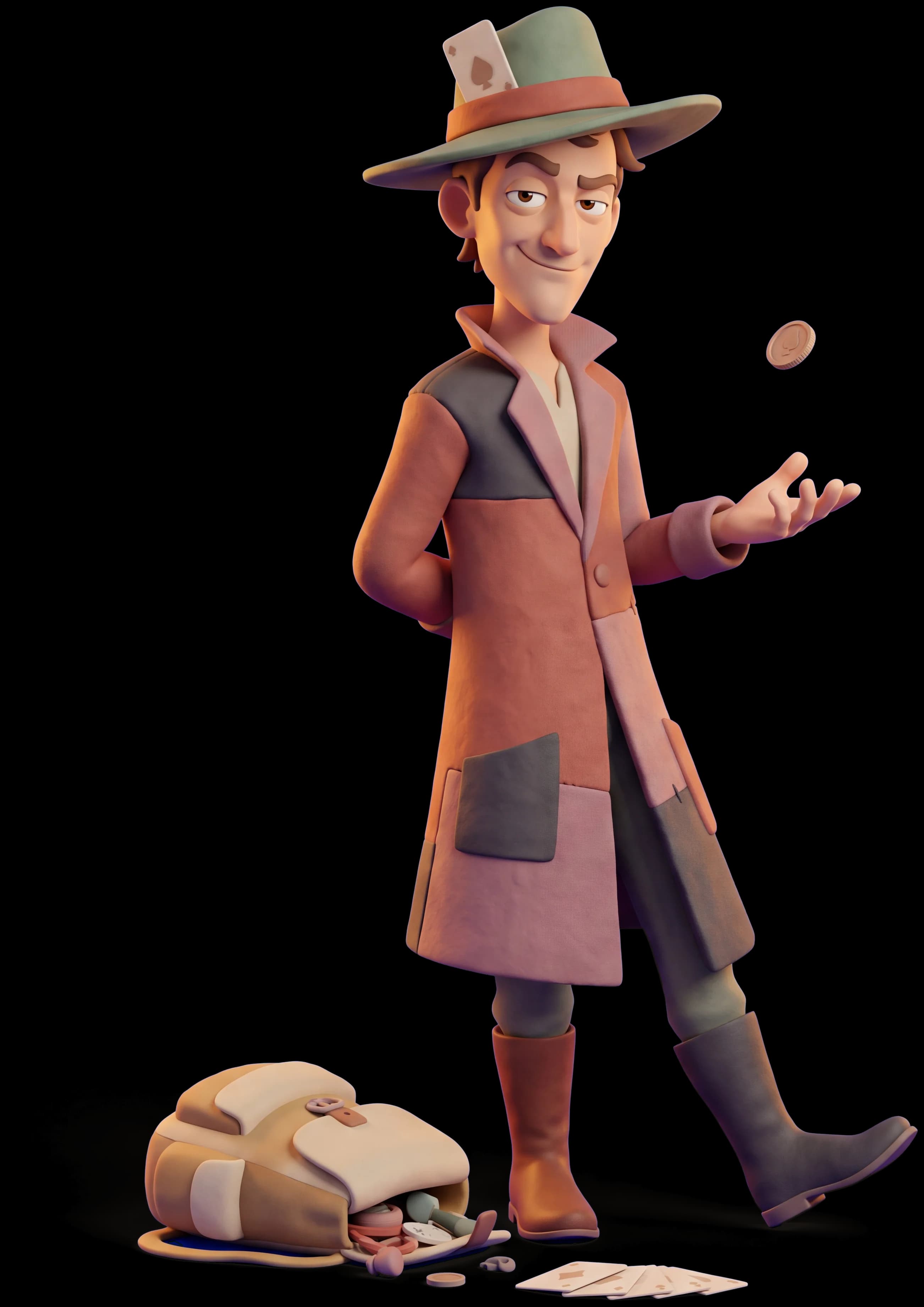
Chaotic Good vs. Chaotic Neutral
Chaotic Good emphasizes a wish to help others combined with a strong preference for freedom and personal conscience. Chaotic Neutral emphasizes personal freedom and self-direction without a sustained commitment to helping or harming others. To distinguish them, give both characters the same decision and explain their reasons. Their actions might match even when their priorities differ. Read about Chaotic Neutral
Got questions?
What is often misunderstood about chaotic good?
Chaotic does not mean random or incapable of planning. This character may organize carefully while rejecting an authority’s right to decide what is just.
Can a chaotic good character change alignment?
Yes, if a sustained change in choices and priorities makes another label more useful. Discuss that interpretation with the group and the game master; one unusual action does not have to rewrite the character.
Does a quiz prove that I am chaotic good?
No. Our quiz maps self-reported choices to a simplified game-inspired framework. It cannot establish your moral worth, predict your behavior or diagnose a psychological condition.
Sources and interpretation
- D&D Basic Rules: Choose an Alignment
The official rules explain the two axes and nine labels. Our everyday scenarios and cross-fiction character placements are interpretations, not official ratings.
Published by Rare Personas. Our explanations and illustrative exercises are interpretations; the references support the specific background described above. Read about our approach and content responsibility. To suggest a correction, send the passage and page URL through our contact page.
Is Chaotic Good your alignment?
Explore your choices with the alignment quiz. Your leading match and a short description are free; the full report is optional and paid.